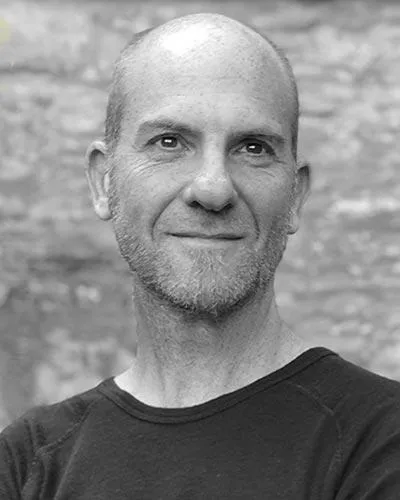
Lip roll demo

With
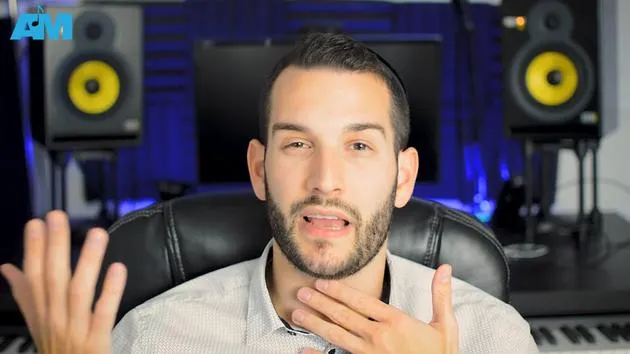
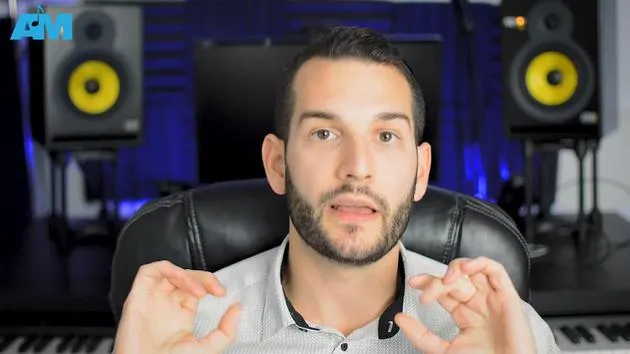
Adam MishanAdam Mishan demonstrates the lip roll, a warm-up that keeps your larynx low and the air flowing steadily as you move through the scale.
What's in the course
24 lessons (1h 9m) · 4 free
Lesson transcript
Lip Roll Exercise
All right, so we're going to start with the lip roll. When you're doing the lip roll, keep the following in mind:
-
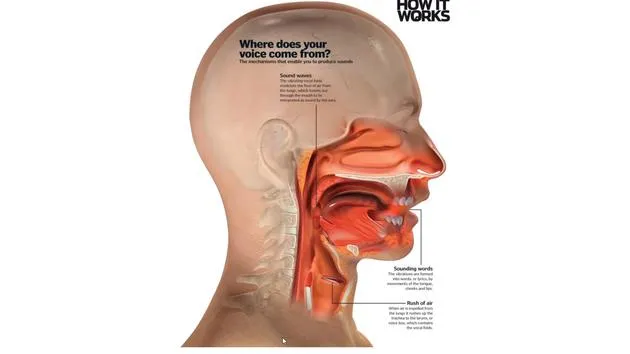
Start with the lower larynx:
This is that dopey sound, the "O" type of dopey sound. We don't want to be up high with a bright sound. -
Refer back to the video:
If you run into any issues, the video will provide you with a clear understanding of what you need to do. -
Relax between scales:
Allow your abs to relax and let the air come back in.
Engagement of Muscles
After breathing out with the lip roll, engage the muscles you just relaxed. It's important to:
- Keep the air flowing:
Many people face issues where their airflow stops because they aren't maintaining a consistent flow of air.
This consistent airflow is crucial for achieving a steady sound while performing lip rolls.
Practice Session
Now, let's jump in.
-
Breathe in:
Make sure you're taking a nice breath. That's it! -
Keep your larynx low:
Good BO! Great job!
Notice how even when I did that example, I felt my larynx starting to rise at the midpoint. It's important to lower it down again.
We want to maintain that lowered position, so I hope you were able to do that.
Next Steps
In the next clip, you'll be able to practice on your own. There won't be any examples; we're going to jump straight into it.
24 lessons
1h 9m of structured video lessons
Advanced video features
Slow down, loop a passage, follow along
Mobile, tablet & desktop
Practise wherever you are
100% satisfaction guarantee
30-day money-back guarantee
Meet your guru
Meet your guru
Adam Mishan is a vocal coach who taught himself to sing. His videos document the journey from not being able to hold a pitch to singing with real control, and that path now shapes how he teaches - over 200,000 people follow along on YouTube. In his courses you'll work on pitch, breath support, tone and range in small, repeatable steps, the same way he built his own voice.