



Développer ton style de vibrato
Avec
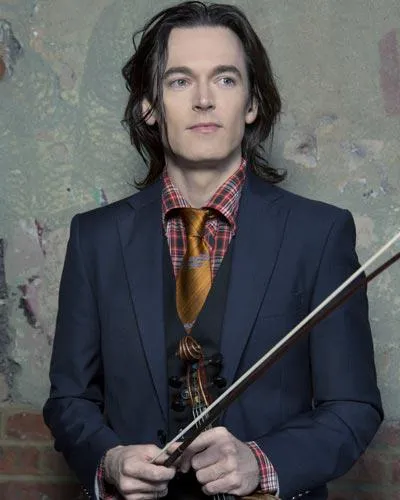
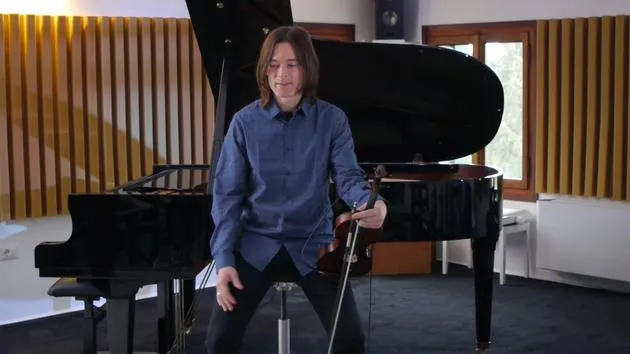
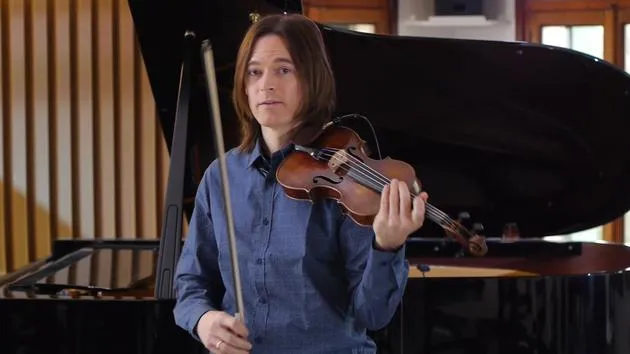
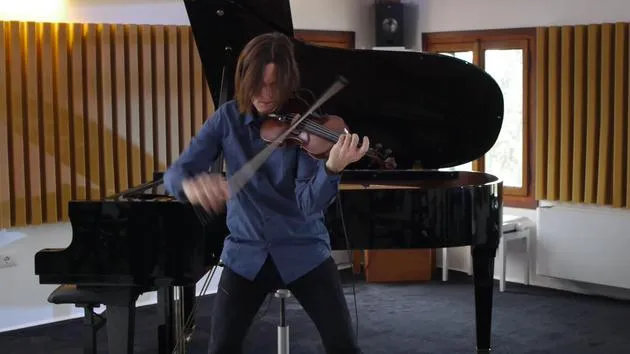
Zach BrockZach Brock parle du développement de ton propre vibrato, en allant au-delà du son classique traditionnel pour utiliser le violon comme un ‘ventriloque musical’.
Publie une vidéo de toi essayant différents styles de vibrato dans le groupe Facebook exclusif de ce cours : Improvise & Groove on Strings
Le contenu du cours
24 leçons (2h 32min) · 1 gratuites
Transcription de la leçon
Understanding Vibrato
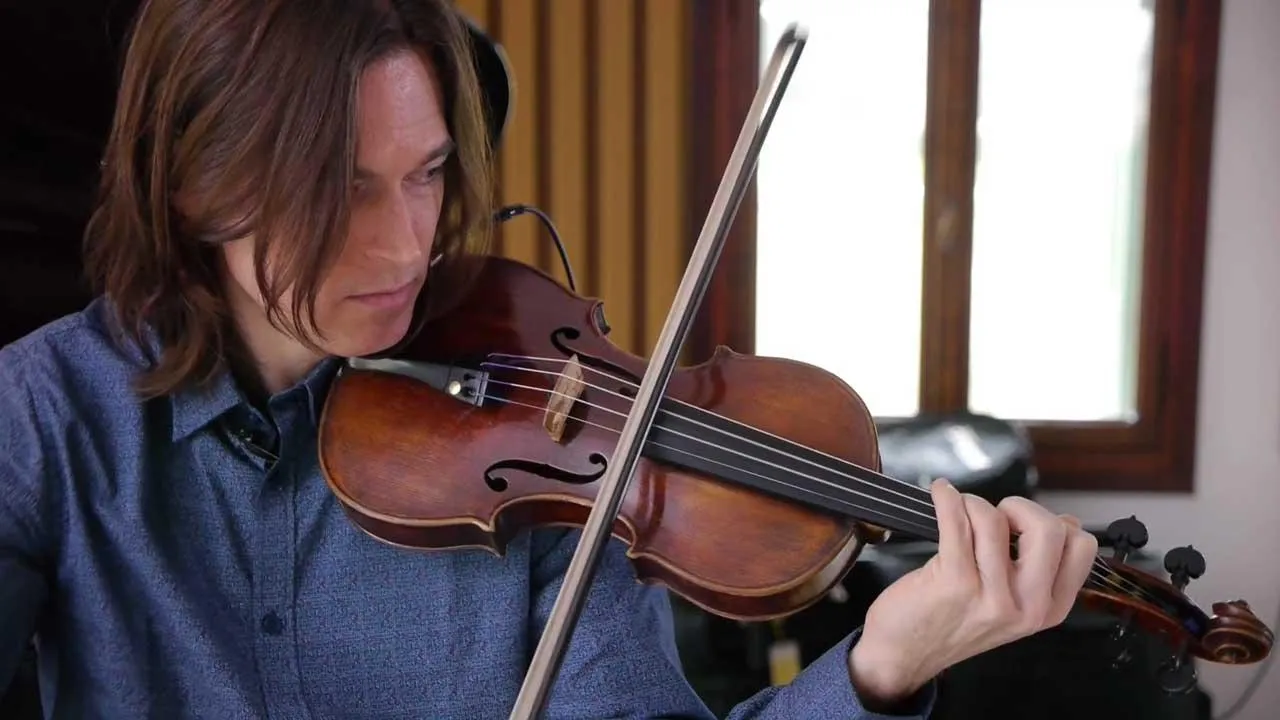
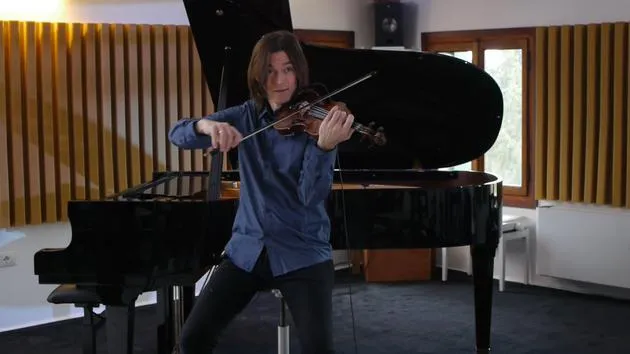
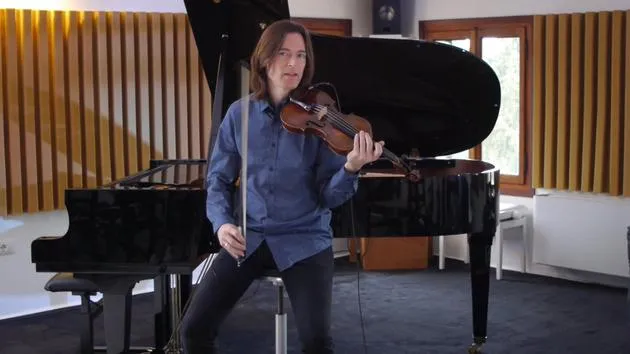
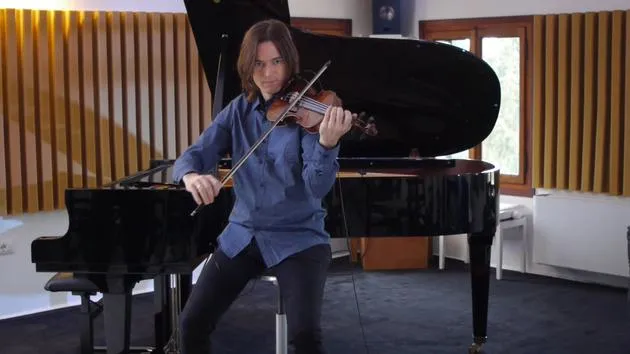
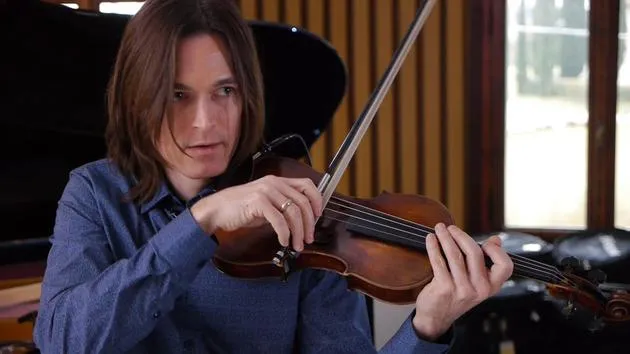
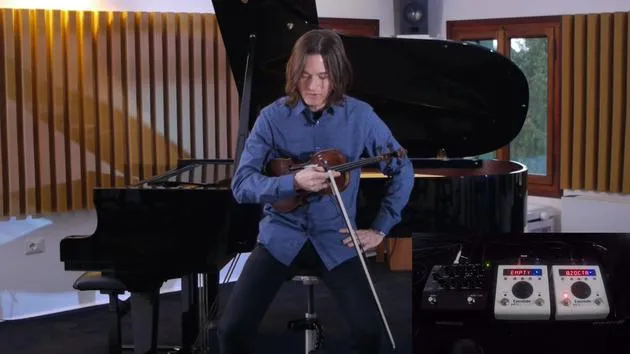
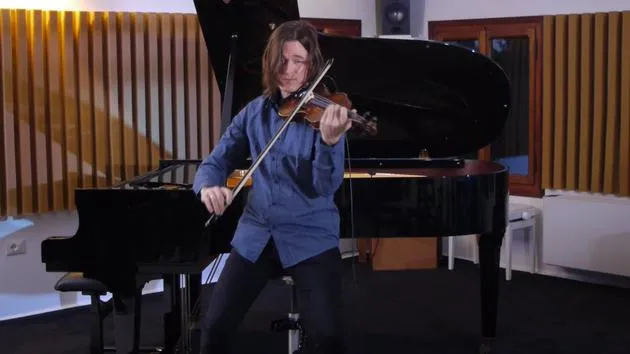
I want to talk about vibrato. This is a big topic for violin players and, in many ways, one of the biggest hang-ups that people have. As you can tell from my playing or anything I've done in this course, I'm not using the type of vibrato often associated with classical music, like Mozart, Beethoven, or Brahms.
Traditional vs. Expressive Vibrato
This leads us to a question of preference:
- Do you want to hear the violin played in a "correct" or traditional way?
- Or are you open to exploring its ability to mimic and serve as a musical ventriloquist?
The violin can imitate pretty much anything, including the human voice. Vocalists are the ones to look to for tone in various styles.
Exploring Mozart
Let's take Mozart, for instance, think about Don Giovanni. The way people sing in that musical context can be mirrored by the way the violin is played.
- Does it make sense to use a Don Giovanni-style tone in vibrato when playing blues or rhythm changes?
- If it resonates with you, don't let anyone stop you!
Vibrato in Jazz and Beyond
In jazz, different singers from various eras have unique ways of producing tone, much like instrumentalists.
Consider these influential jazz artists:
- Billie Holiday: Pay attention to her use of vibrato or lack thereof.
- Sarah Vaughan
- Ella Fitzgerald
- Louis Armstrong
- Frank Sinatra
Each of these artists offers a valid approach to vibrato on the violin.
Non-Classical Vibrato Exercise
I want to give you a non-classical vibrato exercise, which is also beneficial for classical vibrato.
-
Listening: Start with a listening exercise.
- Pick a track featuring an instrument other than the violin, perhaps a woodwind or brass instrument, or even a vocalist.
-
Imitation: Notice how vibrato is utilized.
- How does the artist begin their tone?
- At what point in the note does vibrato come in?
- For horn players:
- Do they vibrate from the beginning?
- Is it just a couple of shakes at the end? If so, how many?
- How wide or narrow is the vibrato?
After listening, experiment with your own vibrato. Here are some iconic examples:
- Terminal Vibrato: This describes a style often noted in saxophone playing from the mid to late 50s. Think of it as ending the note with a little vibrato.
- Contrast this with notes that start immediately with vibrato.
Experiment with Your Vibrato
Feel free to produce vibrato in various ways:
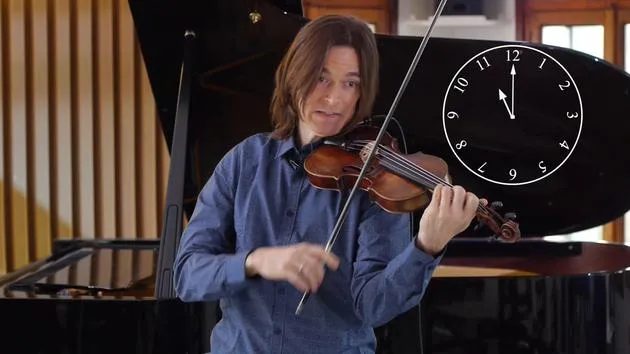
- Not just rocking from pitch backward, as we usually learn.
- Try sliding and glissando techniques, an approach I learned from Stuff Smith.
You can't spend too much time developing your vibrato; it becomes part of your signature sound. If you're not aware of it, it already defines you. If you're ready to think about it, dive in!
Mastering your vibrato is a magical aspect of your playing that can transcend mere scales, rhythms, and chords. Once you get it down, you'll have something unique to bring into any musical context. People will hear you, and they will want to listen!
24 leçons
2h 32m de leçons vidéo structurées
Fonctions vidéo avancées
Ralentissez, bouclez un passage, suivez la partition
Mobile, tablette et ordinateur
Pratiquez où vous voulez
Satisfaction garantie à 100 %
Garantie remboursement 30 jours
Rencontrez votre guru
Rencontrez votre guru
Salué comme « le violoniste improvisateur prééminent de sa génération », Zach Brock est un violoniste et compositeur dont la musique puise dans les traditions du jazz, de la musique classique, des musiques du monde et de la musique populaire.
Zach a reçu son premier Grammy Award en 2017 pour son travail sur l'album Culcha Vulcha de Snarky Puppy. Sa reconnaissance en tant que leader s'est accrue grâce à des concerts dans des salles comme le Carnegie Hall et des festivals tels que « Tudo e Jazz » au Brésil, tandis que sa réputation de sideman s'est répandue à travers ses collaborations avec le légendaire bassiste Stanley Clarke, le super-groupe instrumental contemporain Snarky Puppy et les maîtres du jazz Phil Markowitz et Dave Liebman.
Zach a réalisé dix enregistrements en tant que leader ou co-leader et est le premier violoniste à enregistrer pour le vénérable label de jazz néerlandais Criss Cross. Il a également représenté le Département d'État américain en tant qu'ambassadeur musical aux îles Salomon, s'est produit comme soliste invité pour les bandes originales de deux longs métrages du Festival de Sundance et est actuellement artiste en résidence à la Temple University de Philadelphie.
Dans son cours, tu apprendras à improviser au violon directement à la source : comment Zach aborde la mélodie, le rythme et l'harmonie, et comment commencer à trouver ta propre voix comme il l'a fait aux côtés de Snarky Puppy et au-delà.







