



Commencer par une chanson
Avec
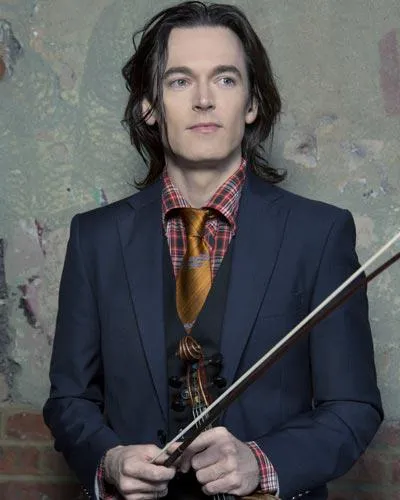
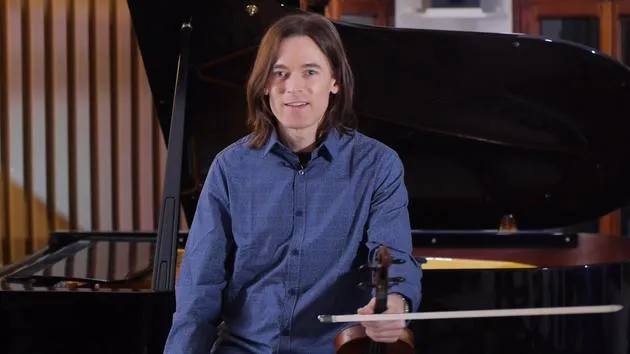
Zach BrockZach te lance avec un exercice qui t'aidera à libérer ton jeu de la partition, mais qui profitera aussi aux musiciens chevronnés, en leur permettant de mieux comprendre les mélodies qu'ils interprètent en s'en écartant.
Le contenu du cours
24 leçons (2h 32min) · 1 gratuites
Transcription de la leçon
Introduction to Improvisation Through Folk Music
Let's not start from a totally dry, technical perspective. Let's start from a song, a folk song.
My Journey into Improvisation
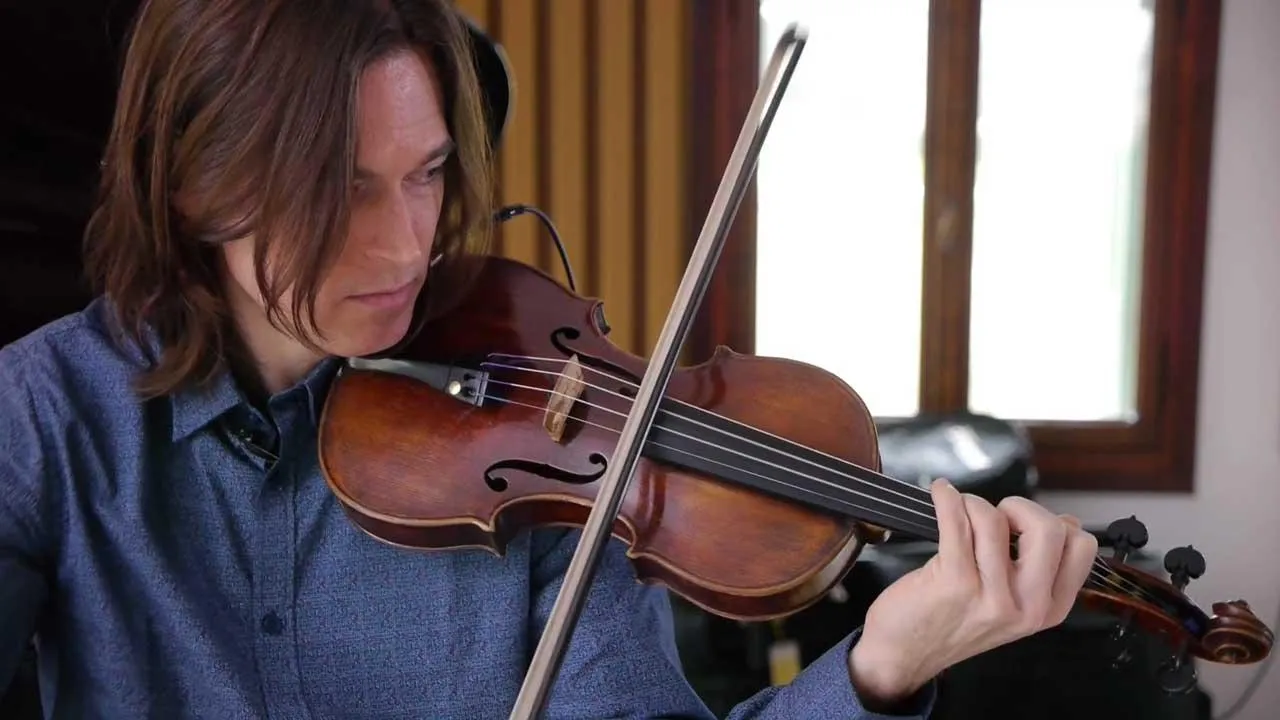
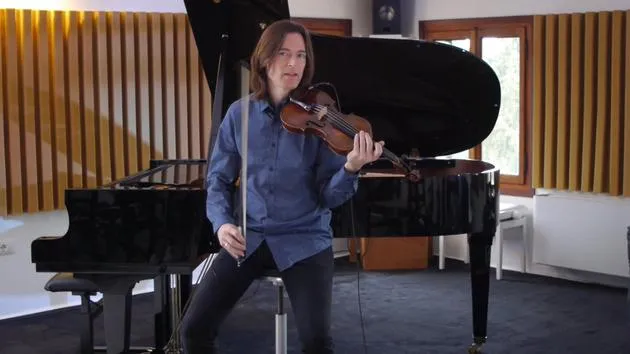
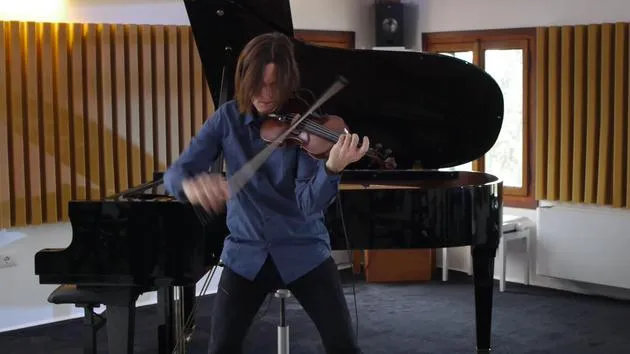
Actually, the way that I got started improvising was through studying Suzuki violin while playing in a family band with my mom and dad. We played a lot of folk music.
So, I think that maybe my first improvisation happened something like this:
"If I was a little kid, I would just play it really straight, right? You know, I would probably play it even straighter than that as a little kid."
My first moments of improvisation probably just started with varying the phrase.
- I'm not thinking about scales, chords, or rhythms.
- I'm completely using my ear.
- I'm thinking about how somebody might sing it, something really, really natural.
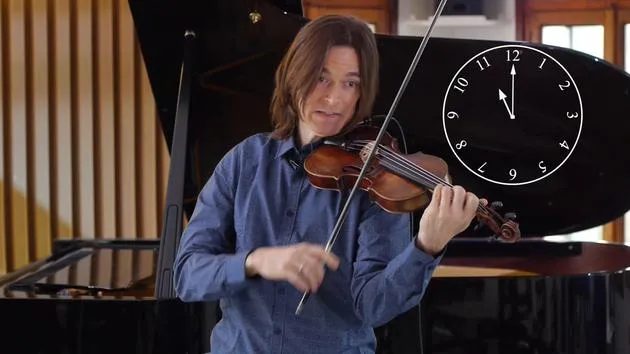
For example, instead of going straight to the pitch, I might slide just a little bit into that first note. To me, this sounds more vocal than starting on a straight pitch.
From there, I just got more and more excited.
Embrace the Process
Okay, that's not on the page, but I added that because I'd heard somebody do it. Then, maybe I went:
"I don't know. I probably wasn't doing really advanced stuff when I was a kid."
But here's the key:
- Take something you already know and mess around with it.
For you classical violinists out there, you all know what I mean:
- You could take a little snippet and make little variations.
- What if I went... [insert variation]?
Have fun with it!
Overcoming Doubts in Improvisation
By the way, some of you might be really excited about getting into improvisation, obviously, you're watching this course, so you are! However, there's often a little voice inside your head saying,
"I don't know, maybe this is going to really screw up my playing from before."
This is a natural fear that a lot of people experience.
You don't have to worry about that!
When you take something you already know and expand it by making your own variations, you actually become clearer and more aware of the original source.
It's similar to progressing in classical music:
- When you move from just playing repertoire to becoming aware of differences in vibrato and phrasing between composers (e.g., Mozart and Brahms), it doesn't mean that playing Brahms will ruin your Mozart.
- In fact, it reinforces what you already know by highlighting the differences, allowing you to become more specific.
So, don't worry about improvisation hurting what you already know!
For Folk Players
For some folk players out there, you might be used to playing off the page, but feel like every time you play a tune, it goes something like this:
- Play the A section,
- Then the B section,
- A section again,
- B section again,
- Guitar player plays A, B... and it goes around like that.
You can still improvise!
Your First Improvisation Exercise
The first thing I'd like you to try is this:
- Take a song melody, a piece that you already know.
- Spend 5 to 10 minutes messing around with little parts of the melody.
Change something!
- Play a different rhythm.
- Change the dynamics.
- Start altering the notes.
I want you to take something that you already know and start to see where it leads you.
If you feel like continuing to play, just keep going!
We're going to talk about much more advanced concepts in this course, but I wanted to start from this place.
24 leçons
2h 32m de leçons vidéo structurées
Fonctions vidéo avancées
Ralentissez, bouclez un passage, suivez la partition
Mobile, tablette et ordinateur
Pratiquez où vous voulez
Satisfaction garantie à 100 %
Garantie remboursement 30 jours
Rencontrez votre guru
Rencontrez votre guru
Salué comme « le violoniste improvisateur prééminent de sa génération », Zach Brock est un violoniste et compositeur dont la musique puise dans les traditions du jazz, de la musique classique, des musiques du monde et de la musique populaire.
Zach a reçu son premier Grammy Award en 2017 pour son travail sur l'album Culcha Vulcha de Snarky Puppy. Sa reconnaissance en tant que leader s'est accrue grâce à des concerts dans des salles comme le Carnegie Hall et des festivals tels que « Tudo e Jazz » au Brésil, tandis que sa réputation de sideman s'est répandue à travers ses collaborations avec le légendaire bassiste Stanley Clarke, le super-groupe instrumental contemporain Snarky Puppy et les maîtres du jazz Phil Markowitz et Dave Liebman.
Zach a réalisé dix enregistrements en tant que leader ou co-leader et est le premier violoniste à enregistrer pour le vénérable label de jazz néerlandais Criss Cross. Il a également représenté le Département d'État américain en tant qu'ambassadeur musical aux îles Salomon, s'est produit comme soliste invité pour les bandes originales de deux longs métrages du Festival de Sundance et est actuellement artiste en résidence à la Temple University de Philadelphie.
Dans son cours, tu apprendras à improviser au violon directement à la source : comment Zach aborde la mélodie, le rythme et l'harmonie, et comment commencer à trouver ta propre voix comme il l'a fait aux côtés de Snarky Puppy et au-delà.







