



Penser les arpèges autrement
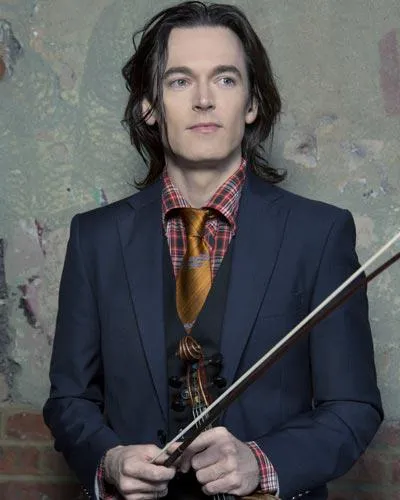
Avec
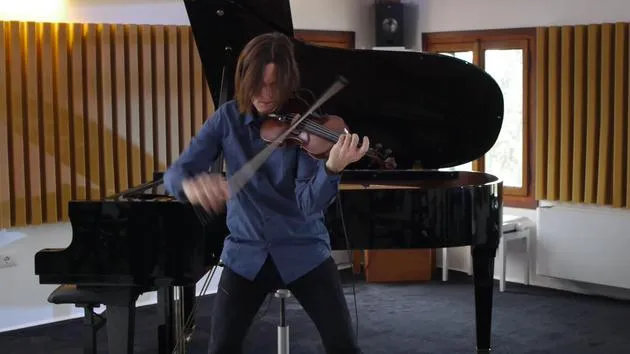
Zach BrockZach parle de penser les arpèges comme des 'voicings' d'accords, ce qui te permet de penser en termes d'harmonie
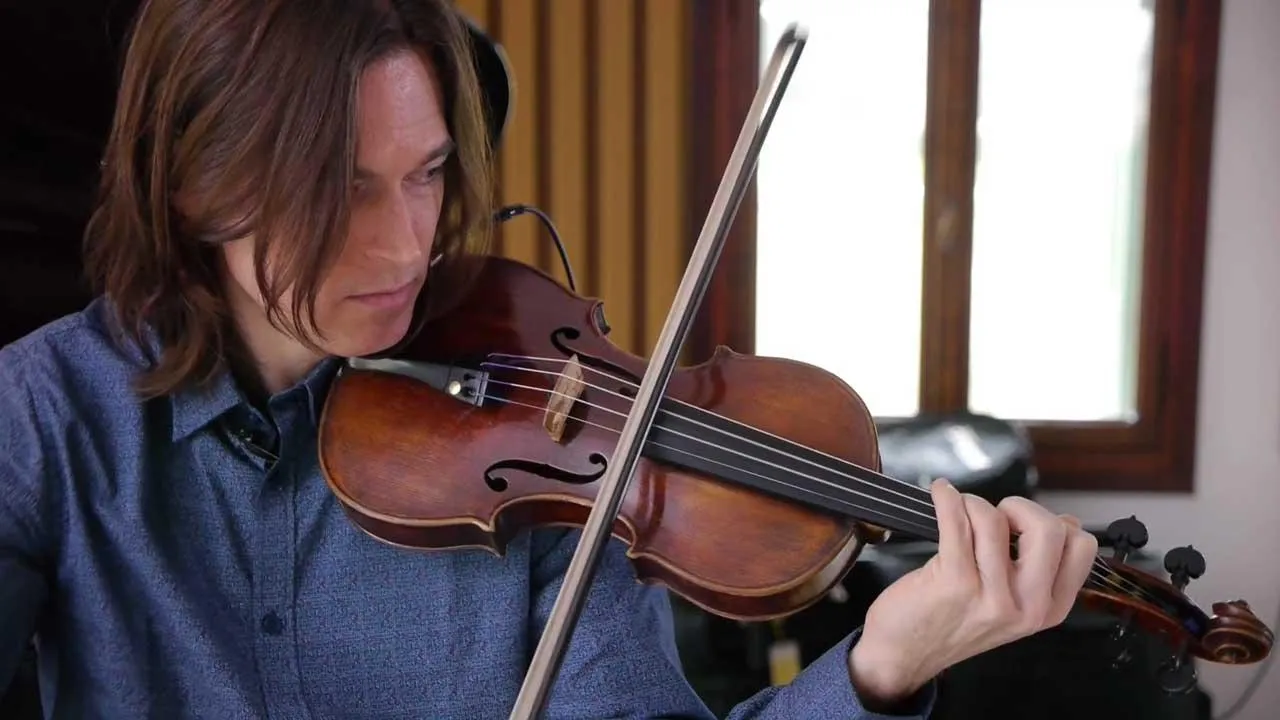
Le contenu du cours
24 leçons (2h 32min) · 1 gratuites
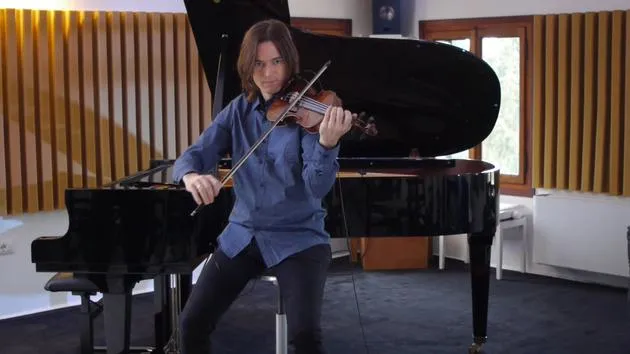
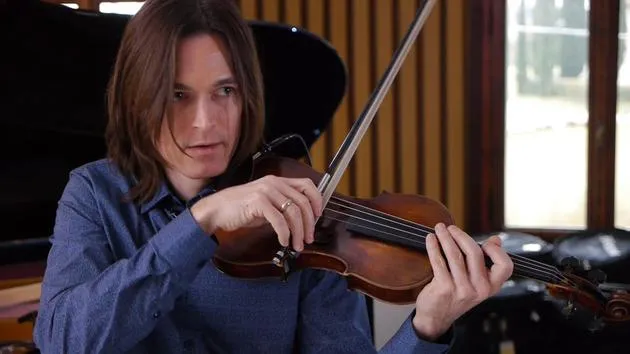
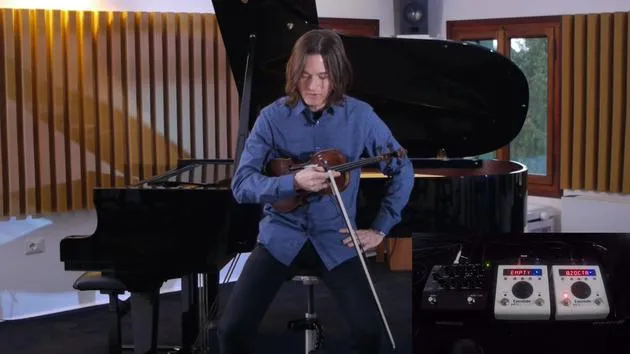
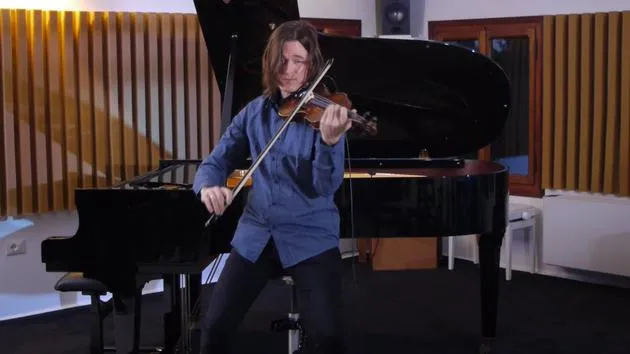
Transcription de la leçon
Understanding Arpeggios in a Harmonic Context
You're all familiar with arpeggios. One thing that oftentimes, as string players, we're not so aware of, is where those arpeggios are coming from in a harmonic context.
Chord Progressions
Now, maybe you might even hear this chord progression. If you don't hear that chord progression, then you've got some work to do.
-
G Major Triad (I chord):
- I'm playing in G once again. This is a G major triad.
-
C Major Triad (IV chord):
- Then I'm playing in C.
- C is the fourth degree of G, so that's what people refer to as the IV chord.
-
D Major Arpeggio (V chord):
- Then I played the arpeggio, D, a D major arpeggio off of the fifth degree. That's the V.
And then we hear that it's going back to this.
Exploring Arpeggios
There are myriad books, exercises, and resources discussing all of this different stuff. I want to show you a few things that you can do with these basic arpeggios that you already know. This arpeggio that I'm playing is a major third followed by a minor third with the root on top.
Exercise 1: Play Arpeggios from Each Scale Degree
- I want you to take a G major scale and play an arpeggio starting off of each degree like we did the modes.
- Demonstration: You hear the harmony in that.
Harmony is just stacking scales, initially in thirds. As we start to voice them or change the intervals within that, it can become a lot more complicated.
For string players who are not used to thinking about stacking harmony like that, because it's a bit more of a technical concern for us than, say, a piano player, it's important to start doing this with your scales. This is how you start to relate your melodies to harmony.
Exercise 2: Varying Directions
I want you to do the same exercise, but in different directions:
- Up, Up, Up: (as previously demonstrated)
- Down, Down, Down
- Up, Down, Up, Down
- Down, Up, Down, Up
Demonstration:
- Going down, down.
- Now go slow and really think about this.
This may feel unfamiliar and can be frustrating, so remember: go really slow and be accurate.
Identifying Triad Qualities
Now, I want you to:
- Pick a scale, perhaps one you've been practicing in the modes, and play the triads off of each scale degree.
- Listen to those harmonies.
Exercise 3: Determine Harmonic Quality
After you get the technical part under control and play the right accidentals, identify the quality of each triad:
- Harmonic Qualities:
- Major triads
- Minor triads
- Augmented triads
- Diminished triads
When playing a major scale, you will not come across any augmented triads. As you play triads through the G major scale, identify each one across all 12 keys.
- First triad: Major
- Second triad: Minor
- Third triad: Minor
- Fourth triad: Major
- Fifth triad: Major
- Sixth triad: Minor
- Seventh triad: Diminished
Advanced Exploration
You might be more advanced and have gone through all of this, but have you done this with all of your melodic minor scales? What about your harmonic minor and, of course, harmonic major?
As we get into different tonalities, each one has its own inherent harmony. Playing the triads and then seventh chords will enable you to hear the harmony that comes with each scale.
24 leçons
2h 32m de leçons vidéo structurées
Fonctions vidéo avancées
Ralentissez, bouclez un passage, suivez la partition
Mobile, tablette et ordinateur
Pratiquez où vous voulez
Satisfaction garantie à 100 %
Garantie remboursement 30 jours
Rencontrez votre guru
Rencontrez votre guru
Salué comme « le violoniste improvisateur prééminent de sa génération », Zach Brock est un violoniste et compositeur dont la musique puise dans les traditions du jazz, de la musique classique, des musiques du monde et de la musique populaire.
Zach a reçu son premier Grammy Award en 2017 pour son travail sur l'album Culcha Vulcha de Snarky Puppy. Sa reconnaissance en tant que leader s'est accrue grâce à des concerts dans des salles comme le Carnegie Hall et des festivals tels que « Tudo e Jazz » au Brésil, tandis que sa réputation de sideman s'est répandue à travers ses collaborations avec le légendaire bassiste Stanley Clarke, le super-groupe instrumental contemporain Snarky Puppy et les maîtres du jazz Phil Markowitz et Dave Liebman.
Zach a réalisé dix enregistrements en tant que leader ou co-leader et est le premier violoniste à enregistrer pour le vénérable label de jazz néerlandais Criss Cross. Il a également représenté le Département d'État américain en tant qu'ambassadeur musical aux îles Salomon, s'est produit comme soliste invité pour les bandes originales de deux longs métrages du Festival de Sundance et est actuellement artiste en résidence à la Temple University de Philadelphie.
Dans son cours, tu apprendras à improviser au violon directement à la source : comment Zach aborde la mélodie, le rythme et l'harmonie, et comment commencer à trouver ta propre voix comme il l'a fait aux côtés de Snarky Puppy et au-delà.







