



Travail avancé des arpèges - Septièmes et renversements
Avec
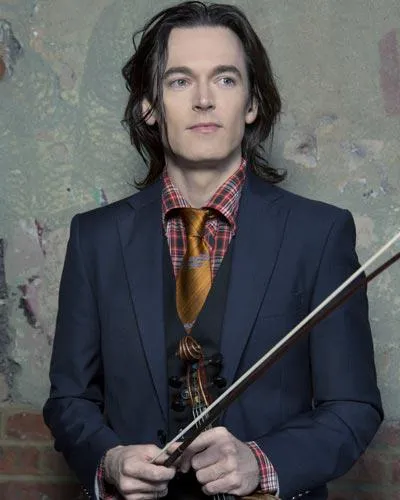
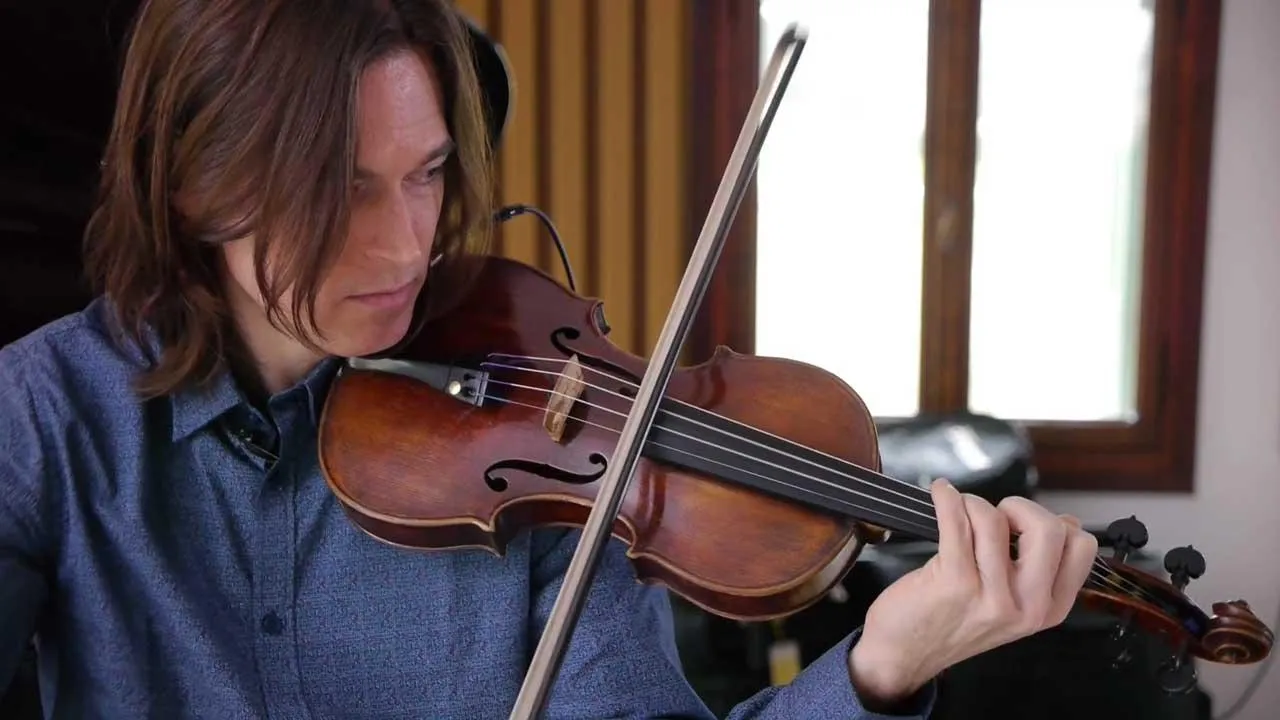
Zach BrockEmpile des septièmes sur tes arpèges et renverse-les, comme un pianiste ou un guitariste retravaille les voicings d'accords, pour approfondir ta compréhension de l'harmonie au violon.
Le contenu du cours
24 leçons (2h 32min) · 1 gratuites
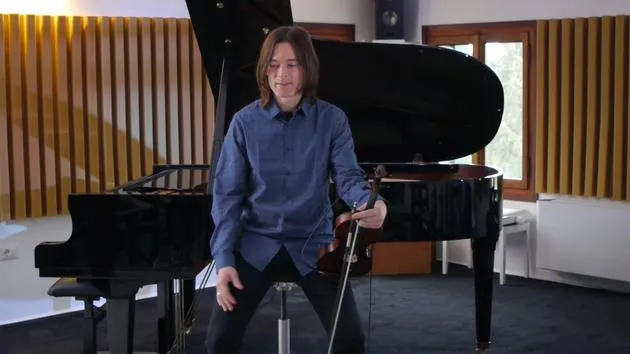
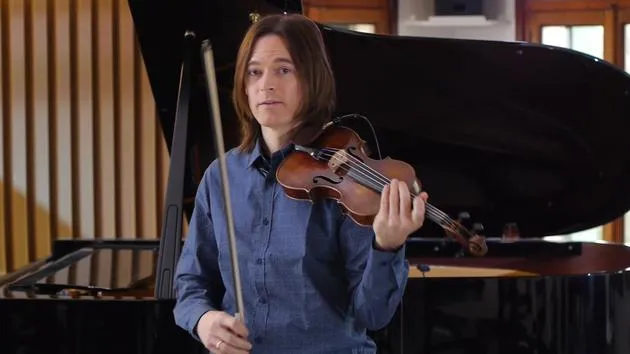
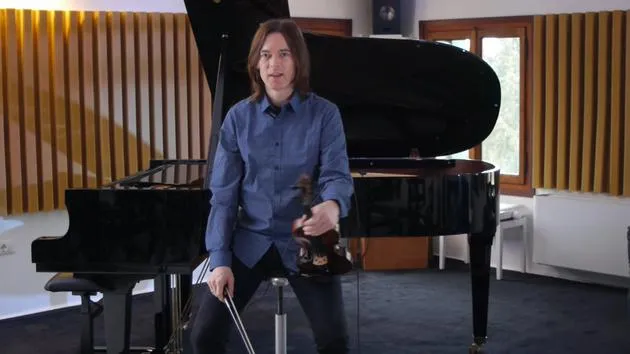
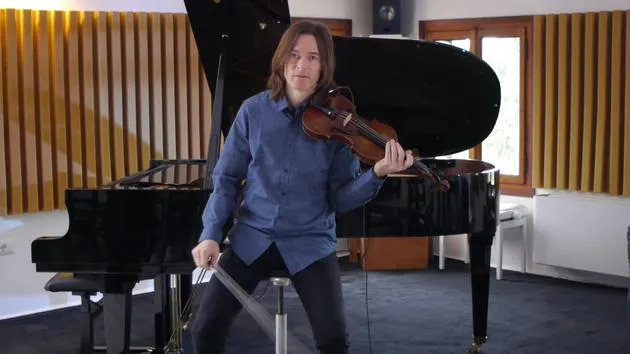
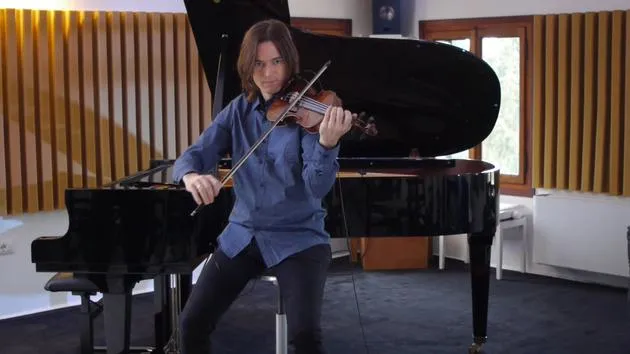
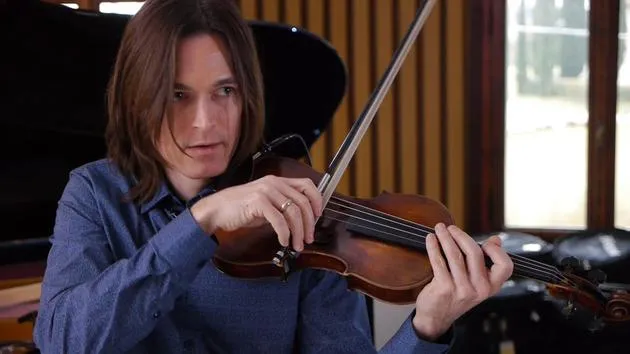
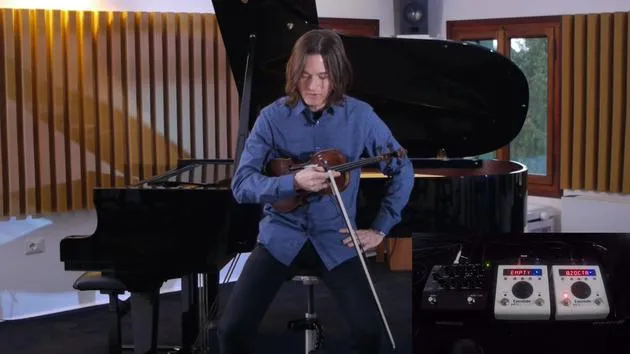
Transcription de la leçon
Stacking Triads and Seventh Chords: A G Major Lesson
After you've played your triads, I want you to stack something one more third above that. Remember, this is all completely diatonic, so the only thing that you have to remember is the key signature.
Key Signature: G Major
- We're playing in the key of G major.
- Everything is a natural note except for F sharp.
As I start to stack these things above a triad, a third above this, diatonically, it's not F natural; it's F sharp. This is the sound of an A major seven arpeggio.
Exercise: Adding a Third
So, I want you to do the same thing that you did with your triads, but add one more third above that.
- This can really be helpful.
- I spent a lot of my early years writing exercises out for myself.
Don't think that you should be able to achieve 100% accuracy in this type of stuff. Just like I'm doing it right now:
- If it's difficult for you, it's definitely worth getting some manuscript paper.
- Put the key signature there and write the stuff out for yourself.
- Then play it.
Once you do that, and maybe write it out in a few different keys, you'll start to get it.
Note: If you go that route, just make sure not to tie yourself to the page.
I urge you to get the flavor and the technical side, the accuracy together, and then put the stuff down and do it just on your instruments.
Seventh Chords of G Major
Here are the seventh chords of G major:
- First mode
- Second mode
- Third mode
- Fourth mode
- Fifth mode
Ah, that sounds a little bit different now. Dominant.
And here's that weird seventh mode that I said we were going to talk about. So, what is that?
- It's not fully diminished.
- Fully diminished is where everything is stacked in minor thirds.
But this isn't quite that. Here's how it's stacked:
- Minor third
- Minor third
- Major third
This is referred to as the half diminished. You could also call it a Locrian seventh chord, but it's usually referred to as a half diminished or a minor 7 flat 5.
Practice Strategies
I would urge you to do these things just like you did with all of the triads:
- In different directions: up, up, down, down, up, down, down, up.
You're going to start to hear some really interesting things happen. That's just one pattern that I picked, so start playing around with seventh chords.
Inversions of Arpeggios
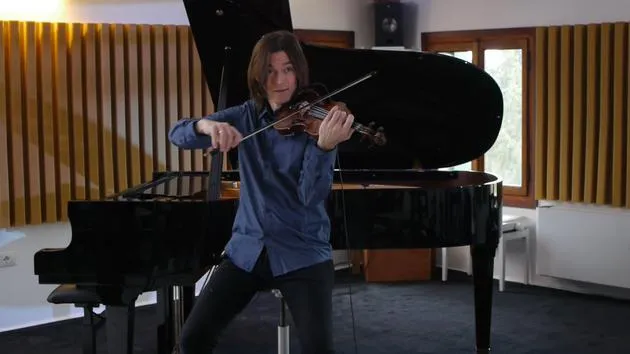
As string players, we tend to not think about inversions of arpeggios, so we play everything in root position or however the concerto on the page has us playing it.
The first thing that I would like you to do is:
- Take a basic G major arpeggio from the one.
- Now, play from the third of the scale, or the second note of the arpeggio, which is B, and play B to B.
So the first time we went:
- Then I want you to go like this.
- And finally, I want you to go like this.
Inversions
Inversions can be practiced with every type of arpeggio and every chord that you do.
Tip: If you can get to a piano or if you want to write this out so that you can actually see what's going on, do that.
- Go slow,
- Be accurate,
- And have fun!
24 leçons
2h 32m de leçons vidéo structurées
Fonctions vidéo avancées
Ralentissez, bouclez un passage, suivez la partition
Mobile, tablette et ordinateur
Pratiquez où vous voulez
Satisfaction garantie à 100 %
Garantie remboursement 30 jours
Rencontrez votre guru
Rencontrez votre guru
Salué comme « le violoniste improvisateur prééminent de sa génération », Zach Brock est un violoniste et compositeur dont la musique puise dans les traditions du jazz, de la musique classique, des musiques du monde et de la musique populaire.
Zach a reçu son premier Grammy Award en 2017 pour son travail sur l'album Culcha Vulcha de Snarky Puppy. Sa reconnaissance en tant que leader s'est accrue grâce à des concerts dans des salles comme le Carnegie Hall et des festivals tels que « Tudo e Jazz » au Brésil, tandis que sa réputation de sideman s'est répandue à travers ses collaborations avec le légendaire bassiste Stanley Clarke, le super-groupe instrumental contemporain Snarky Puppy et les maîtres du jazz Phil Markowitz et Dave Liebman.
Zach a réalisé dix enregistrements en tant que leader ou co-leader et est le premier violoniste à enregistrer pour le vénérable label de jazz néerlandais Criss Cross. Il a également représenté le Département d'État américain en tant qu'ambassadeur musical aux îles Salomon, s'est produit comme soliste invité pour les bandes originales de deux longs métrages du Festival de Sundance et est actuellement artiste en résidence à la Temple University de Philadelphie.
Dans son cours, tu apprendras à improviser au violon directement à la source : comment Zach aborde la mélodie, le rythme et l'harmonie, et comment commencer à trouver ta propre voix comme il l'a fait aux côtés de Snarky Puppy et au-delà.







