



Modes
Avec
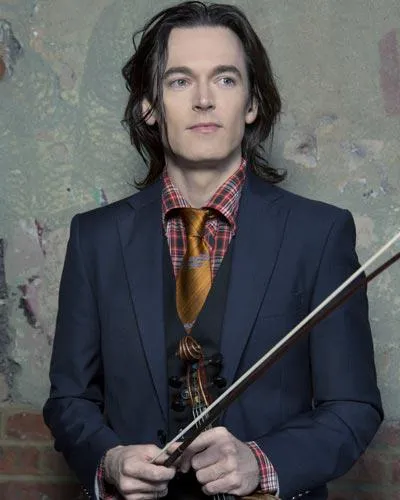
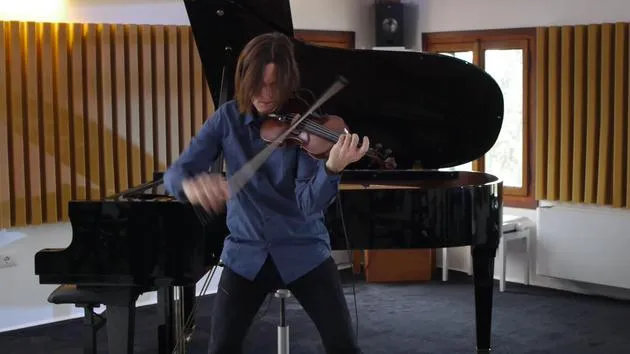
Zach BrockZach t'apprend à donner plus de classe à ton jeu en comprenant les modes et comment les utiliser. Y compris comment rendre leur travail amusant en les pratiquant avec un bourdon (drone).
Pourquoi ne pas publier une vidéo de toi en train de jammer avec un bourdon dans le groupe Facebook exclusif de ce cours - Improvise & Groove on Strings ?
Le contenu du cours
24 leçons (2h 32min) · 1 gratuites
Transcription de la leçon
Understanding Modes in Music
Now we're going to talk about modes. This is definitely something that is useful for players of all styles. This can really hip up your folk playing.
If your intention is to play folk music, which is maybe not harmonically as dense as certain other types of music but certainly very beautiful, you might want to figure out ways of making your lead lines, melodies, or riffs kind of spicier.
As you get into more advanced improvisation, it becomes second nature.
The Modes Breakdown
- G Major: First Mode (G to G)
- Second Mode: A to A
- Third Mode: F# (B to B)
- Fourth Mode: C to C
- Fifth Mode: D to D
- Sixth Mode: E to E
- Seventh Mode: F# to F#
What is a Mode?
That's what a mode is. Each mode has a name:
- Ionian
- Dorian
- Phrygian
- Lydian
- Mixolydian
- Aeolian
- Locrian
However, if you can't associate those names with a sound or a certain flavor or color, it's not going to do you any good at all.
This can make playing scales on your instrument in different ways actually a lot of fun. Getting used to playing modes in all keys allows you to access the colors and flavors of each scale and tonality. This can really bring interest to your improvisation and add certain flavors and eloquence to your melodies.
Practicing Modes
I had a teacher who had me practice modes by making a recording of a vamp in the tonality and then improvising over it with each mode. Nowadays, a lot of you out there have loop pedals, or you can use an electric tuner or a piano with a sustain pedal where you just hit one note and let it sustain.
Here's How to Practice
-
Create a Drone:
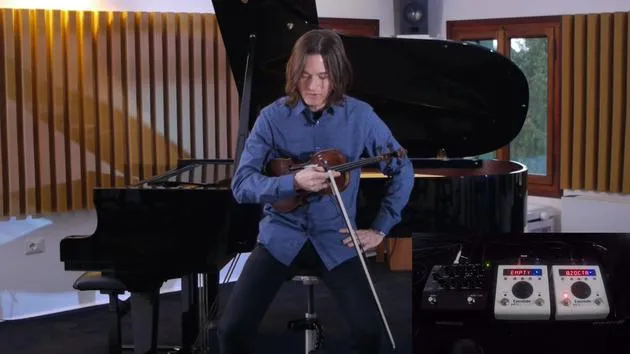
- I'm going to give myself a G drone, just the note G.
-
Play the Modes:
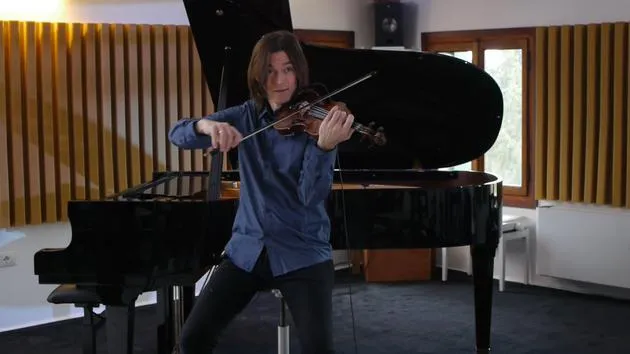
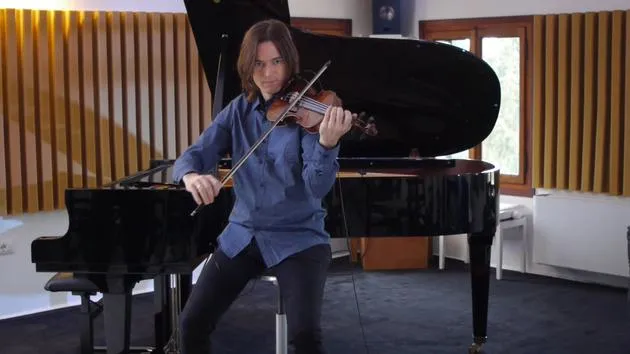
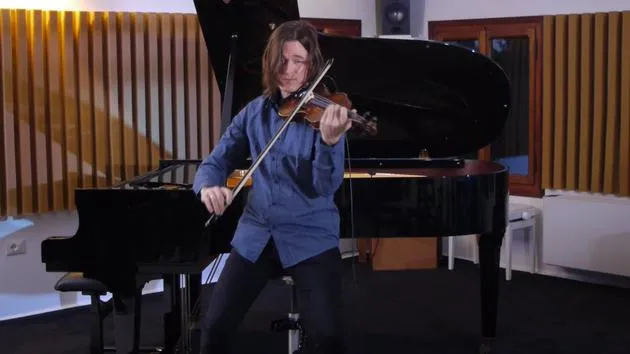
- Now, I'm going to play these modes over that so you can hear what that sounds like and then improvise a little bit.
Modes in Action
-
Ionian (G Major): Let's start with G major again.
-
Dorian: The second mode is Dorian. This is a minor-sounding scale, but there's something different about it. The sixth degree of the scale is high (F#), giving it a unique flavor. This is really the common minor sound in jazz music and a lot of newgrass and folk music.
-
Phrygian: The third mode is Phrygian. It's like a minor scale, but with a flat two (lowered second degree) and a lowered sixth.
-
Lydian: Using the fourth mode, Lydian, often heard in scenes from The Simpsons and other movies.
-
Mixolydian: The fifth mode is Mixolydian, which is a major scale with a lowered seventh degree.
-
Aeolian: The sixth mode is what classical musicians consider a minor sound, with a flat three and a flat six.
-
Locrian: Finally, the Locrian mode (seventh degree) offers very tense sounds, which we'll talk more about in relation to harmony later on.
Your Assignment
Pick a major scale that you're really comfortable with and play it like we did:
- First degree to first degree
- Second degree to second degree
- And so on, playing through all the modes.
This is just a little preparatory exercise that will take you 30 seconds or less.
Using a Drone
If you can, create a drone sound to ground you in that key.
- For example, we have this G drone, and I'm thinking G major. I'm going to improvise a bit on each mode and highlight these colors.
Explore Different Intervals
Remember, you don't have to be playing a complicated bebop tune to get a lot out of modes, it's great for a song just in one key.
You can find a lot of different colors from your plain old major scale. But don't stop there!
-
Double Stops: Play** thirds** and sixths, being mindful of the key signature (remember that F# if you're playing in G).
-
Try Seconds: You can discover beautiful sounds in there as well.
What you're doing is associating different creative, evocative sounds with the G major scale.
You all know a G major scale, and if you're watching this, there's so much you can start to do with what you already know!
24 leçons
2h 32m de leçons vidéo structurées
Fonctions vidéo avancées
Ralentissez, bouclez un passage, suivez la partition
Mobile, tablette et ordinateur
Pratiquez où vous voulez
Satisfaction garantie à 100 %
Garantie remboursement 30 jours
Rencontrez votre guru
Rencontrez votre guru
Salué comme « le violoniste improvisateur prééminent de sa génération », Zach Brock est un violoniste et compositeur dont la musique puise dans les traditions du jazz, de la musique classique, des musiques du monde et de la musique populaire.
Zach a reçu son premier Grammy Award en 2017 pour son travail sur l'album Culcha Vulcha de Snarky Puppy. Sa reconnaissance en tant que leader s'est accrue grâce à des concerts dans des salles comme le Carnegie Hall et des festivals tels que « Tudo e Jazz » au Brésil, tandis que sa réputation de sideman s'est répandue à travers ses collaborations avec le légendaire bassiste Stanley Clarke, le super-groupe instrumental contemporain Snarky Puppy et les maîtres du jazz Phil Markowitz et Dave Liebman.
Zach a réalisé dix enregistrements en tant que leader ou co-leader et est le premier violoniste à enregistrer pour le vénérable label de jazz néerlandais Criss Cross. Il a également représenté le Département d'État américain en tant qu'ambassadeur musical aux îles Salomon, s'est produit comme soliste invité pour les bandes originales de deux longs métrages du Festival de Sundance et est actuellement artiste en résidence à la Temple University de Philadelphie.
Dans son cours, tu apprendras à improviser au violon directement à la source : comment Zach aborde la mélodie, le rythme et l'harmonie, et comment commencer à trouver ta propre voix comme il l'a fait aux côtés de Snarky Puppy et au-delà.







