



Dynamique et rides de fader
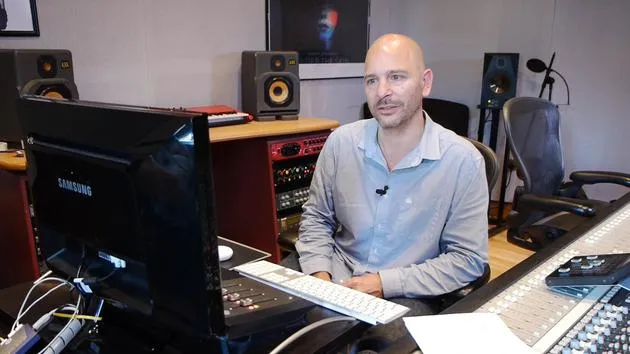
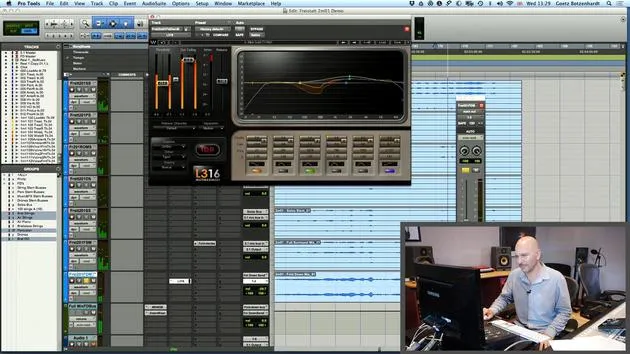
Goetz Botzenhardt façonne la dynamique d'une séquence de film à l'aide de rides de fader, créant le contraste entre les moments calmes et les grandes montées orchestrales.
Le contenu du cours
16 leçons (1h 36min) · 1 gratuites
01. Comment utiliser à la fois des images de film et de l'audio dans Pro Tools
19:52
02. Importer un enregistrement orchestral - concepts clés
8:10
03. Stems et réverbération
8:51
04. Ajouter plus d'éléments au mix - éléments percussifs
4:33
05. Le processus de mixage
6:35
06. Dynamique et rides de fader
Tu es ici3:08
07. Passage en revue de tout le mixage de Goetz sur cette partition
5:02
08. DEVOIR #2 : CRÉER UN MIX
0:40
09. CHALLENGE #1 : MIXER À L'IMAGE
0:55
Transcription de la leçon
Understanding Dynamics in Film Music
Okay, so our next chapter, or the next thing I want to look at, is the dynamics of each piece. Because in film, dynamics are massively important.
The Importance of Dynamics
There are two primary reasons for this:
- Contrast in Sound: In film music, you can have something that's really quiet, like just one violin, and then all of a sudden, the whole orchestra comes crashing in, or there's a big bang.
- Emotional Impact: You really need a lot of light and shade in your mixes. Unlike mixing a pop record, which is basically all at the same level and always playing pretty much as loud as possible, film music requires dynamics.
The music plays a crucial role for the director to:
- Shake things up
- Stir certain emotions
- Take you on the roller coaster ride that is watching a film
You can do a lot of riding and really work the dynamics to shape them till they rise. While the players will do them to an extent, there's only so much they can do.
Tips for Mixing Dynamics
-
Spend Time on Dynamics: It's essential to spend time getting the dynamics right and riding the faders. You have to listen to what goes on and adjust accordingly.
-
Play the Cue While Mixing: When it comes to dynamics, always play the cue while you mix it. Not all the time, of course; get it sounding good, but also make sure to play it with the sync.
-
Avoid Conflicts: Ensure that when somebody's speaking or when there's something happening on the soundtrack, the music doesn't clash with it.
Incorporate Music Thoughtfully
- Bring in elements of music when there's space for them.
- When there's no space, just fade them back, shaping it around the sync track, dialogue, and sound effects.
This is quite important because otherwise, they're just going to turn everything down in the dub. They will likely reduce the music volume if it doesn't fit around the other elements.
Final Note
From our perspective, we always want the music to be as loud as possible in the film. So, we need to help the dubbing engineer by shaping our mix around everything else that goes on.
Very, very important, this is a key aspect of mixing for film, so get your head around it!
16 leçons
1h 36m de leçons vidéo structurées
Fonctions vidéo avancées
Ralentissez, bouclez un passage, suivez la partition
Mobile, tablette et ordinateur
Pratiquez où vous voulez
Satisfaction garantie à 100 %
Garantie remboursement 30 jours
Rencontrez votre guru
Rencontrez votre guru
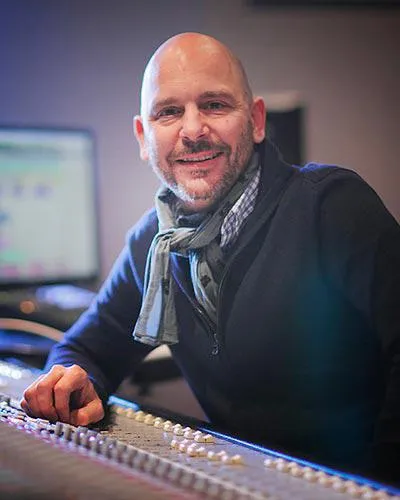
Au début des années quatre-vingt-dix, Goetz Botzenhardt s'est formé aux Swanyard Recording Studios, assistant des producteurs de premier plan comme Flood, Alan Moulder et Tom Lord-Alge, et a fait ses armes en enregistrant et en mixant les groupes de dance et d'acid jazz des années 90 : Incognito, Galliano, Soul II Soul et bien d'autres.
À Swanyard, il rencontre Rollo Armstrong et tous deux nouent rapidement un partenariat créatif, à l'origine de nombreux grands disques de dance et remixes et, peu après, de l'enregistrement et du mixage des deux premiers albums acclamés de Faithless et du multi-platine 'No Angel' de Dido.
Naviguant entre les genres, il a enregistré et mixé le premier album des Sugababes, 'One Touch', dont leur premier tube 'Overload', et a mixé pour The Cardigans, Bjork, The Cinematic Orchestra, Craig David, les Pet Shop Boys et Hikaru Utada, l'une des artistes les plus populaires du Japon.
Plus récemment, il s'est étendu au cinéma et à la télévision, collaborant étroitement avec les compositeurs Christian Henson, Martin Phipps et Anne Nikitin, et mixant la musique de Daniel Pemberton, nommée aux Golden Globes, pour 'Steve Jobs', réalisé par Danny Boyle. En dehors du cinéma, il a produit 'Closer to the People' de Tanita Tikaram, mixé des titres pour Sigala, Ella Eyre, Breton, Planet Funk et Tito Jackson, et en 2016 il a mixé l'album de Peabo Bryson avec Jimmy Jam et Terry Lewis. La liste complète de ses travaux figure sur ses pages de discographie et de filmographie sur goetz-botzenhardt.com.
Goetz travaille depuis son propre studio et sa salle de mixage, articulés autour d'une console SSL E4044, d'un monitoring surround Adam 5.1, d'un système Pro Tools HDX 48 canaux et d'un outboard de choix. Dans ses cours, il te fait entrer dans cette pièce pour montrer comment il mixe dans deux univers très différents : dans Mixing for Film & TV Score, comment il équilibre et façonne des musiques orchestrales et hybrides au service de l'image ; et dans Mixing Commercial Pop Music, comment il construit des mixes pop percutants et prêts pour la radio à partir du multipiste.







