



Le processus de mixage

Lesson time: (6min 35sec)
Course preview
This lesson is part of the course Mixage pour musique de film et de TV
Watch a preview of the full course below.
Lesson transcript:
Mixing Process for Film and TV
Okay, so I'll just speak a little bit more about the mixing process.
General Overview
The nice thing about mixing for film, and also some TV stuff, is that when dealing with orchestras and live recordings, they are usually recorded in very good studios where professional engineers work. These orchestras get recorded all the time, so generally, this material comes to me already sounding pretty great.
I don't have to do huge amounts of EQing or compressing. Like I say with the orchestra, it's pretty much what it is. Sometimes, there's a bit of compression over the bus or maybe on the double bass just to rein things in a little. But generally, it's really about:
- Finding a nice balance
- Adding a bit of reverb
- Maybe a bit of EQing over the bus
EQ and Mixing Techniques
I usually have, on each stem bus, another EQ which adds a bit of top end and takes out a little bit of the harshness and some bass for the strings. That's generally all it needs.
So, just find a nice blend and make it sound beautiful.
A lot of it is actually in the balancing and adding a nice bit of reverb.
Sequenced vs. Live Sounds
With sequenced sounds and artificial sounds, there's a lot more scope to do stuff. Again, with the EQ and compression, it really comes down to you.
That's where you have to use your own ears and ensure everything has its right place in the mix. Every sound has a distinct pocket in terms of frequency as well as panning, which is a nice way to give each sound its own individual space.
Additional Resources
I do have another course available online where I go into more detail about sound processing, compression, EQ settings, and the plugins I like using. This is all part of my pop mixing course, and a lot of it applies to film and TV mixing as well.
Key Considerations in Mixing
It's just about making sure everything works in the mix:
- The bass is nice and pumping
- The top end works
- The middle is where most of the musical action happens
The most difficult thing to teach about mixing is that you need experience. You have to experiment to find out what works for you.
Creative Decisions in Mixing
That's why you use your ears and think:
- What do I want this to sound like?
- Where am I going to place the instrument?
- How am I going to make it work as a whole?
You really have to apply your skills with EQ, compression, reverb, and delays.
Finalizing the Mix
Once your basic mix is set, that's when you start to apply your EQs and some compression and delays. The reverb is very important for film stuff because it gives depth. You can be quite generous with reverb since the music is often hidden behind other ambient sounds.
- Don't hesitate to add a little more reverb than you would normally.
- Remember, the music is usually played behind screens in cinemas with lots of padding.
So, be grand with your sound as well. Don't make it sound small.
Practical Steps
What I've done is:
- Solo the orchestra
- Send all the channels to RTC
- Mute the ambient tracks because they really don't need any more reverb
Now, let's add in the reverb slowly until we're happy with it and ensure it sounds nice and epic.
Generally, it's better to put more reverb onto the spot mic. So, I'm going to bring the general reverb down a touch and increase it on the spot mics for a cleaner signal going into our reverb.
Let's check the amount. I'm quite happy with that.
Finally, it's essential to check the whole balance. This is something where you really need to use your ears and do it according to taste.
About the instructor
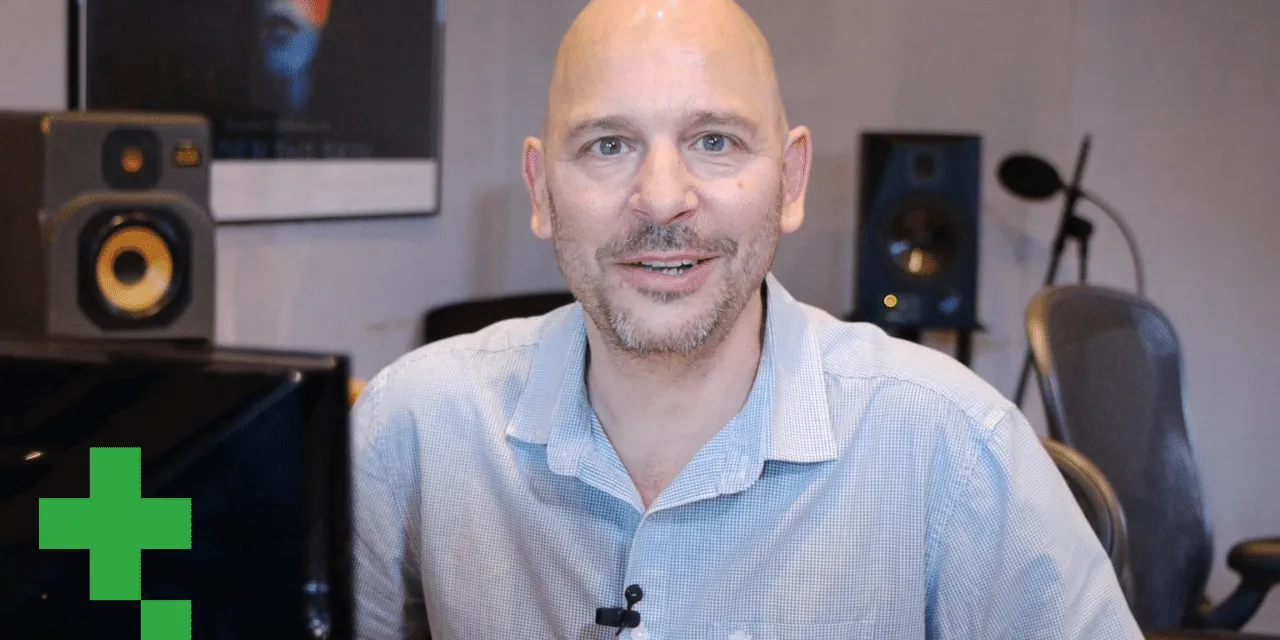
Au début des années quatre-vingt-dix, Goetz Botzenhardt s'est formé aux Swanyard Recording Studios, assistant des producteurs de premier plan comme Flood, Alan Moulder et Tom Lord-Alge, et a fait ses armes en enregistrant et en mixant les groupes de dance et d'acid jazz des années 90 : Incognito, Galliano, Soul II Soul et bien d'autres.À Swanyard, il rencontre Rollo Armstrong et tous deux nouent rapidement un partenariat créatif, à l'origine de nombreux grands disques de dance et remixes et, peu après, de l'enregistrement et du mixage des deux premiers albums acclamés de Faithless et du multi-platine 'No Angel' de Dido.Naviguant entre les genres, il a enregistré et mixé le premier album des Sugababes, 'One Touch', dont leur premier tube 'Overload', et a mixé pour The Cardigans, Bjork, The Cinematic Orchestra, Craig David, les Pet Shop Boys et Hikaru Utada, l'une des artistes les plus populaires du Japon.Plus récemment, il s'est étendu au cinéma et à la télévision, collaborant étroitement avec les compositeurs Christian Henson, Martin Phipps et Anne Nikitin, et mixant la musique de Daniel Pemberton, nommée aux Golden Globes, pour 'Steve Jobs', réalisé par Danny Boyle. En dehors du cinéma, il a produit 'Closer to the People' de Tanita Tikaram, mixé des titres pour Sigala, Ella Eyre, Breton, Planet Funk et Tito Jackson, et en 2016 il a mixé l'album de Peabo Bryson avec Jimmy Jam et Terry Lewis. La liste complète de ses travaux figure sur ses pages de discographie et de filmographie sur goetz-botzenhardt.com.Goetz travaille depuis son propre studio et sa salle de mixage, articulés autour d'une console SSL E4044, d'un monitoring surround Adam 5.1, d'un système Pro Tools HDX 48 canaux et d'un outboard de choix. Dans ses cours, il te fait entrer dans cette pièce pour montrer comment il mixe dans deux univers très différents : dans Mixing for Film & TV Score, comment il équilibre et façonne des musiques orchestrales et hybrides au service de l'image ; et dans Mixing Commercial Pop Music, comment il construit des mixes pop percutants et prêts pour la radio à partir du multipiste. read more