



Importer des cues successifs, réutiliser des réglages et utiliser Match Tracks
Comment importer le cue suivant dans Pro Tools sans perdre tes réglages - utiliser Import Session Data et Match Tracks pour réutiliser le tempo, les marqueurs et la disposition des pistes.
Le contenu du cours
16 leçons (1h 36min) · 1 gratuites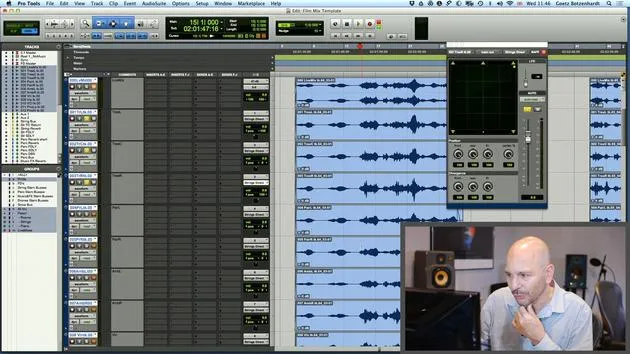
01. Comment utiliser à la fois des images de film et de l'audio dans Pro Tools
19:52
02. Importer un enregistrement orchestral - concepts clés
8:10
03. Stems et réverbération
8:51
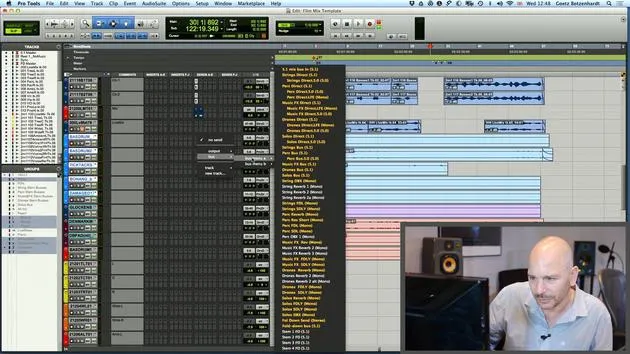
04. Ajouter plus d'éléments au mix - éléments percussifs
4:33
05. Le processus de mixage
6:35
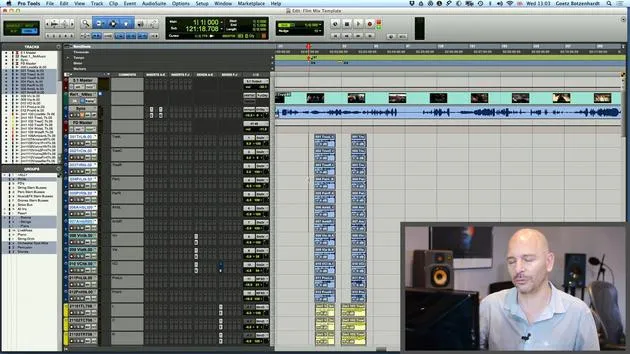
06. Dynamique et rides de fader
3:08
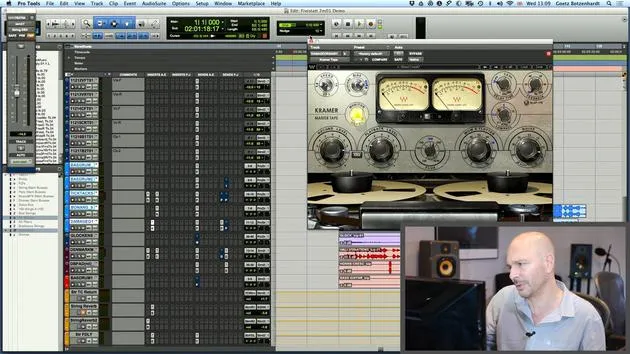
07. Passage en revue de tout le mixage de Goetz sur cette partition
5:02
08. DEVOIR #2 : CRÉER UN MIX
0:40
09. CHALLENGE #1 : MIXER À L'IMAGE
0:55
Transcription de la leçon
Mixing the Next Cue in Pro Tools
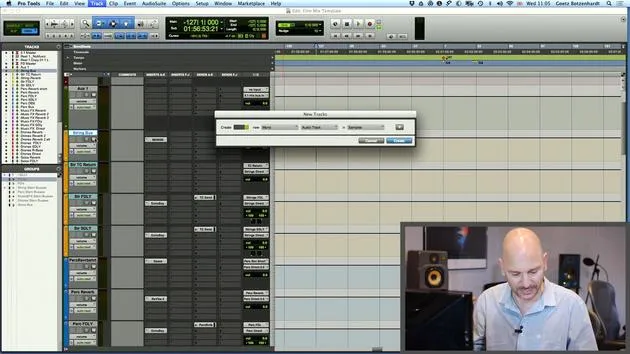
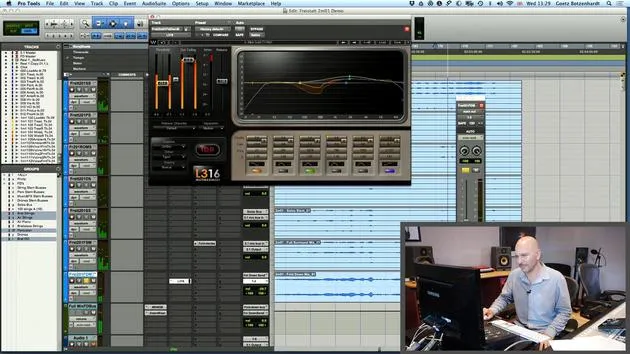
In this section, we will discuss how to efficiently mix the next cue in your film score using Pro Tools. Given that mixing each cue can be time-sensitive, leveraging Pro Tools' features is vital, especially for large orchestral sessions.
Importing the Next Cue
Once you've mixed the previous orchestral cues, it's crucial to retain your settings. You don't want to start from scratch. Pro Tools has an excellent function for this:
-
Import Session Data:
- Find your next cue.
- Open your session in Pro Tools and navigate to the Import Session Data option.
-
Using Match Tracks:
- For example, if you want to mix cues 2 and 4, open that session and go to the Import Session Data.
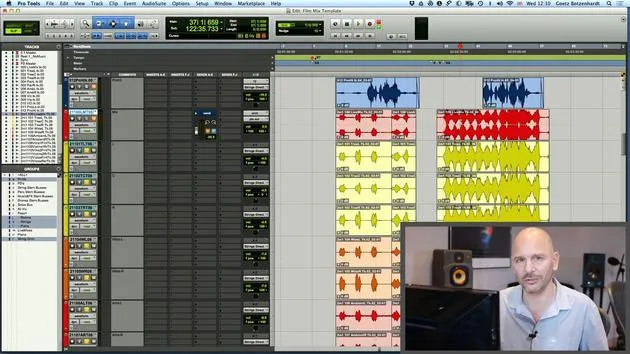
- Click on Match Tracks. This feature will automatically match tracks with the same names, selecting all similar tracks for you.
-
Importing Important Data:
- Make sure to import your cues and markers along with template information.
Important Note:
- Before proceeding, it's crucial to choose what you want to import. Check the pop-down menu and select None for the session already containing your desired settings.
- You only want to import the audio, as everything from your previous session, like volume, automation, outputs, and panning, should remain unchanged.
- Final Steps:
- After checking none, proceed to import by replacing existing playlists and consider importing alternate playlists for further editing.
- Check the first two items on the list: Alternate Playlist and Clips and Media.
- Hit OK and go to bar one. This may take a moment, but soon your audio for the next cue will be ready to go.
Additional Tips
- For orchestral sessions, anticipate that there may be sounds that haven't been used previously. As you progress, you'll find that many sounds will repeat.
- Although you'll need to adjust settings slightly, having a baseline will save you a significant amount of time.
Final Reminder
- Don't forget to save your session under a new name! Avoid saving over your previous work to prevent losing valuable progress.
In summary, using the Match Tracks feature in Pro Tools allows you to efficiently manage the mixing process, ensuring consistency and saving time as you work through your film score.
16 leçons
1h 36m de leçons vidéo structurées
Fonctions vidéo avancées
Ralentissez, bouclez un passage, suivez la partition
Mobile, tablette et ordinateur
Pratiquez où vous voulez
Satisfaction garantie à 100 %
Garantie remboursement 30 jours
Rencontrez votre guru
Rencontrez votre guru
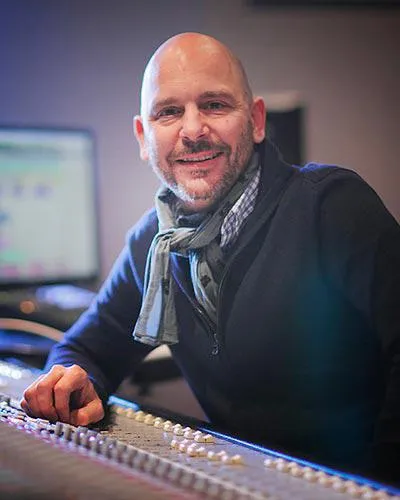
Au début des années quatre-vingt-dix, Goetz Botzenhardt s'est formé aux Swanyard Recording Studios, assistant des producteurs de premier plan comme Flood, Alan Moulder et Tom Lord-Alge, et a fait ses armes en enregistrant et en mixant les groupes de dance et d'acid jazz des années 90 : Incognito, Galliano, Soul II Soul et bien d'autres.
À Swanyard, il rencontre Rollo Armstrong et tous deux nouent rapidement un partenariat créatif, à l'origine de nombreux grands disques de dance et remixes et, peu après, de l'enregistrement et du mixage des deux premiers albums acclamés de Faithless et du multi-platine 'No Angel' de Dido.
Naviguant entre les genres, il a enregistré et mixé le premier album des Sugababes, 'One Touch', dont leur premier tube 'Overload', et a mixé pour The Cardigans, Bjork, The Cinematic Orchestra, Craig David, les Pet Shop Boys et Hikaru Utada, l'une des artistes les plus populaires du Japon.
Plus récemment, il s'est étendu au cinéma et à la télévision, collaborant étroitement avec les compositeurs Christian Henson, Martin Phipps et Anne Nikitin, et mixant la musique de Daniel Pemberton, nommée aux Golden Globes, pour 'Steve Jobs', réalisé par Danny Boyle. En dehors du cinéma, il a produit 'Closer to the People' de Tanita Tikaram, mixé des titres pour Sigala, Ella Eyre, Breton, Planet Funk et Tito Jackson, et en 2016 il a mixé l'album de Peabo Bryson avec Jimmy Jam et Terry Lewis. La liste complète de ses travaux figure sur ses pages de discographie et de filmographie sur goetz-botzenhardt.com.
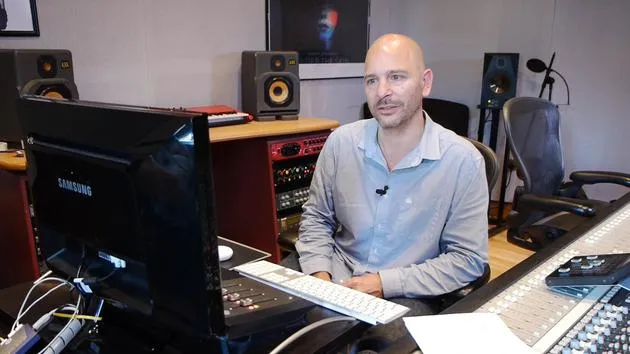
Goetz travaille depuis son propre studio et sa salle de mixage, articulés autour d'une console SSL E4044, d'un monitoring surround Adam 5.1, d'un système Pro Tools HDX 48 canaux et d'un outboard de choix. Dans ses cours, il te fait entrer dans cette pièce pour montrer comment il mixe dans deux univers très différents : dans Mixing for Film & TV Score, comment il équilibre et façonne des musiques orchestrales et hybrides au service de l'image ; et dans Mixing Commercial Pop Music, comment il construit des mixes pop percutants et prêts pour la radio à partir du multipiste.







