



Introduction à la musique générative
Avec
Isaac Cotec
Le contenu du cours
19 leçons (2h 54min) · 1 gratuites
Transcription de la leçon
Exploring Generative Music
In this video, I'm going to be talking about generative music and how you can use randomized effects and MIDI effects to really begin to come up with new ideas that you might not have.
I like to think of this as "the moth in the machine" or letting the computer speak for a little bit. Because sometimes, when we're making music, we can get a little stuck, right? Especially if we're alone, making a track, we've got a melody, and we don't quite know where to go with it.
That would be a great instance to collaborate with some other music producer. Well, using generative music is a way of collaborating with the machine, with randomization as a tool.
A Deeper Look
To look at an example of this, I'm going to go deeper into it.
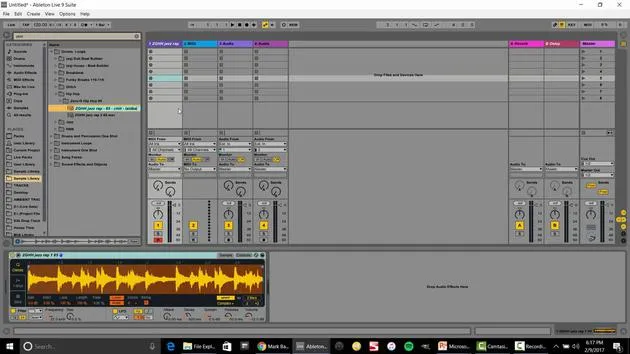
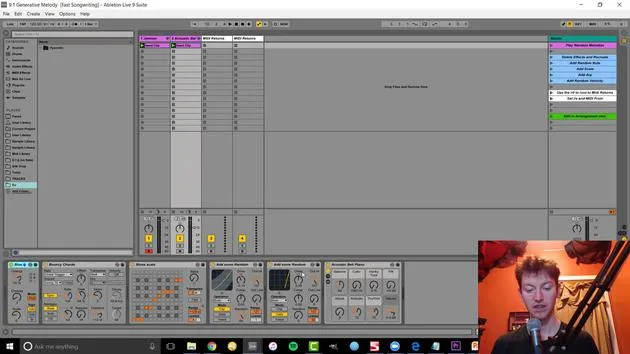
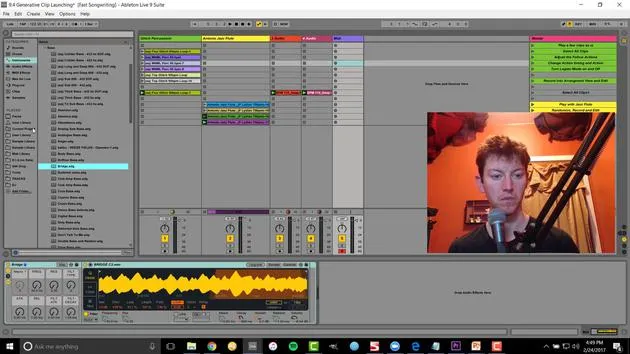
- We have just this one clip right now, and it's a C note.
- Then I have another one here that's also a C note.
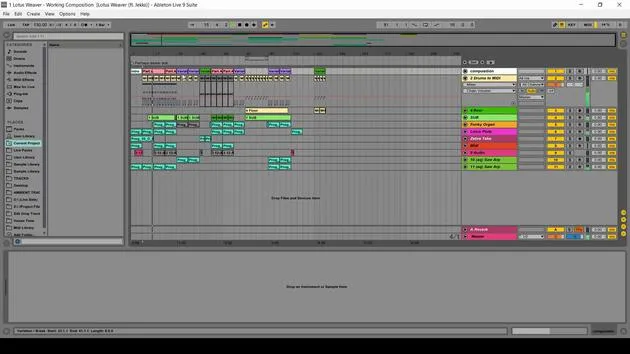
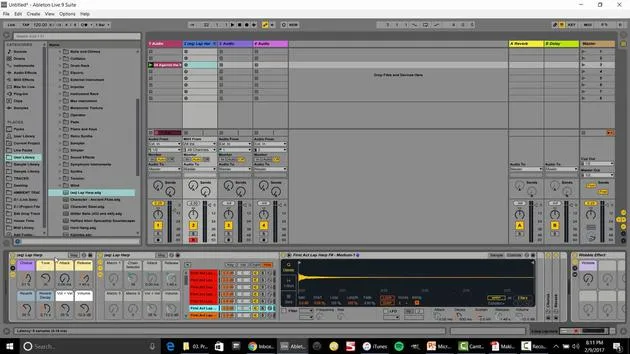
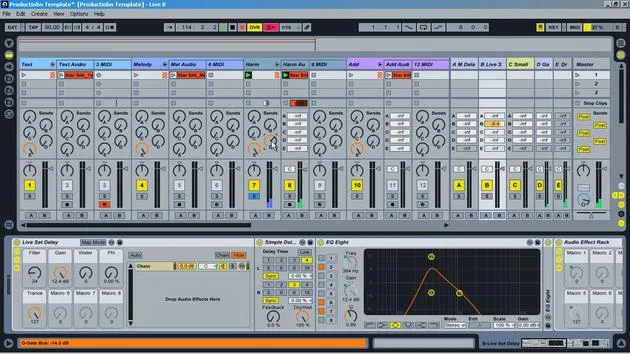
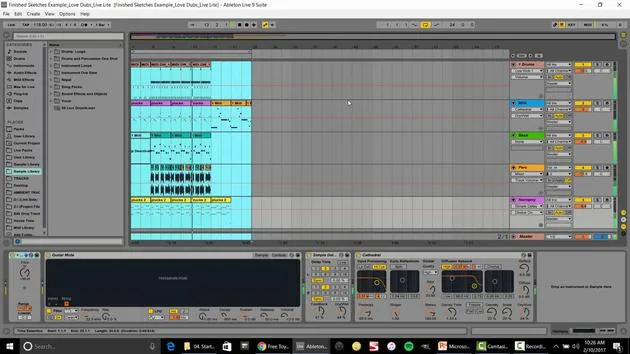
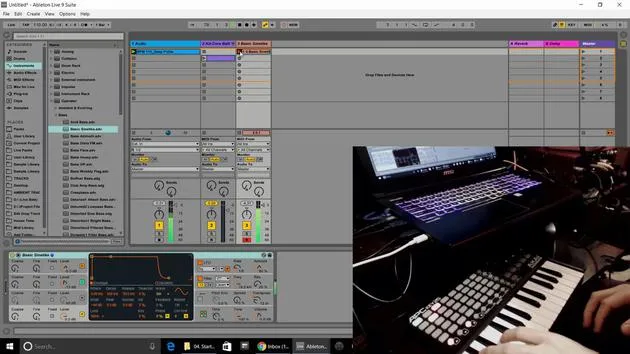
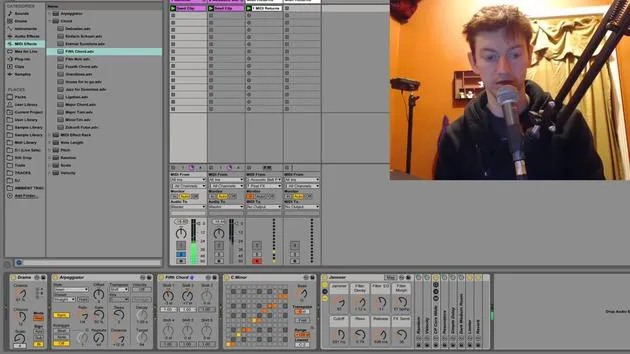
If we look, there's a bunch of randomization happening in these MIDI effects before it goes to the instrument. So, if I press play, there's already some interesting things happening there.
Defining Generative Music
Let's talk a little bit more about generative music.
Generative music describes music that is ever different and changing and is created by a system. By balancing random machine-generated content with logical constraints and human editing, we can quickly create new ideas.
Key Concepts
-
Randomization: Using the MIDI tools in Ableton Live.
-
Logical Constraints:
- Mini scale
- Min/max settings on velocity or note range (like only from the bass end or only the mid-range)
- Chance control on certain parameters
-
Editing: This is the human part where we utilize our aesthetic and choices. This includes:
- Splicing samples
- Resampling
- MIDI editing
- Stretching and rendering these things out
Getting Hands-On
That was a basic overview of what generative music is. But we're really going to get our hands dirty with making generative music by using effects.
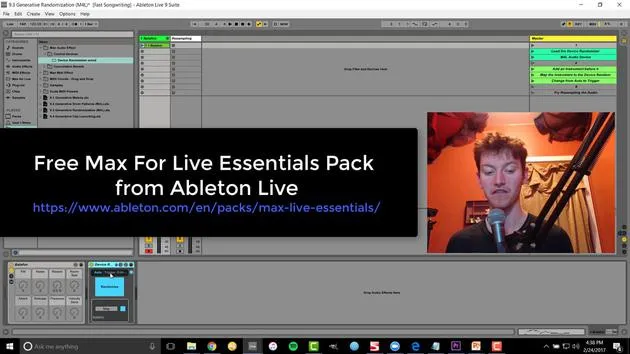
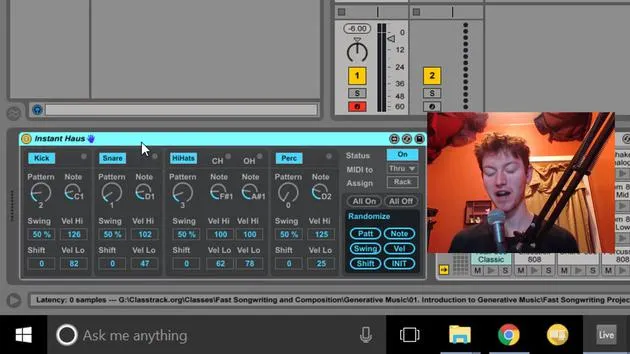
We can also use Max for Live device randomization. All these different parts contribute to random new variations that we can edit and use in our production.
In the next video, I'm going to show you how I built that example set. It will also be a free download for you to get. Then, you can go through the exercise if you want to really start getting your hands into generative music.
19 leçons
2h 54m de leçons vidéo structurées
Fonctions vidéo avancées
Ralentissez, bouclez un passage, suivez la partition
Mobile, tablette et ordinateur
Pratiquez où vous voulez
Satisfaction garantie à 100 %
Garantie remboursement 30 jours
Rencontrez votre guru
Rencontrez votre guru
Isaac Cotec est, sans doute, l'un des meilleurs formateurs Ableton au monde ! Tout en travaillant sur sa propre musique, il a commencé à enseigner les techniques d'enregistrement, le design sonore et Ableton Live à des élèves particuliers et, depuis qu'il a obtenu sa certification d'Ableton Certified Trainer officiel, il a aidé des milliers de producteurs à passer un cap et à réussir comme musiciens.
Isaac a commencé à produire de la musique électronique en 2005 avec Psyche Sonics, un groupe expérimental travaillant sur la science et la recherche des binaural beats et la modification de la conscience par le son. Après avoir tourné, il a continué à écrire de la musique sous l'alias Cotec puis a émergé comme l'artiste Subaqueous, mêlant son passé électronique à des techniques de production à la fois futuristes et organiques. À ce jour, il a sorti 3 albums et 4 EPs.
Isaac est aussi le fondateur et le gérant du label Invibe Music, qui représente certains des meilleurs artistes de musique électronique du Pacific Northwest et se spécialise dans la dance midtempo.
Dans ses cours Ableton Live, Isaac partage les techniques de production, de design sonore et d'écriture qu'il a passé des années à affiner — les compétences mêmes qu'il utilise pour transformer l'étincelle d'une idée en un morceau fini.







