



Résumé du cours

Avec
Isaac CotecIsaac Cotec conclut le cours Fast Songwriting avec des conseils pour vaincre le syndrome de la page blanche, faire des pauses et rester créatif en tant que compositeur rapide.
Le contenu du cours
19 leçons (2h 54min) · 1 gratuites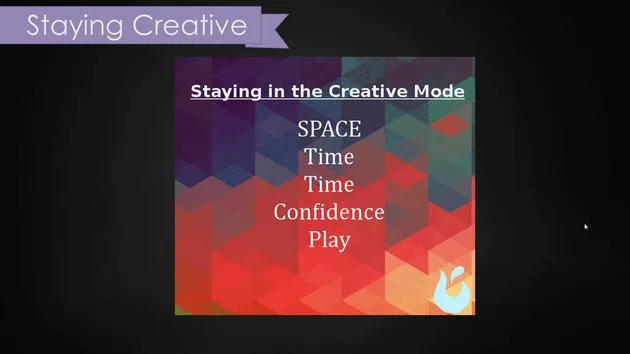
01. Résumé du cours
Tu es ici15:30
Transcription de la leçon
Overview of the Course
In this video, I'm going to overview the course, give you some tips on writer's block, and share some personal lessons I've learned about being a fast songwriter and staying creative.
Key Tips for Songwriting
1. Keep Calm and Take a Break
When I first started producing music, I would sit down and produce for hours on end. I would forget to take breaks, I wouldn't eat enough, and often realized that four to eight hours would just disappear. This was bad for my back, my body, and my diet. I'd get stuck in loops, trying to make something better and better, only to waste hours doing it.
Key Point:
- Inspiration often comes from not making music. Go for a walk, enjoy the outdoors, spend time with friends, and you might get re-inspired.
Listening to music or attending shows can also be beneficial, as long as you avoid the trap of feeling like others are "better" than you:
- "People aren't better, they're just different."
2. Keep Calm and Learn Something New
If you're feeling creatively stuck, try learning a new technique, synth, or approach. For example, a few years ago, while producing as Subaqueous, I felt uninspired. I then had a dream about non-Western scales and how to create melodies and chord progressions using them.
I delved into music theory for world scales, particularly Armenian and Arabic scales, and it revitalized my creativity, leading to the creation of my album, Emerge.
3. Keep Calm and Make the Worst Track Ever
If you're feeling down about your music, dare yourself to create the worst track possible. You'll likely find yourself experimenting, and unexpectedly, you might discover something you like or a new technique along the way.
4. Keep Calm and Collaborate
Collaboration can enhance your music, as each person brings different strengths. If you're struggling with a specific element in your music, consider collaborating with someone who excels in that area.
Key Insight:
- If you hit a wall, don't persist. Relax, collaborate, learn something new, and find a way to get unstuck.
Maintaining Creativity
Creative vs. Objective Modes
The creative process involves two stages:
- Creative Mode: Play, explore, and let ideas flow.
- Objective Mode: Analyze, evaluate, and organize your creations.
Key Concepts in the Creative Mode:
-
Space:
- Ensure your physical and mental space is clear and conducive to creativity.
-
Time:
- Set specific time frames for your music production to help you dive deeper into your creative flow.
-
Confidence:
- Trust your instincts. There are always people who will appreciate your unique sound, so don't second-guess yourself.
-
Play:
- Maintain a sense of fun and enjoyment in your creative endeavors.
Objective Mode
In this stage, take a more analytical approach to assess your work. Understand your goals and manage your time and resources effectively.
- Quantified Results:
- Assess the outcomes of your sessions. Gain insights from your results to refine your process.
Healthy Habits for Songwriters
-
Producer's Journal:
- Document ideas, observations, and inspirations regularly. This helps store creative thoughts for future reference.
-
Clean Workspace:
- A tidy workspace promotes a clear mindset ready for creativity.
-
Healthy Body:
- Take breaks to stretch, move, and energize your body. Physical activity can reset and refresh your mental capacity.
-
Constant Learning:
- Continuously seek new knowledge about music production to stay relevant and energized creatively.
Steps of Music Production
-
Step Zero: Concepts
- Brainstorm ideas, imagery, and feelings.
-
Step One: Pre-Production
- Create tools, instruments, and sound libraries.
-
Step Two: Sketch Creation
- Develop rhythmic seeds and initial ideas.
-
Step Three: Composition
- Expand and arrange your ideas into a cohesive whole.
-
Mixing:
- Focus on blending tracks, adjusting EQs, and getting levels right.
-
Mastering:
- Ensure the final product sounds great across all systems.
That's the full range of moving from concept to finished track. If you're interested in more information about mixing and mastering, please reach out. We can also offer one-on-one classes if you need additional guidance.
Thank you for engaging with this lesson on fast songwriting! I hope you feel inspired to create efficiently and maintain your creative flow. Great job sticking to your goals. Keep learning, and enjoy the process!
19 leçons
2h 54m de leçons vidéo structurées
Fonctions vidéo avancées
Ralentissez, bouclez un passage, suivez la partition
Mobile, tablette et ordinateur
Pratiquez où vous voulez
Satisfaction garantie à 100 %
Garantie remboursement 30 jours
Rencontrez votre guru
Rencontrez votre guru
Isaac Cotec est, sans doute, l'un des meilleurs formateurs Ableton au monde ! Tout en travaillant sur sa propre musique, il a commencé à enseigner les techniques d'enregistrement, le design sonore et Ableton Live à des élèves particuliers et, depuis qu'il a obtenu sa certification d'Ableton Certified Trainer officiel, il a aidé des milliers de producteurs à passer un cap et à réussir comme musiciens.
Isaac a commencé à produire de la musique électronique en 2005 avec Psyche Sonics, un groupe expérimental travaillant sur la science et la recherche des binaural beats et la modification de la conscience par le son. Après avoir tourné, il a continué à écrire de la musique sous l'alias Cotec puis a émergé comme l'artiste Subaqueous, mêlant son passé électronique à des techniques de production à la fois futuristes et organiques. À ce jour, il a sorti 3 albums et 4 EPs.
Isaac est aussi le fondateur et le gérant du label Invibe Music, qui représente certains des meilleurs artistes de musique électronique du Pacific Northwest et se spécialise dans la dance midtempo.
Dans ses cours Ableton Live, Isaac partage les techniques de production, de design sonore et d'écriture qu'il a passé des années à affiner — les compétences mêmes qu'il utilise pour transformer l'étincelle d'une idée en un morceau fini.







