



Forme et feel
Lesson time: (5min 22sec)
Paddy décortique le feel de Tipitina. Le groove tire ses origines d'un style rumba/afro-cubain. Contrairement au blues traditionnel, qui a une séparation nette entre la main gauche et la main droite, le groove de Tipitina fusionne les deux mains, venant là encore plutôt d'un style latin.
Course preview
This lesson is part of the course Joue un piano New Orleans authentique
Watch a preview of the full course below.
Lesson transcript:
Understanding the Feel of the Tune
But let's look at the central thing about this tune, which is the feel. The feel is so important on this. It's very much that kind of rumba feel derived from the sort of Afro-Caribbean influence.
The Basic Underlying Feel
Essentially, that is the basic underlying feel for it. You could play something like that, which obviously works fine, but pressing along here really kind of brings it home with some anticipations.
New Orleans Influence
The stuff we looked at in Junco Partner, which I think is a typically New Orleans thing, informs this approach. So, his introduction, you can see it's leading with that 3/4 time signature. It's always leading with that note.
- This is something that really goes well in Afro-Cuban music.
- It can go across the bar line, but in this case, it's still anchored with that downbeat at the bottom.
- Still, it's a note that's stressed in the feel.
Two-Handed Groove
He also incorporates these little skips in between the right-hand notes. So, it's very much a two-handed feel. It's not just a left hand with a right-hand accompaniment kind of thing, which would be more of a ragtime approach or a blues approach, you know, that features a very independent left hand.
- In this kind of feel, it's very much from that sort of Caribbean/Afro-Cuban vibe where the two hands create the groove together.
Creating a Rolling Effect
So really, it creates this rolling effect, characterized by a very distinctive run going up to the four chords:
3, 4. One, two, three, four.
It's all kind of syncopated; it's all off the beat:
3, 4, 1, 2, 3, 4.
Then it anchors back down on beat one of the four, leaving you suspended while that's happening. I think that's what makes it funky and what makes it hip.
Echoing the Left Hand
In the right hand, you're essentially echoing what the left hand is doing. Although what Professor Longhair does, and what you can do, is add some octaves or change the direction of the octave.
- The choice is yours! You can play it however you want, but as long as this central feel is underneath, it doesn't really matter.
- That anticipation at the end of the bar is always there.
Keeping the Feel in Mind
So, think of it as "walking down the street":
1, 2, 3, 4 and 2, 3, 4.
That feel is very much present throughout the piece.
So remember, when you're playing, that feel should always be there, regardless of whether you're actually playing notes or not.
About the instructor
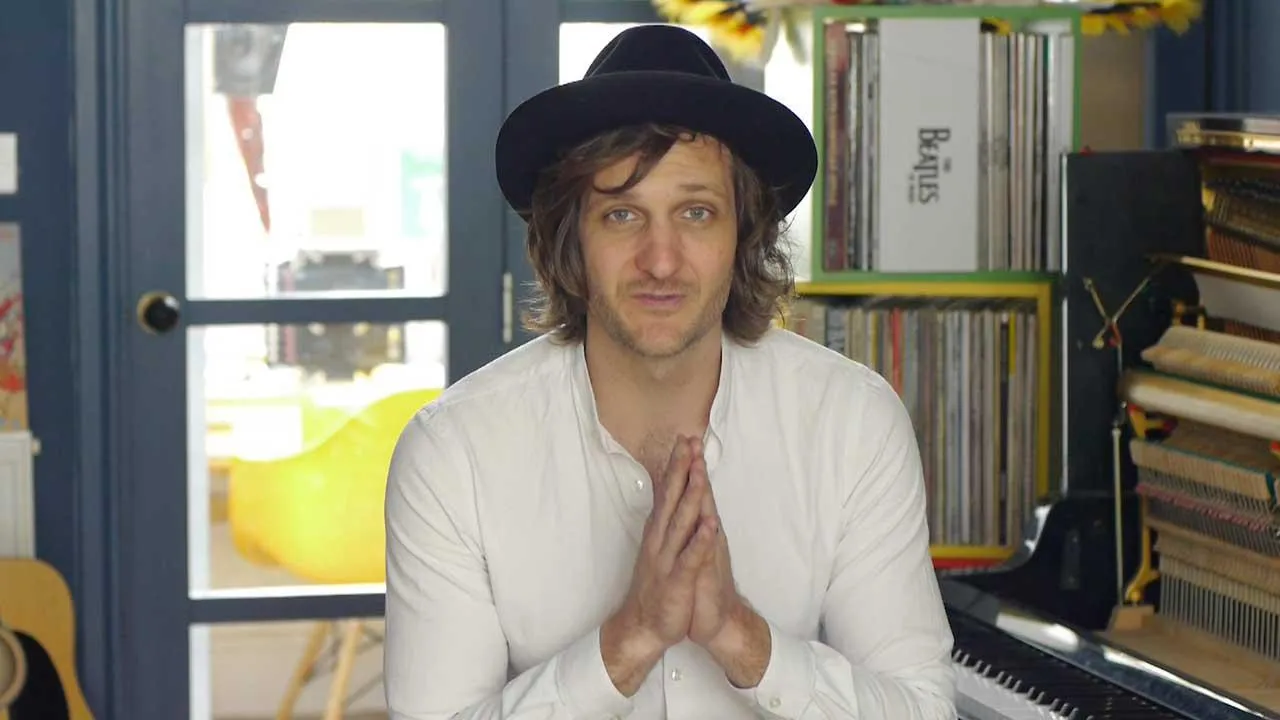
Paddy Milner est reconnu comme l'un des meilleurs pianistes de blues au monde : il est actuellement le claviériste attitré de Sir Tom Jones, après plusieurs années aux côtés du grand et regretté Jack Bruce, mais c'est aussi un superbe auteur-compositeur original et un chanteur au timbre singulier. Il suffit de lire les éloges de personnalités comme Dave Brubeck ci-dessous ! Son jeu figure sur la bande originale du film à succès 'Rocketman' (2019). Il a remporté à deux reprises le prix du Meilleur claviériste aux British Blues Awards et occupe de longue date une résidence en tant que membre fondateur du Ronnie Scott's Blues Explosion au club mondialement réputé Ronnie Scott's. Son groupe actuel LONDONOLA joue une musique britannique maison teintée d'une bonne dose d'esprit de La Nouvelle-Orléans, et son projet collectif JAWBONE va de succès en succès depuis la sortie de son premier album éponyme. « J'adore... voilà un gars qui sait vraiment jouer du piano » - Dave Brubeck « Je le recommande vivement. D'une certaine manière, tout se met à aller beaucoup mieux ! » - Jack Bruce « Le meilleur pianiste de blues d'Europe... » - Blues Access, USA « Impressionnant et original » - The Times « Éblouissant » - The Independent Au fil de ses cours, Paddy décortique l'authentique shuffle de blues, le slow blues, le boogie-woogie, le rock 'n' roll et le piano de La Nouvelle-Orléans - jusqu'à trois grands classiques du boogie-woogie - pour que vous appreniez ces styles auprès de l'un des tout meilleurs du métier. read more