



Les racines rythmiques de La Nouvelle-Orléans
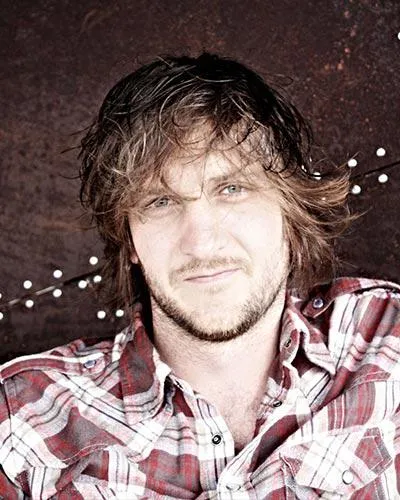
Avec
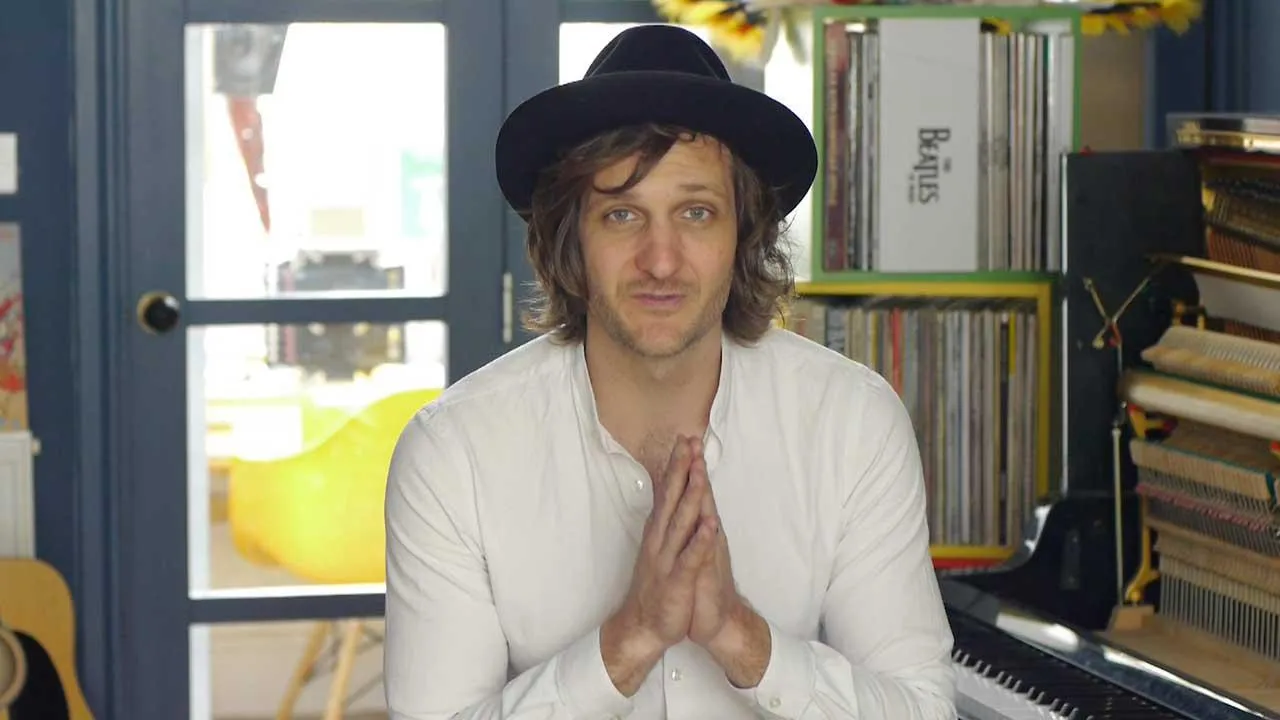
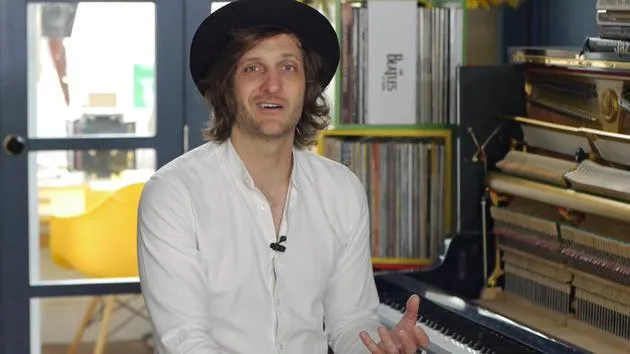
Paddy MilnerPaddy présente quelques-uns des rythmes qui sous-tendent la musique de La Nouvelle-Orléans, en expliquant leur origine et leur feel.
Le contenu du cours
40 leçons (2h 57min) · 1 gratuites
01. Vue d'ensemble et interprétation
2:26
02. La forme du morceau
1:56
03. Section A de la main gauche
7:01
04. Section B de la main gauche
5:06
05. Le langage de la main droite
5:05
06. Turnaround style Dr John
2:11
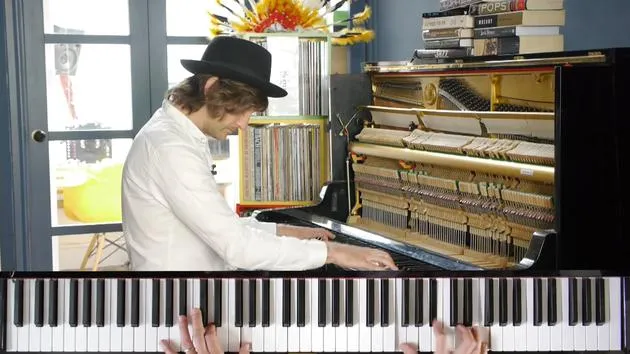
07. Approfondir le langage de la main droite
5:37
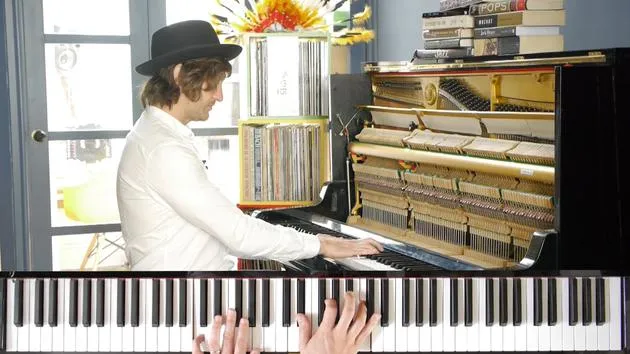
08. Turnaround influencé par Jelly Roll
1:43
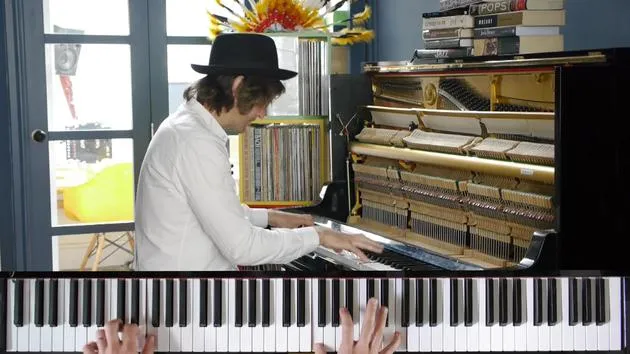
09. Riff ragtime
2:08
01. Aperçu
1:08
02. Interprétation
3:02
03. Forme et introduction - Octaves de Professor Longhair
4:45
04. Forme et feel
5:22
05. Main droite
2:30
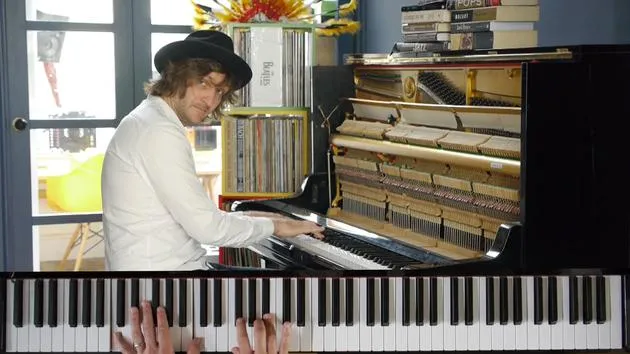
06. Idées de turnaround
2:59
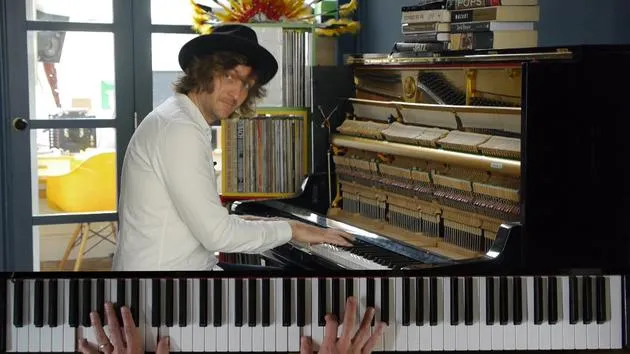
07. Idées pour la section de solo
4:16
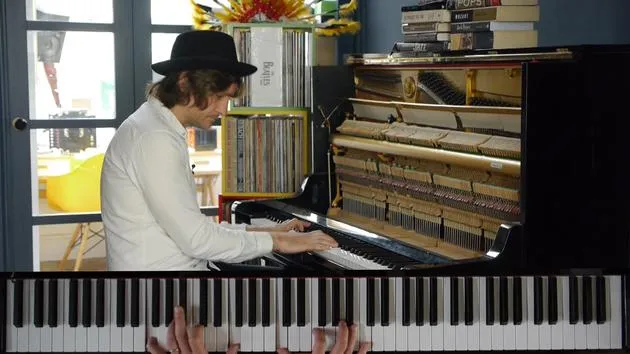
08. Maîtriser le groove
4:00
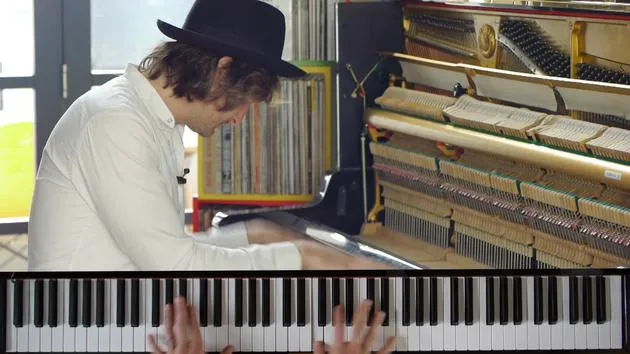
09. Le rendre plus funky
Leçon gratuite7:56
10. Vers un feel latin
1:42
11. Binaire contre swing et variations harmoniques
5:46
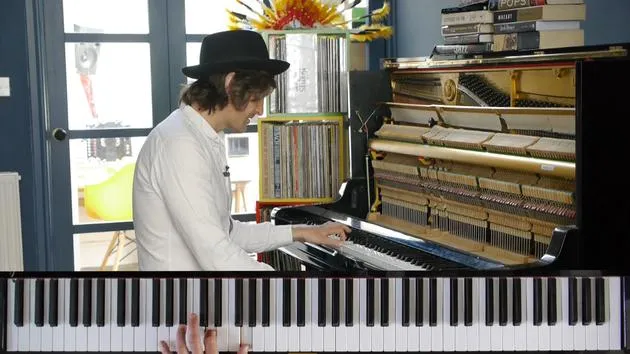
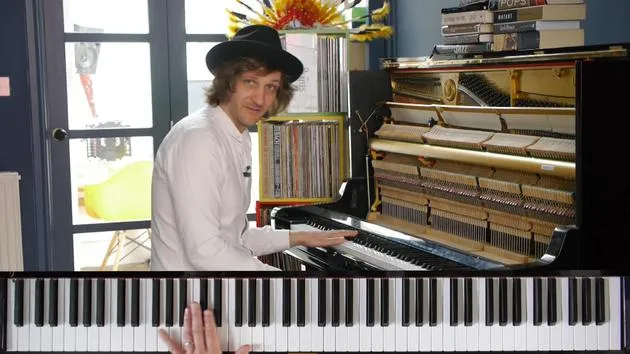
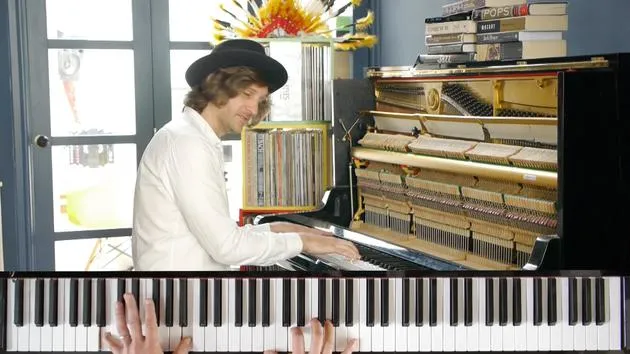
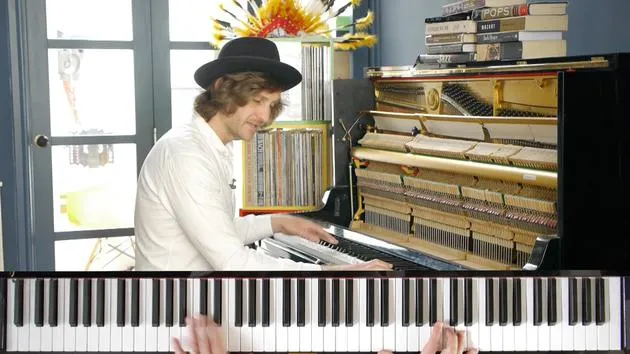
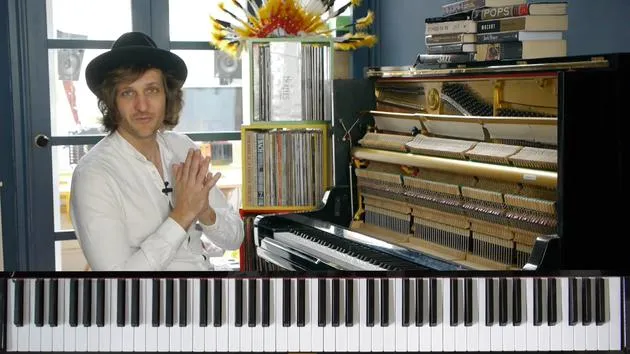
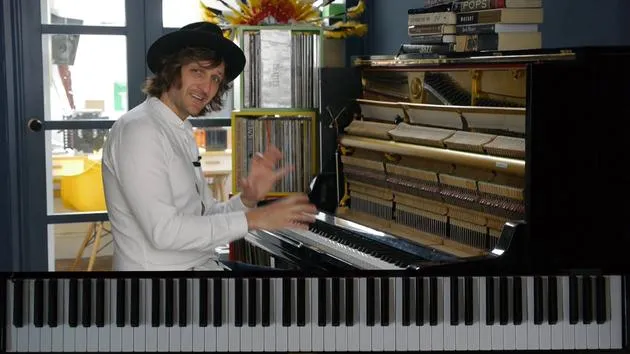
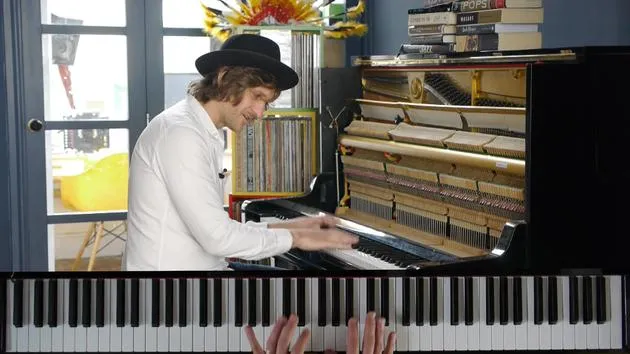
Transcription de la leçon
Understanding the Tango Rhythm
There was this kind of particular rhythm that was called tango at the time, which is kind of related to the modern tango you hear in Argentina, but not a direct link.
It had this kind of rhythm rather than a straight kind of pulse. The rhythm can be described as:
- Dunk, dung, dunk, dunk, dunk, dun, dun, dun, dun.
So you hear this kind of stress on the two and a continuation of dun, dun, dun, dun, dun. This rhythm proliferated throughout the Caribbean and certainly made its way to New Orleans. From that, a beautifully rich tapestry of rhythmic styles developed.
Rhythmic Variations
You've got:
- The straight-up tango rhythm.
- The very Cuban sound, the son montuno, which might sound something like this:
This style has that one, two count with:
- A stress on the two.
- An accent that also crosses the bar line, landing on beat four of the second bar with the bass.
New Orleans Influence
This accent on beat four of the second bar is extremely prevalent in New Orleans music. If you imagine a street beat going on, you hear this stress:
- One, two.
The stress on beat four of the second bar is very common in New Orleans music too.
Example: The Meters
If you look at the song "I Just Kissed My Baby" by The Meters, the riff is based on this very idea. It has a:
- Three, four meter with a very distinctive riff.
If you're not familiar with that tune, do check it out!
Characteristics of the Riff
-
It pushes beat four of the second bar.
-
There's also a downbeat as well, which adds:
-
One, two.
-
There is a strong accent on beat four, along with the downbeat.
This combination is definitely influenced by Afro-Cuban and Caribbean rhythms, showcasing how these styles interplay in music.
40 leçons
2h 57m de leçons vidéo structurées
Fonctions vidéo avancées
Ralentissez, bouclez un passage, suivez la partition
Mobile, tablette et ordinateur
Pratiquez où vous voulez
Satisfaction garantie à 100 %
Garantie remboursement 30 jours
Rencontrez votre guru
Rencontrez votre guru
Paddy Milner est reconnu comme l'un des meilleurs pianistes de blues au monde : il est actuellement le claviériste attitré de Sir Tom Jones, après plusieurs années aux côtés du grand et regretté Jack Bruce, mais c'est aussi un superbe auteur-compositeur original et un chanteur au timbre singulier. Il suffit de lire les éloges de personnalités comme Dave Brubeck ci-dessous ! Son jeu figure sur la bande originale du film à succès 'Rocketman' (2019).
Il a remporté à deux reprises le prix du Meilleur claviériste aux British Blues Awards et occupe de longue date une résidence en tant que membre fondateur du Ronnie Scott's Blues Explosion au club mondialement réputé Ronnie Scott's.
Son groupe actuel LONDONOLA joue une musique britannique maison teintée d'une bonne dose d'esprit de La Nouvelle-Orléans, et son projet collectif JAWBONE va de succès en succès depuis la sortie de son premier album éponyme.
- « J'adore... voilà un gars qui sait vraiment jouer du piano » - Dave Brubeck
- « Je le recommande vivement. D'une certaine manière, tout se met à aller beaucoup mieux ! » - Jack Bruce
- « Le meilleur pianiste de blues d'Europe... » - Blues Access, USA
- « Impressionnant et original » - The Times
- « Éblouissant » - The Independent
Au fil de ses cours, Paddy décortique l'authentique shuffle de blues, le slow blues, le boogie-woogie, le rock 'n' roll et le piano de La Nouvelle-Orléans - jusqu'à trois grands classiques du boogie-woogie - pour que vous appreniez ces styles auprès de l'un des tout meilleurs du métier.







