



Le langage de la main droite
Lesson time: (10min 17sec)
Paddy se concentre sur la main droite dans Junco Partner. Les riffs reposent souvent sur des quintes, une caractéristique peut-être d'origine cubaine.
Course preview
This lesson is part of the course Joue un piano New Orleans authentique
Watch a preview of the full course below.
Lesson transcript:
Right Hand Techniques in New Orleans Music
So let's look at some of the right hand techniques I'm using. This is something I rely on a lot for this tune. It's a very New Orleans sound, which I believe shares similarities with Cuban music.
Riff Based on the Fifth
This riff is based on the fifth. Here are a couple of variations:
- Start on the minor third.
- You could also go for an open interval, like this.
Notice the anticipations there:
Three, four...
A nice little touch at the end. Those slides, those little chromatic movements, are something Jelly Roll used to do frequently. This technique imitates the sound of a clarinet or a trombone making those kinds of slides.
You can hear this style throughout New Orleans music. For example, just think of the intro to Tipitina by Professor Longhair, that kind of sound. Jelly Roll himself could do things like this.
That kind of sound...
Junco Partner Lick
Back to Junco Partner, here's that nice little lick, setting the context.
Three, four...
Incidentally, I am adding some of those crush notes between the thumb and the D and E to give it a bit more weight.
Another Musical Idea
Next, let's explore another useful musical idea that sounds very New Orleans. This is based on an inversion. By inversion, I mean taking the top note and putting it on the bottom.
So, you can use it in context like this:
- When you get to the four, flatten the third.
- Try doing something like that, using both the five and flat five.
Include some percussive elements based on that chord, which has a minor third to really give it a crunch. This creates a clash with what's happening in the left hand.
Harmonic Language
This harmonic movement provides the bite and grit that separates it from Afro-Cuban or Caribbean styles. It draws heavily from gospel and spirituals.
Working with the Five
Now, this next idea creates a tension that resolves beautifully in a New Orleans style. This is essentially from that riff on the five chords, adding tension and highlighting a 2-5 turnaround.
- Instead of the typical harmony, it emphasizes this harmony, which functions like a 2-7 chord but includes a ninth, played over a five pedal.
Harmonica Ideas
Incorporate some harmonica ideas here as well.
Percussive Chords
Lastly, let's revisit some other techniques using the right hand. I mentioned these very percussive chords. Think of them as a cowbell part, a hallmark of Afro-Cuban culture.
You can hear high-pitched cowbell sounds often in Cuban music. This has translated into New Orleans playing, functioning almost like a clave part, which you can obviously hear in Cuban music a lot.
These ideas serve as rhythmic punctuation, enriching your overall sound.
About the instructor
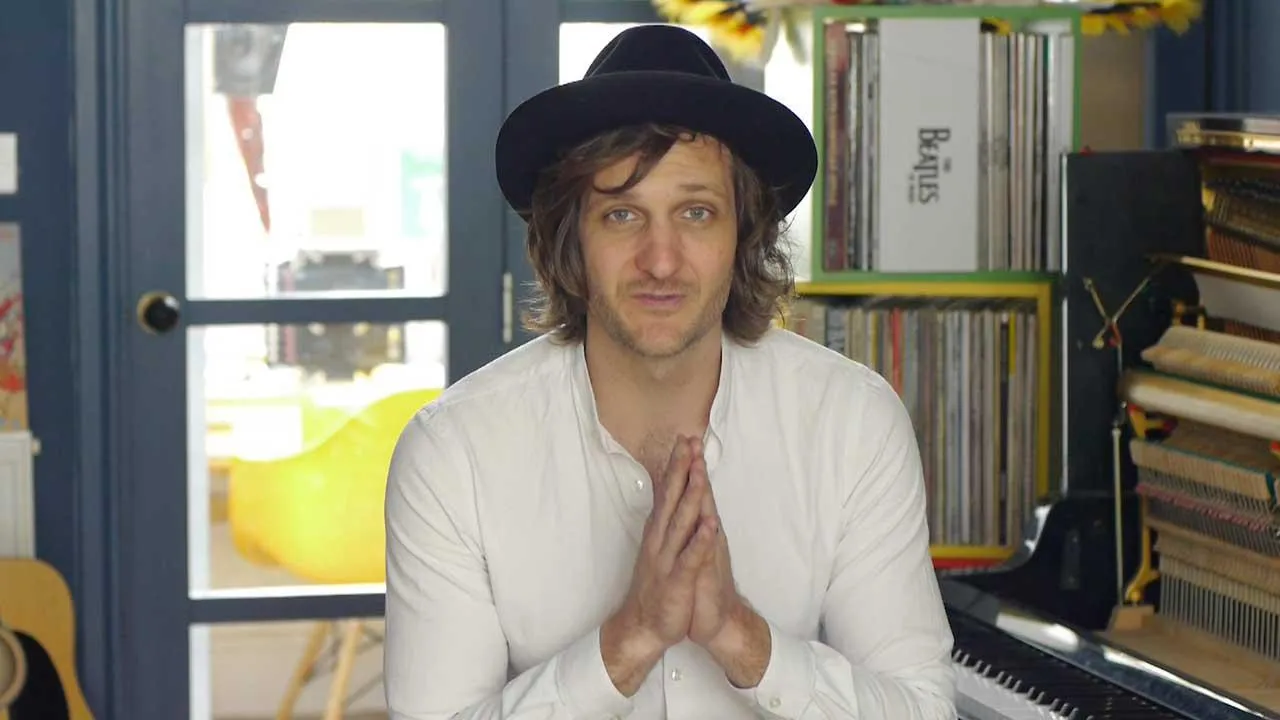
Paddy Milner est reconnu comme l'un des meilleurs pianistes de blues au monde : il est actuellement le claviériste attitré de Sir Tom Jones, après plusieurs années aux côtés du grand et regretté Jack Bruce, mais c'est aussi un superbe auteur-compositeur original et un chanteur au timbre singulier. Il suffit de lire les éloges de personnalités comme Dave Brubeck ci-dessous ! Son jeu figure sur la bande originale du film à succès 'Rocketman' (2019). Il a remporté à deux reprises le prix du Meilleur claviériste aux British Blues Awards et occupe de longue date une résidence en tant que membre fondateur du Ronnie Scott's Blues Explosion au club mondialement réputé Ronnie Scott's. Son groupe actuel LONDONOLA joue une musique britannique maison teintée d'une bonne dose d'esprit de La Nouvelle-Orléans, et son projet collectif JAWBONE va de succès en succès depuis la sortie de son premier album éponyme. « J'adore... voilà un gars qui sait vraiment jouer du piano » - Dave Brubeck « Je le recommande vivement. D'une certaine manière, tout se met à aller beaucoup mieux ! » - Jack Bruce « Le meilleur pianiste de blues d'Europe... » - Blues Access, USA « Impressionnant et original » - The Times « Éblouissant » - The Independent Au fil de ses cours, Paddy décortique l'authentique shuffle de blues, le slow blues, le boogie-woogie, le rock 'n' roll et le piano de La Nouvelle-Orléans - jusqu'à trois grands classiques du boogie-woogie - pour que vous appreniez ces styles auprès de l'un des tout meilleurs du métier. read more