



L'évolution du piano de La Nouvelle-Orléans
Lesson time: (6min 0sec)
Paddy propose un aperçu de la façon dont les 'pères fondateurs' du piano de La Nouvelle-Orléans, des musiciens comme Jelly Roll Morton et Professor Longhair, ont développé le style en absorbant les influences latines dans la tradition américaine du blues et du ragtime.
Course preview
This lesson is part of the course Joue un piano New Orleans authentique
Watch a preview of the full course below.
Lesson transcript:
Exploring New Orleans Piano: The Influence of Jelly Roll Morton
So if you look at Jelly Roll Morton, who was one of the first musicians to really develop the New Orleans style of piano playing, we can hear these kind of anticipations of the bar happening all the time. This is definitely an influence of Afro-Hispanic music.
Anticipations in Jelly Roll Morton's Music
We get something like this, which he does at the end of "King Port Ostomp."
- In the left hand, he's really anticipating these beats:
- Not necessarily just the bar line, but other beats too.
So, let's slow it down a bit. This kind of anticipation is very much a step on from the ragtime of Scott Joplin, who was definitely paving the way in this direction. Joplin was ragging those melodies by adding syncopations, something they were doing in New Orleans as well.
-
Whereas Scott Joplin might do something like this (kind of straight), it feels like a left-right sequence:
"left, right, left, right, um, cha umcha." -
Jelly Roll would do something different in the left hand. For example:
"etc."
He's adding these anticipations which keep the music edgy and moving forward, which I find incredibly exciting.
Professor Longhair's Influence
We can see similar elements in the works of Professor Longhair. For example, in "Tipitina," he's really got this accented, pushing feel in the left hand:
1, 2, 3, 4.
- It has a strong sense of anticipation into the one, which is something that runs through much of the New Orleans musical output.
A lot of Professor Longhair's stuff is based on the rumba rhythm:
1, 2 (which has that very strong 2 and T).
You might get something like this, which is very strongly rooted in that kind of Caribbean spirit.
Similarities with Cuban Music
There are many things you can do with this rhythm that Professor Longhair uses.
- Looking at New Orleans piano, we identify all these similarities with Cuban music:
- Rhythmically
- Voicings
There's a common usage of voicings based on octaves and fifths in both musical traditions.
Dr. John's Gumbo
Another example of similarities between Cuban music and New Orleans piano can be found in Dr. John's Gumbo album.
- Listen to his version of "Junko Partner."
- There's a little break, a sax break after the first few verses, and behind it, Dr. John is playing these octave patterns that would sound perfectly at home on a Cuban record:
- These kinds of sounds and rhythms.
Conclusion
So, we see these similarities popping up all over the world of New Orleans piano.
Having briefly looked at this melting pot of New Orleans, particularly the marriage of African, European, and Hispanic culture, I think we can move on and look at some tunes to get you playing New Orleans piano!
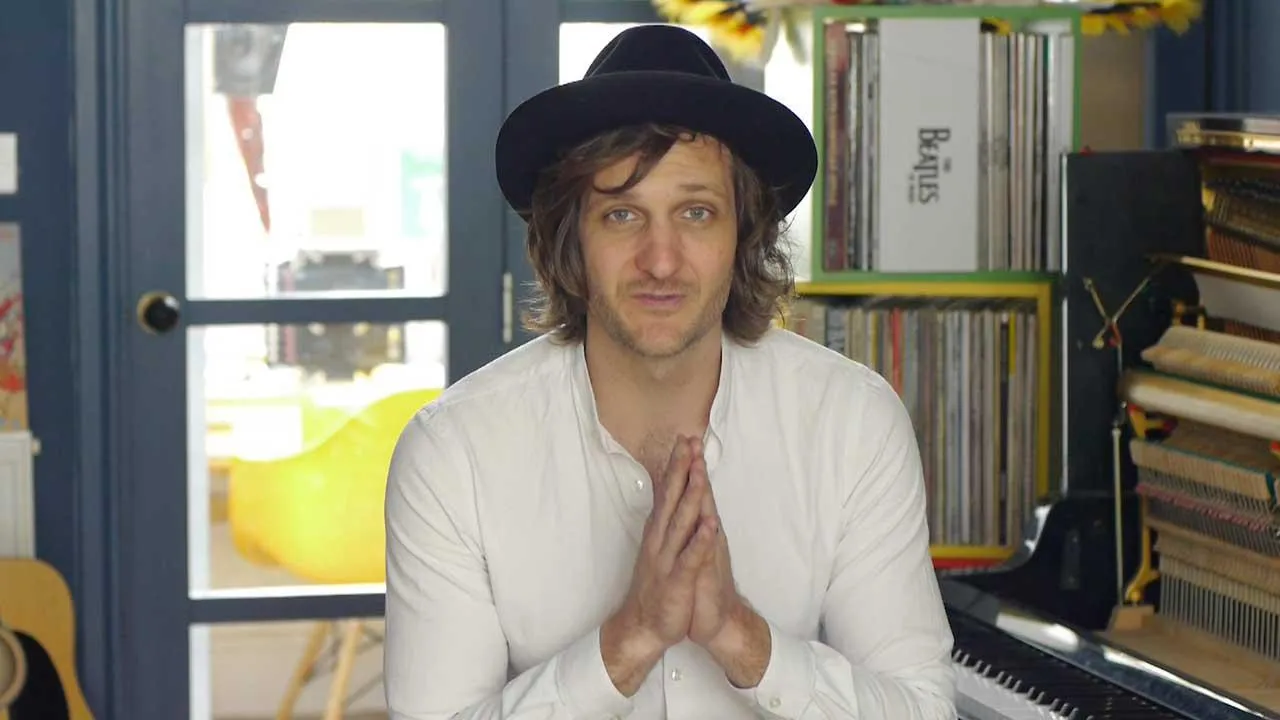
About the instructor
Paddy Milner est reconnu comme l'un des meilleurs pianistes de blues au monde : il est actuellement le claviériste attitré de Sir Tom Jones, après plusieurs années aux côtés du grand et regretté Jack Bruce, mais c'est aussi un superbe auteur-compositeur original et un chanteur au timbre singulier. Il suffit de lire les éloges de personnalités comme Dave Brubeck ci-dessous ! Son jeu figure sur la bande originale du film à succès 'Rocketman' (2019). Il a remporté à deux reprises le prix du Meilleur claviériste aux British Blues Awards et occupe de longue date une résidence en tant que membre fondateur du Ronnie Scott's Blues Explosion au club mondialement réputé Ronnie Scott's. Son groupe actuel LONDONOLA joue une musique britannique maison teintée d'une bonne dose d'esprit de La Nouvelle-Orléans, et son projet collectif JAWBONE va de succès en succès depuis la sortie de son premier album éponyme. « J'adore... voilà un gars qui sait vraiment jouer du piano » - Dave Brubeck « Je le recommande vivement. D'une certaine manière, tout se met à aller beaucoup mieux ! » - Jack Bruce « Le meilleur pianiste de blues d'Europe... » - Blues Access, USA « Impressionnant et original » - The Times « Éblouissant » - The Independent Au fil de ses cours, Paddy décortique l'authentique shuffle de blues, le slow blues, le boogie-woogie, le rock 'n' roll et le piano de La Nouvelle-Orléans - jusqu'à trois grands classiques du boogie-woogie - pour que vous appreniez ces styles auprès de l'un des tout meilleurs du métier. read more