



Fin de Junco Partner
Lesson time: (10min 14sec)
La fin prolonge la forme, avec une descente qui se termine sur le relatif mineur Em, sur une ligne de basse en dixièmes.
Course preview
This lesson is part of the course Joue un piano New Orleans authentique
Watch a preview of the full course below.
Lesson transcript:
Lesson Recap: Exploring Extended Endings
In this lesson, we explored how to creatively end a piece of music rather than using a straightforward conclusion. Here's a breakdown of the concepts we discussed:
Ending the Demonstration
I decided to end with a few different chords instead of a classic straight ending. I opted to transition into the relative minor, E minor, as it's the relative minor of G, which is our key.
Chord Progression Exploration
Here's the progression we used:
- C# half diminished
- C minor
- G or B minor 7
- Bb diminished
- A7
- D7
- B7 over D#
- E minor
Left Hand Technique
In the left hand, I was focusing on:
- Playing it in tenths (or possibly not using tenths initially).
- Adding the seventh where suitable.
- Keeping those anticipations going through to A minor.
Right Hand Technique
For the right hand:
- I frequently used the note G, a common tone across the chords.
- This forms part of the 2-5-1 progression that is prevalent in jazz.
Example of 2-5-1 Progression
We examined the following:
- From E minor: D minor to G7
- Keeping the root on D, changing the middle note from A to B, with the A# incorporated.
- Transitioning back to G via F offers a nice sound:
- G → E7 → D7
Incorporating the sliding down technique from the major seventh to the dominant seventh adds texture.
Rhythmic Variations
At the end of the tune, we discussed a rhythm commonly used by artists like James Booker. This includes the well-known Woody Woodpecker quote to finish the piece.
Inspiration from Dr. John
It's worth noting that:
- Extended endings, while not exclusively a New Orleans practice, are beautifully executed by musicians like Dr. John.
- Great examples can be heard in his version of Cold Shot and Such a Night.
Key Takeaways
- Explore: Feel free to experiment with different keys and chord sequences.
- Funky Flow: Remember, this music is about groove; it has to be flowing and funky.
New Orleans music is rich in funk, and as the saying goes: "It don't mean a thing if it ain't got that swing."
This recap encapsulates the core of our lesson while ensuring it's clear and engaging for online readers.
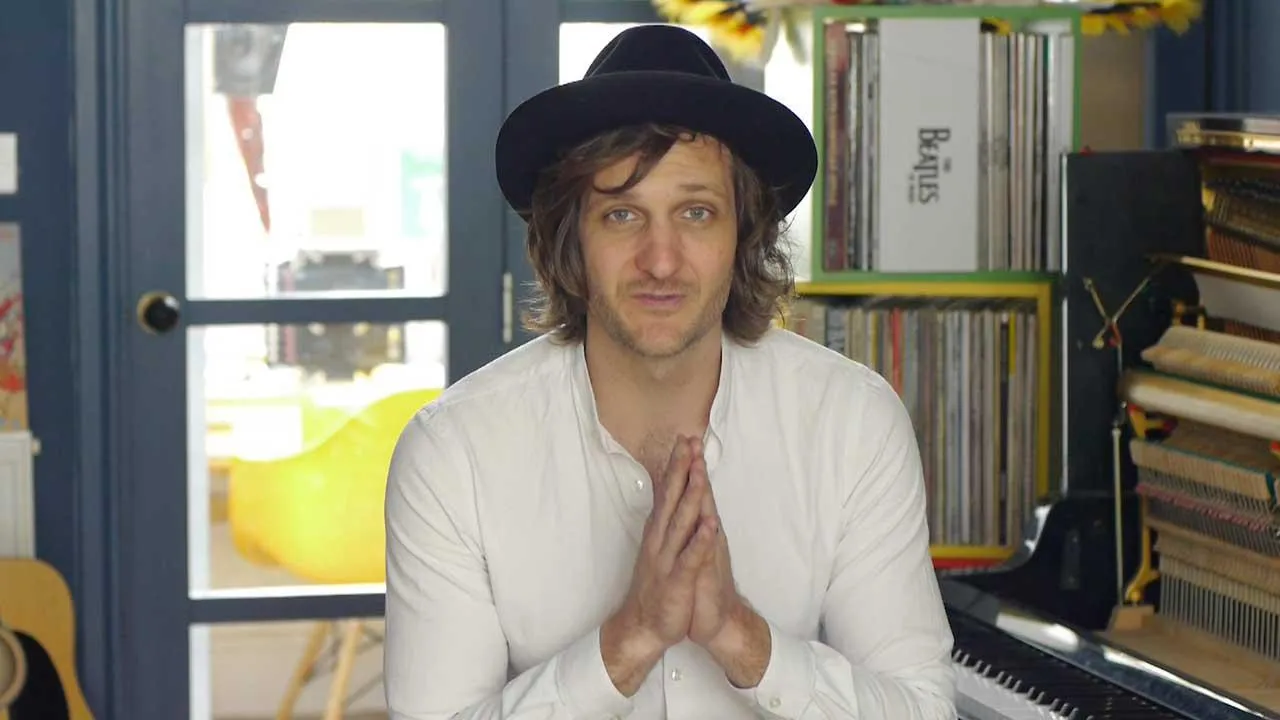
About the instructor
Paddy Milner est reconnu comme l'un des meilleurs pianistes de blues au monde : il est actuellement le claviériste attitré de Sir Tom Jones, après plusieurs années aux côtés du grand et regretté Jack Bruce, mais c'est aussi un superbe auteur-compositeur original et un chanteur au timbre singulier. Il suffit de lire les éloges de personnalités comme Dave Brubeck ci-dessous ! Son jeu figure sur la bande originale du film à succès 'Rocketman' (2019). Il a remporté à deux reprises le prix du Meilleur claviériste aux British Blues Awards et occupe de longue date une résidence en tant que membre fondateur du Ronnie Scott's Blues Explosion au club mondialement réputé Ronnie Scott's. Son groupe actuel LONDONOLA joue une musique britannique maison teintée d'une bonne dose d'esprit de La Nouvelle-Orléans, et son projet collectif JAWBONE va de succès en succès depuis la sortie de son premier album éponyme. « J'adore... voilà un gars qui sait vraiment jouer du piano » - Dave Brubeck « Je le recommande vivement. D'une certaine manière, tout se met à aller beaucoup mieux ! » - Jack Bruce « Le meilleur pianiste de blues d'Europe... » - Blues Access, USA « Impressionnant et original » - The Times « Éblouissant » - The Independent Au fil de ses cours, Paddy décortique l'authentique shuffle de blues, le slow blues, le boogie-woogie, le rock 'n' roll et le piano de La Nouvelle-Orléans - jusqu'à trois grands classiques du boogie-woogie - pour que vous appreniez ces styles auprès de l'un des tout meilleurs du métier. read more