



Histoire de La Nouvelle-Orléans
Avec
Paddy MilnerPaddy parle de l'histoire de La Nouvelle-Orléans, notamment de la façon dont son creuset de cultures africaine, caribéenne, hispanique, européenne et amérindienne nourrit la musique de la ville.
Le contenu du cours
40 leçons (2h 57min) · 1 gratuites
01. Vue d'ensemble et interprétation
2:26
02. La forme du morceau
1:56
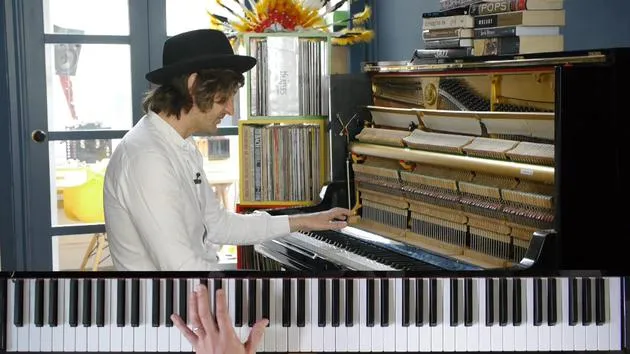
03. Section A de la main gauche
7:01
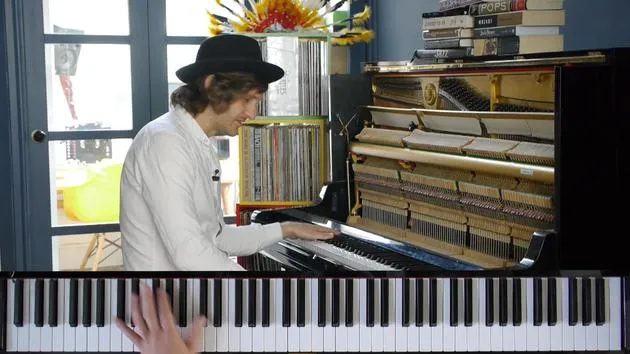
04. Section B de la main gauche
5:06
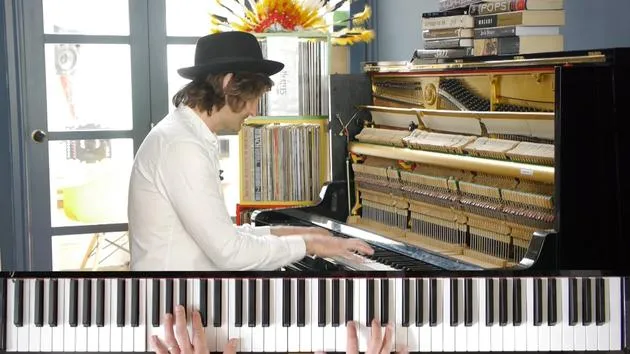
05. Le langage de la main droite
5:05
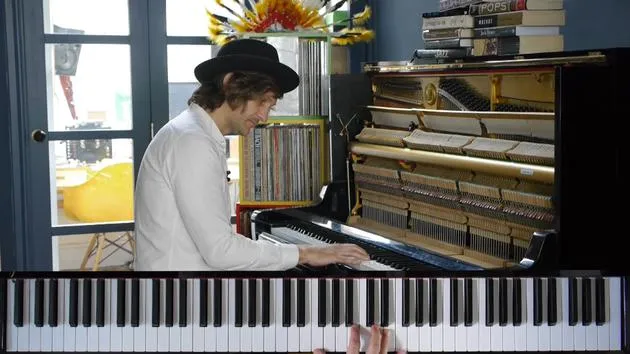
06. Turnaround style Dr John
2:11
07. Approfondir le langage de la main droite
5:37
08. Turnaround influencé par Jelly Roll
1:43
09. Riff ragtime
2:08
01. Aperçu
1:08
02. Interprétation
3:02
03. Forme et introduction - Octaves de Professor Longhair
4:45
04. Forme et feel
5:22
05. Main droite
2:30
06. Idées de turnaround
2:59
07. Idées pour la section de solo
4:16
08. Maîtriser le groove
4:00
09. Le rendre plus funky
Leçon gratuite7:56
10. Vers un feel latin
1:42
11. Binaire contre swing et variations harmoniques
5:46
Transcription de la leçon
New Orleans: A Melting Pot of Cultures
Introduction
New Orleans, what an exciting place! Known as Crescent City, NOLA is a city rich in heritage and an interesting past. It boasts a total mix of people and cultures, all of which have informed and developed the music that has emerged from this beautiful city.
Heritage and Influences
Before we delve into particular styles and notable musicians like Dr. John, James Booker, Professor Longhair, and Jelly Roll Morton, it's important to reflect on the influences that shaped these artists.
I won't provide an in-depth history lesson, there are many who know far more about that. However, I believe understanding some of this history is crucial.
New Orleans represents a rich tapestry of cultures:
- British Influence: The city was under British rule.
- Spanish Rule: The Spanish brought different cultural dynamics to the area.
- French Heritage: A significant Francophone presence has also shaped the city.
- African Culture: The horrific slave trade brought a massive influx of African culture.
- Native American Influence: Indigenous cultures have also played a role.
This mix created a unique environment. European instruments, such as trumpets, brass instruments, pianos, and guitars, intersected with African percussion, which is a direct antecedent to the brass bands you see marching down the streets. Horns and percussion are foundational to New Orleans music.
The Hispanic Period
There is a particular period significant to the development of New Orleans music, the Hispanic period during the 18th century. The Spanish had a slightly different approach to managing their colony. Slaves were given relatively more freedom compared to the restrictions under British rule. For example, they were permitted to:
- Practice their own culture
- Meet and congregate
- Perform music together
This cultural exchange continued throughout New Orleans' history, although freedoms were later taken away from slaves after the Spanish left.
For several decades in the 18th century, there was significant trade between Havana, Cuba, and New Orleans. This was particularly true when the Spanish were expanding their territory and fighting against the British colonies in America. Many slaves were conscripted to fight for the Spanish, leading to a big influx of enslaved people from Cuba into New Orleans.
With them came a rich cultural heritage, not only African music but also Afro-Cuban and Afro-Caribbean styles. Given all these influences from the Caribbean, it's easy to see why New Orleans is called the northernmost Caribbean town.
40 leçons
2h 57m de leçons vidéo structurées
Fonctions vidéo avancées
Ralentissez, bouclez un passage, suivez la partition
Mobile, tablette et ordinateur
Pratiquez où vous voulez
Satisfaction garantie à 100 %
Garantie remboursement 30 jours
Rencontrez votre guru
Rencontrez votre guru
Paddy Milner est reconnu comme l'un des meilleurs pianistes de blues au monde : il est actuellement le claviériste attitré de Sir Tom Jones, après plusieurs années aux côtés du grand et regretté Jack Bruce, mais c'est aussi un superbe auteur-compositeur original et un chanteur au timbre singulier. Il suffit de lire les éloges de personnalités comme Dave Brubeck ci-dessous ! Son jeu figure sur la bande originale du film à succès 'Rocketman' (2019).
Il a remporté à deux reprises le prix du Meilleur claviériste aux British Blues Awards et occupe de longue date une résidence en tant que membre fondateur du Ronnie Scott's Blues Explosion au club mondialement réputé Ronnie Scott's.
Son groupe actuel LONDONOLA joue une musique britannique maison teintée d'une bonne dose d'esprit de La Nouvelle-Orléans, et son projet collectif JAWBONE va de succès en succès depuis la sortie de son premier album éponyme.
- « J'adore... voilà un gars qui sait vraiment jouer du piano » - Dave Brubeck
- « Je le recommande vivement. D'une certaine manière, tout se met à aller beaucoup mieux ! » - Jack Bruce
- « Le meilleur pianiste de blues d'Europe... » - Blues Access, USA
- « Impressionnant et original » - The Times
- « Éblouissant » - The Independent
Au fil de ses cours, Paddy décortique l'authentique shuffle de blues, le slow blues, le boogie-woogie, le rock 'n' roll et le piano de La Nouvelle-Orléans - jusqu'à trois grands classiques du boogie-woogie - pour que vous appreniez ces styles auprès de l'un des tout meilleurs du métier.







