



Main gauche
Lesson time: (11min 46sec)
La main gauche de Junco Partner repose sur une base typique de fondamentale et quinte, qui rappelle une ligne de soubassophone dans une fanfare. Paddy explique comment des pianistes comme Jelly Roll Morton et James Booker l'animaient avec des anticipations issues d'influences caribéennes. La main gauche finit par tenir lieu de toute la section rythmique d'une fanfare, avec le soubassophone associé à la grosse caisse et à la caisse claire.
Course preview
This lesson is part of the course Joue un piano New Orleans authentique
Watch a preview of the full course below.
Lesson transcript:
Exploring the Left Hand Techniques
Let's start by looking at the left hand. What was I doing there? Essentially, I was outlining what is a kind of standard New Orleans thing to do:
- The root and fifth, maybe with some accents.
- We're talking about Caribbean influences and those anticipations.
This technique serves as a traditional kind of bass line that you might imagine a sousaphone playing in a marching band.
James Booker Influence
What I've done there, which is kind of based on a James Booker left hand, is:
- Filled that out with a left hand that functions almost like a combination of:
- Bass drum
- Kick drum
- Snare drum
The pattern resembles:
- Bass drum, snare drum, bass drum, snare drum.
Along with that, I've included a little left-hand line. So it could sound like this:
"Anticipations, which for me, directly come from the Jelly Roll Morton left hand patterns."
You can hear throughout Booker's music a significant Jelly Roll influence.
Chord Progressions
Moving up to the IV chord, the same pattern with the leading note remains:
- Back up to the G stays on G.
- Leading up to that D: 3, 4, 1, 2, 3, 4.
Again, we have those broken octaves anticipating the beats, which is very much a Jelly Roll technique:
- "3, 4, 1, 2."
The same thing applies to the V chord:
- This creates a heavy left hand with three things happening at once:
- Bass drum pattern
- Snare drum
- A little sousaphone part, a bass line.
Complex Bass Lines
Another technique used by Booker in Junko Partner involves a similar concept with a slightly different bass line:
- The bass line is quite complex here.
Practice Tips
When you're practicing, start slowly:
- Get it to a point where you're comfortable, even at a very slow tempo.
- Work out note by note what that is, then gradually increase the tempo until you reach full speed.
- Practice on the different chords.
Chord Transitions
There are ways to transition from Chord I to Chord IV:
- You could approach it with a leading line, something like this: 3, 4.
The bass line is doing something similar while maintaining that pattern.
- When returning to Chord I, consider doing something creative:
- Instead of going straight to Chord V, you can use a second inversion in the bass.
This makes the left hand interesting:
- It combines harmonic and rhythmic elements, driving the piece forward.
Jelly Roll Morton's Influence
This style resonates with what Jelly Roll Morton said about his piano playing. He wanted it to sound like a whole band, fulfilling the roles of the rhythm section by:
- Playing both bass lines and rhythmic parts.
- Adding little lines that could represent other instruments, like a trombone.
In the right hand, you'll have different elements:
- Imagine polyphonic lines, like a clarinet and a trumpet, playing together.
Summary of Left Hand Techniques
Throughout all of Morton's work, there's a complexity in the left hand. In Booker's style, you'll notice:
- Anticipatory runs leading up to different chords.
- Those unique accented runs which are a hallmark of New Orleans music.
"3, 4, 1" again emphasizes those anticipations in the left hand.
Additionally, pay attention to the rolls in the left hand that mimic a snare drum roll, something distinctly characteristic of New Orleans music.
This left-hand technique is valuable! If you can stretch to play those tones, it can sound quite nice.
Next, let's look at some other things I was doing with the right hand.
About the instructor
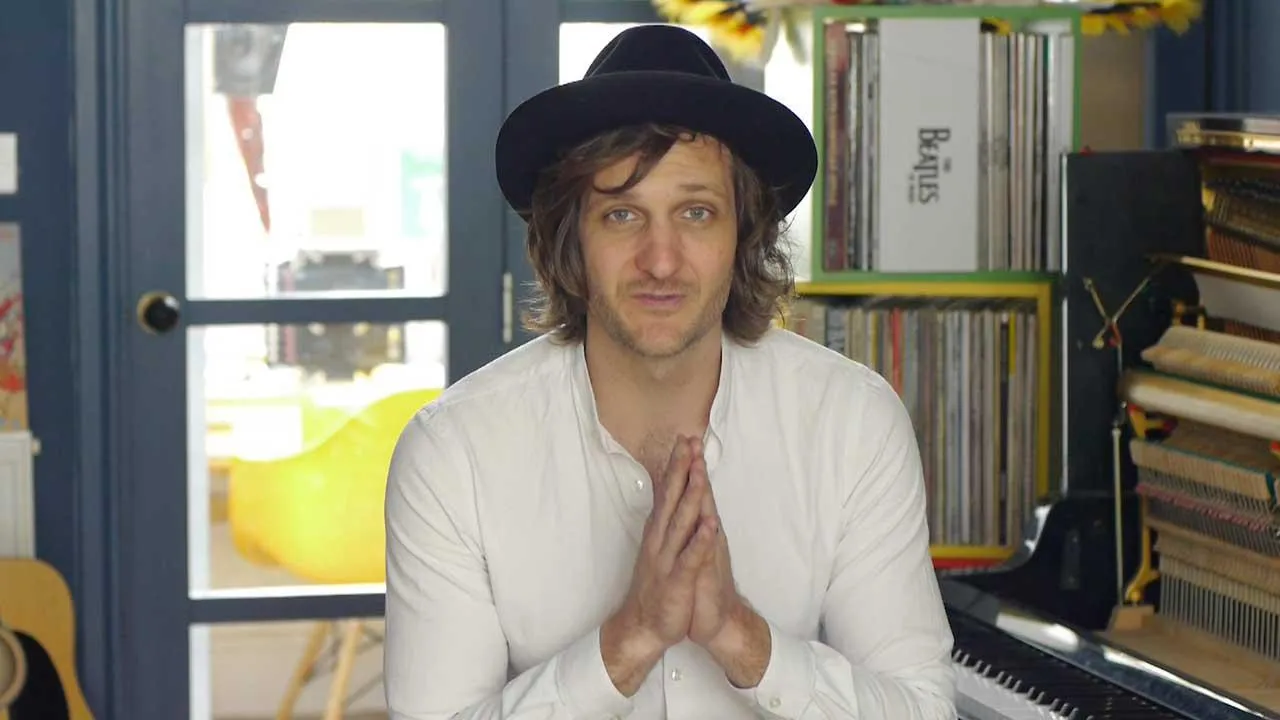
Paddy Milner est reconnu comme l'un des meilleurs pianistes de blues au monde : il est actuellement le claviériste attitré de Sir Tom Jones, après plusieurs années aux côtés du grand et regretté Jack Bruce, mais c'est aussi un superbe auteur-compositeur original et un chanteur au timbre singulier. Il suffit de lire les éloges de personnalités comme Dave Brubeck ci-dessous ! Son jeu figure sur la bande originale du film à succès 'Rocketman' (2019). Il a remporté à deux reprises le prix du Meilleur claviériste aux British Blues Awards et occupe de longue date une résidence en tant que membre fondateur du Ronnie Scott's Blues Explosion au club mondialement réputé Ronnie Scott's. Son groupe actuel LONDONOLA joue une musique britannique maison teintée d'une bonne dose d'esprit de La Nouvelle-Orléans, et son projet collectif JAWBONE va de succès en succès depuis la sortie de son premier album éponyme. « J'adore... voilà un gars qui sait vraiment jouer du piano » - Dave Brubeck « Je le recommande vivement. D'une certaine manière, tout se met à aller beaucoup mieux ! » - Jack Bruce « Le meilleur pianiste de blues d'Europe... » - Blues Access, USA « Impressionnant et original » - The Times « Éblouissant » - The Independent Au fil de ses cours, Paddy décortique l'authentique shuffle de blues, le slow blues, le boogie-woogie, le rock 'n' roll et le piano de La Nouvelle-Orléans - jusqu'à trois grands classiques du boogie-woogie - pour que vous appreniez ces styles auprès de l'un des tout meilleurs du métier. read more