



Le rendre plus funky
Avec
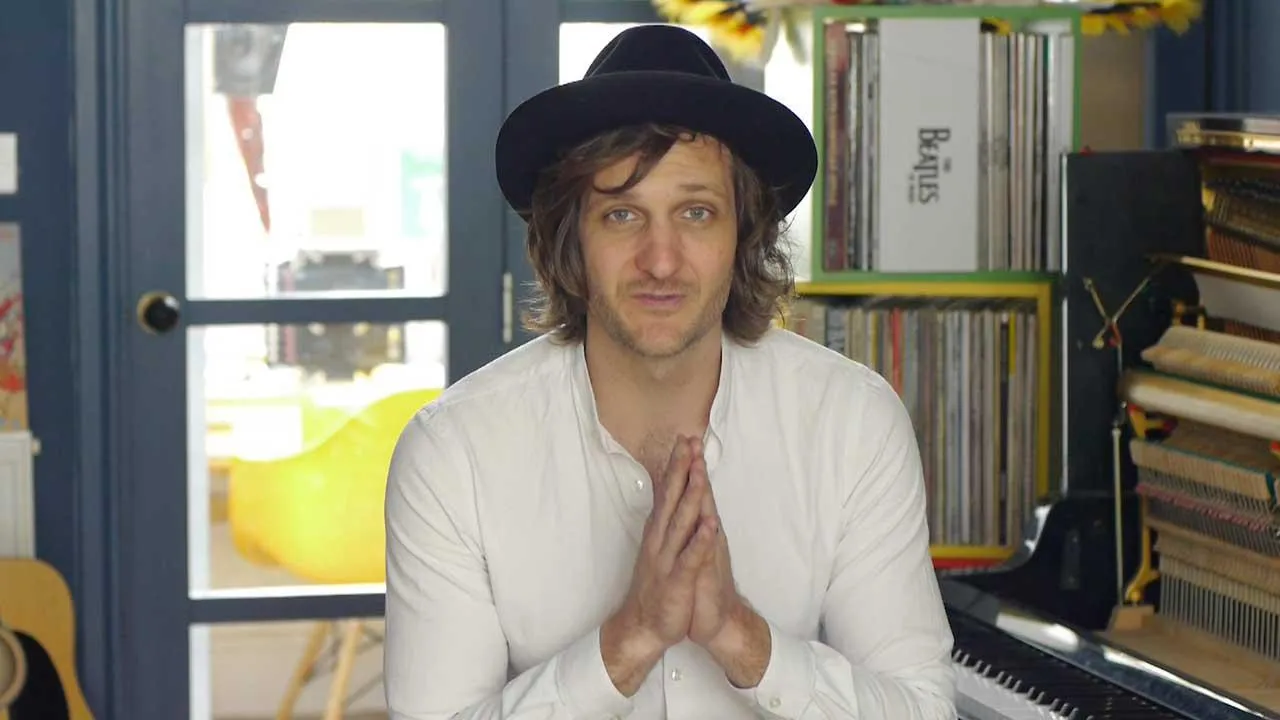
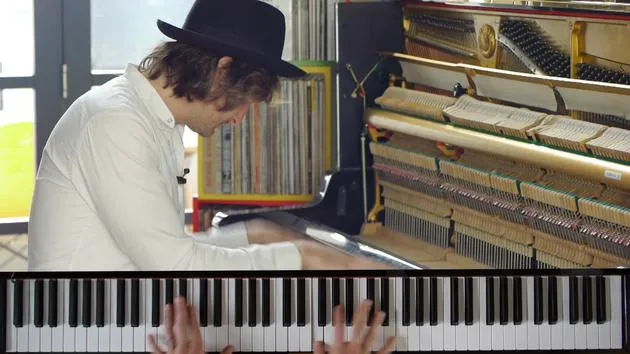
Paddy MilnerPaddy Milner rend le groove plus funky avec une articulation plus mordante, plus d’espace dans la basse et des inflexions mineures et bluesy dans l’harmonie.
Le contenu du cours
40 leçons (2h 57min) · 1 gratuites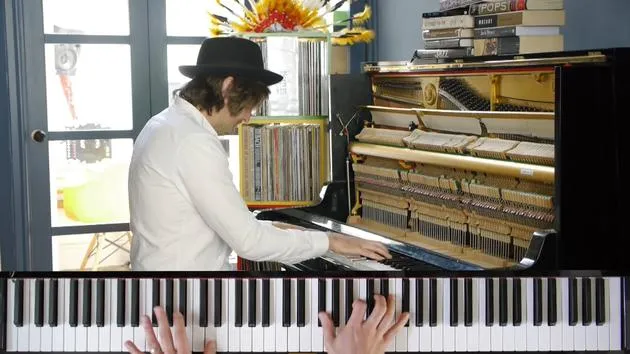
01. Vue d'ensemble et interprétation
2:26
02. La forme du morceau
1:56
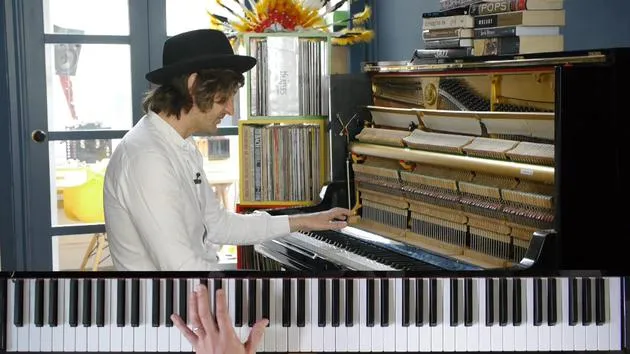
03. Section A de la main gauche
7:01
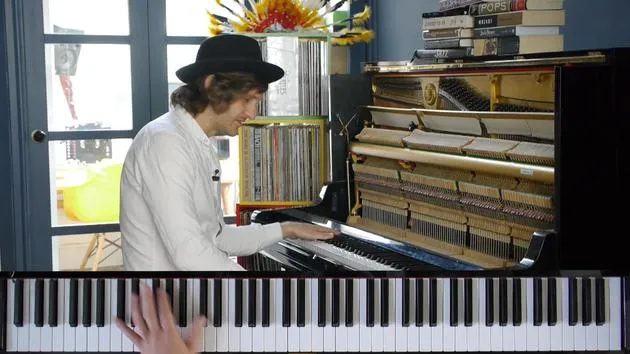
04. Section B de la main gauche
5:06
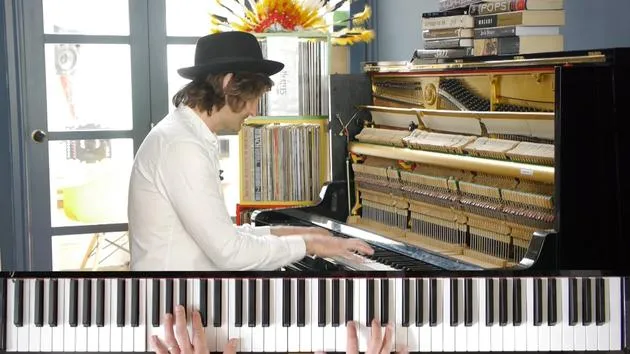
05. Le langage de la main droite
5:05
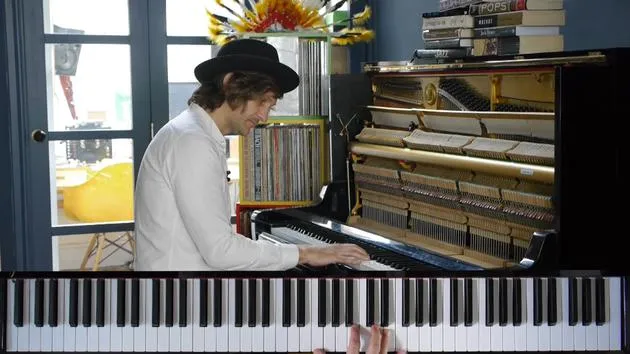
06. Turnaround style Dr John
2:11
07. Approfondir le langage de la main droite
5:37
08. Turnaround influencé par Jelly Roll
1:43
09. Riff ragtime
2:08
01. Aperçu
1:08
02. Interprétation
3:02
03. Forme et introduction - Octaves de Professor Longhair
4:45
04. Forme et feel
5:22
05. Main droite
2:30
06. Idées de turnaround
2:59
07. Idées pour la section de solo
4:16
08. Maîtriser le groove
4:00
09. Le rendre plus funky
Tu es ici7:56
10. Vers un feel latin
1:42
11. Binaire contre swing et variations harmoniques
5:46
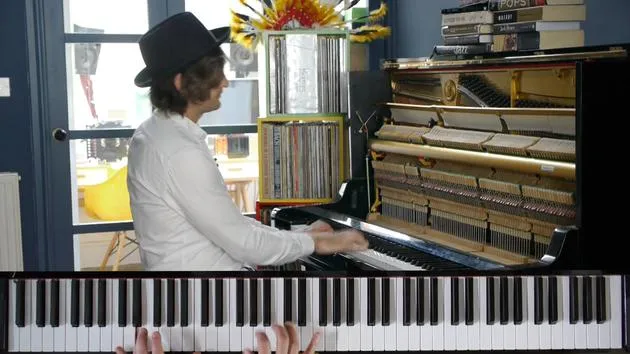
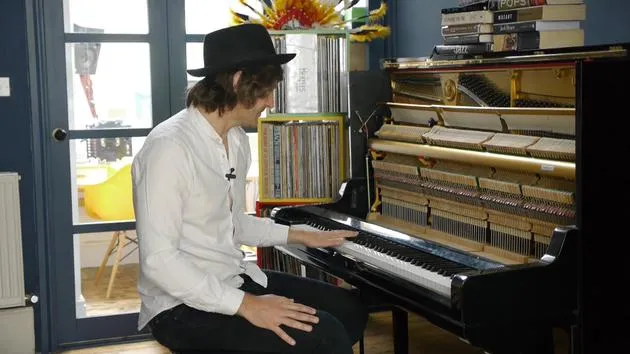
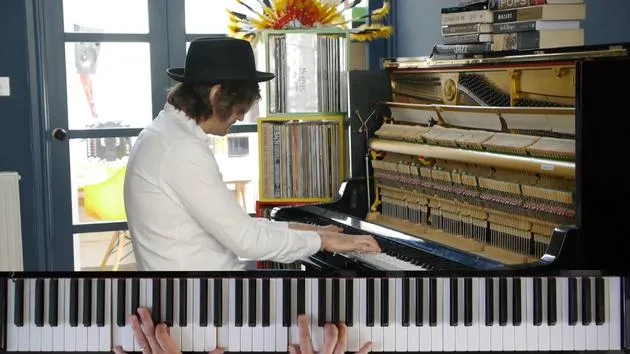
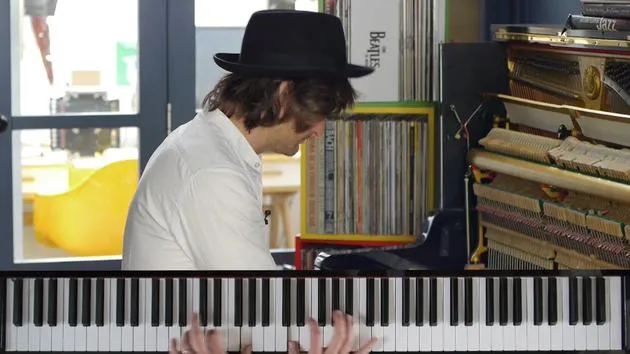
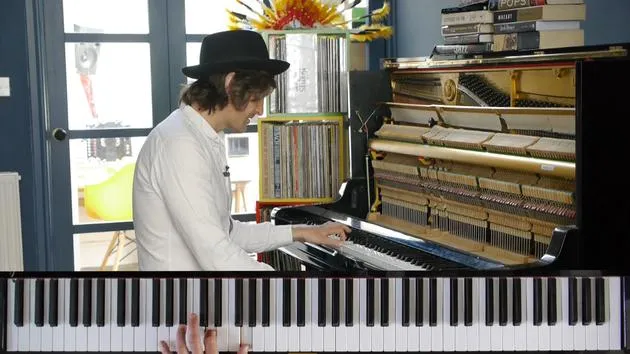
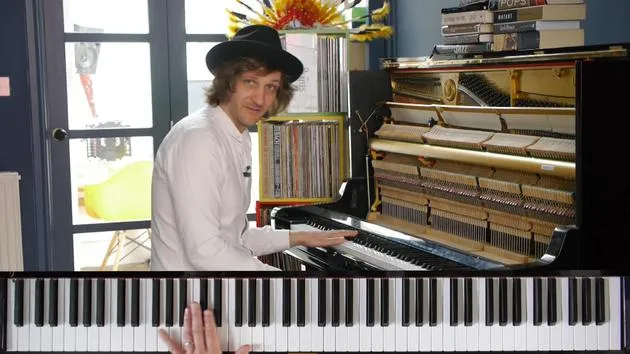
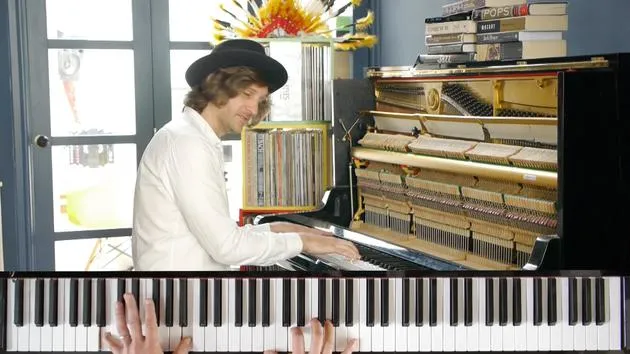
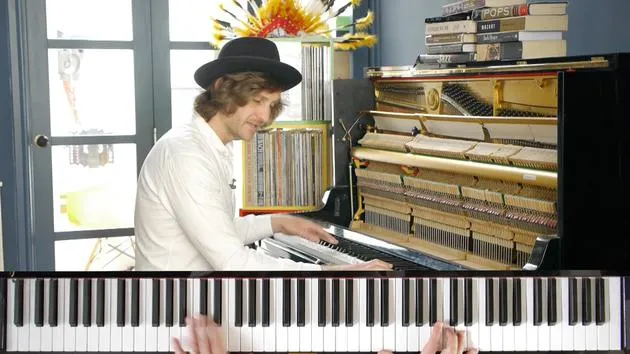
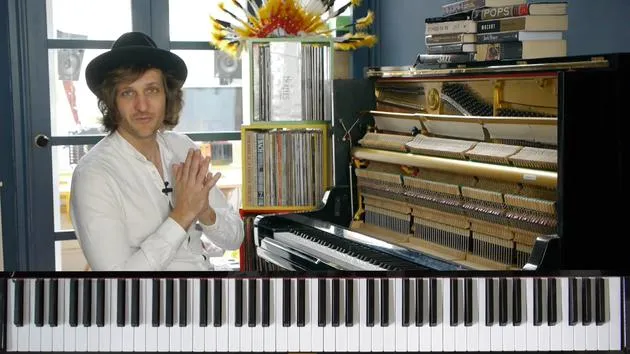
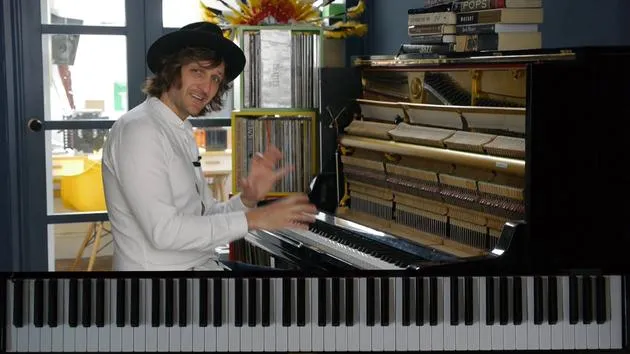
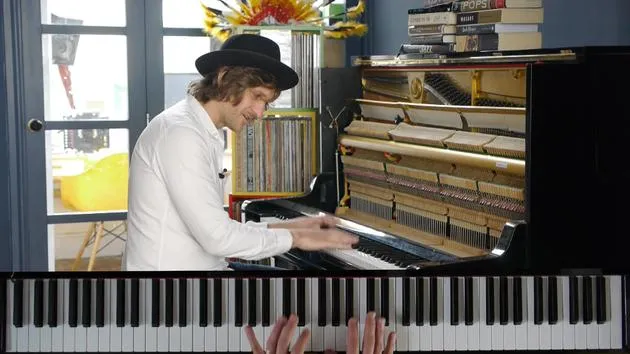
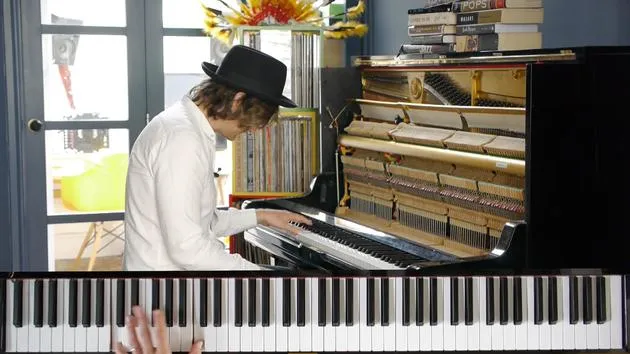
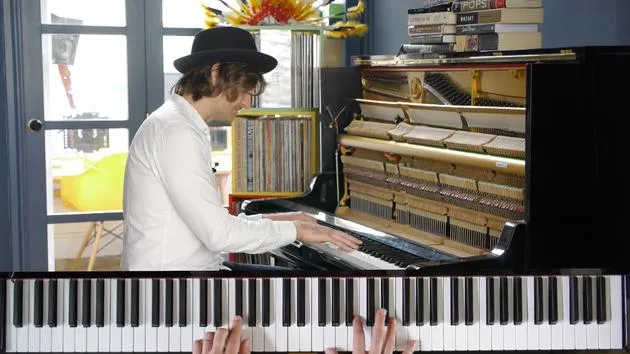
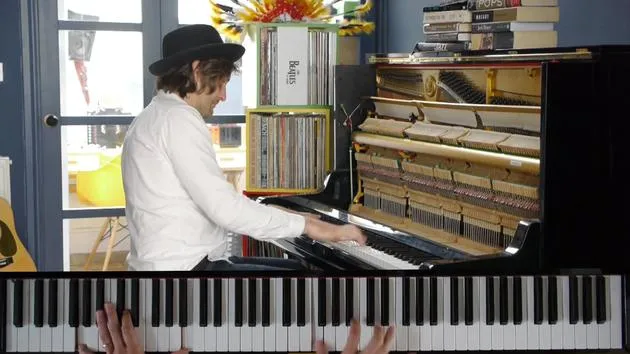
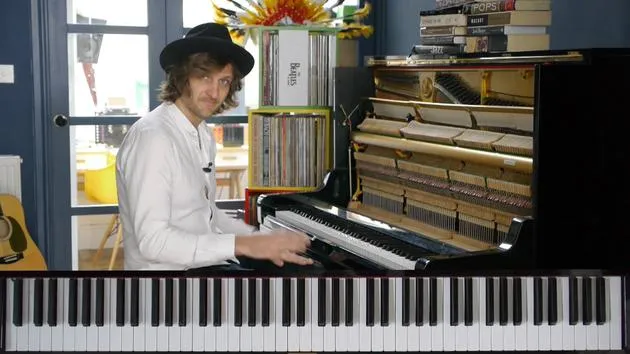
Transcription de la leçon
Funky Rhythms and Feel in Music
So, get to grips with that feel.
Once you're feeling a bit more happy with it, we can look at ways of making it a bit more funky.
- We can play it with a bit more spikiness, if you like.
- A bit more attitude.
Instead of those long notes in the left hand, we can play kind of short notes.
This may sound a bit funny, but if you change the harmony up a little, and rather than doing all this very major sounding stuff, you can add some juicy, gospel-y, bluesy harmony to it.
Minor Inflections
By introducing some minor inflections, suddenly it takes on a different side. It sounds a lot more like New Orleans funk, you know.
All I'm doing here is changing the way I'm playing it. The rhythms are essentially the same. Forgive me if I throw in some other stuff, but the groundwork is the same.
You can hear that by changing the voicings and perhaps changing the attitude with which you're playing, while still keeping that fundamental funky rumba feel underneath, it can take it in a whole new direction.
Practicing the Feel
A good way of practicing this is by tapping the rhythm.
Let's look at this feel:
- 3 and 4.
You can hear there it's just one on the left, then two on the right, and then one on its own at the end, a big fat one. You could imagine that as a big snare hit.
I'm going to demonstrate that tapping and then transferring the groove to the piano:
- Here we go, 3 and 4.
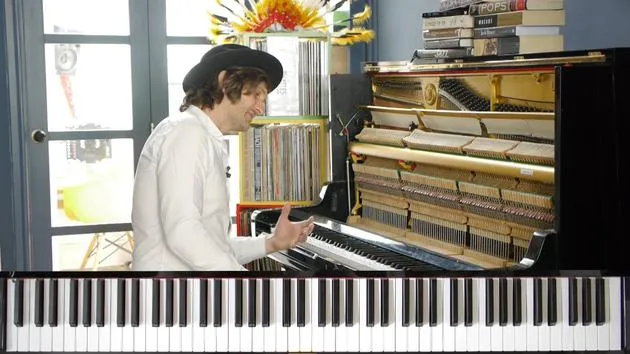
You can see that the feel can be transferred from the raw kind of fill you practice by tapping to the instrument. You can do all kinds of slight variations on that to make it funky.
Example Variation
- Something like this: 3 and 4.
It's a really nice rhythm that lends itself to what Fess uses on Mardi Gras in New Orleans. He can also use it here, and indeed, Booker uses it through Fess's influence on lots of stuff.
That's just a simple arpeggio going up.
In context, it would be:
So leading up to the four, essentially, that's it. They're using it in a slightly different way. Just going down to that third of the chord, 4.
Final Thoughts
There are some little ways of kind of making it funky. The important thing is to remember that the feel is still stomping away underneath with those accents, whether you're playing or not.
Time still going. Time still going. You can hear just a little nod towards a real Cuban thing at the end.
40 leçons
2h 57m de leçons vidéo structurées
Fonctions vidéo avancées
Ralentissez, bouclez un passage, suivez la partition
Mobile, tablette et ordinateur
Pratiquez où vous voulez
Satisfaction garantie à 100 %
Garantie remboursement 30 jours
Rencontrez votre guru
Rencontrez votre guru
Paddy Milner est reconnu comme l'un des meilleurs pianistes de blues au monde : il est actuellement le claviériste attitré de Sir Tom Jones, après plusieurs années aux côtés du grand et regretté Jack Bruce, mais c'est aussi un superbe auteur-compositeur original et un chanteur au timbre singulier. Il suffit de lire les éloges de personnalités comme Dave Brubeck ci-dessous ! Son jeu figure sur la bande originale du film à succès 'Rocketman' (2019).
Il a remporté à deux reprises le prix du Meilleur claviériste aux British Blues Awards et occupe de longue date une résidence en tant que membre fondateur du Ronnie Scott's Blues Explosion au club mondialement réputé Ronnie Scott's.
Son groupe actuel LONDONOLA joue une musique britannique maison teintée d'une bonne dose d'esprit de La Nouvelle-Orléans, et son projet collectif JAWBONE va de succès en succès depuis la sortie de son premier album éponyme.
- « J'adore... voilà un gars qui sait vraiment jouer du piano » - Dave Brubeck
- « Je le recommande vivement. D'une certaine manière, tout se met à aller beaucoup mieux ! » - Jack Bruce
- « Le meilleur pianiste de blues d'Europe... » - Blues Access, USA
- « Impressionnant et original » - The Times
- « Éblouissant » - The Independent
Au fil de ses cours, Paddy décortique l'authentique shuffle de blues, le slow blues, le boogie-woogie, le rock 'n' roll et le piano de La Nouvelle-Orléans - jusqu'à trois grands classiques du boogie-woogie - pour que vous appreniez ces styles auprès de l'un des tout meilleurs du métier.







