



Accorder ta mandoline
Avec
Tom Bekeny
Le contenu du cours
20 leçons (1h 18min) · 1 gratuites
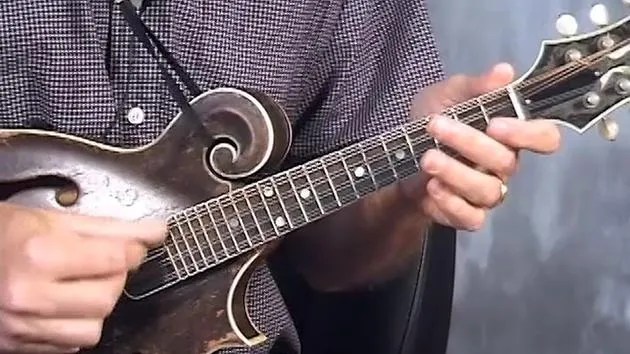
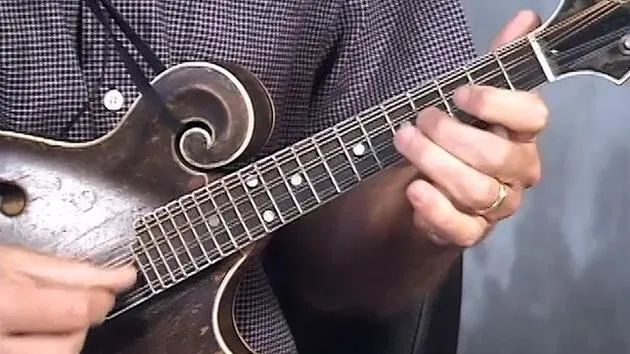
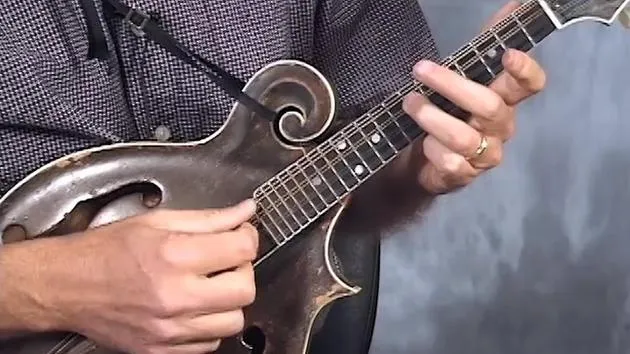
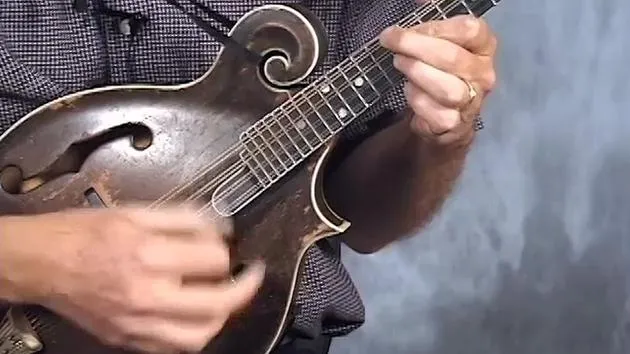
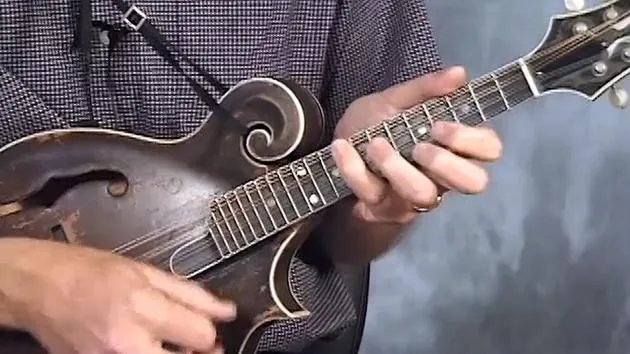
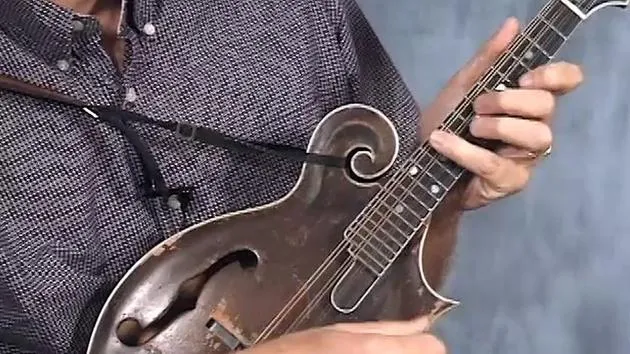
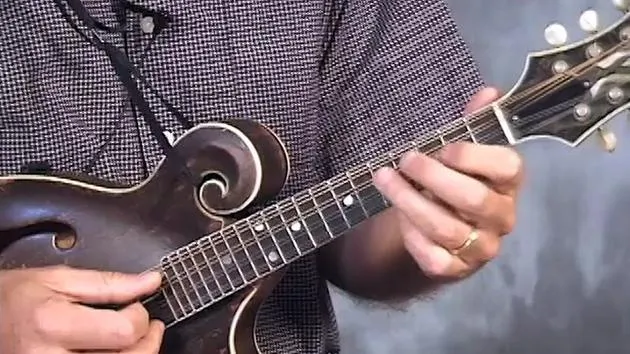
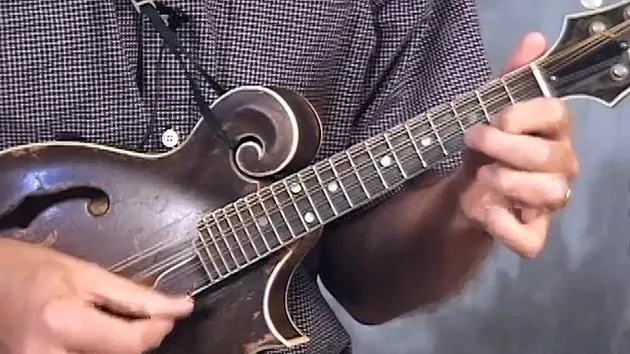
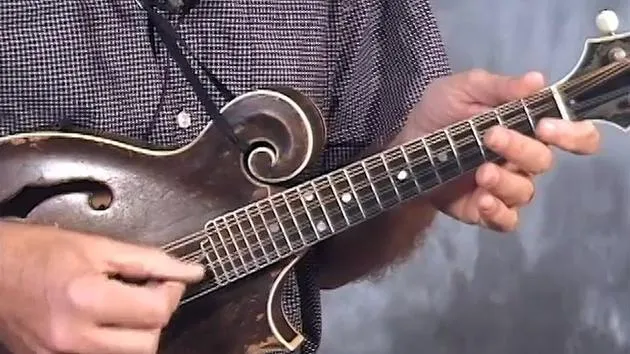
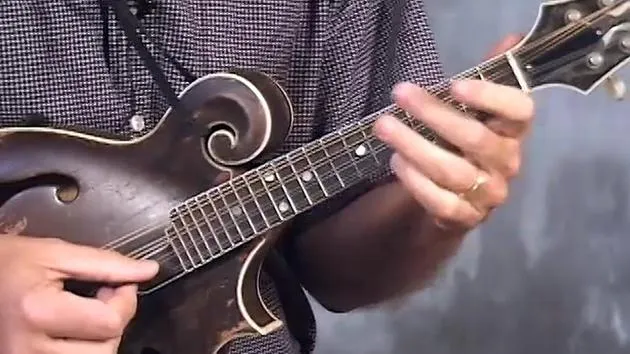
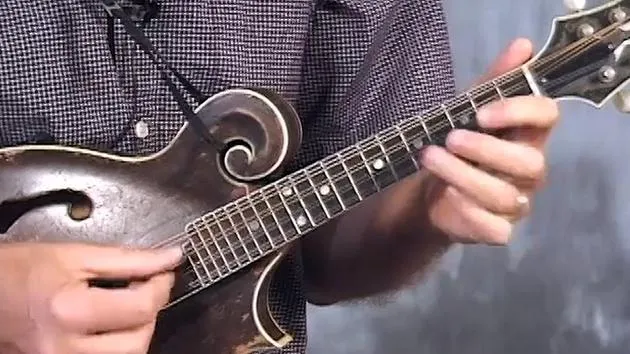
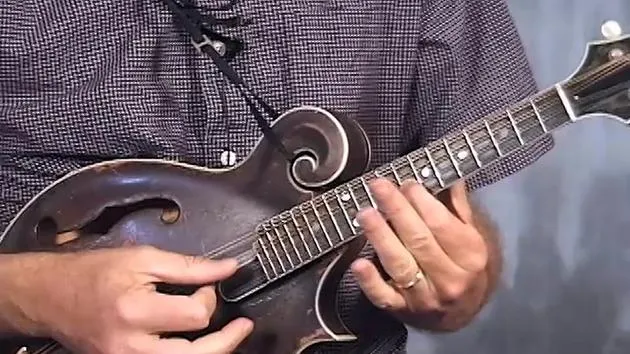
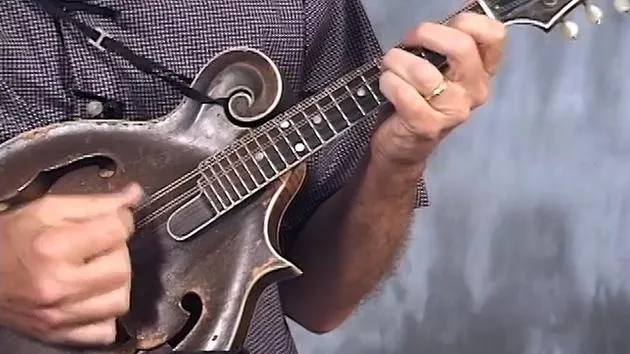
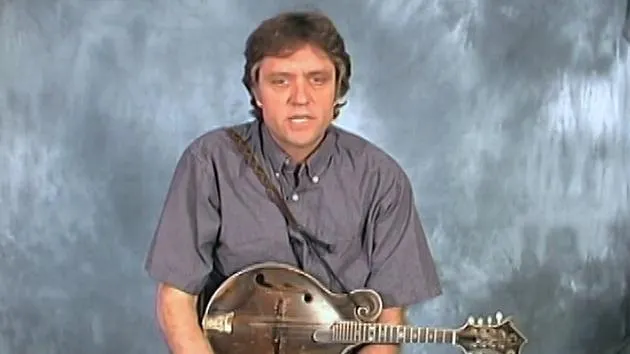
Transcription de la leçon
Mandolin Tuning Lesson
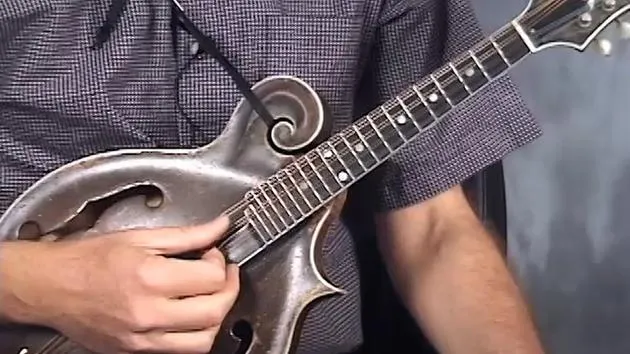
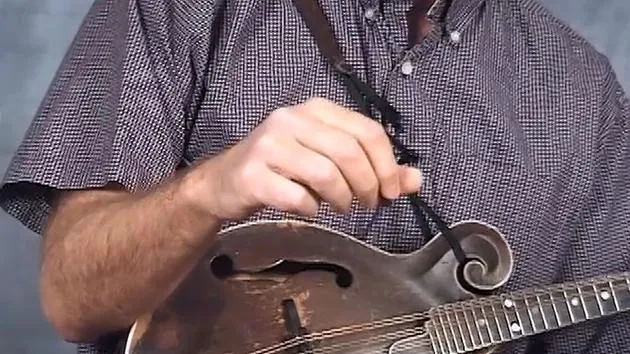
Okay, so let's really start doing some things with the instrument here.
Getting Started: Tuning the Mandolin
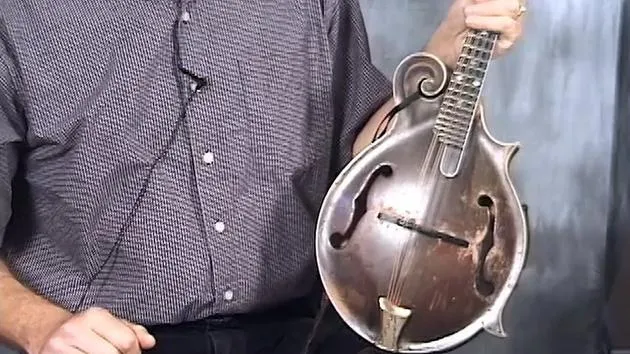
First of all, you have to learn how to tune it. A mandolin is tuned in fifths, just like a violin. The reason it's called "fifths" is:
- For example, here is a D note.
- The next note up from it is the A.
If you count up on your fingers: D, E, F, G, A, that's a fifth.
The Note Arrangement
The notes are:
- G
- D
- A
- E
You'll notice we have pairs of strings that are tuned to unison. So, the two Gs should be identical, the two Ds, two As, and two Es are also tuned in unison.
Developing Your Ear
Learning how to tune is not just about getting the notes right; it's a great opportunity for those of you who haven't played other instruments or music much to develop your ear.
Tuning Methods
There are different ways to tune, but let me explain one that will help you develop your ear, especially in being sensitive to when a note is too high (sharp) or too low (flat).
-
Get a Reference Note:
- Say, get a G from a friend who's in tune, or from a piano.
-
Match the G:
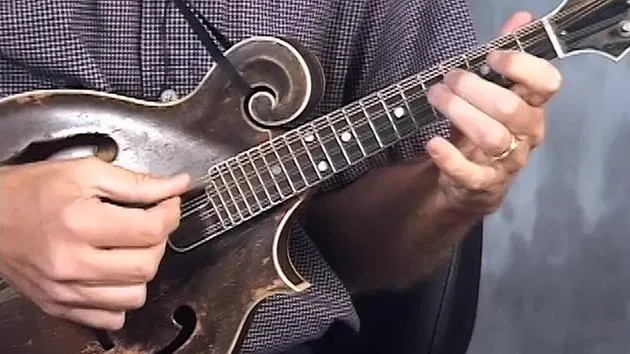
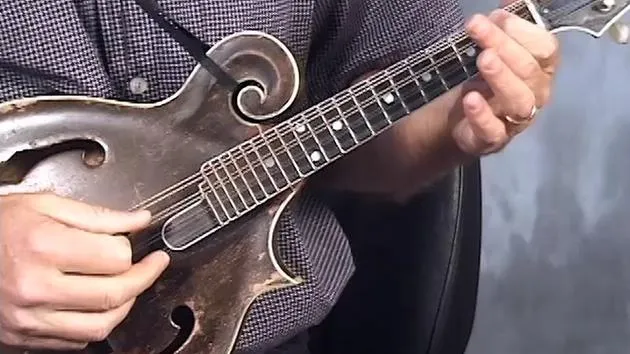
- Once you have that G matched to your reference note, count up to the seventh fret, fret that note, and match the D.
-
Adjust Your D String:
- Adjust your tuning peg to match the D to the G.
- Once you get the D in tune, fret the D at the seventh fret, hit the A open, and match that note to it.
-
Tune Your E String:
- Fret the A string at the seventh fret and match it to the E open.
Using a Tuning Fork
If you don't have a G as a reference note, you can use a tuning fork tuned to 440A.
- You have to do it backwards:
- Get your A note in tune with the tuning fork.
- Go backwards to adjust the D string to match that open A.
Once you get the D adjusted, hit the D open as your target note:
- Fret the G string at the seventh fret and match it.
- Lastly, get your E in tune, presumably while keeping your A at pitch. Fret the seventh fret of the A string and hit the E open.
Continuous Improvement
Remember, you'll get better at this the more you do it. Rely on your ear for making slight adjustments and recognizing when a note is a little sharp or a little flat.
Believe it or not, even after playing for over 30 years, I feel like my ear is still improving. With every year, I'm gaining a better idea and a better sense of the subtleties of sharp and flat notes.
Advanced Tuning Techniques
Another way to tune the mandolin is for when your ear has developed further.
- Harmonic Tuning: You might have heard violins. Once they get a reference note, like a G, they play the two notes together (G and D) while bowing and dragging out the note. This allows you to develop a sense for what a perfect fifth sounds like, enabling you to make adjustments until that interval sounds in tune.
Using a Tuner
Lastly, you can use a tuner.
- If you rely on it exclusively, you might miss the opportunity to train your ear, but tuners are very helpful.
- They can exactly tell you when you're sharp or flat.
Even with a tuner, you can use it as an ear training exercise, gradually internalizing the experience of being sharp or flat. However, I would recommend starting with tuning by ear first.
20 leçons
1h 18m de leçons vidéo structurées
Fonctions vidéo avancées
Ralentissez, bouclez un passage, suivez la partition
Mobile, tablette et ordinateur
Pratiquez où vous voulez
Satisfaction garantie à 100 %
Garantie remboursement 30 jours
Rencontrez votre guru
Rencontrez votre guru
Tom Bekeny est mandoliniste, violoneux (fiddle) et professeur de mandoline chevronné, qui s'est produit et a enseigné aux États-Unis et à l'étranger pendant plus de 40 ans - alors quand il décompose la façon de jouer, tu apprends de quelqu'un qui a passé toute une vie aussi bien sur scène que dans la salle de cours.
Il a été le mandoliniste de groupes de la région de la baie de San Francisco tels que Done Gone, Tenbrooks et une première version du Grant Street String Band avec Laurie Lewis. Il s'est produit avec Peter Rowan, les Rowan Brothers, David Grisman, George Cole, la chanteuse Lua Hadar et Jerry Garcia. Tom a joué de la mandoline avec le très acclamé Kathy Kallick Band pendant près de 20 ans et occupe le poste de fiddle au sein de High Country, le meilleur groupe de bluegrass traditionnel de Californie, depuis 1988. Il a enregistré avec beaucoup de ces formations et a été mis à l'honneur dans le numéro de l'été 2009 de Mandolin Magazine.
Tom joue aussi dans le très populaire groupe de "jam" bluegrass traditionnel Bangers and Grass, aux côtés de sommités du bluegrass de la côte ouest comme Jim Nunally, Steve Pottier, Bill Evans et Chad Manning.
Au-delà du bluegrass, Tom joue de la mandoline jazz avec son trio The Missing Man Quartet (MM4), qui interprète un jazz direct avec des arrangements originaux puisant leur matière dans l'univers du jazz et les standards du Great American Songbook. Il a sorti un projet de CD solo ("Jazzolin") en 2013, sur lequel il joue de la mandoline et du fiddle, accompagné de batterie et de basse.







