



Formes d'accords
Avec
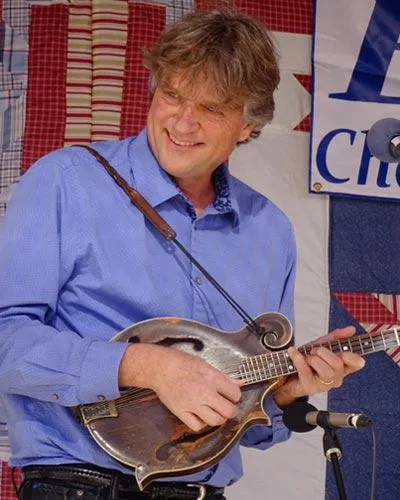
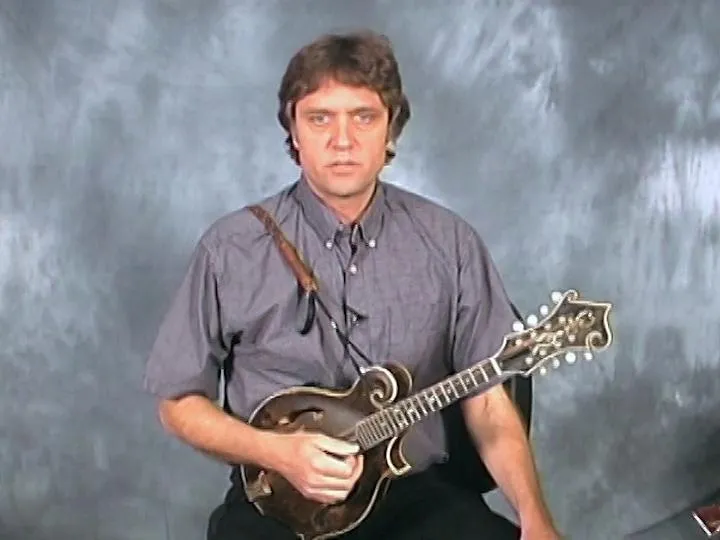
Tom BekenyTom Bekeny te montre les formes d'accords courantes de la mandoline et comment les faire glisser le long du manche pour jouer les mêmes accords dans n'importe quelle tonalité.
Le contenu du cours
20 leçons (1h 18min) · 1 gratuites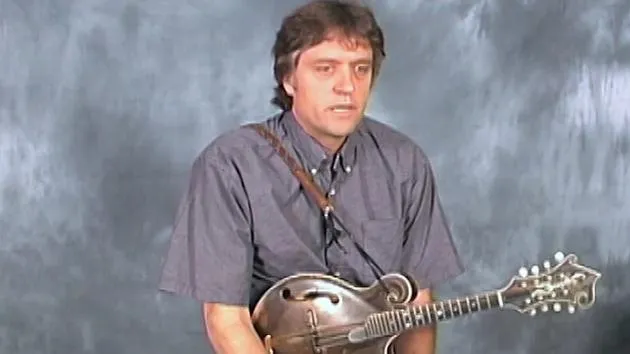
Transcription de la leçon
Understanding Chord Movements
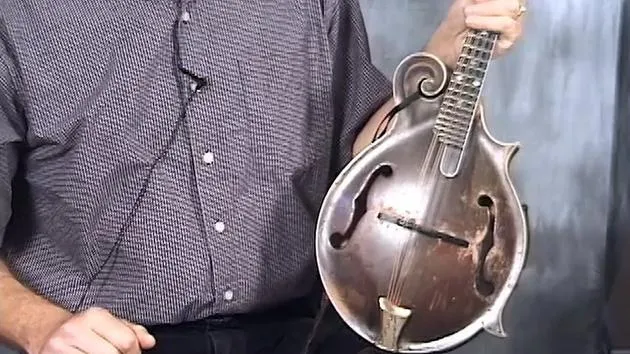
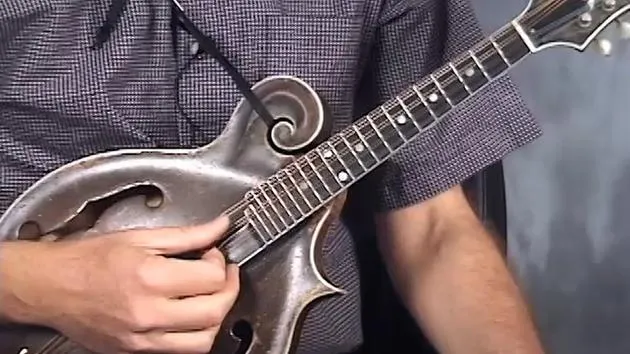
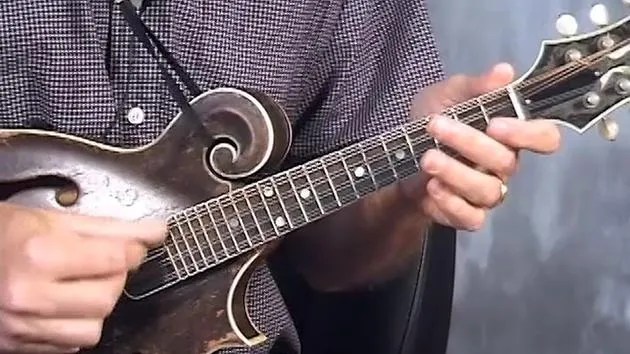
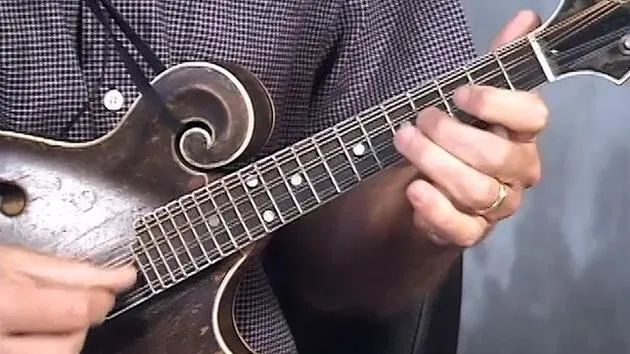
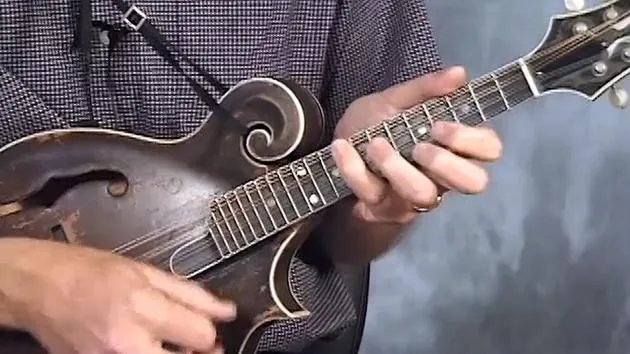
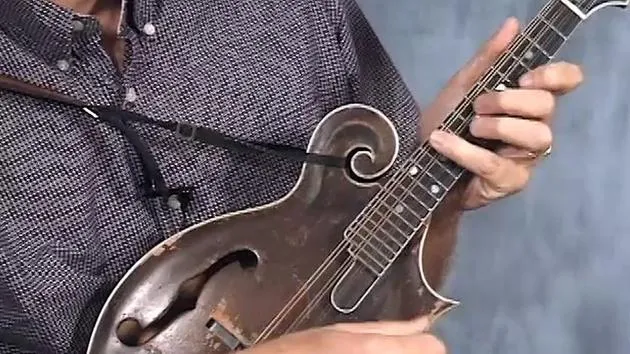
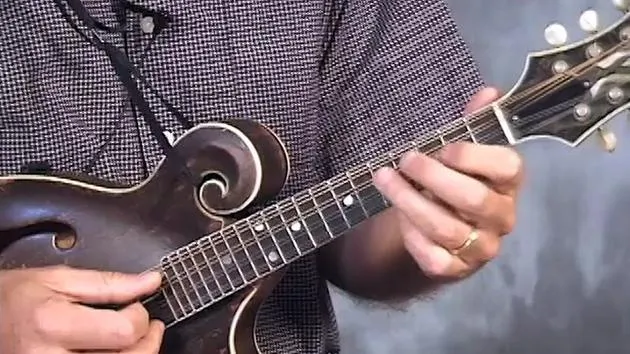
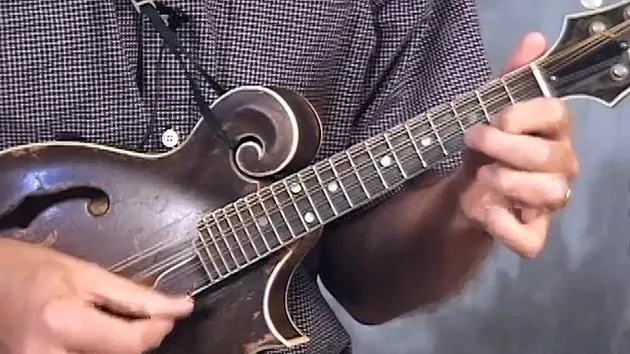
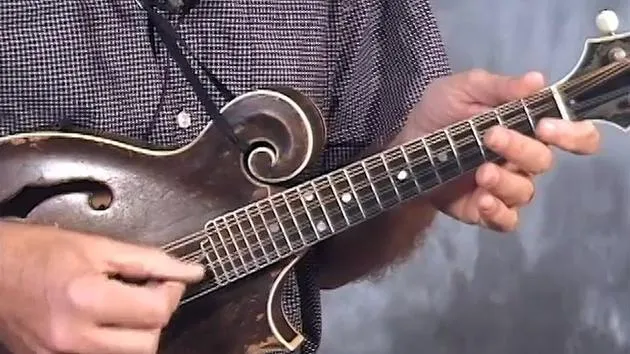
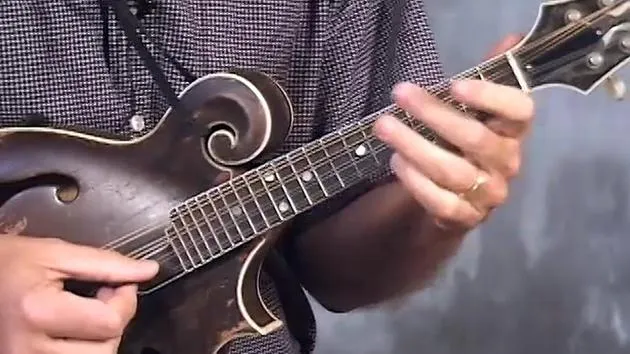
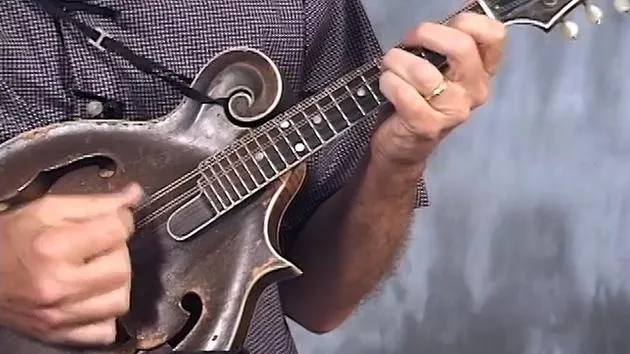
Another thing I wanted to tell you about making chords is this: once you've got that shape down, to play in other keys, you just move the chord up and down as needed.
Importance of Knowing Scale Notes
It helps to know the notes of a scale, and this information will also be available on the website. Here are the notes:
- G
- G sharp
- A
- A sharp
- B
- C
- C sharp
- D
- D sharp
- E
- F
- F sharp
- G
Changing Keys: Example with A and B
Let's say you're in the key of A, and the singer says, "Ah, that's too low for me. I want to sing it in B."
To adjust, you'll need to:
- Identify the A note.
- Locate the B note:
- It goes: A, A sharp, B.
- The distance from A to B is two frets (1, 2).
This means you need to move your chord up two frets to play in B.
Visual Representation
Actually, this will be easier to understand with a visual representation, so refer to the diagram if available.
Playing Chords in Bluegrass
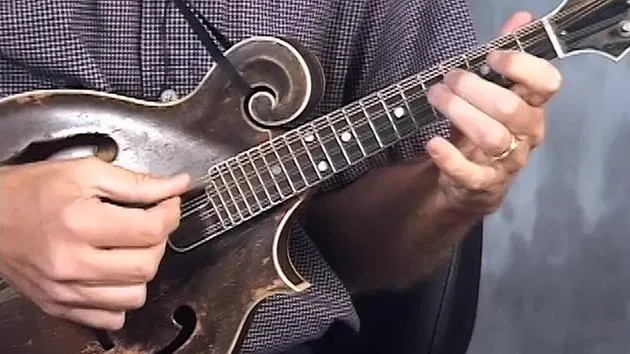
Now, regarding the basic major chord used in bluegrass, let's focus on the key of A.
To play a D chord from A:
- Keep the shape you see in A with your three fingers in their relative positions.
- Move it up in the direction needed.
If you don't have a place to put a finger:
- You generally don't want to play the open E, as it won't sound good in a bluegrass context. Instead, just play the bottom three notes.
Playing All Four Strings
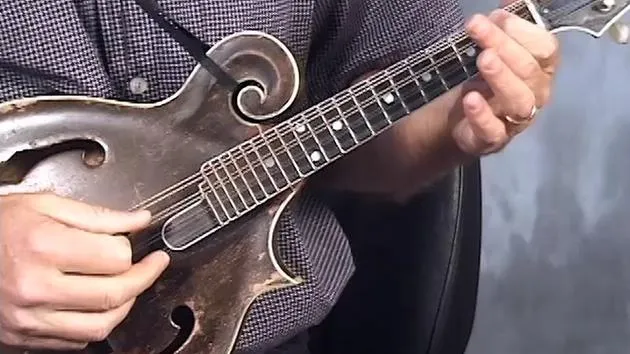
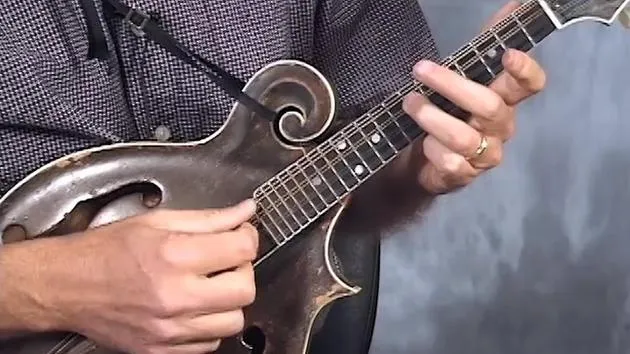
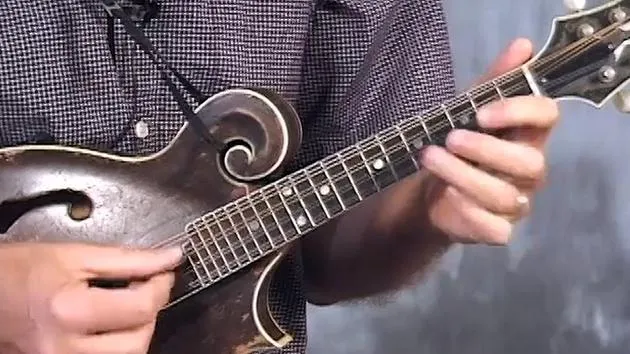
If you want to play all four strings, take the D note and switch your finger positions.
- Use your bottom three fingers instead of the initial three.
- This gives you the same notes but allows for finger flexibility.
Now you can fret the second fret of the E string with the freed finger, enabling you to play all the notes.
Before, if you hit all the notes with the original position, you'd get an E, which is not part of a D or D major chord. The shape with F sharp on top looks like this.
Moving to E Chord
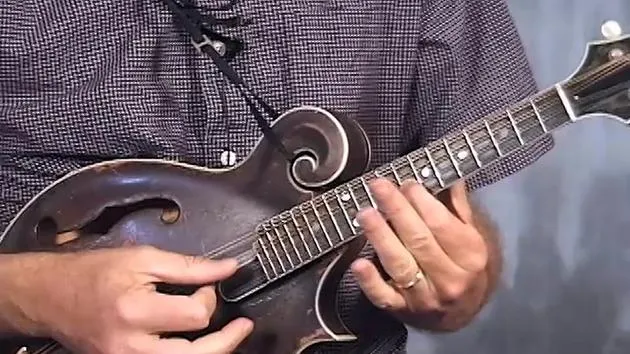
To play an E chord, do the same thing you did for the D chord:
- Move it up two frets.
Quick Chord Changes
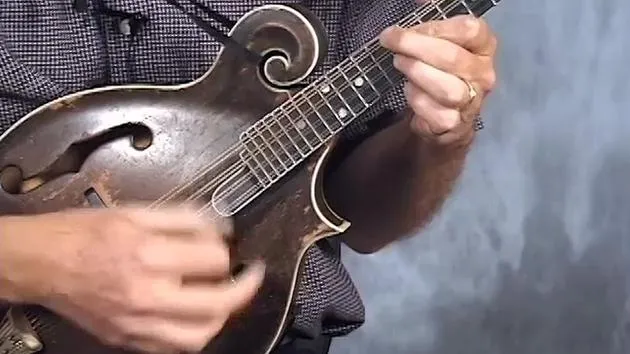
A lot of times, when playing some tunes, you'll only need to switch between an A and an E chord.
Instead of going through the process of lifting all fingers, do this:
- Keep a finger planted: This note (E) is common to both the A chord and the E chord.
- Change only the three fingers that are needed.
At first, this switch will be difficult and will require thought. However, with practice, it becomes an economical way of changing chords without lifting everything up.
20 leçons
1h 18m de leçons vidéo structurées
Fonctions vidéo avancées
Ralentissez, bouclez un passage, suivez la partition
Mobile, tablette et ordinateur
Pratiquez où vous voulez
Satisfaction garantie à 100 %
Garantie remboursement 30 jours
Rencontrez votre guru
Rencontrez votre guru
Tom Bekeny est mandoliniste, violoneux (fiddle) et professeur de mandoline chevronné, qui s'est produit et a enseigné aux États-Unis et à l'étranger pendant plus de 40 ans - alors quand il décompose la façon de jouer, tu apprends de quelqu'un qui a passé toute une vie aussi bien sur scène que dans la salle de cours.
Il a été le mandoliniste de groupes de la région de la baie de San Francisco tels que Done Gone, Tenbrooks et une première version du Grant Street String Band avec Laurie Lewis. Il s'est produit avec Peter Rowan, les Rowan Brothers, David Grisman, George Cole, la chanteuse Lua Hadar et Jerry Garcia. Tom a joué de la mandoline avec le très acclamé Kathy Kallick Band pendant près de 20 ans et occupe le poste de fiddle au sein de High Country, le meilleur groupe de bluegrass traditionnel de Californie, depuis 1988. Il a enregistré avec beaucoup de ces formations et a été mis à l'honneur dans le numéro de l'été 2009 de Mandolin Magazine.
Tom joue aussi dans le très populaire groupe de "jam" bluegrass traditionnel Bangers and Grass, aux côtés de sommités du bluegrass de la côte ouest comme Jim Nunally, Steve Pottier, Bill Evans et Chad Manning.
Au-delà du bluegrass, Tom joue de la mandoline jazz avec son trio The Missing Man Quartet (MM4), qui interprète un jazz direct avec des arrangements originaux puisant leur matière dans l'univers du jazz et les standards du Great American Songbook. Il a sorti un projet de CD solo ("Jazzolin") en 2013, sur lequel il joue de la mandoline et du fiddle, accompagné de batterie et de basse.







