



Motifs de médiator
Avec
Tom Bekeny
Le contenu du cours
20 leçons (1h 18min) · 1 gratuites
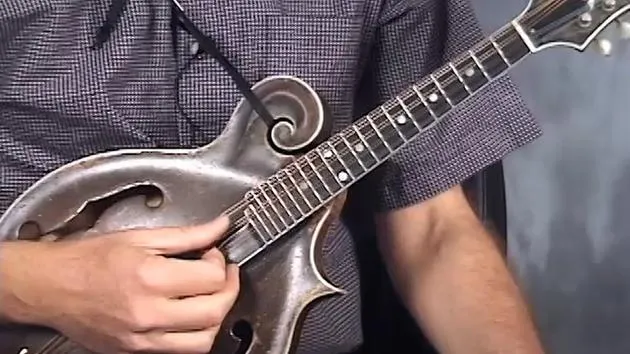
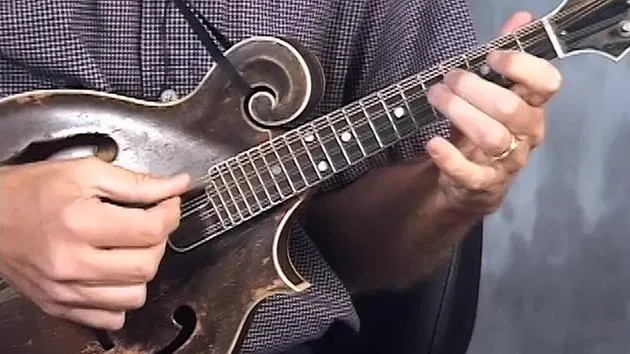
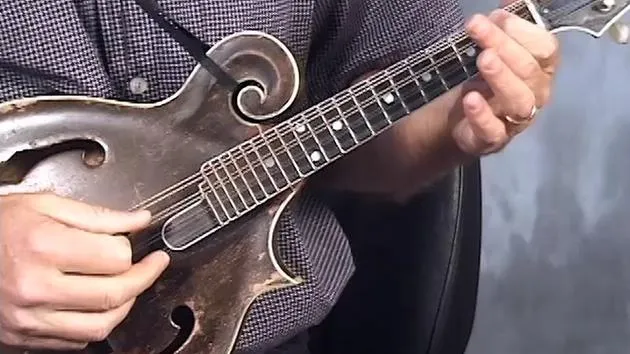
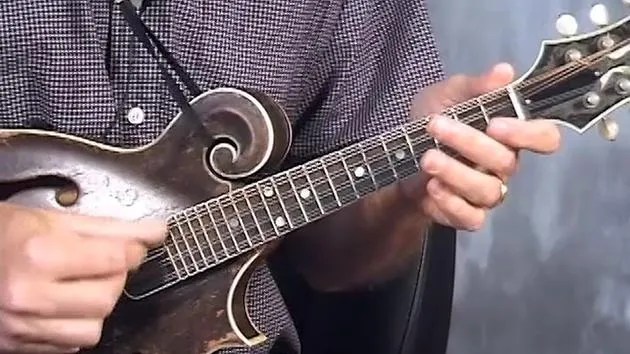
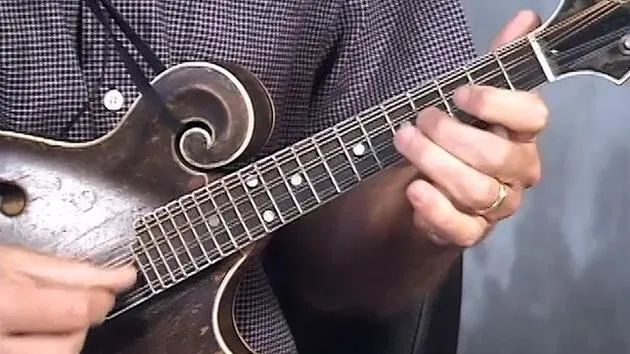
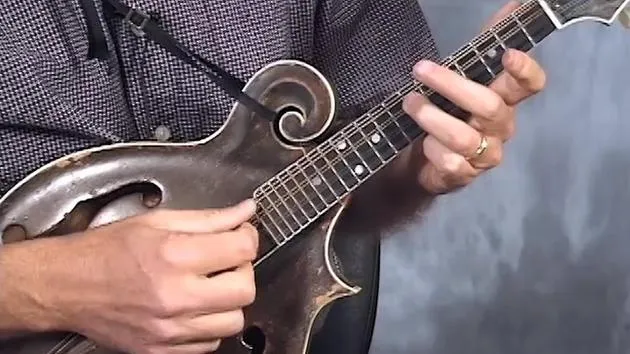
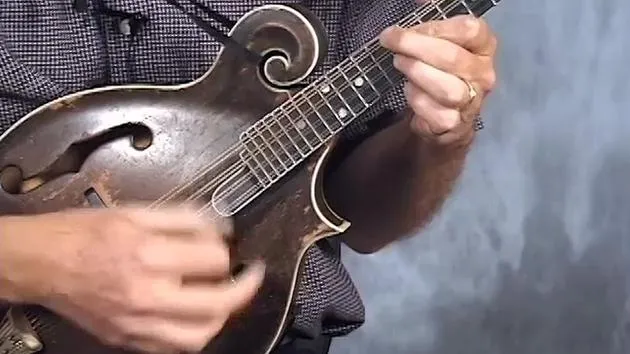
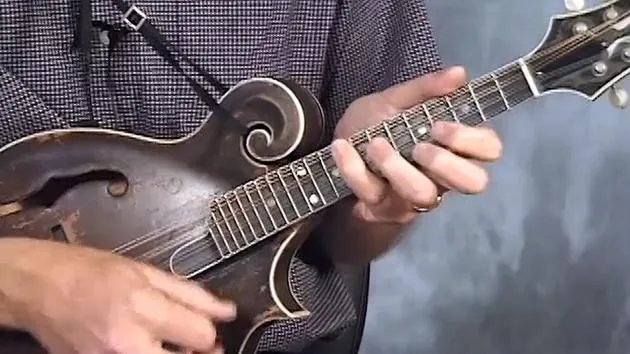
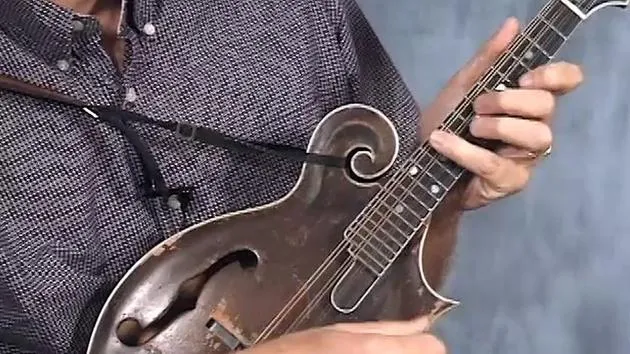
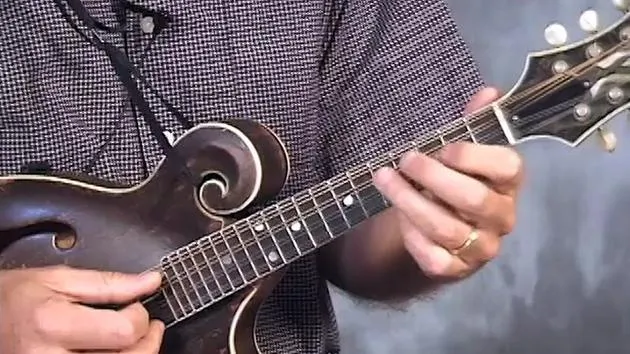
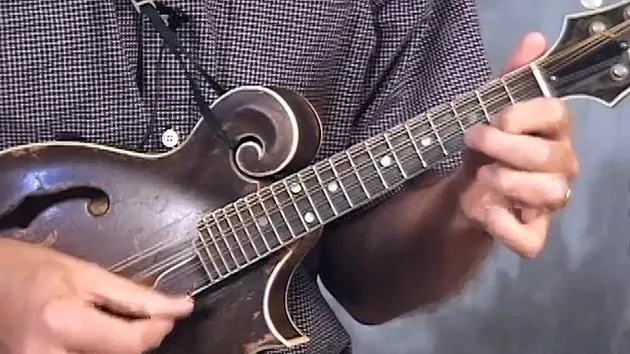
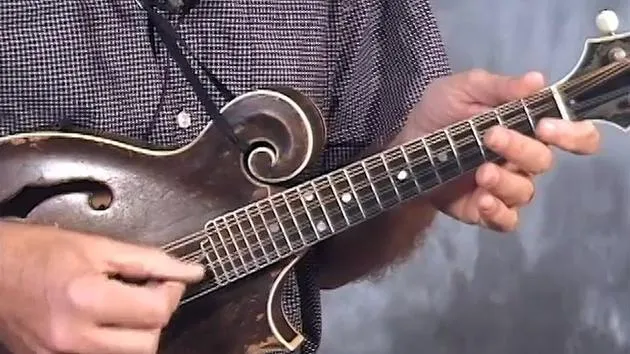
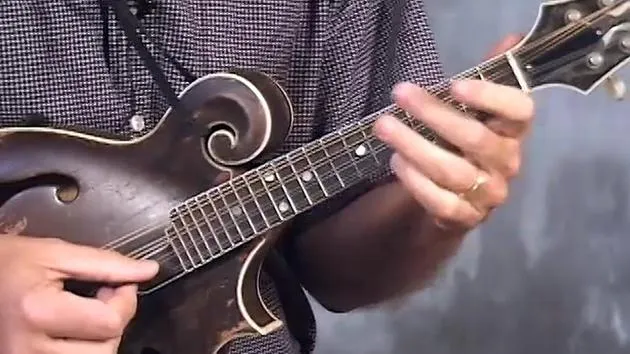
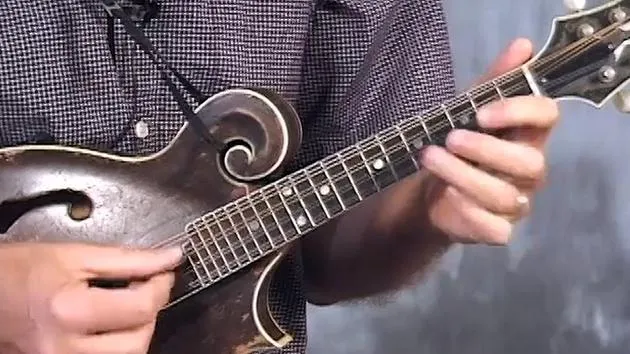
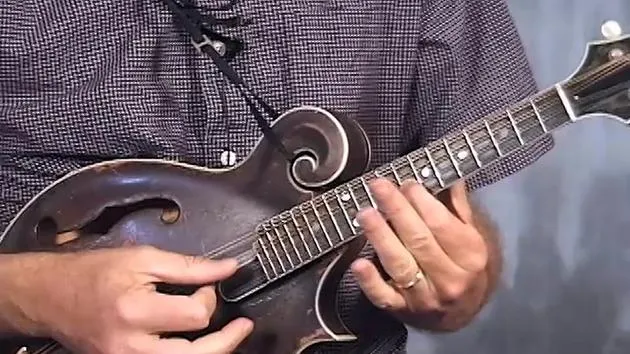
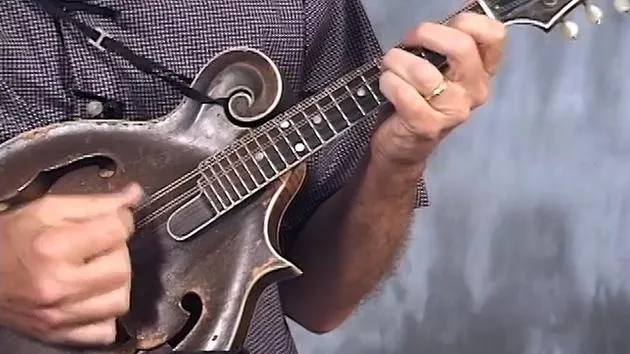
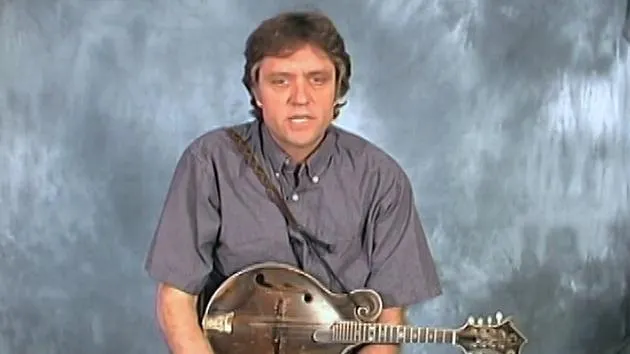
Transcription de la leçon
Music Lesson: Understanding Pick Alternation and Syncopation
Okay, I was just talking to you about the alternation of your pick. When you're playing an even flow of notes of even rhythmic value, like fast 8th or 16th notes, you alternate:
- Down, up, down, up, down, up
Always starting on the downstroke.
Syncopation in Music
However, when the music is syncopated, you don't adhere to that strict pattern. Without getting too much into music theory, what remains the same is that you're using a downstroke on the strong part of the beat.
So, for example, with eighth notes:
- 1 and 2 and 3 and 4
I'll always be hitting a downstroke on the strong part of the beat. Even when something's syncopated, if we're in the strong part of the beat, we're going to be hitting down.
I won't get more into that. I think you'll be able to sort of get the feel for this by just doing it and hearing it.
Syncopated Patterns
There are a couple of syncopated patterns I want to show you, and then we'll apply them to a basic fiddle tune or traditional instrumental.
Pattern 1: Open A String
Here's one pattern, and again, we're departing from the strict down-up alternation. I'll just show you this on the open A string:
- Down, down, up
- Down, down, up
- Down, down, up
- Down, up, down
- Down, down, up
- Down, down, up
- Down, down, down
- Down, down
I can't say it as fast as I can play it, so I'll just play it without saying it.
Pattern Practice
Now, do it slower:
- Down, down, up, down, down, up
For those of you who've heard traditional fiddle music, old-timey fiddle, or bluegrass fiddle, that may sound familiar. A real common pattern from fiddle music is called a shuffle. If I had a fiddle here, I could show you, and it would probably sound more familiar to you.
Key Takeaway
The point is, we're not doing strict alternation of the pick. We're hitting two downstrokes in a row:
- Down, down, up, down, down, up, down, down, up
Now, you can reverse that pattern, and you have this sound. I'll call out the directions:
- Down, up, down, down, up, down, down, up, down, down, up, down
Sped up, it sounds like this...
20 leçons
1h 18m de leçons vidéo structurées
Fonctions vidéo avancées
Ralentissez, bouclez un passage, suivez la partition
Mobile, tablette et ordinateur
Pratiquez où vous voulez
Satisfaction garantie à 100 %
Garantie remboursement 30 jours
Rencontrez votre guru
Rencontrez votre guru
Tom Bekeny est mandoliniste, violoneux (fiddle) et professeur de mandoline chevronné, qui s'est produit et a enseigné aux États-Unis et à l'étranger pendant plus de 40 ans - alors quand il décompose la façon de jouer, tu apprends de quelqu'un qui a passé toute une vie aussi bien sur scène que dans la salle de cours.
Il a été le mandoliniste de groupes de la région de la baie de San Francisco tels que Done Gone, Tenbrooks et une première version du Grant Street String Band avec Laurie Lewis. Il s'est produit avec Peter Rowan, les Rowan Brothers, David Grisman, George Cole, la chanteuse Lua Hadar et Jerry Garcia. Tom a joué de la mandoline avec le très acclamé Kathy Kallick Band pendant près de 20 ans et occupe le poste de fiddle au sein de High Country, le meilleur groupe de bluegrass traditionnel de Californie, depuis 1988. Il a enregistré avec beaucoup de ces formations et a été mis à l'honneur dans le numéro de l'été 2009 de Mandolin Magazine.
Tom joue aussi dans le très populaire groupe de "jam" bluegrass traditionnel Bangers and Grass, aux côtés de sommités du bluegrass de la côte ouest comme Jim Nunally, Steve Pottier, Bill Evans et Chad Manning.
Au-delà du bluegrass, Tom joue de la mandoline jazz avec son trio The Missing Man Quartet (MM4), qui interprète un jazz direct avec des arrangements originaux puisant leur matière dans l'univers du jazz et les standards du Great American Songbook. Il a sorti un projet de CD solo ("Jazzolin") en 2013, sur lequel il joue de la mandoline et du fiddle, accompagné de batterie et de basse.







