



Motifs de grattage
Avec
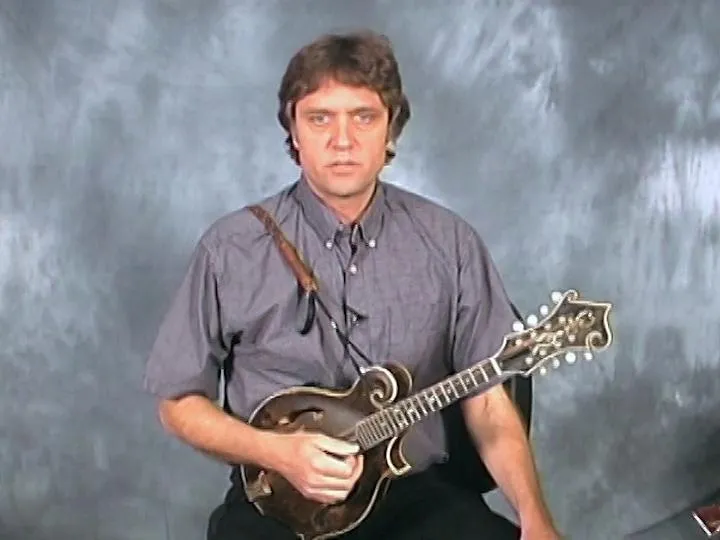
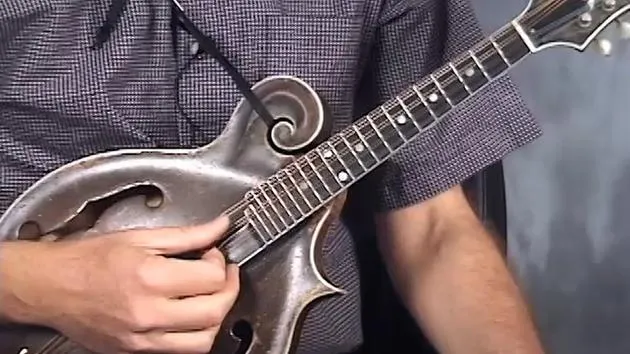
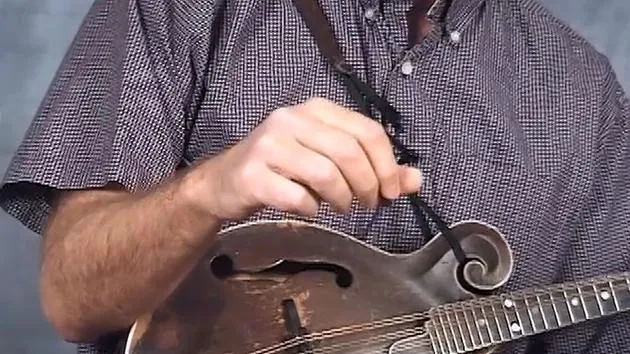
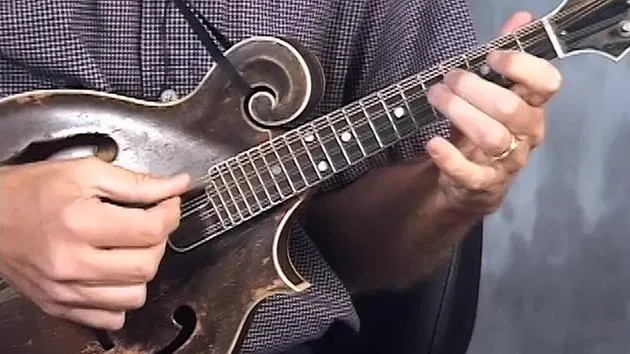
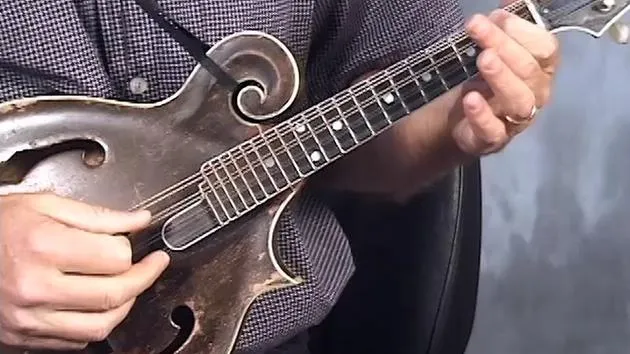
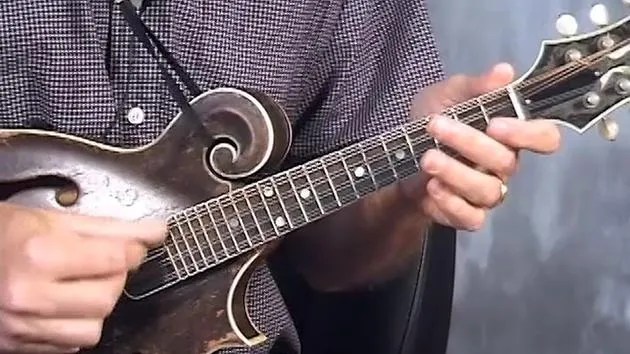
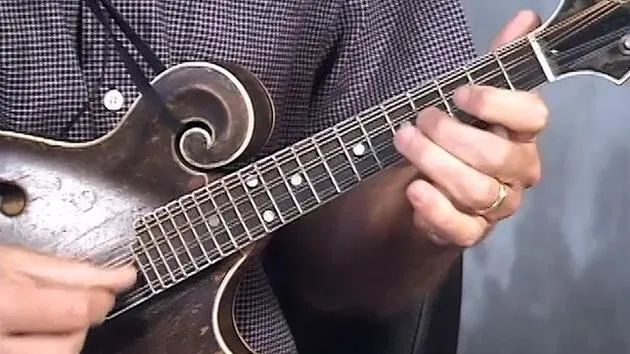
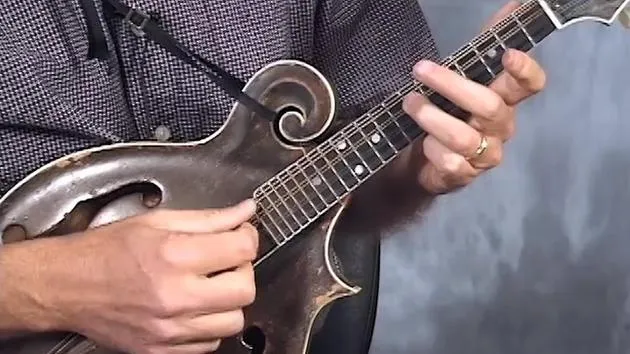
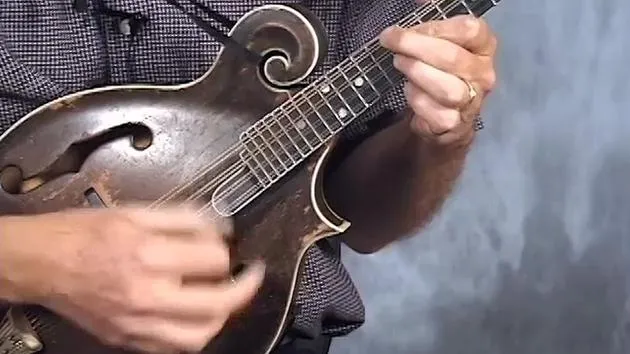
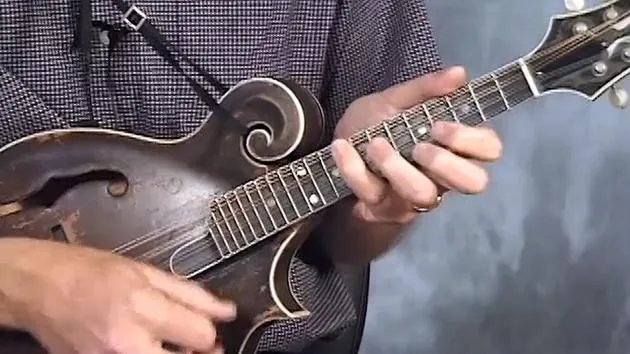
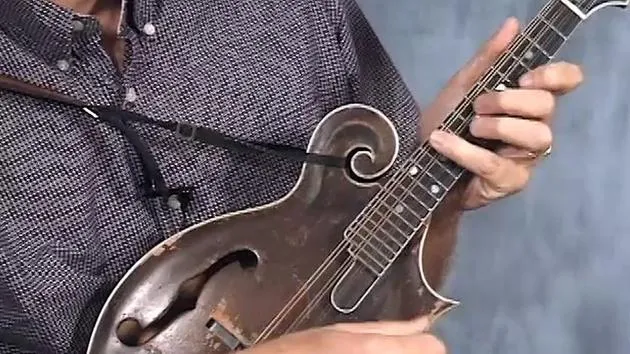
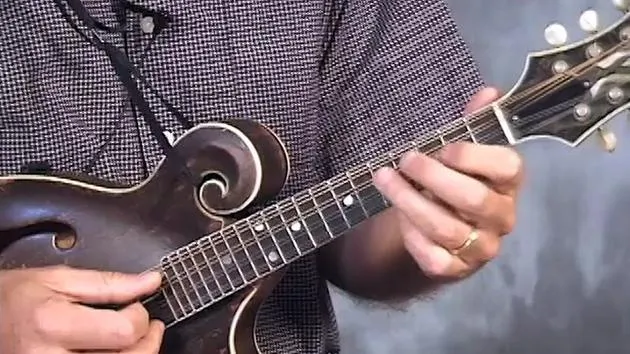
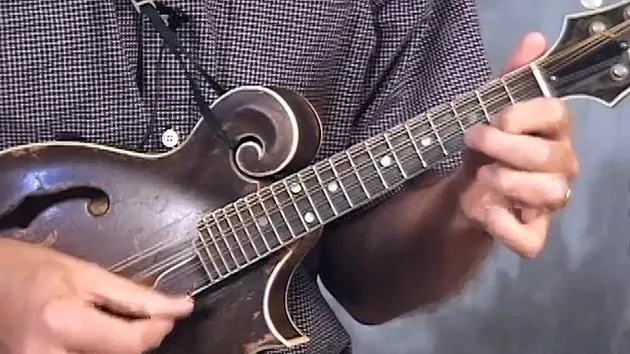
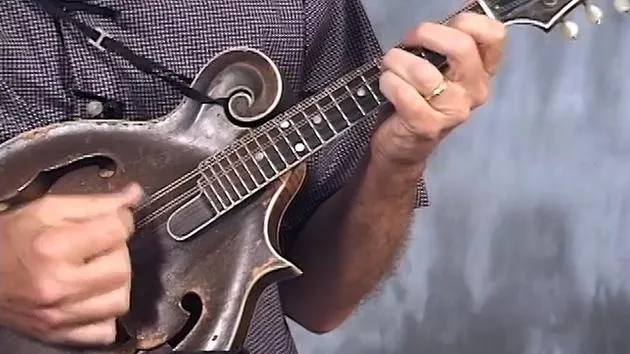
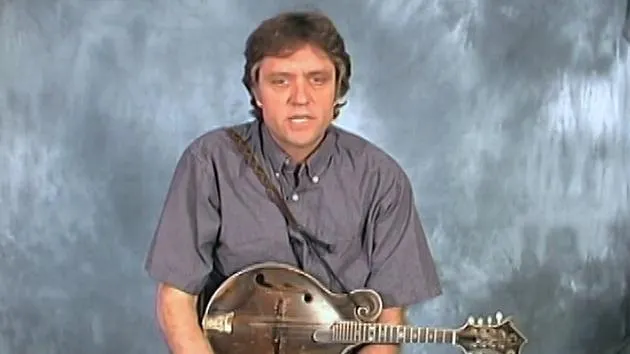
Tom BekenyTom Bekeny montre le chop percussif de la mandoline qui propulse un groupe de bluegrass, en accentuant le backbeat pour remplacer la batterie.
Le contenu du cours
20 leçons (1h 18min) · 1 gratuites
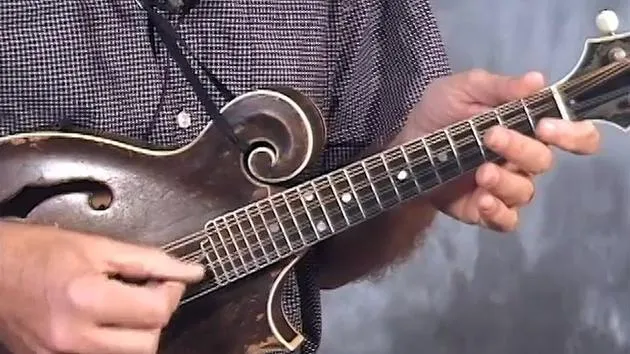
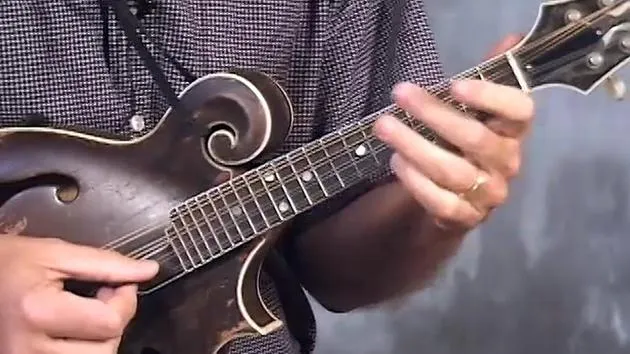
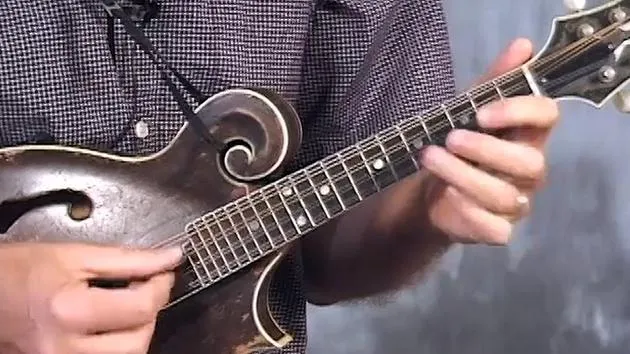
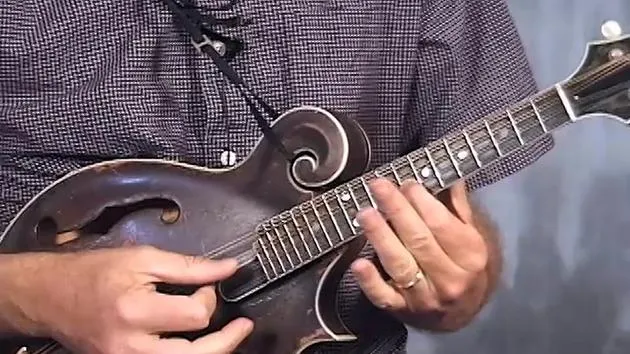
Transcription de la leçon
Percussive Chord Playing in Bluegrass
In today's lesson, we'll be exploring a percussive approach to playing chords in a bluegrass band. The key focus will be on accentuating the backbeat.
Understanding the Backbeat
- If the music counts as 1 and 2 and 3 and 4, your playing will emphasize:
- 1 and 2 and 3 and four
- 1 and 2 and 3 and 4
To help you stay in time, you may want to lightly hit one of the low strings on "one."
Basic Percussive Technique
At its most pared-down version, you're just hitting the backbeat:
- 1 and 2 and
- 1 and 2 and
- 1 and 2 and
- 1 and 2.
This involves hitting a downstroke. You can make that chord very percussive to the point where it's hardly a note at all. Many contemporary bluegrass players employ this technique.
Exploring Different Sounds
- You can also create a sound that's more "ringy":
- Notice that this is hardly percussive at all.
- The middle ground might be a blend of both techniques.
Achieving the Percussive Effect
To get the percussive sound, you need to control all the strings:
- Cutting off the sound involves:
- Letting up on the strings without completely taking your fingers off.
- Instead of pressing down, release the tension slightly to let the strings come up to their normal height, which kills the sound.
Enjoying Rhythm in Bluegrass
Playing rhythm in a bluegrass band is really fun! There are many different sounds you can explore. Your palate will define how percussive you want to be.
Different Chord Varieties
- You may want the chords to be:
- A little more ringy
- More percussive
- Emphasize the downbeat
Another way to conceptualize this is "boom, chuck":
- boom, chuck, boom, chuck
- boom, chuck, boom, chuck
- Leave the boom off for variation.
Experimentation
These are elements you can experiment with during your practice. See what happens and discover what works best in the context of the music you're playing.
20 leçons
1h 18m de leçons vidéo structurées
Fonctions vidéo avancées
Ralentissez, bouclez un passage, suivez la partition
Mobile, tablette et ordinateur
Pratiquez où vous voulez
Satisfaction garantie à 100 %
Garantie remboursement 30 jours
Rencontrez votre guru
Rencontrez votre guru
Tom Bekeny est mandoliniste, violoneux (fiddle) et professeur de mandoline chevronné, qui s'est produit et a enseigné aux États-Unis et à l'étranger pendant plus de 40 ans - alors quand il décompose la façon de jouer, tu apprends de quelqu'un qui a passé toute une vie aussi bien sur scène que dans la salle de cours.
Il a été le mandoliniste de groupes de la région de la baie de San Francisco tels que Done Gone, Tenbrooks et une première version du Grant Street String Band avec Laurie Lewis. Il s'est produit avec Peter Rowan, les Rowan Brothers, David Grisman, George Cole, la chanteuse Lua Hadar et Jerry Garcia. Tom a joué de la mandoline avec le très acclamé Kathy Kallick Band pendant près de 20 ans et occupe le poste de fiddle au sein de High Country, le meilleur groupe de bluegrass traditionnel de Californie, depuis 1988. Il a enregistré avec beaucoup de ces formations et a été mis à l'honneur dans le numéro de l'été 2009 de Mandolin Magazine.
Tom joue aussi dans le très populaire groupe de "jam" bluegrass traditionnel Bangers and Grass, aux côtés de sommités du bluegrass de la côte ouest comme Jim Nunally, Steve Pottier, Bill Evans et Chad Manning.
Au-delà du bluegrass, Tom joue de la mandoline jazz avec son trio The Missing Man Quartet (MM4), qui interprète un jazz direct avec des arrangements originaux puisant leur matière dans l'univers du jazz et les standards du Great American Songbook. Il a sorti un projet de CD solo ("Jazzolin") en 2013, sur lequel il joue de la mandoline et du fiddle, accompagné de batterie et de basse.







