



On and On
Avec
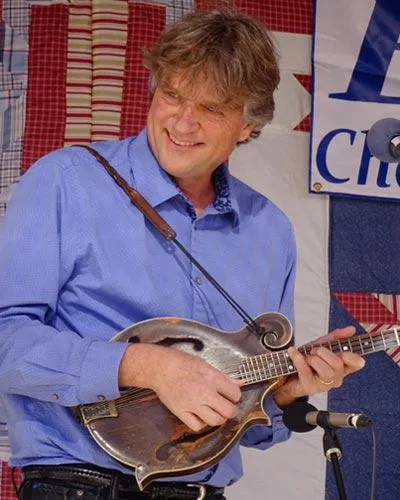
Tom BekenyTom Bekeny enseigne «On and On», le standard bluegrass de Bill Monroe, en montrant comment transformer la mélodie brute en quelque chose d'idiomatique avec un phrasé bluegrass et un élan vers l'avant.
Le contenu du cours
20 leçons (1h 18min) · 1 gratuites
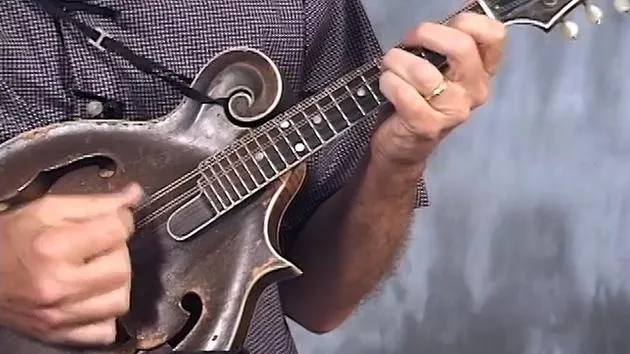
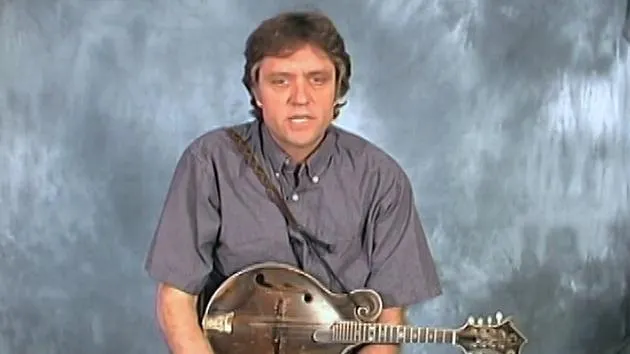
Transcription de la leçon
Understanding Bluegrass Standards: A Lesson on Bill Monroe's "On and On"
I want to show you a bluegrass standard. It's a song with words, written by Bill Monroe, who is credited with originating this music over 60 years ago. The music was actually named after his band, the Bluegrass Boys.
Introduction to the Song
- Bill Monroe and the Bluegrass Boys created this song.
- First, I'm going to play just the basic melody for you.
Basic Melody
- (Play basic melody)
That doesn't sound very "bluegrass-ish" the way I just played that. That's just the bare-bones melody. The reason it doesn't sound idiomatic to bluegrass is that a lot of elements are missing.
Elements of Bluegrass Music
Let me explain what makes it sound more bluegrass, and then I'll play a version that adds those elements in.
1. Vocal Focus
Traditional bluegrass is very much oriented toward vocal music. The interpretations of the solos, or breaks as they are called in bluegrass, are fairly close to the melodies sung. In this song, there are a lot of held notes.
- For example, the first note the singer would sing is held: "on and on."
- That first note, the D note, is often held.
2. Rhythm and Forward Motion
If I play that held note on the mandolin, it doesn't really go anywhere. It doesn't translate onto the instrument the intensity that the vocalist is putting into it.
- To keep the music going forward, you add notes to propel the rhythm.
- Even if it's just back and forth on the same note, this helps maintain the momentum.
3. Slides
Another thing that makes a solo sound more traditional bluegrass is the use of slides into notes.
- For example, these are the pickup notes sliding into the first melody note.
- This adds a unique character, making it sound less square than the verse version I played earlier.
4. Blues Notes
When we talk about blues notes, let's consider the key we are in: G major.
- A common blues note in G is sliding from the flatted third (B flat) instead of playing the third note directly.
- You can also slide into the fifth. The fifth note of the scale is D, and by sliding from one fret below, you get a flatted fifth.
5. Use of Flatted Sevenths
Another element that contributes to the bluesy sound is the flatted seventh.
- If I count to the seventh note in a G major scale and then flat that note, it creates a distinctive flavor.
- Including notes like these makes it sound bluesier and more in the pocket.
6. Influences on Bill Monroe
Bill Monroe, the man who developed this music, was deeply steeped in old-time mountain music.
- This tradition was carried over from the Anglo and Celtic roots by immigrants.
- His influences included old time fiddle music, church music, and the blues.
Monroe's mandolin playing blends these traditions, showcasing a unique hybrid string music that truly evolved into bluegrass in the early 40s.
7. Double Stops
Another characteristic of bluegrass is the use of double stops, playing a note and a harmony note above or below it.
Demonstration
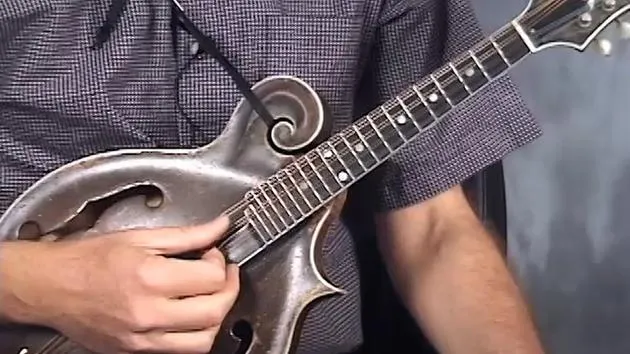
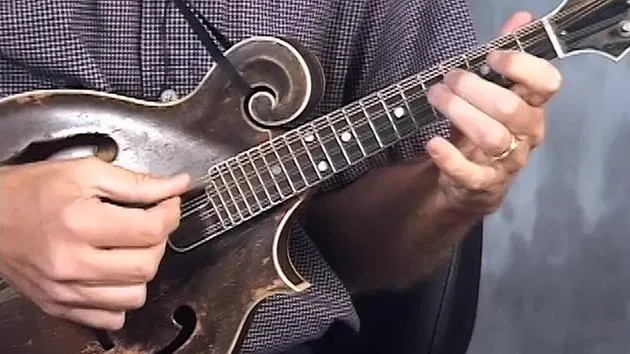
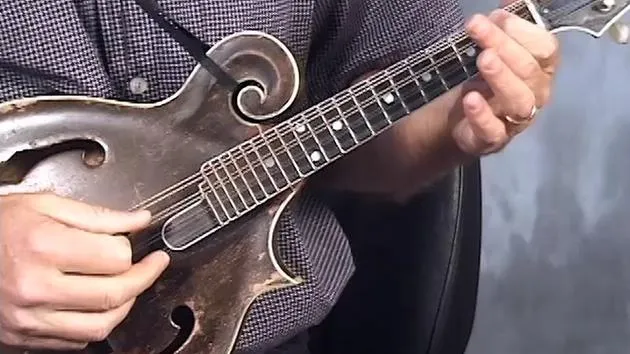
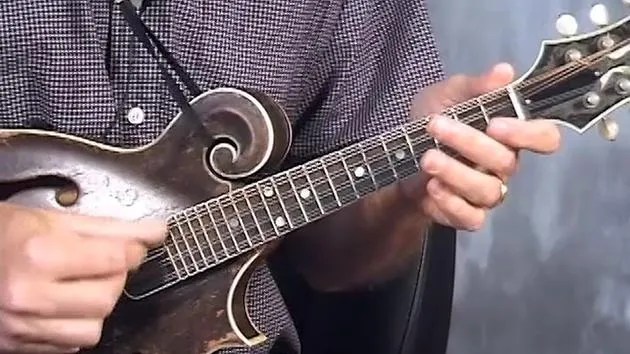
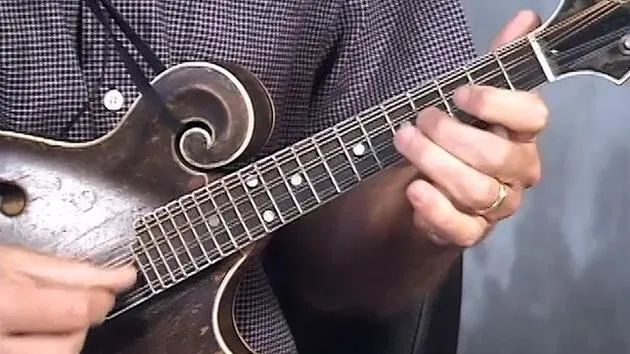
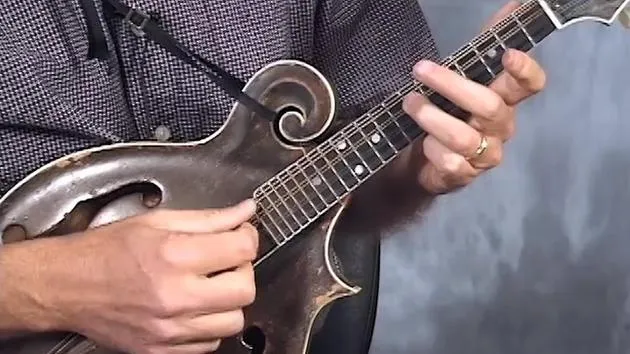
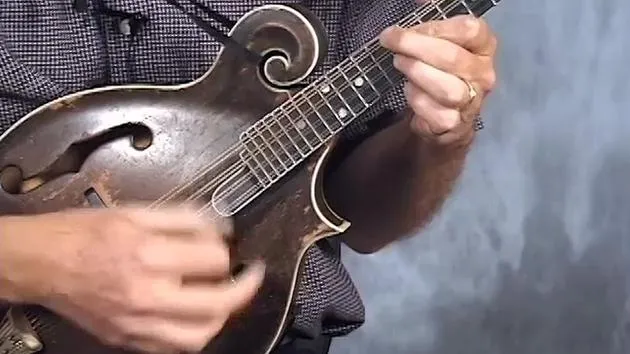
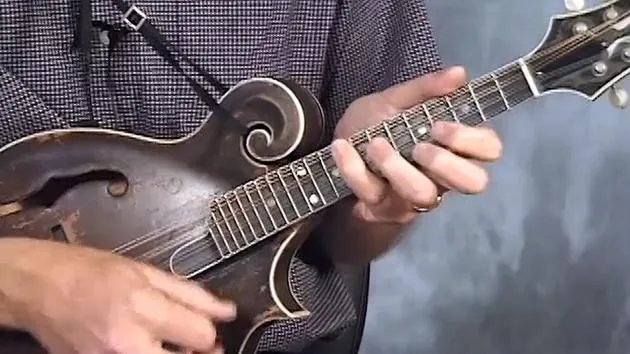
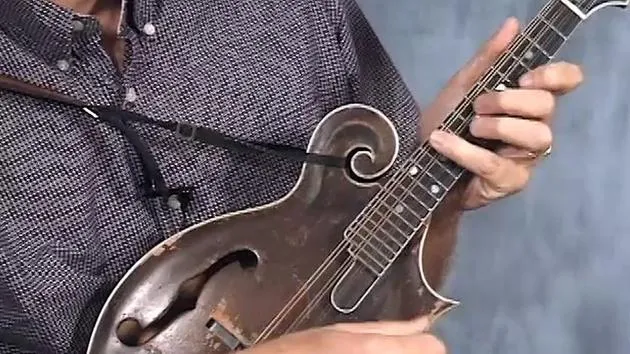
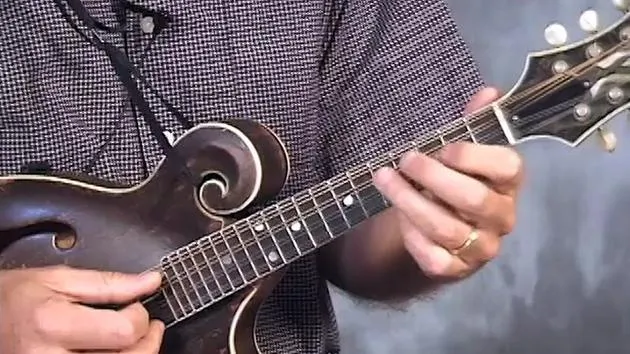
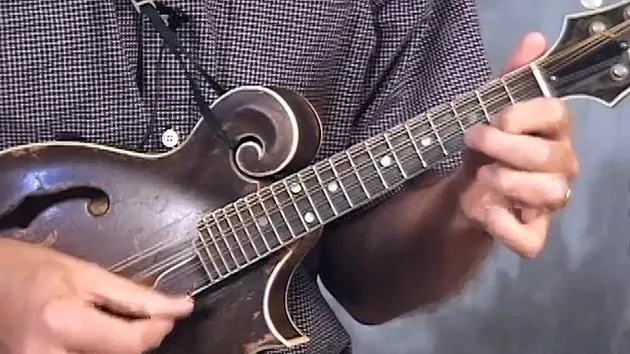
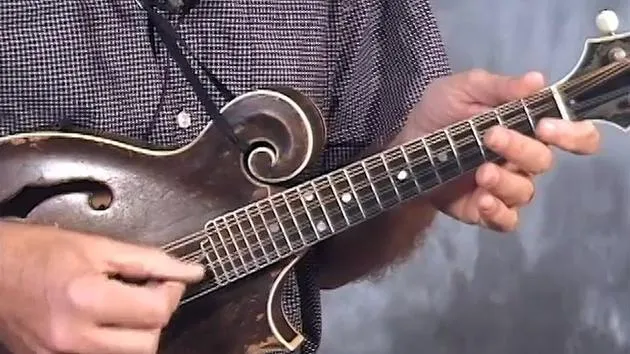
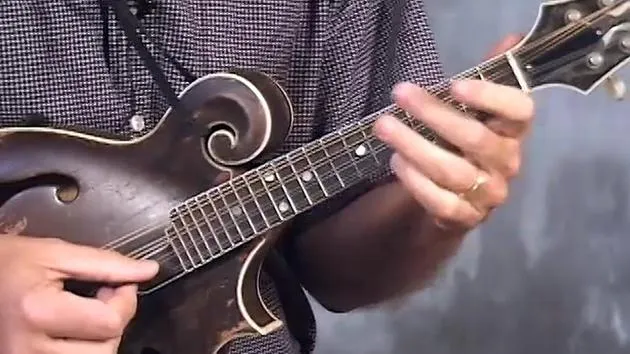
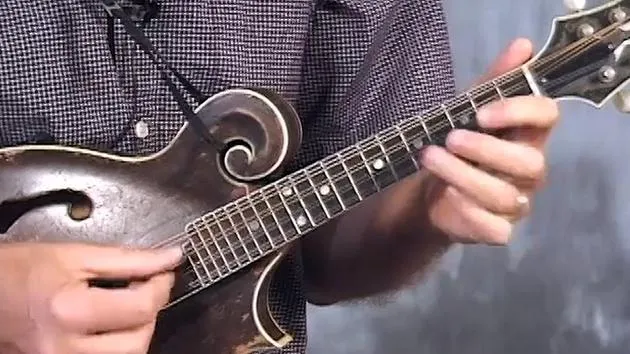
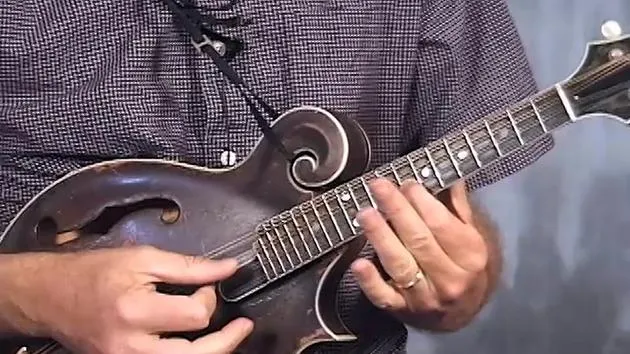
Now, let me play "On and On" for you, trying to incorporate some of these elements.
- (Play version incorporating elements)
That riff sounds slightly bluesier. The way I played it is going to be pretty close to the way I tabbed it out for you. You'll be able to grasp the essence of what I'm trying to convey by listening to this and checking out the tablature.
20 leçons
1h 18m de leçons vidéo structurées
Fonctions vidéo avancées
Ralentissez, bouclez un passage, suivez la partition
Mobile, tablette et ordinateur
Pratiquez où vous voulez
Satisfaction garantie à 100 %
Garantie remboursement 30 jours
Rencontrez votre guru
Rencontrez votre guru
Tom Bekeny est mandoliniste, violoneux (fiddle) et professeur de mandoline chevronné, qui s'est produit et a enseigné aux États-Unis et à l'étranger pendant plus de 40 ans - alors quand il décompose la façon de jouer, tu apprends de quelqu'un qui a passé toute une vie aussi bien sur scène que dans la salle de cours.
Il a été le mandoliniste de groupes de la région de la baie de San Francisco tels que Done Gone, Tenbrooks et une première version du Grant Street String Band avec Laurie Lewis. Il s'est produit avec Peter Rowan, les Rowan Brothers, David Grisman, George Cole, la chanteuse Lua Hadar et Jerry Garcia. Tom a joué de la mandoline avec le très acclamé Kathy Kallick Band pendant près de 20 ans et occupe le poste de fiddle au sein de High Country, le meilleur groupe de bluegrass traditionnel de Californie, depuis 1988. Il a enregistré avec beaucoup de ces formations et a été mis à l'honneur dans le numéro de l'été 2009 de Mandolin Magazine.
Tom joue aussi dans le très populaire groupe de "jam" bluegrass traditionnel Bangers and Grass, aux côtés de sommités du bluegrass de la côte ouest comme Jim Nunally, Steve Pottier, Bill Evans et Chad Manning.
Au-delà du bluegrass, Tom joue de la mandoline jazz avec son trio The Missing Man Quartet (MM4), qui interprète un jazz direct avec des arrangements originaux puisant leur matière dans l'univers du jazz et les standards du Great American Songbook. Il a sorti un projet de CD solo ("Jazzolin") en 2013, sur lequel il joue de la mandoline et du fiddle, accompagné de batterie et de basse.







