



Desarrollar tu improvisación
James parte de la escala de blues para desarrollar tu improvisación, usando las notas de cada acorde dominante (como F7) para dar forma a solos más interesantes sobre un 12-bar blues.

Qué incluye el curso
29 lecciones (2h 21m) · 1 gratis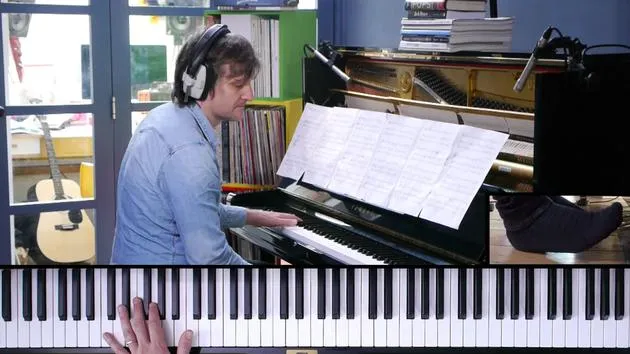
01. Hallelujah I Love Her So, Ray Charles (Interpretación)
Lección gratis2:39
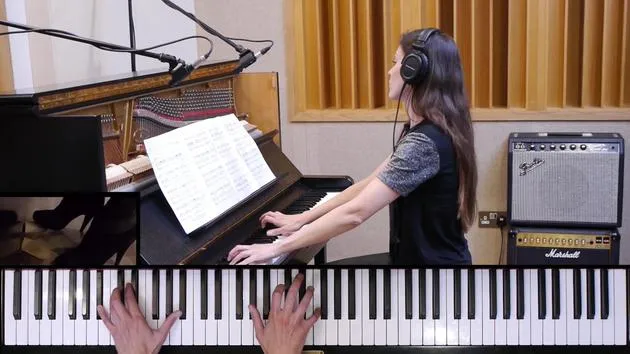
02. I See Fire, Ed Sheeran (Interpretación)
2:40
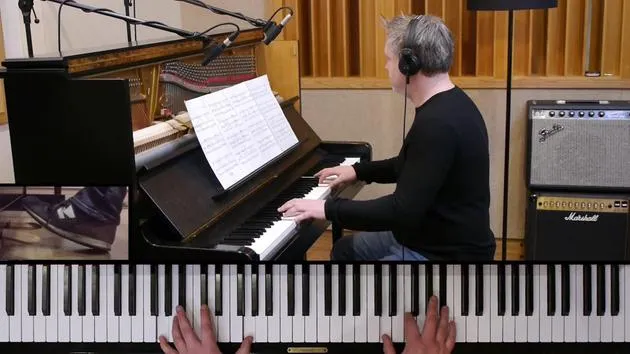
03. Your Song, Ellie Goulding (interpretación)
3:35
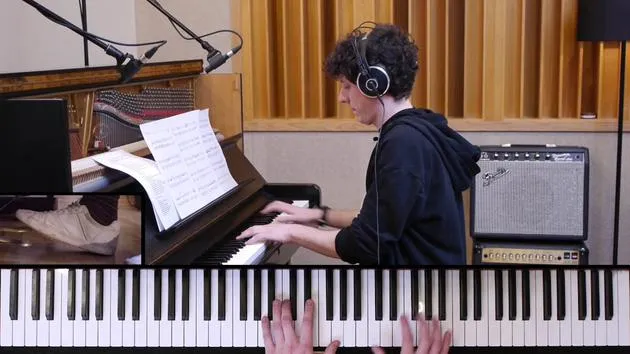
04. Funkometer, Kit Morgan (Interpretación)
2:21
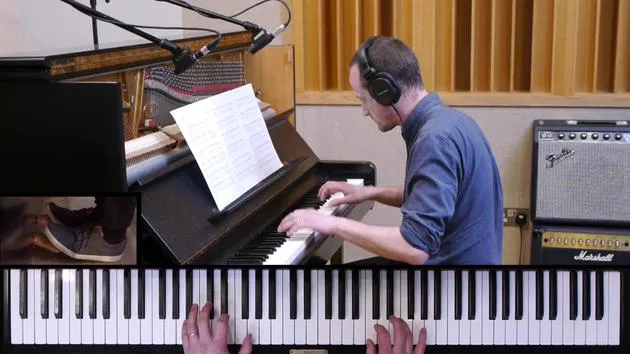
05. Crop Duster, Kit Morgan (interpretación)
2:10
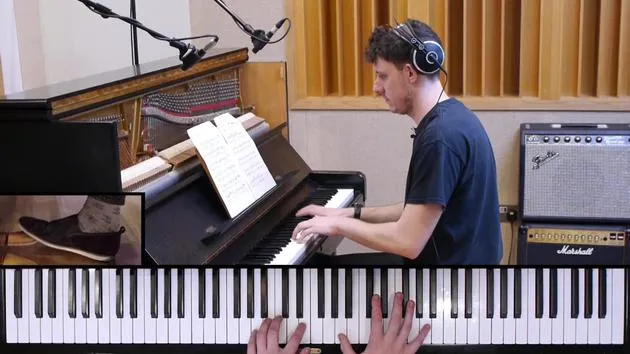
06. Circus Experience, Joe Bennett (Interpretación)
2:19

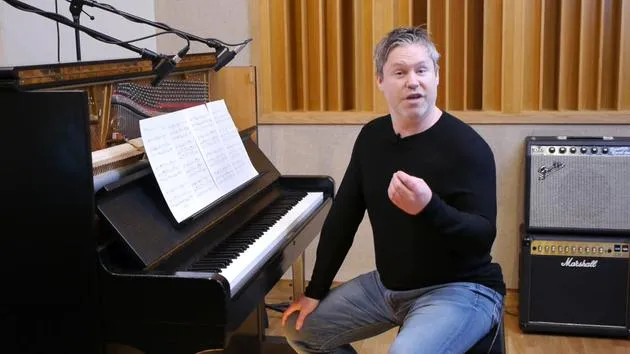
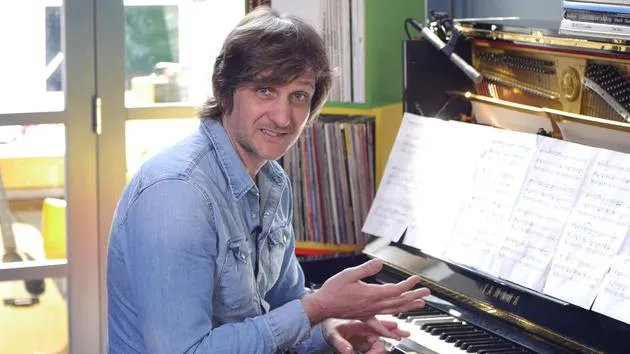
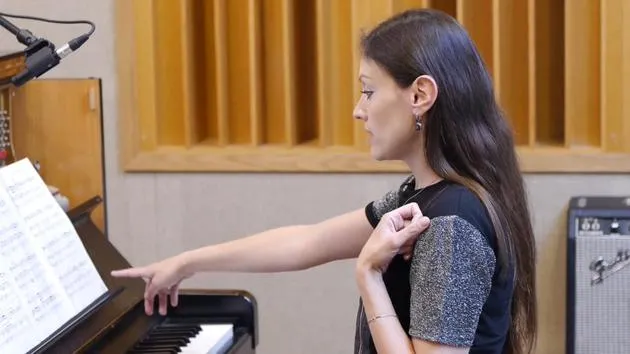
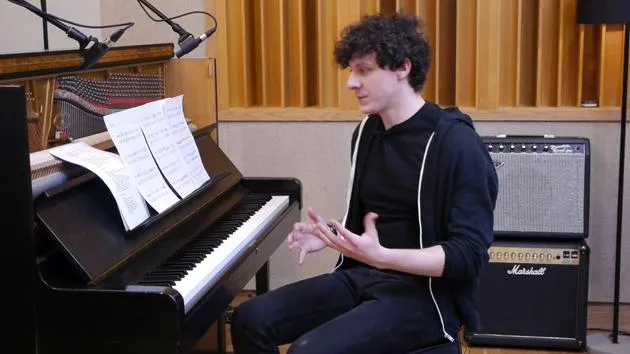
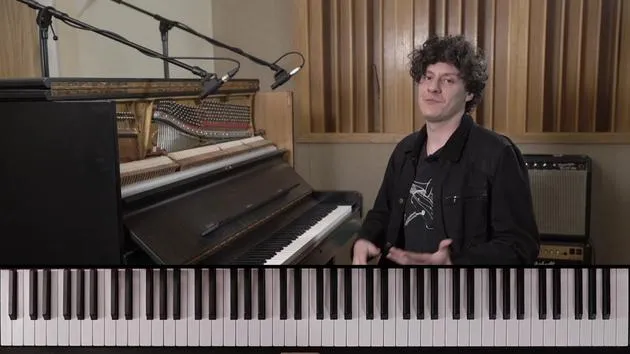
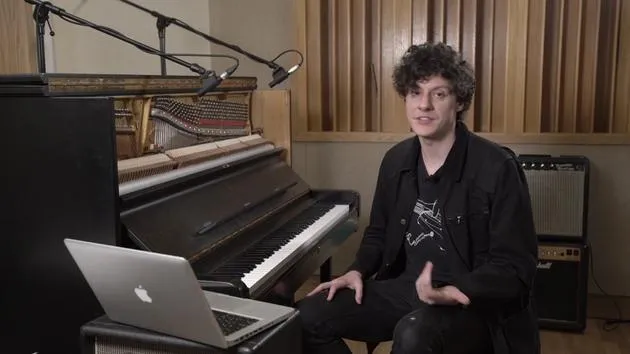
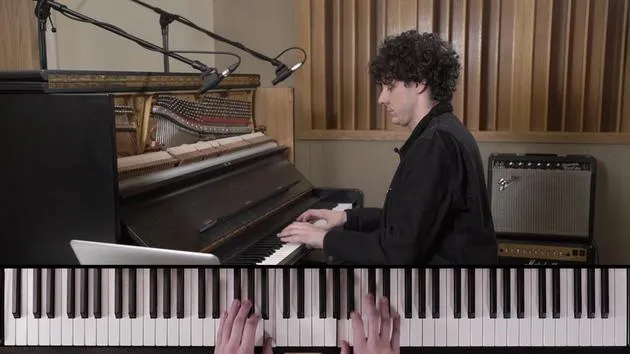
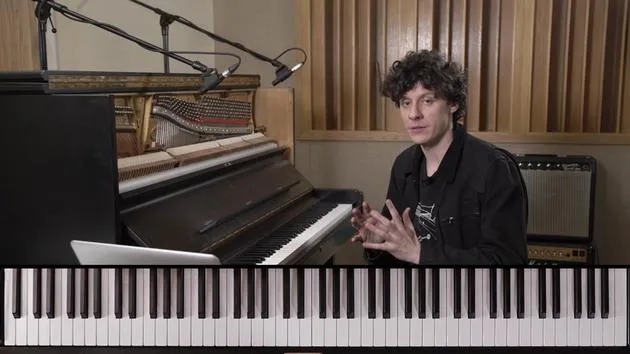
Transcripción de la lección
Improvisation Lesson: Level Two (Grades 3-5)
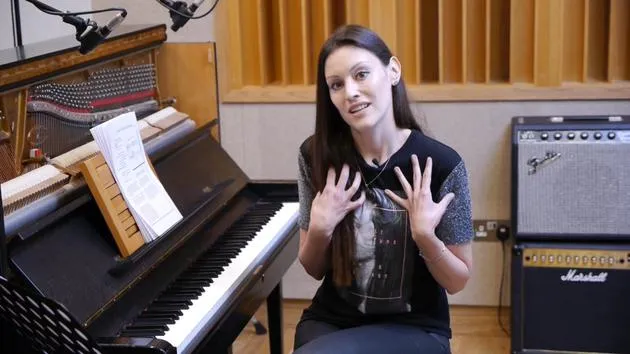
Hey, I'm James. Today, we're looking at improvisation.
Understanding the Syllabus
In the Rochecal syllabus, there are loads of great tunes written down. However, most of the solos, in fact, all the solos during the piano syllabus are written out.
- For instance:
- Funkometer
- Slam Dunk Funk
These tunes are fantastic pieces, but it's important to note that the solos are pre-written. This approach is an excellent way to learn the sound of other musicians and enhance your technique, alongside every other aspect of playing written music.
The Importance of Improvisation
If you're aiming to be a creative player in genres like pop, jazz, blues, or rock, it's essential to be able to improvise as well.
Today, we will be using the format of the blues to guide you on how to improvise.
Recap: The Blues Scale
In the first lesson, we discussed the blues scale and playing over different forms, specifically the 1, 4, 5 of the blues. Now, we're going to build on that foundation and make it slightly more complicated by developing the more interesting aspects of the blues.
Chord Tones
Let's talk about chord tones.
- For example, with F7, the chord tones are:
- 1 (root)
- 3
- 5
- 7
By utilizing these chord tones, we can improvise effectively.
Blues Sequence
Through the blues sequence, we have the three chords of the blues. From this, I'm going to show you how to develop interesting and exciting ways of improvising.
Let's dive in!
29 lecciones
2h 21m de lecciones en vídeo estructuradas
Funciones de vídeo avanzadas
Ralentiza, repite un pasaje, sigue la partitura
Móvil, tablet y ordenador
Practica donde quieras
Garantía de satisfacción 100%
30 días de garantía de devolución







