



Voicings de acordes - Grade 4
Trabaja los voicings de acordes de Grade 4, incluido el acorde de novena de dominante de Do (C9) y sus inversiones, y dónde encajan bien en un contexto de jazz.

Qué incluye el curso
29 lecciones (2h 21m) · 1 gratis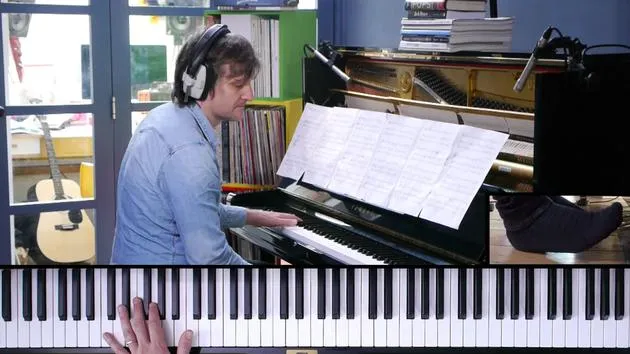
01. Hallelujah I Love Her So, Ray Charles (Interpretación)
Lección gratis2:39
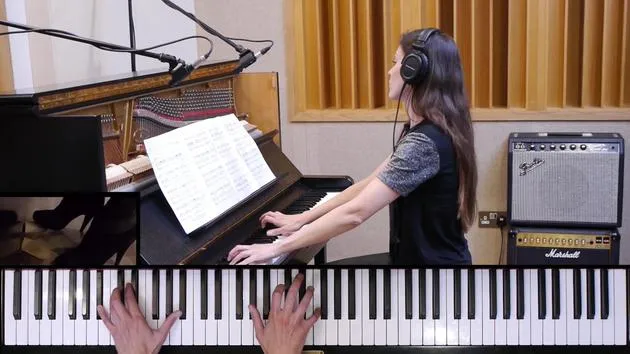
02. I See Fire, Ed Sheeran (Interpretación)
2:40
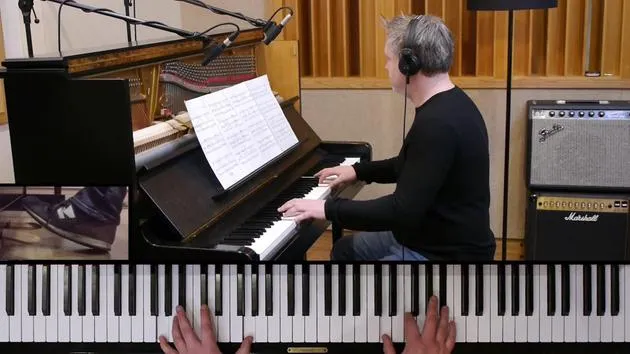
03. Your Song, Ellie Goulding (interpretación)
3:35
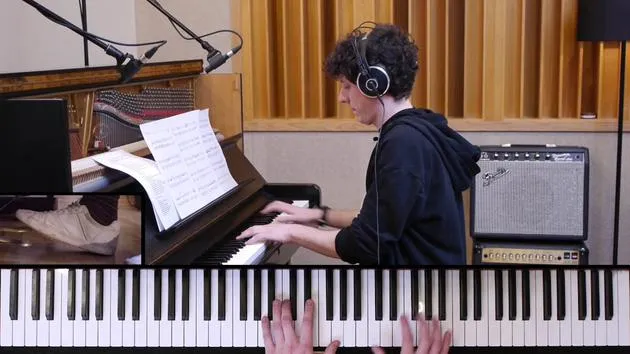
04. Funkometer, Kit Morgan (Interpretación)
2:21
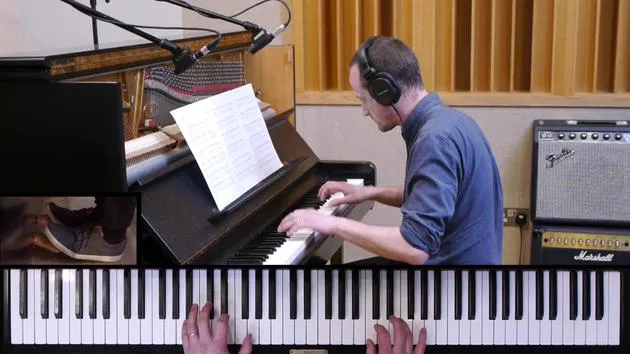
05. Crop Duster, Kit Morgan (interpretación)
2:10
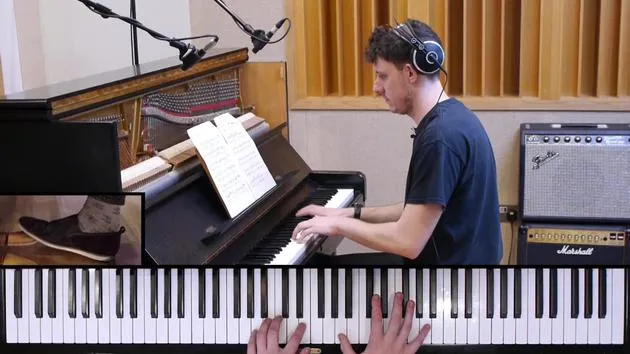
06. Circus Experience, Joe Bennett (Interpretación)
2:19


Transcripción de la lección
Chord Voicings Lesson
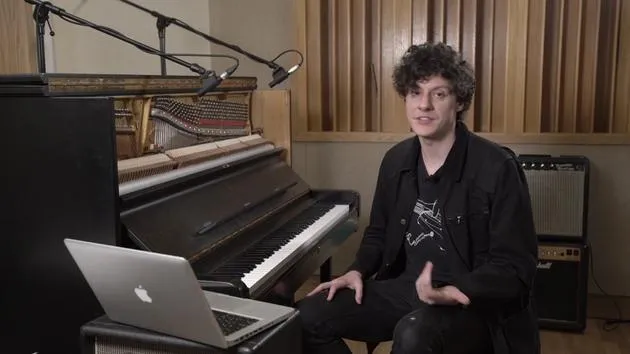
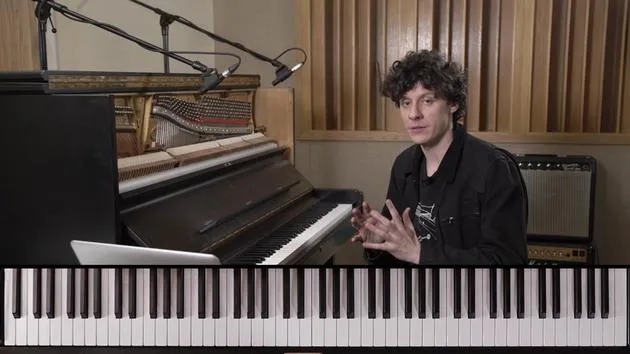
Now we move on to chord voicings. There are two types of chord voicing we're dealing with here today:
C Dominant 9 Chord
The C dominant 9, also known as the C9 chord, is basically the same thing as a seventh chord, except we're throwing in the ninth.
- C7 is, as I'm sure you know, a foundational chord.
- We're adding the ninth on top and playing this in different inversions.
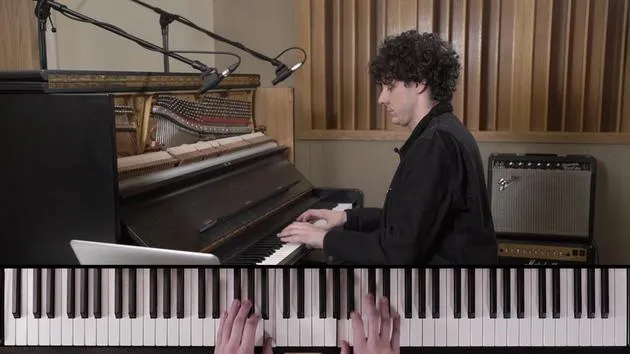
Here are the three C9 chords:
- First Inversion
- Second Inversion
- Third Inversion (This last one is great. It's a popular choice in the jazz world.)
If you're playing any blues or anything that involves a C7, this voicing provides a really nice, full thick sound which is nearly two octaves wide. It's an amazing sound that really spreads.
The Advantage of Piano in Jazz
One of the cool things about being a piano player in a jazz context is that you can play these lovely big voicings with two hands, something no other instrument can easily replicate, not even guitar.
C Minor 7 Chord
The other voicing we've got is the C minor 7. This chord is the same as the arpeggio we've been playing, but again, we're exploring it in slightly different inversions.
I'll play them three for you now:
- First Inversion
- Second Inversion
- Third Inversion (This first one is another really common one that I personally use all the time.)
It has a really lovely sound. You'll find this kind of cluster, which makes it sound a little jarring and uneasy. But as soon as you add the upper harmony on top (the third and the fifth), you get this beautiful voicing. Truly lovely!
Experimenting with Voicings
At this point, I encourage you to:
- Play around with these voicings.
- While you're currently learning them in C, a great idea would be to take them into all 12 keys.
Being able to play every voicing that you've learned throughout the Rock School syllabus in all 12 keys opens up a library of chords you can play on demand in pretty much any context.
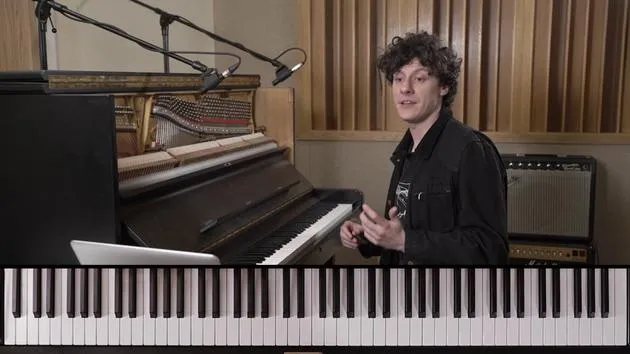
These voicings sound good no matter the music you're playing, so I highly recommend you get stuck in. Experiment with them and try improvising over them!
There are so many different possibilities to make these technical exercises fun. It's not all about boring scales, and if you do it right, you'll ace the exam and become a great player!
29 lecciones
2h 21m de lecciones en vídeo estructuradas
Funciones de vídeo avanzadas
Ralentiza, repite un pasaje, sigue la partitura
Móvil, tablet y ordenador
Practica donde quieras
Garantía de satisfacción 100%
30 días de garantía de devolución







