



Legato (hammer-ons y pull-offs)
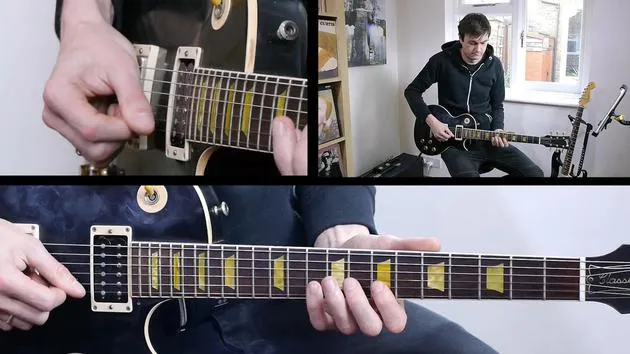
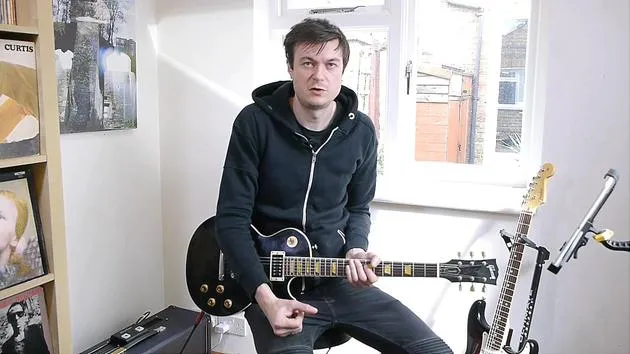
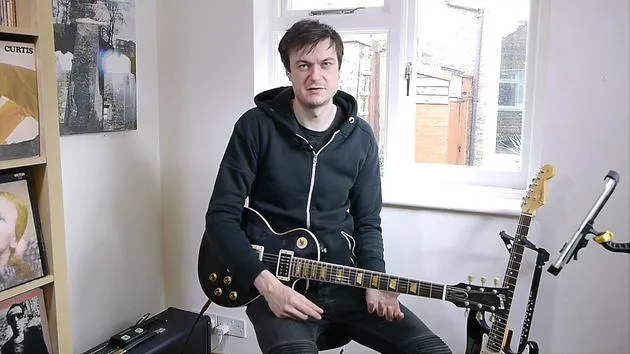
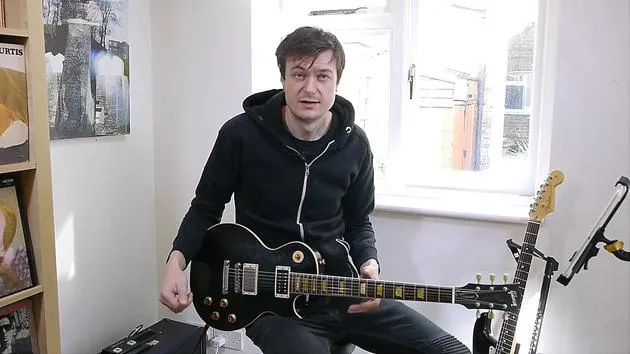
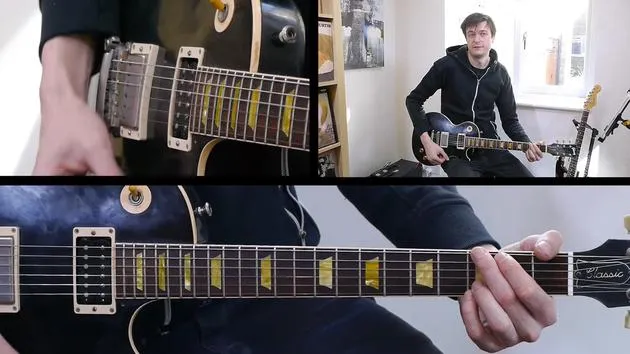
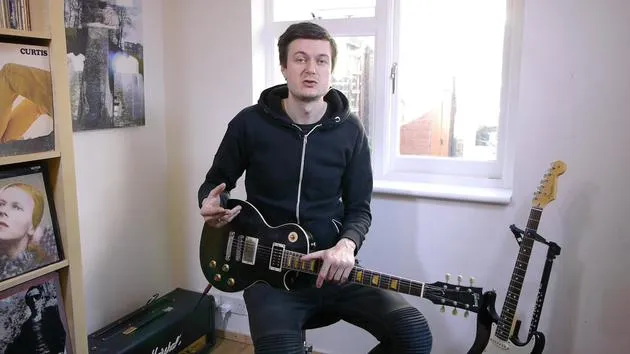
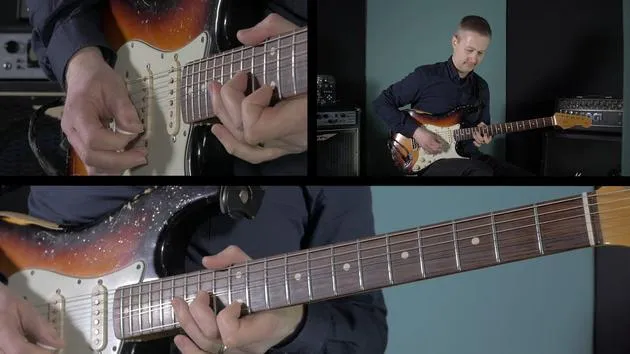
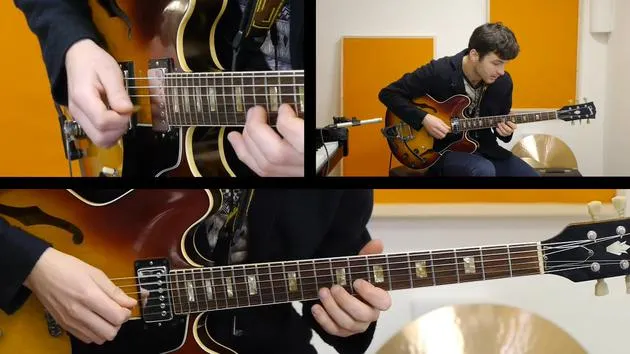
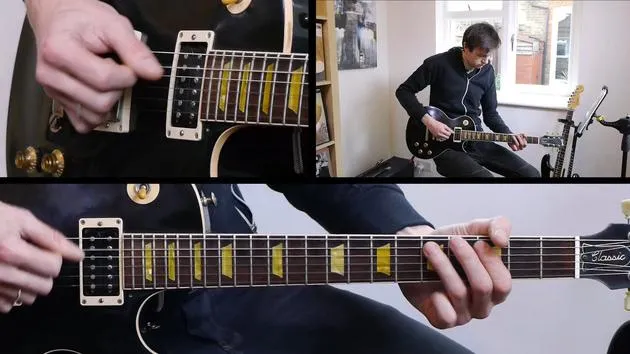
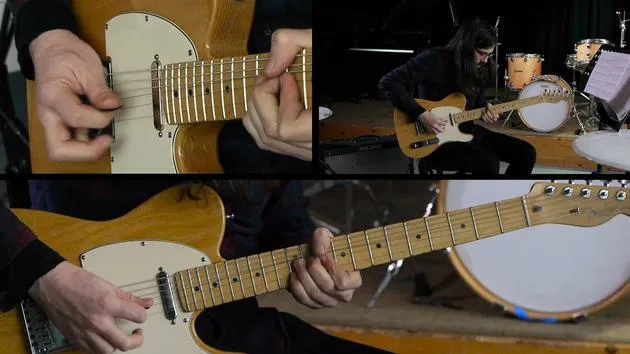
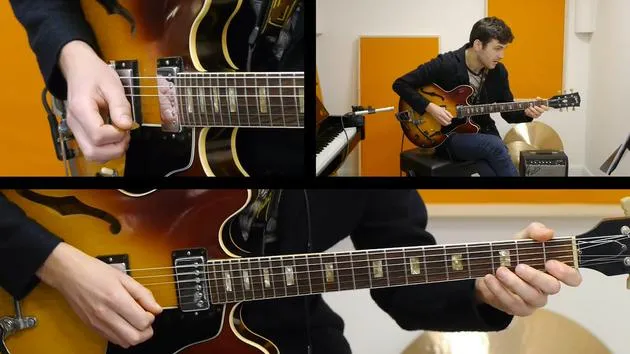
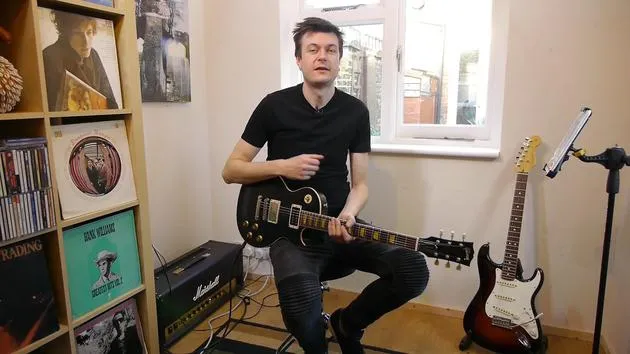
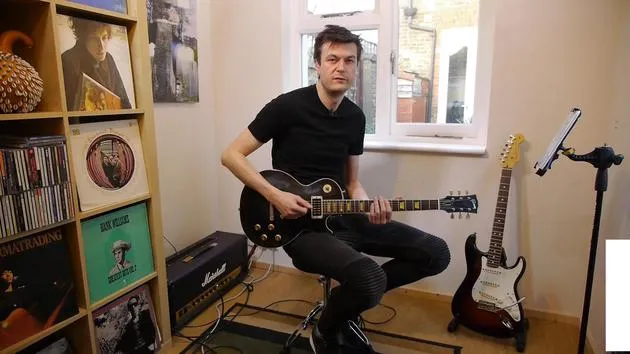
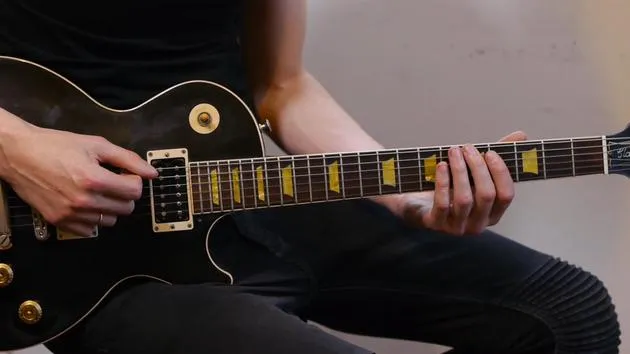
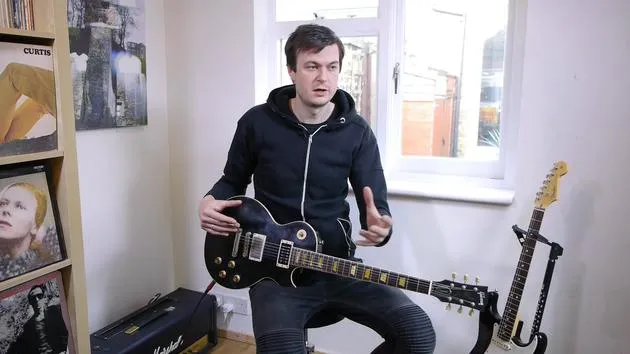
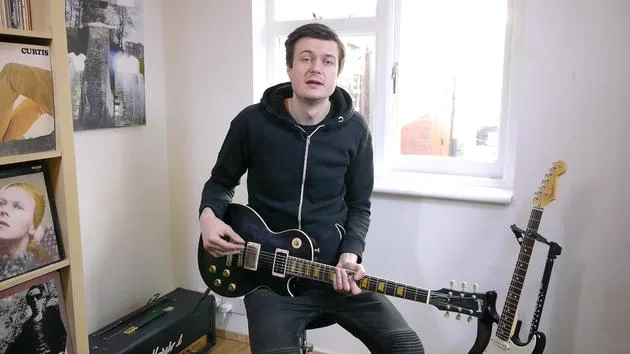
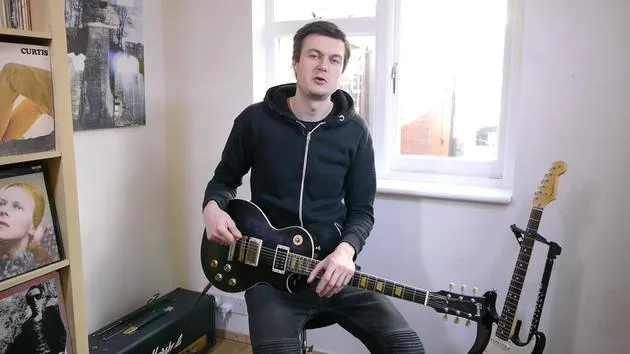
James Barratt explica el legato en la guitarra —hammer-ons y pull-offs— usando una escala descendente de Sol mayor para mostrar cómo tocar con fluidez sin puntear cada nota.

Qué incluye el curso
44 lecciones (3h 49m) · 1 gratis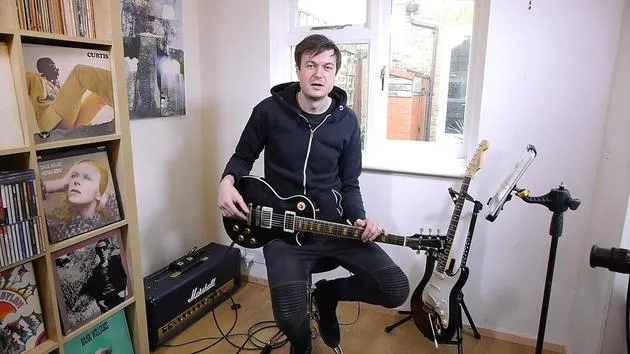
01. Introducción a los enfoques de la improvisación
1:00
02. Adornar una melodía
5:36
03. Reto: Envía tu melodía
0:26
04. Acordes de séptima
6:38
05. Componer tu solo
8:53
06. Más extensiones y acordes sus
4:19
07. Acompañar en dos estilos musicales diferentes
Lección gratis8:36
08. Combinar el comping rítmico y melódico
4:24
09. Improvisación rítmica y comping
9:55
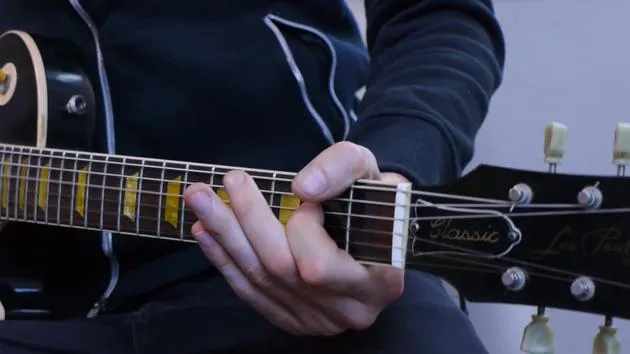
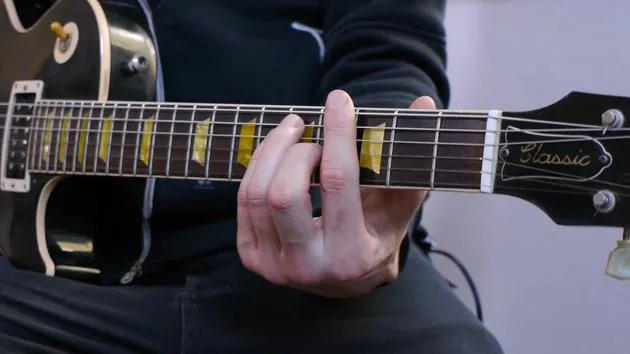
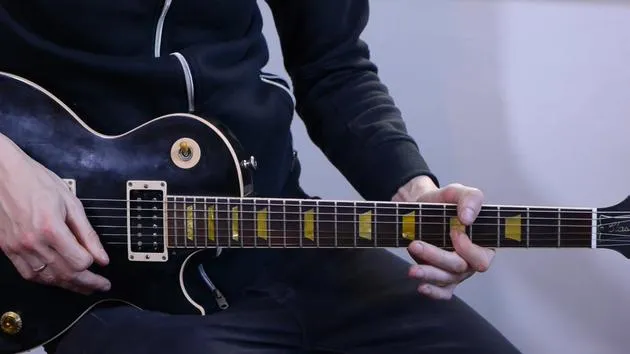
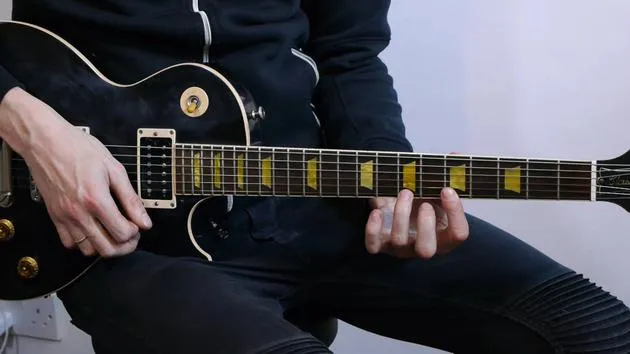
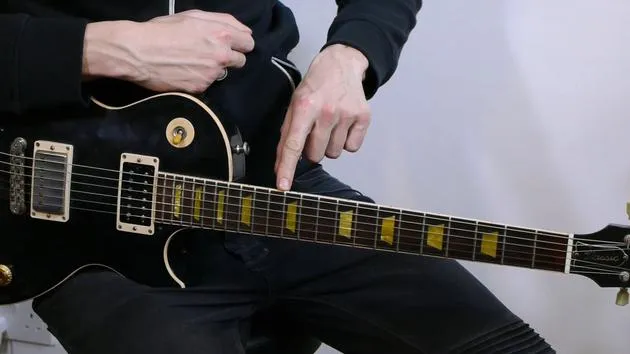
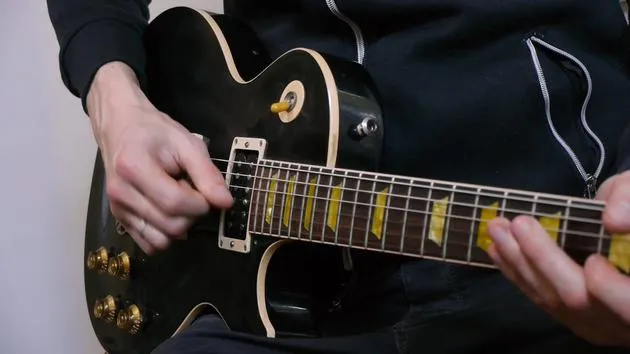
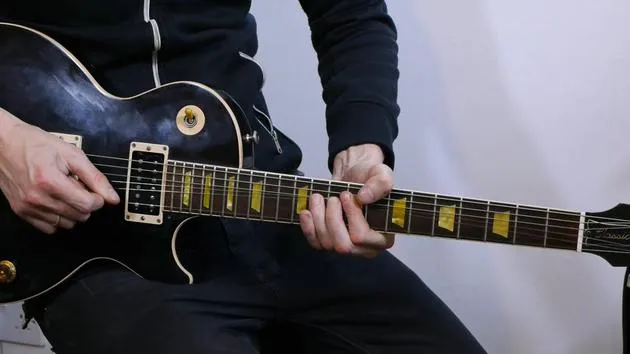
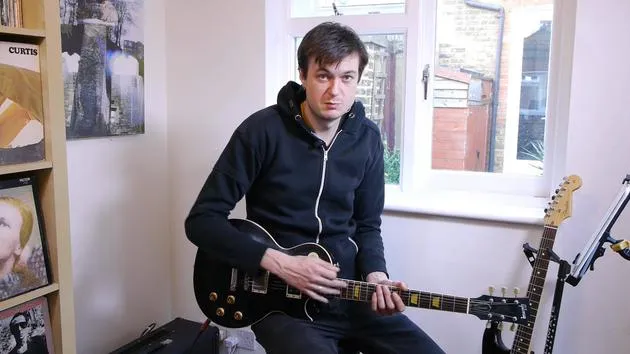
Transcripción de la lección
Basic Legato Technique for Guitar
Introduction to Legato
Today, let's discuss a bit of basic legato technique. Legato technique consists of:
- Hammer-ons
- Pull-offs
These are the two main components of legato technique on the guitar.
Demonstration of the G Major Scale
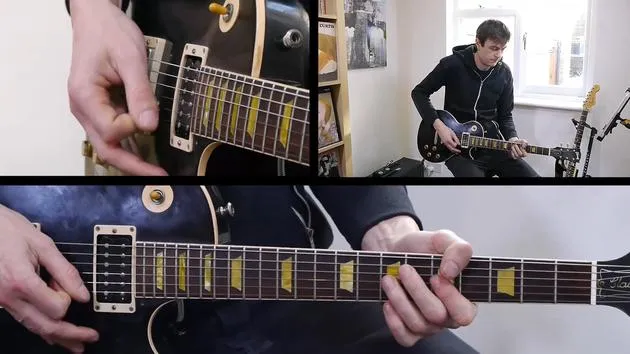
I'll demonstrate by playing a G major scale descending. First, I'll pick it all, and then I'll play it legato so you can hear the difference.
The Meaning of Legato
The term "legato" means smooth. When I play the scale using only picking, it sounds clean but not particularly smooth. In contrast, when I play it legato with hammer-ons and pull-offs, it sounds much smoother.
Playing the Scale
Here's how it sounds when played legato:
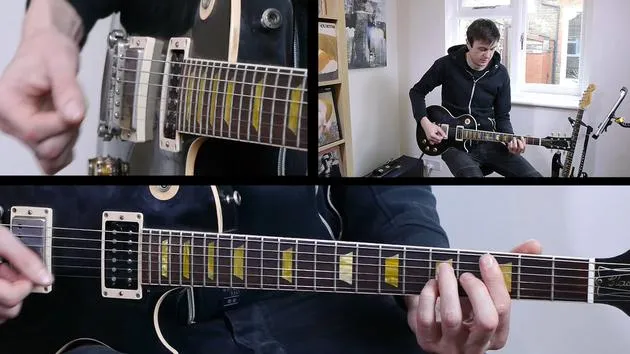
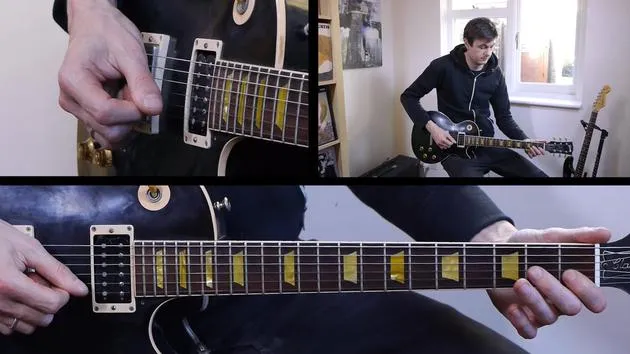
- Picking with my right hand: I pick the first note on each new string.
- Generating power from my left hand: All the power for the notes comes from my left hand.
That was the G major scale descending using pull-offs.
- Pull-offs: Used when moving down a legato phrase.
- Hammer-ons: Used when moving up.
Hammer-ons Demonstration
Let me demonstrate hammer-ons quickly, then we'll look at some finer examples. Here's the G major scale performed ascending using hammer-ons:
Practice Techniques for Hammer-ons and Pull-offs
There are a few ways to practice hammer-ons and pull-offs. Let's isolate them:
- Pick a string: We'll use the D string.
- Play the open D note.
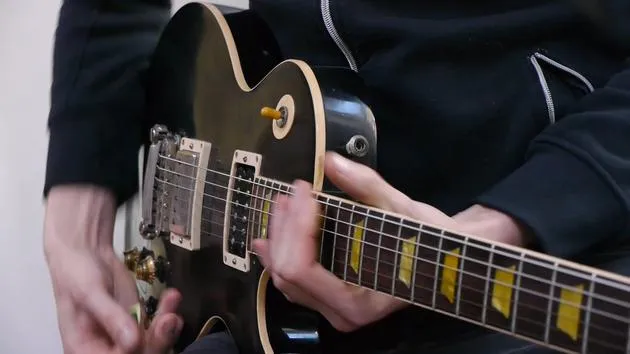
- With any finger on your left hand (I'll use my second finger), hammer on to the second fret.
Explanation of Hammer-ons
- When I say "hammer on," I mean I'm physically hammering onto the fretboard with my left hand.
- My right hand won't touch the string after I play the first note.
Here's a slow demonstration:
- I'll pick, then hammer on.
Ensure the hammer-on sounds as loud as the picked note.
Practicing Pull-offs
Now, let's reverse that and practice pull-offs:
- Pick the second fret first.
- Without picking again, remove your right hand and pull off to the open D string.
Technique for Pull-offs
- When pulling off, pull to the side of the string instead of coming directly off.
- This technique ensures you generate energy into the open string, resulting in a louder pull-off.
Combining Hammer-ons and Pull-offs
Putting it together, we can create a hammer-on followed by a pull-off. Here's how:
- Pick the open D string, hammer on, then pull off to get this sound.
If we add these together rapidly, we can achieve a trill. For example, here's a trill with the first finger.
Practicing Trills
You can practice trills on any open string or fretted note. You can also try two fretted notes, such as:
- Second fret on the G string
- Hammering on and pulling off from the fourth fret on the B string.
This requires more strength from your left hand because the back-end note must remain fretted.
Applying Techniques to Scales and Melodies
Once comfortable with hammer-ons and pull-offs on one string, you can start applying these techniques to scales or melodies you've learned.
For example, with the G major scale:
- Start at the bottom.
- Pick the first note on each new string.
- Follow this pattern: pick, pick, hammer on, hammer on, pick, hammer on, hammer on, pick.
Descending the Scale
When going back down, we follow the opposite direction:
- Still pick the first note on each string, but use pull-offs in the opposite direction.
This results in a smooth sound compared to all picks, which sounds much less fluid.
Conclusion
Incorporating legato technique into your playing is a valuable addition once you have a reasonable grounding in it. It can enhance the songs you've learned and bring a new level of smoothness to your playing. Happy practicing!
44 lecciones
3h 49m de lecciones en vídeo estructuradas
Funciones de vídeo avanzadas
Ralentiza, repite un pasaje, sigue la partitura
Móvil, tablet y ordenador
Practica donde quieras
Garantía de satisfacción 100%
30 días de garantía de devolución







