



Times Square
Rob Luft analiza 'Times Square', la pieza de fusión jazz-funk de Grado 7 en Sol menor, y las influencias de Scofield, Stern y Carlton que hay detrás de su sonido.

Qué incluye el curso
44 lecciones (3h 49m) · 1 gratis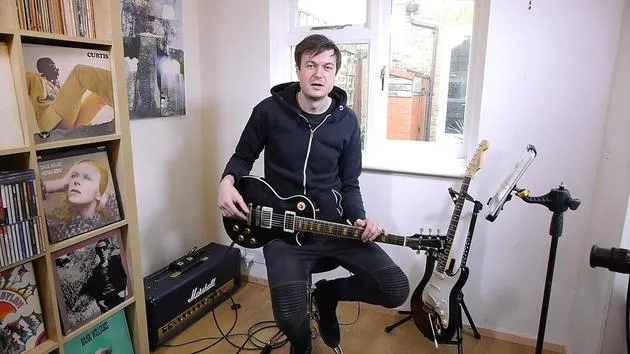
01. Introducción a los enfoques de la improvisación
1:00
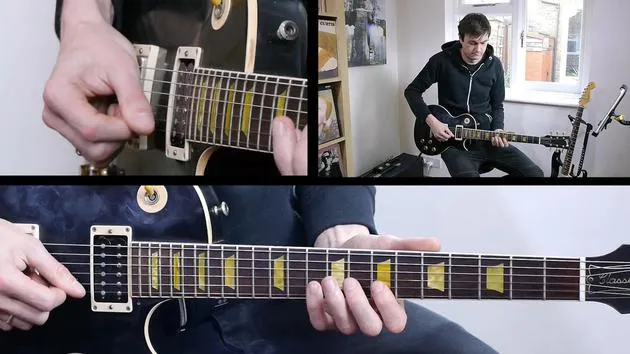
02. Adornar una melodía
5:36
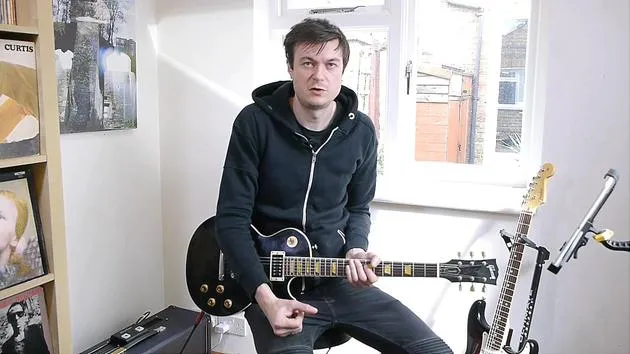
03. Reto: Envía tu melodía
0:26
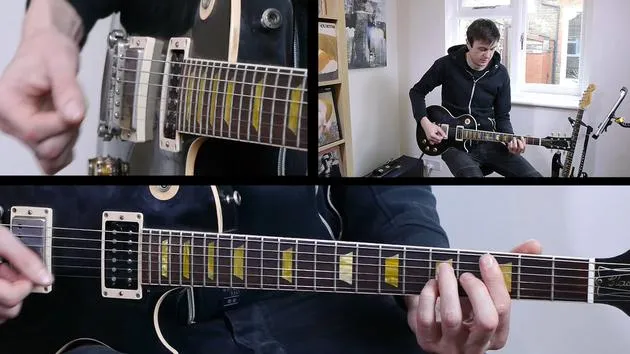
04. Acordes de séptima
6:38
05. Componer tu solo
8:53
06. Más extensiones y acordes sus
4:19
07. Acompañar en dos estilos musicales diferentes
Lección gratis8:36
08. Combinar el comping rítmico y melódico
4:24
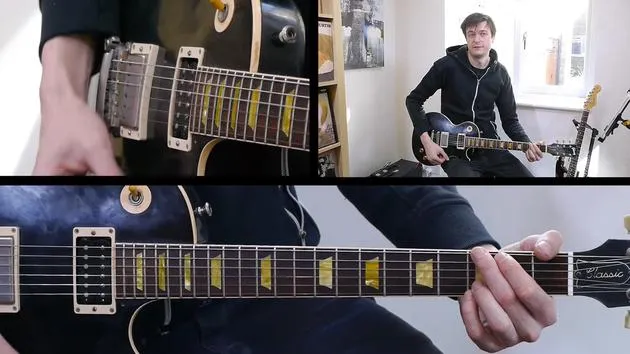
09. Improvisación rítmica y comping
9:55
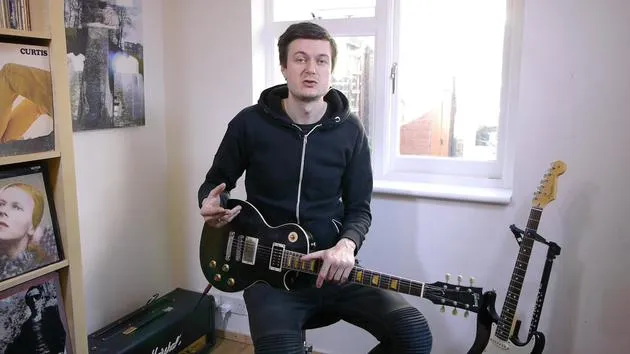
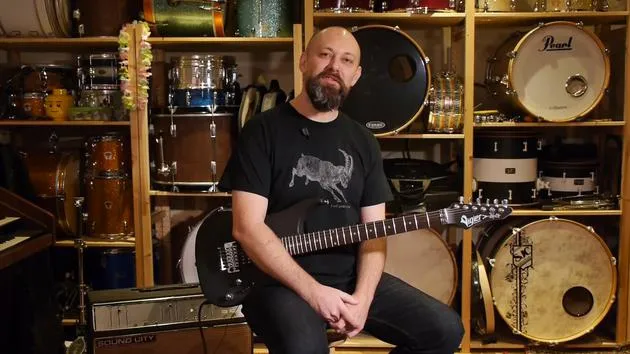
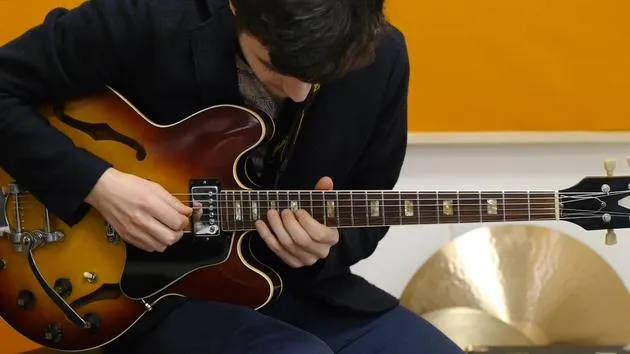
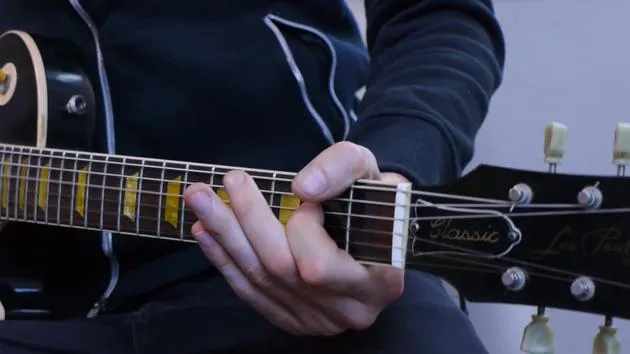
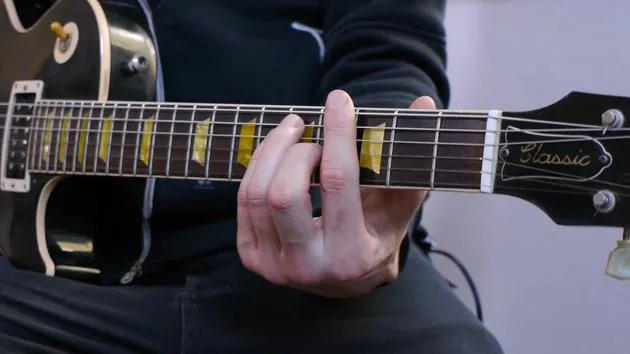
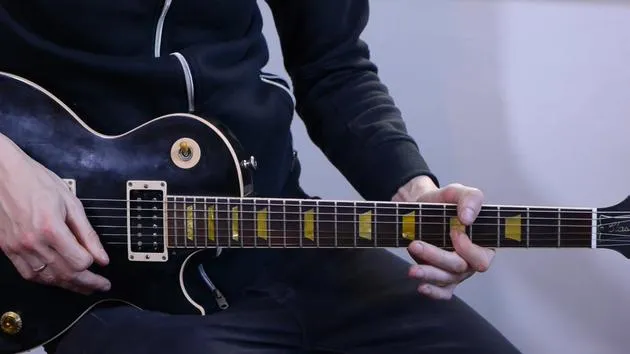
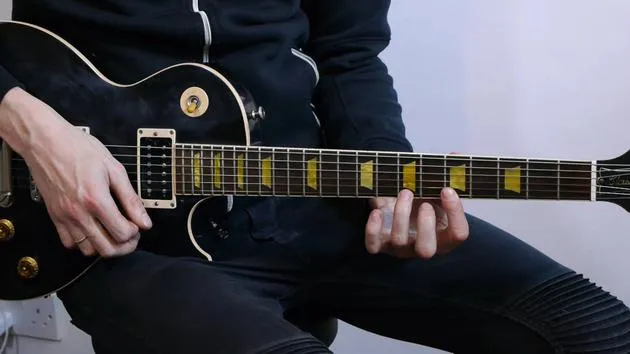
Transcripción de la lección
Times Square: Jazz Funk Fusion in G Minor
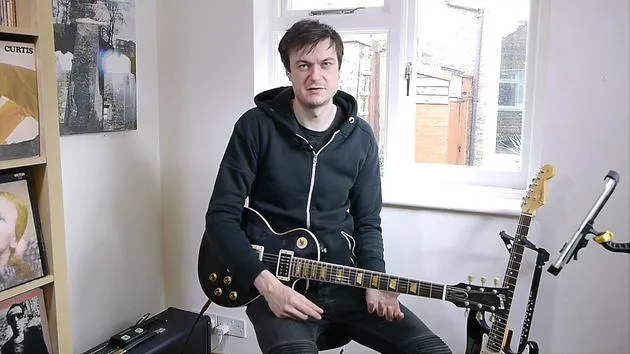
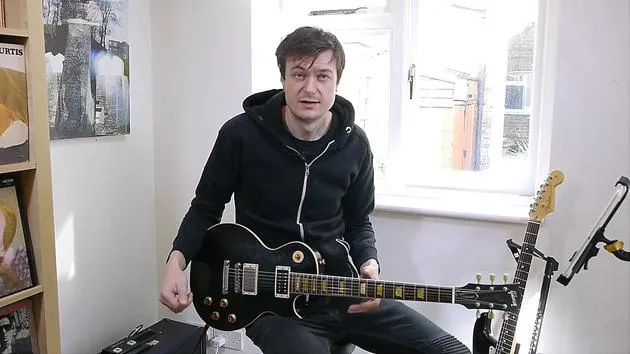
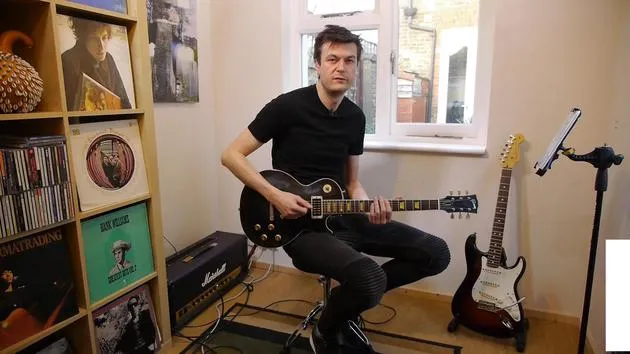
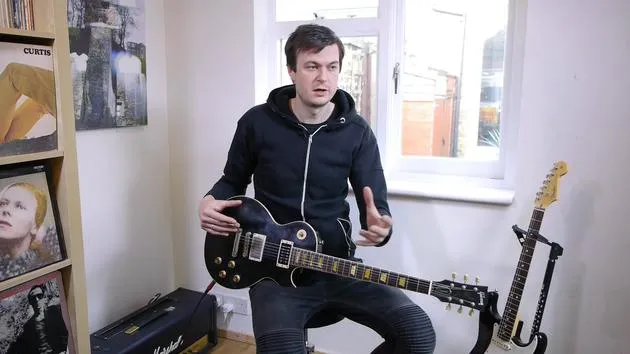
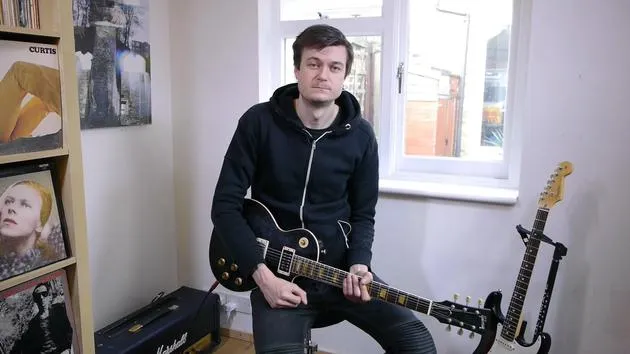
Here we are in G minor, playing some jazz funk fusion. This is a great piece. It's got some wide intervals and some chromatic language, it's got a bit of everything in it! I really like it. I adore the groove and the influence from late 20th-century artists like:
- John Scofield
- Mike Stern
- Larry Carlton
Influences and Sounds
What I really love about it is how it takes influence from their sound and style. Let's dive right into it:
-
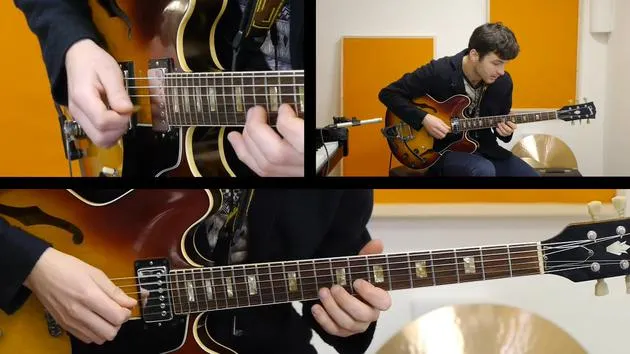
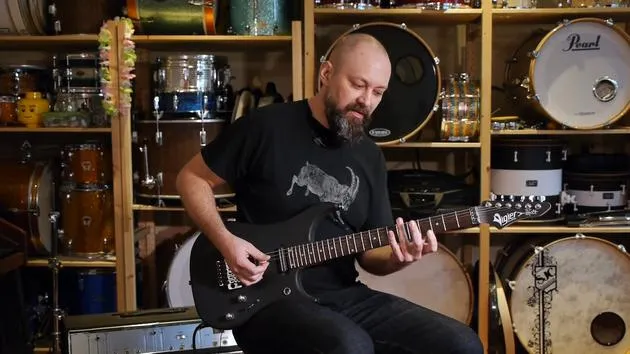
John Scofield has a bright, edgy sound, often associated with picking at the bridge, very gritty. He famously played an Ibanez AS200.
-
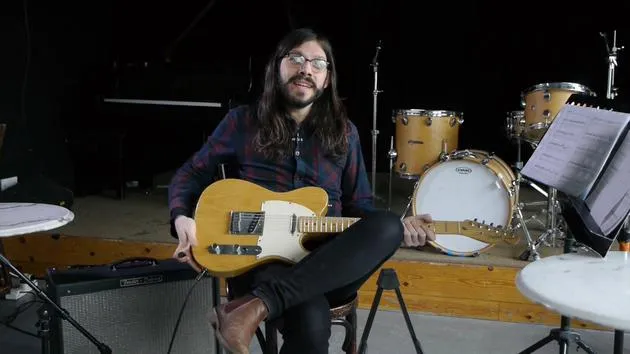
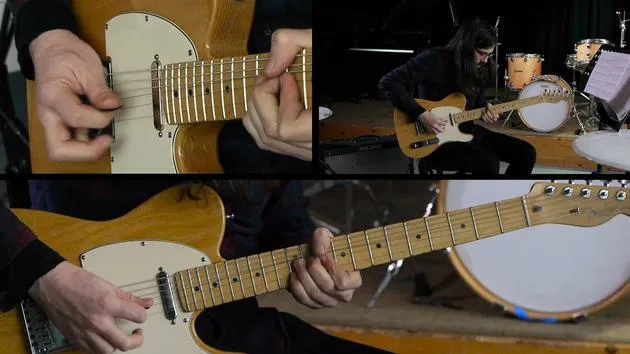
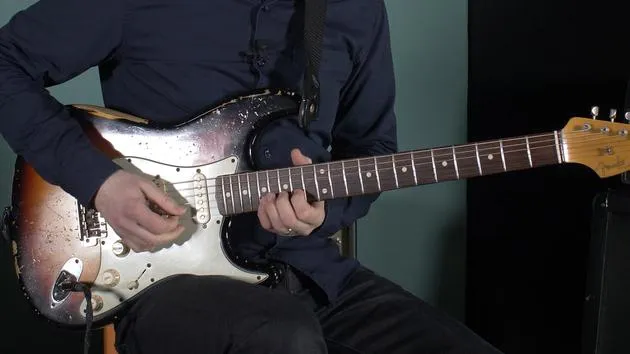
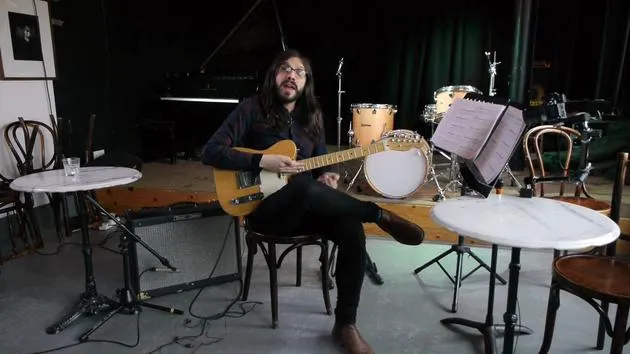
Mike Stern, on the other hand, played a Telecaster with a lot of chorus and a bit of delay, lending a warmer tone. His style reminds me a bit of my own.
-
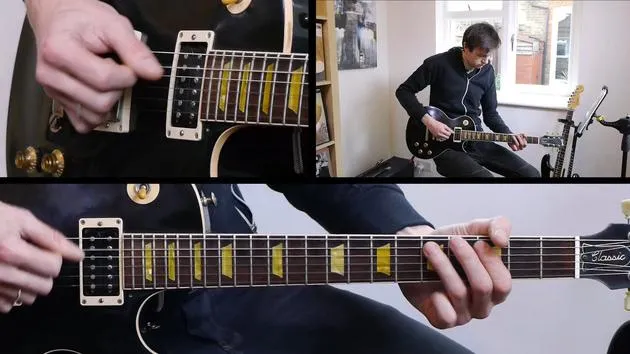
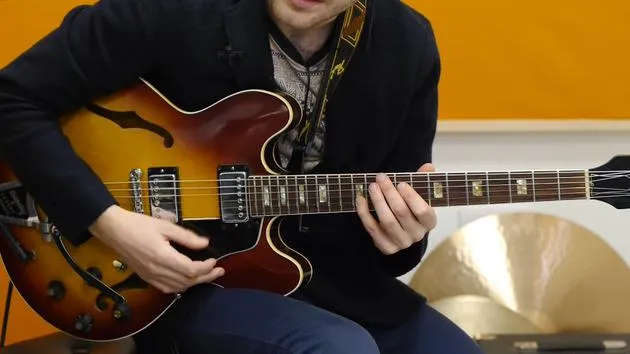
Larry Carlton, known for playing on the back pickup of the Gibson 335, had big hits with tracks like "Rune" and played on the Asia album by Steely Dan. His sound on tracks like "Black Cow" features that very bright tone.
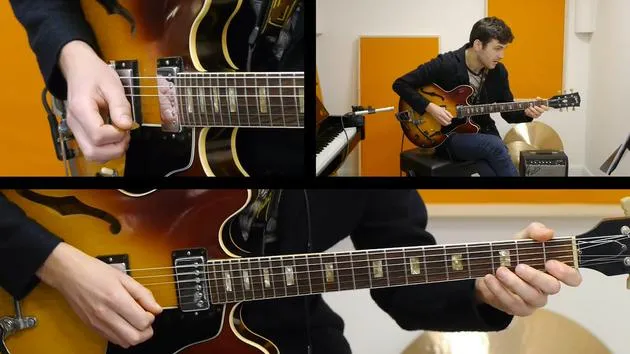
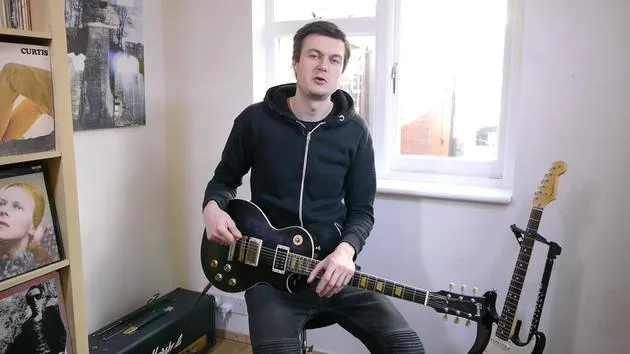
You can hear three different ways of playing the same line. Personally, I'm much more in the Mike Stern world of warm jazz.
Pat Metheny also influenced Mike Stern, and they were around at the same time. Metheny is a significant influence on me as well, with his warm, subtle tone, achieved by picking towards the neck of the guitar and adding some delay.
Time Feel
Now, let's discuss the time feel. This piece is in a straight eighth style, unlike a lot of jazz that swings, here the eighth notes are straightened.
It's interesting to note that we have the option to swing the semiquavers (16th notes) while keeping the eighth notes straight.
Check it out:
3, 4.
So, our 16th notes swing like a jazz drummer would, but our eighth notes remain straight, resembling a funk groove. This contrast is typical of the 1980s jazz funk fusion style.
Technical Aspects
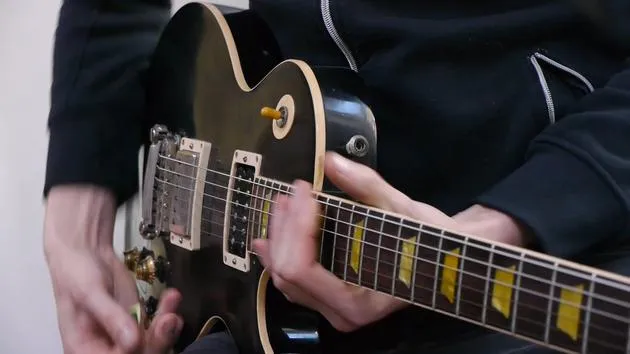
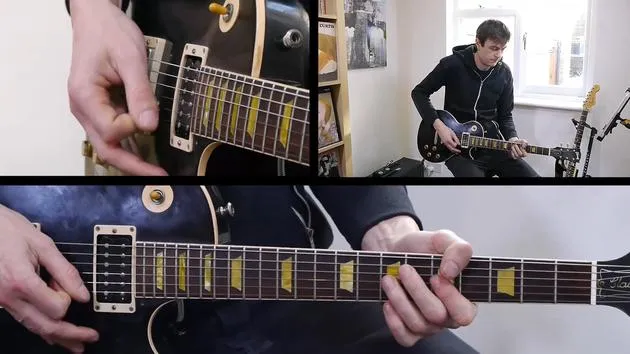
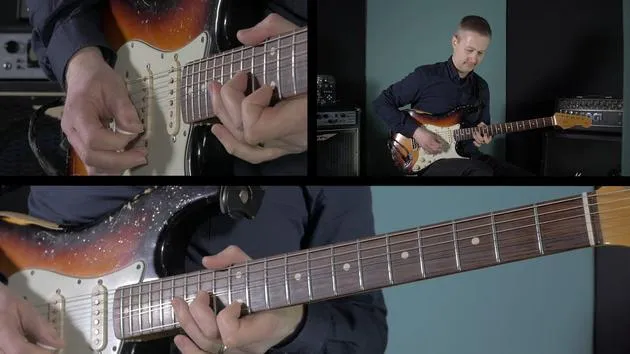
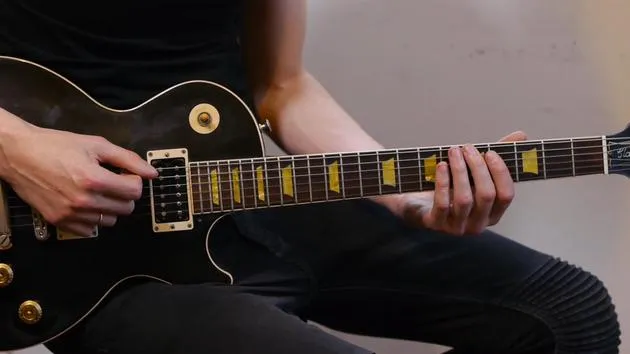
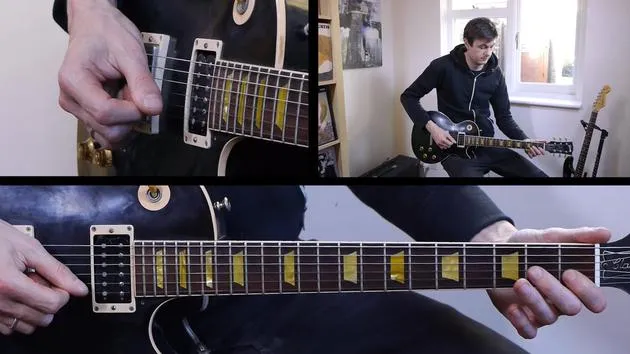
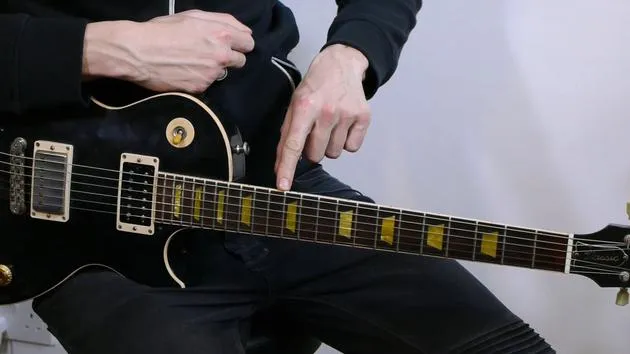
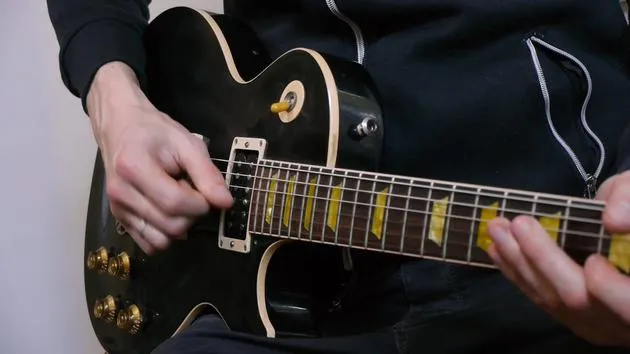
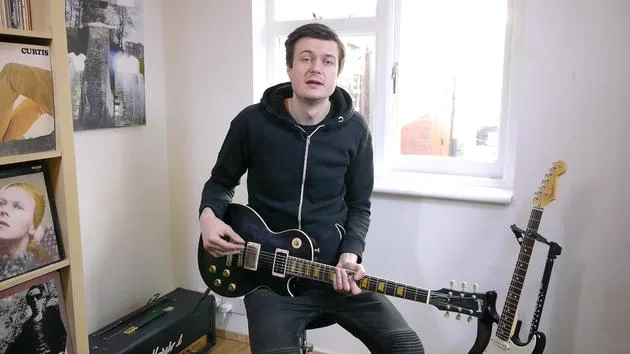
Technically, I'm playing always with a plectrum. This piece includes a lot of difficult melodic vocabulary using:
- Wide intervals from the diminished scale.
- Chromatic runs from the chromatic scale.
Example: The Coda
Let's take a look at one of those, the coda, as a great example.
What you are hearing are somewhat angular, symmetrical sounds coming from a scale we call the half-whole diminished scale.
Why Half-Whole Diminished Scale?
It's called the half-whole diminished scale because it is a symmetrical scale created as follows:
- Play from the note G
- Half tone → Whole tone → Half tone → Whole tone
- Repeat until you return to G
Let's play this scale in G:
G, A flat, B flat, B, C sharp, D, E, F, and back to G.
This is for the whole two octaves associated with G: 7th, 13, flat 9.
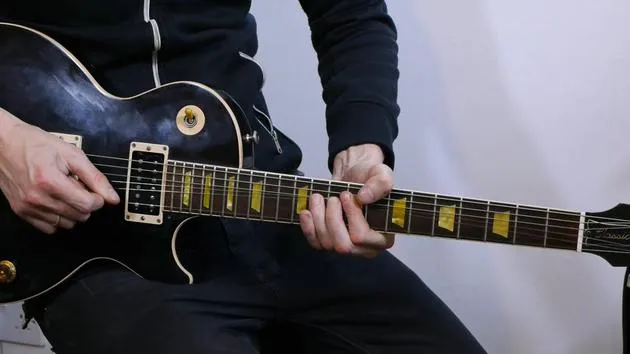
This fascinating scale moves up every three frets (minor third) and will repeat. As you can see in bar 38, you can move down three frets with the same fingering for some intriguing sound textures.
This is a sound typical of guitarists like John Scofield, especially in albums like Blue Matter and A Go Go.
Solo Sequence
Now, let's talk about the solo sequence and how to improvise over it.
Chord Progression
- Start with B minor (Letter C) as the first chord.
- Move to F sharp over A sharp (first inversion/F sharp dominant).
In my solo, I used a bit of harmonic minor, which has amazing tension and release qualities. You can play harmonic minor over B minor.
Continuing the Progression
When it shifts to A sharp, F sharp, you can maintain the same harmonic minor approach.
- Next, we have D over A, akin to a B minor 7 sound.
- Then E over G sharp, which can sound like a B minor 6.
Following this through:
- Transition to E minor over G
- Move to Asus and A7.
If you're having any trouble with modes or scales, check out the technical exercises section of the book and this course or don't hesitate to ask your teacher.
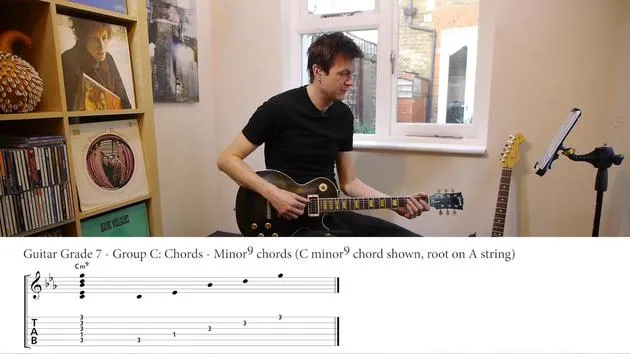
Exploring Chords and Scales
Now, addressing the B flat over C (C11) and D11 chords, I utilize the minor pentatonic scale, played a fourth down:
- G pentatonic for B flat over C.
- A minor pentatonic for C over D.
By freely moving between these scales, you can effectively address every tonality within the piece.
Conclusion
To sum up, remember to explore the music of John Scofield, particularly albums like Blue Matter and Loud Jazz Groovalation. Don't forget Mike Stern and his collaborations, such as with saxophonist Bob Berg on the great record Friday Night at the Cadillac Club.
Familiarize yourself with the music of 1980s jazz funk fusion, notably Pat Metheny, Bill Frisell, and Larry Carlton. Feel free to ask your teacher for any additional recommendations, and I'm sure you'll enjoy this funky piece.
Thanks so much!
44 lecciones
3h 49m de lecciones en vídeo estructuradas
Funciones de vídeo avanzadas
Ralentiza, repite un pasaje, sigue la partitura
Móvil, tablet y ordenador
Practica donde quieras
Garantía de satisfacción 100%
30 días de garantía de devolución







