



Soma
Stuart Ryan desglosa la pieza de Rockschool 'Soma', centrándose en el control, el fraseo, los bends y el vibrato que hacen funcionar esta pieza de influencia Gilmour.

Qué incluye el curso
44 lecciones (3h 49m) · 1 gratis
01. Introducción a los enfoques de la improvisación
1:00
02. Adornar una melodía
5:36
03. Reto: Envía tu melodía
0:26
04. Acordes de séptima
6:38
05. Componer tu solo
8:53
06. Más extensiones y acordes sus
4:19
07. Acompañar en dos estilos musicales diferentes
Lección gratis8:36
08. Combinar el comping rítmico y melódico
4:24
09. Improvisación rítmica y comping
9:55
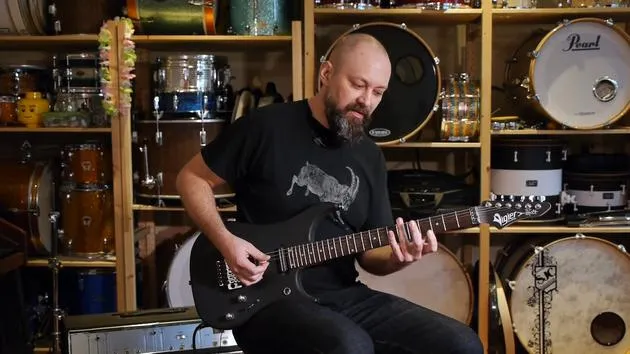
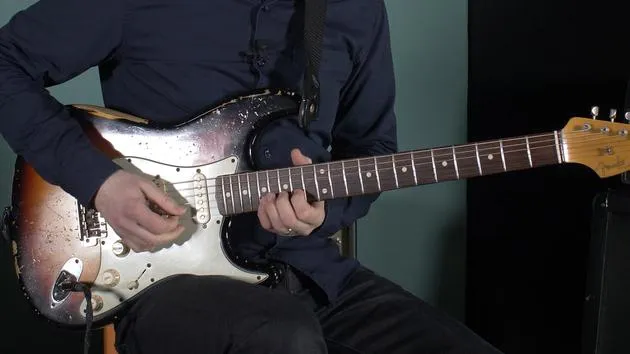
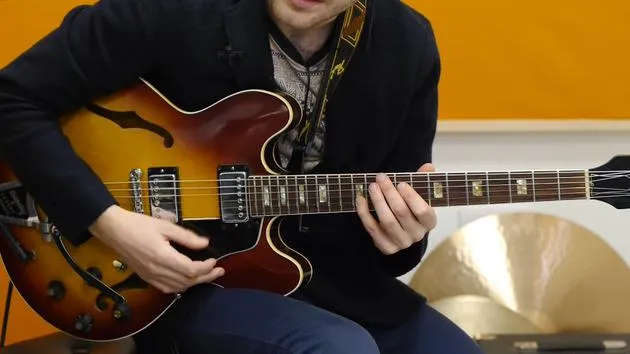
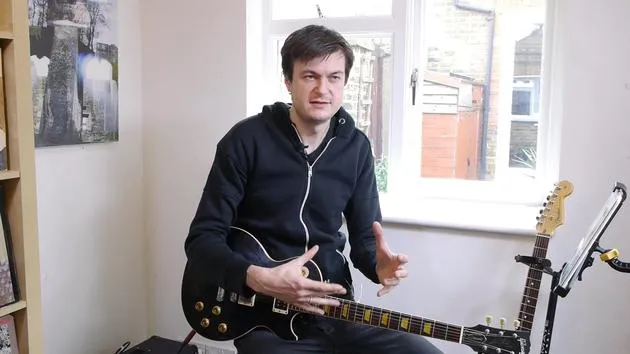

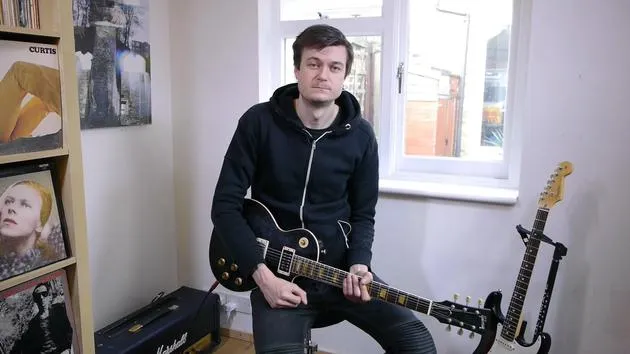
Transcripción de la lección
Soma Guitar Lesson
Soma is a beautiful piece and also a particularly challenging one. It looks quite short on the page, but it's one of those pieces that really requires control of the instrument and control of the phrasing.
Influences and Focus
It's influenced by a number of great guitar players:
- Gary Moore
- Jeff Beck
- Pink Floyd's David Gilmour
All of whom are masters at phrasing, particularly when it comes to things like bends, vibrato, and playing melodically.
With this piece, you want to focus on everything, section by section, to ensure that it's all in place before putting it together. In particular, section C has some difficult elements, which is why you're focusing on the harmonics.
Understanding the Time Signature
Before you start the piece, look at the time signature, which is 12/8. This means that each beat is split into an even triplet.
- If you're counting along, you'd think: 1 and 2 and a 3 and a 4 and a 1 and 2 and 3 and 4 & a.
Make sure your teacher helps you understand where the notes fall within each bar, because it's easy to get lost in 12/8 and lose track of the next set of notes.
The Tone for Soma
Getting the tone right for Soma is absolutely essential.
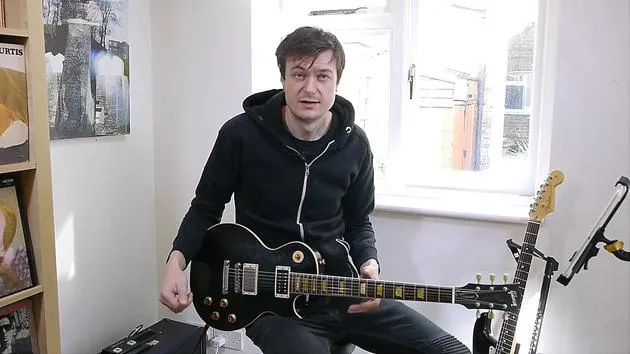
- Gary Moore often played a Les Paul with two humbucking pickups and a lot of sustain.
- Jeff Beck and David Gilmour favored Strats and have used a wide variety of amplifiers.
David Gilmour has often used high watts, whereas Gary Moore and Jeff Beck lean more towards Marshalls. For this track, focus on something with substantial gain, as many notes need to sustain for a long time.
However, there are times when you want to clean up the sound dramatically, which is done with the volume control. For example:
- Playing with a lot of gain allows sustain to keep in place.
- Dipping the volume down cleans things up dramatically.
This is in conjunction with the picking hand knowing when to dig in and when to ease off.
Dynamics and Sections
At section D, there aren't many chords to deal with.
- There are a couple of triads that appear, such as in the A section, where you arpeggiate the B major triad, but it's played within that melodic framework.
Building Intensity
As you can see, the piece builds in intensity as you progress:
- Section A: Starts with sparse phrases and sustained notes.
- Section B: Features runs to deal with.
- Section C: Strips back with the harmonic phrase leading into the solo.
In section D, the dynamic builds again, and you'll want to solo accordingly before decreasing the dynamic significantly out of the solo.
The dynamic range of Soma is enormous. As we've seen, the tone and attack play a significant part, but being aware of how to navigate the full dynamic range is critical.
Harmonic Vocabulary
Although Soma is written as a blues, there is a sophisticated harmonic vocabulary. Guitar players like Jeff Beck, Gary Moore, and David Gilmour draw from blues while adding extra scales:
- Natural minor scale
- Modal ideas, such as mixed Lydian and harmonic minor scales
Phrasing and Vibrato
We have long sustained notes, and vibrato is critical. When playing the first phrase, ensure that:
- You're pitching notes correctly as written.
- You master the vibrato technique.
Remember, vibrato is your signature. Consider using a slow wide vibrato rather than a fast one, as a fast vibrato in this context can be overwhelming.
Rhythmic Challenges
Within the 12/8 time signature, we also encounter some 16th notes (or semiquavers), which can be tricky. Phrases can catch you by surprise because the overall tempo is slow, yet you'll suddenly need to accelerate. A particularly challenging phrase is in the A section where you rake through an E minor arpeggio.
Sophisticated Progressions
When we get to the F# chord, we actually play an F# major. This is an elaboration of the harmonic vocabulary. At times over the F#, you'll find an E major chord overlaid before moving to F#.
We also have some longer runs previously encountered. For example, towards the end of section B, a long run over the B7 transitions back into E minor. Such phrases should be practiced slowly with vibrato at the end.
Harmonics and Techniques
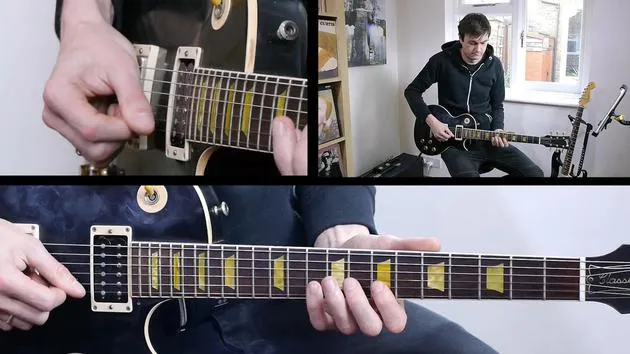
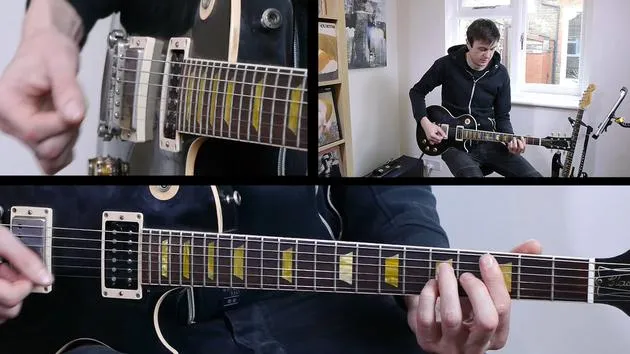
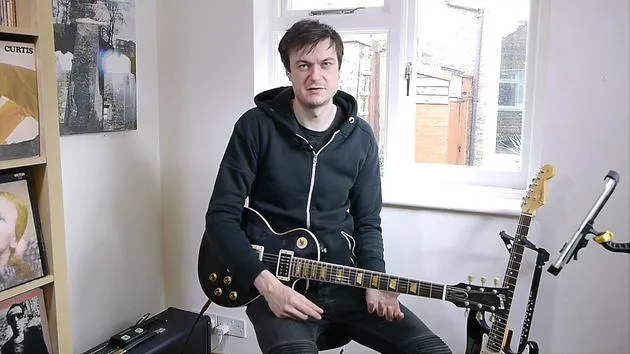
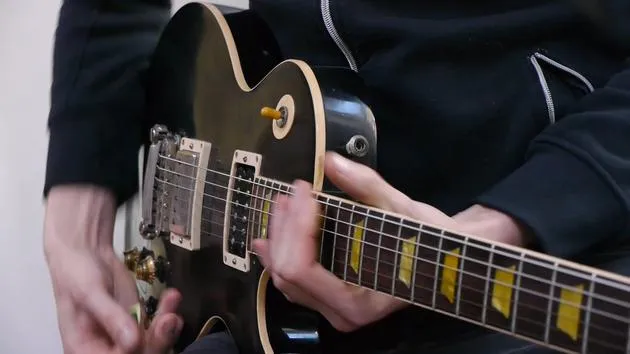
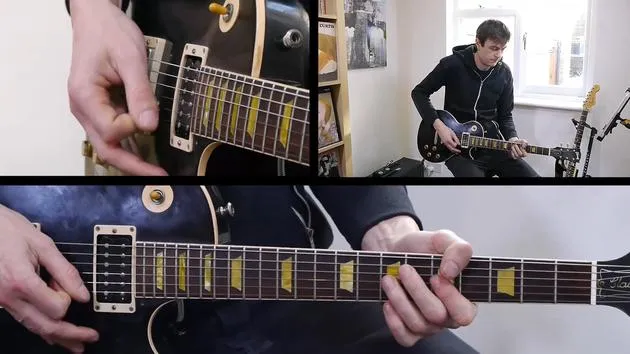
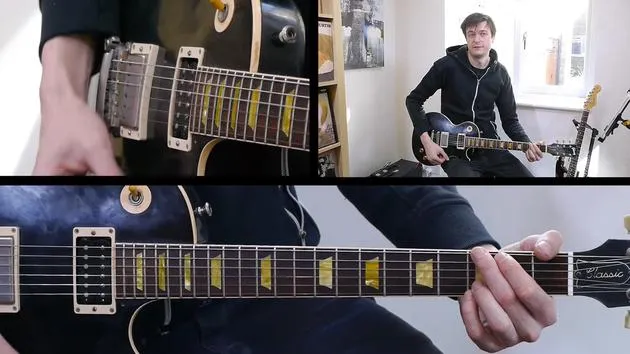
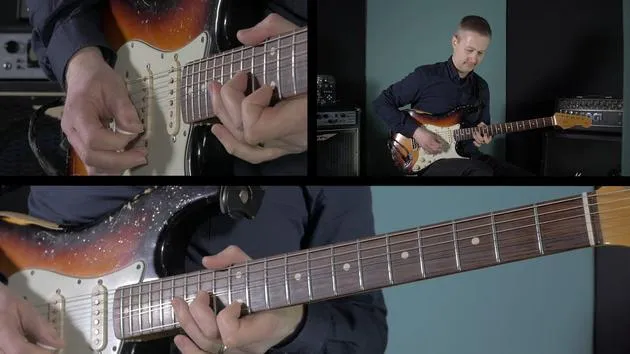
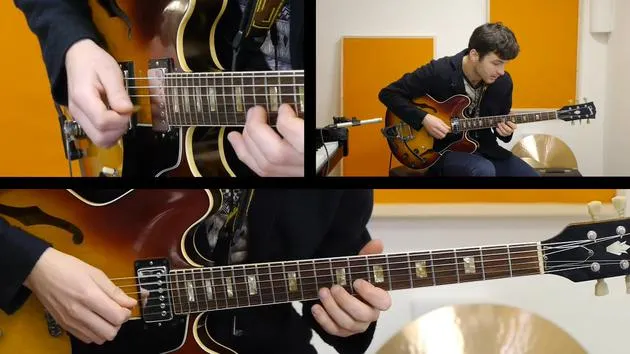
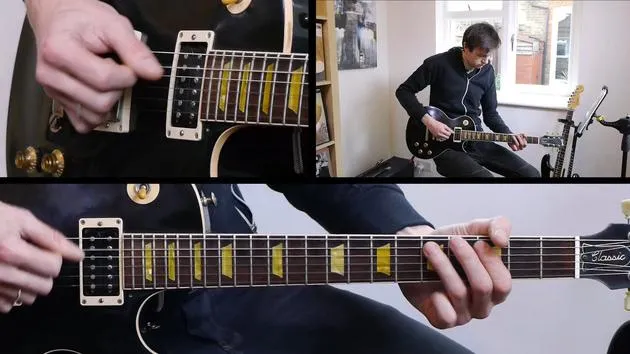
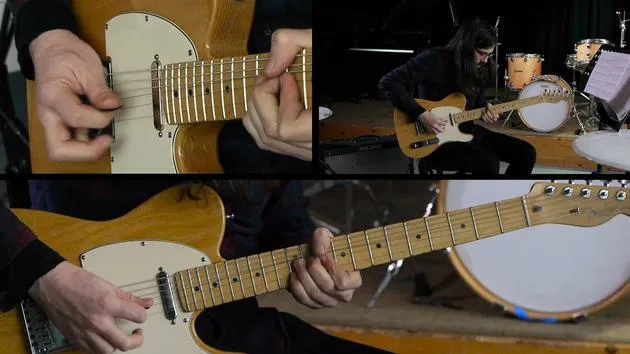
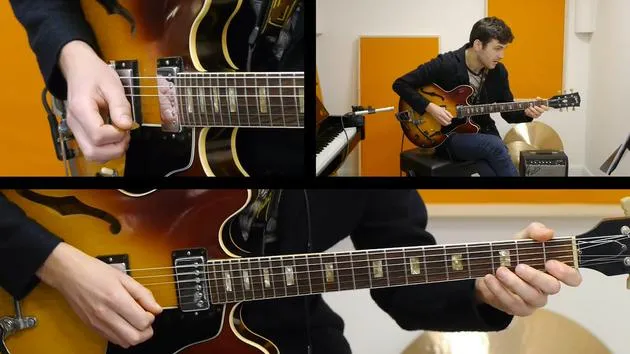
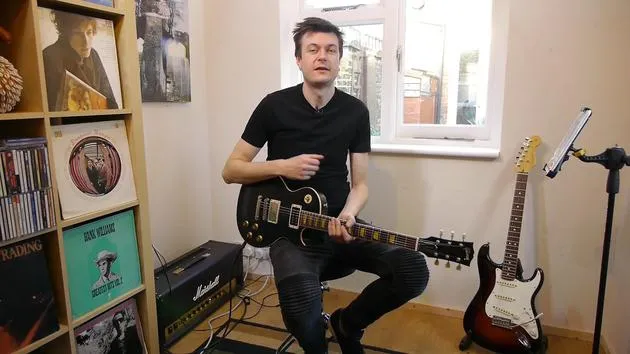
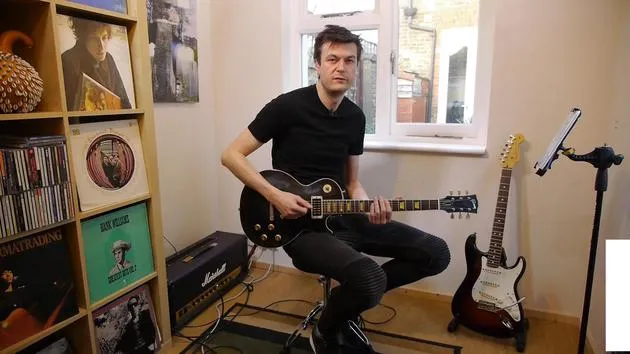
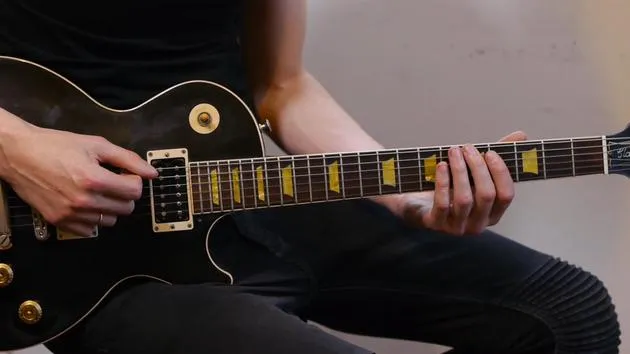
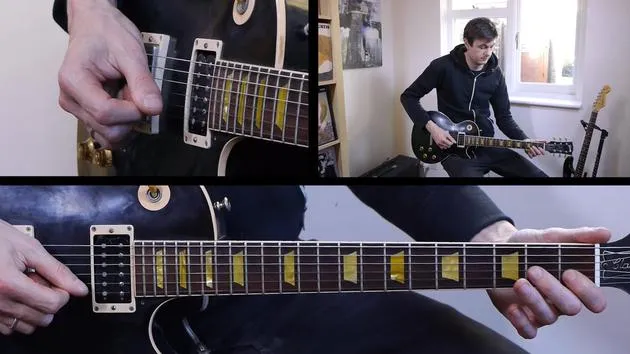
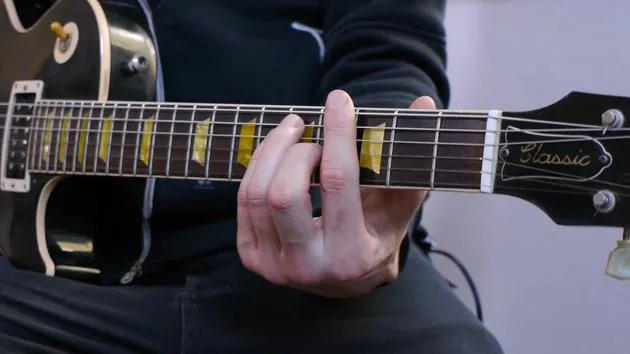
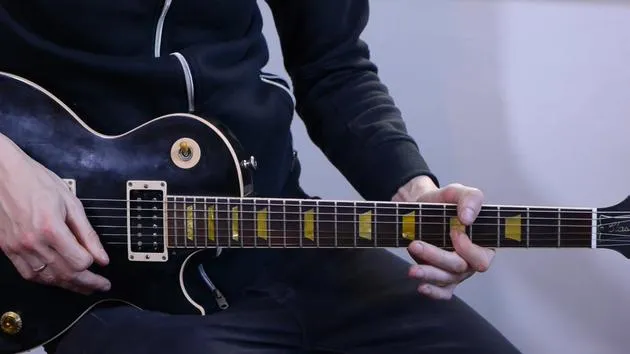
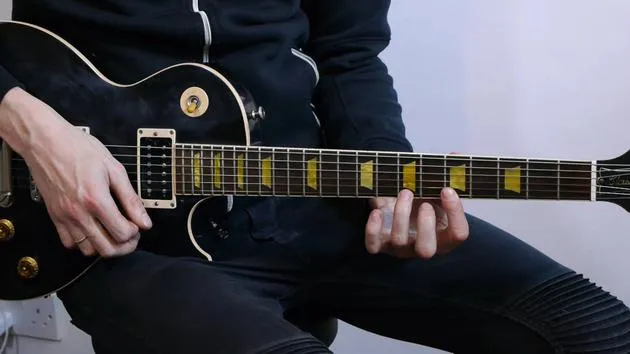
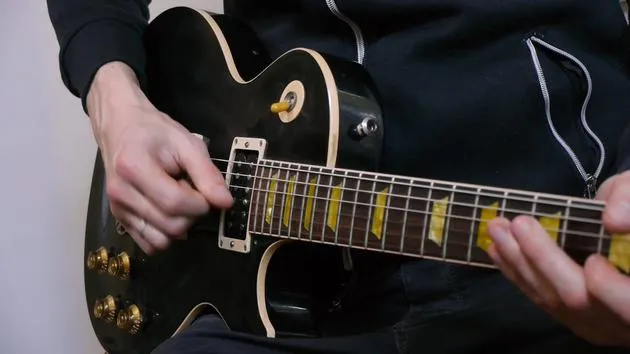
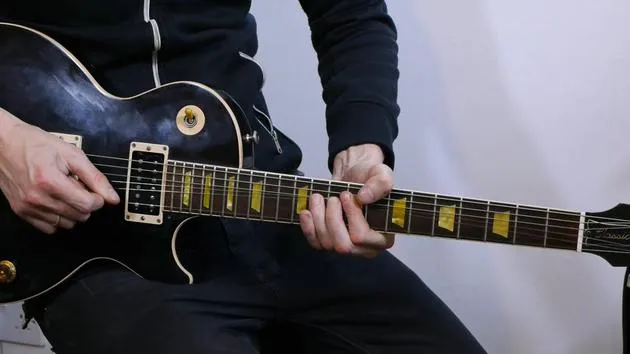
In the video, you'll see me playing the harmonics with my picking hand fingers.
- This helps mute the strings not being played.
- For example, while sounding the harmonics, I can keep them ringing while using my thumb to stop strings 3 and 2 from sounding.
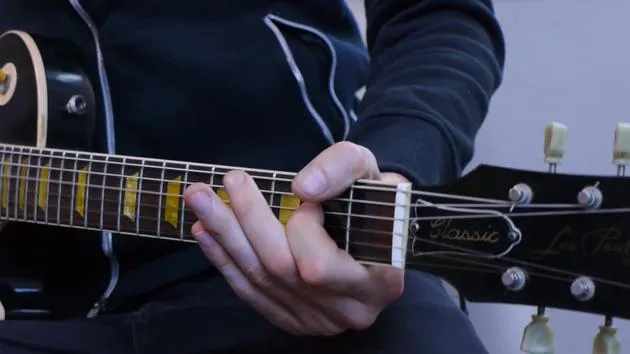
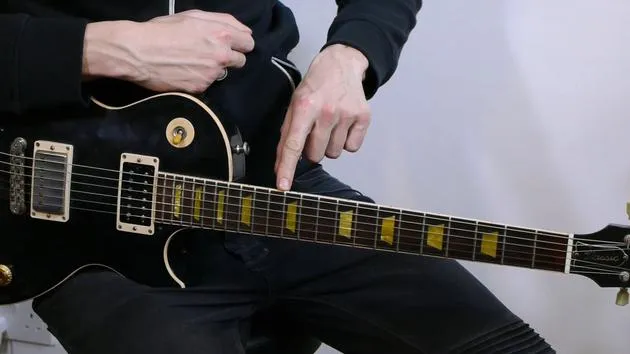
Another challenging technique is the behind-the-nut bend to produce harmonics. This great technique, especially on Les Paul or Telecaster, is essential for the piece.
Preparing to Solo
Soma is a slow piece with a 12/8 time signature. The phrasing and feel must be precise, as slow pieces can start to drag when learning them more slowly.
Isolate the phrases with intricate elements, such as:
- In the B section, where longer legato runs occur over the B7 chord leading back to E minor.
While relying on reading the music, it's essential to feel and hear what you're playing along with the track.
Recommendation for Further Learning
To build upon this tune, consider learning pieces by guitar players like:
- Gary Moore: "Parisian Walkways"
- Jeff Beck: "'Cause We've Ended As Lovers"
These pieces will enhance your phrasing and technique while thinking about the 12/8 time signature.
Chord Progressions
Before addressing how to solo over Soma, let's look at the chords to explore the appropriate scales and notes:
- B minor
- B minor with A major seventh (B minor chord with an A#)
- G add 9 (G chord with the addition of an A)
- E minor
- Back to B minor
- E minor again
- B minor
- F#7
- Back to B minor
Although you can approach this tune with a simple B minor pentatonic, a more sophisticated harmony can be applied.
Suggested Scales
For the B minor phrases, you can utilize:
- B natural minor
- B harmonic minor scale when transitioning to B minor major 7 (targeting the major 7 note, A#).
For the E minor sections, consider using:
- B minor pentatonic or arpeggios which work well.
When you reach the F#7 chord, remember that it suggests tension release. Over the F#7, aim for maximum tension, drawing from the B harmonic minor scale.
Closing the Solo
To close the solo, remember:
- There's a phrase that needs to connect.
- When playing the last B minor chord, consider locating it close to the E major triad to enhance the transition.
In summary, begin your solos with simple pentatonic concepts, then incorporate that major 7 for the minor major 7 chord, focusing on arpeggios that define your playing.
44 lecciones
3h 49m de lecciones en vídeo estructuradas
Funciones de vídeo avanzadas
Ralentiza, repite un pasaje, sigue la partitura
Móvil, tablet y ordenador
Practica donde quieras
Garantía de satisfacción 100%
30 días de garantía de devolución







