



Broadway and 9th
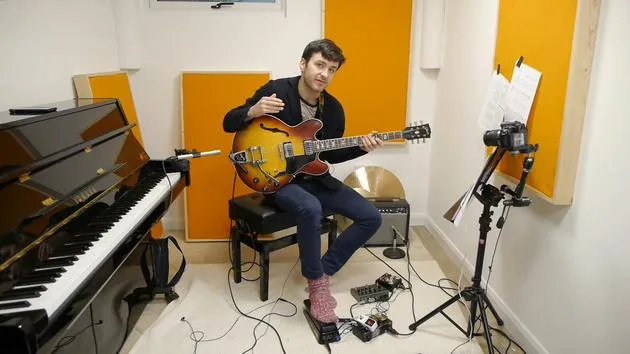
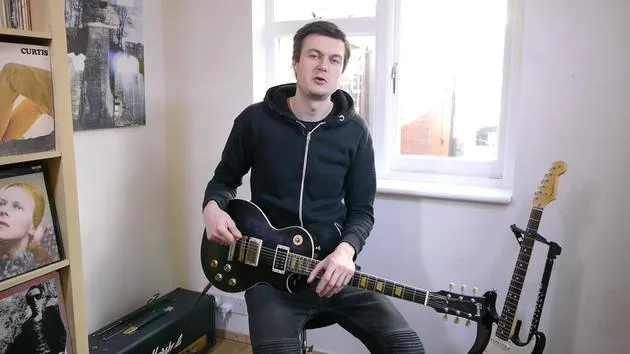
Rob Luft desglosa la pieza de jazz de Grado 7 'Broadway and 9th', desde sus carreras de octavas al estilo de Wes Montgomery hasta los acordes en bloque que hay tras su sonido.
Qué incluye el curso
44 lecciones (3h 49m) · 1 gratis
01. Introducción a los enfoques de la improvisación
1:00
02. Adornar una melodía
5:36
03. Reto: Envía tu melodía
0:26
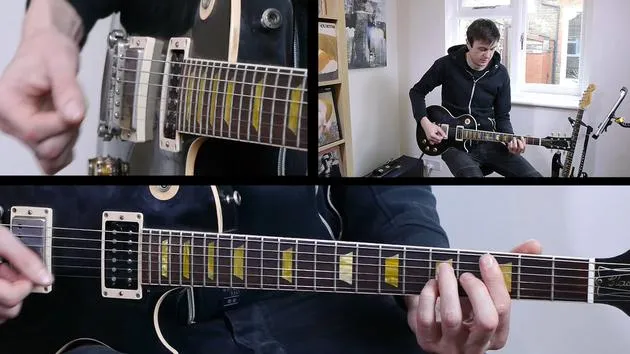
04. Acordes de séptima
6:38
05. Componer tu solo
8:53
06. Más extensiones y acordes sus
4:19
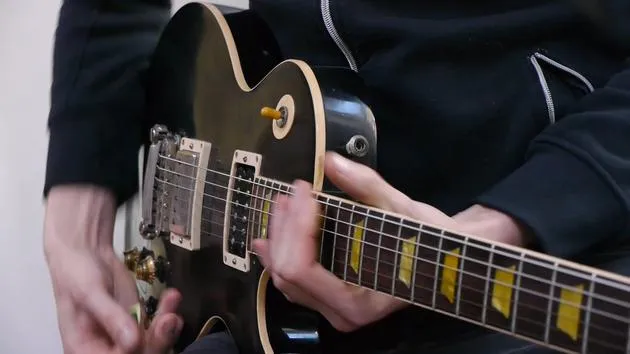
07. Acompañar en dos estilos musicales diferentes
Lección gratis8:36
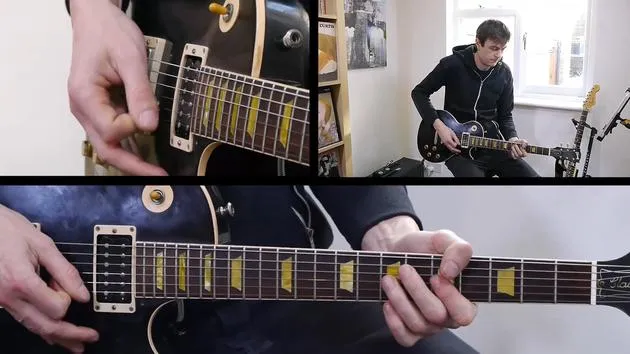
08. Combinar el comping rítmico y melódico
4:24
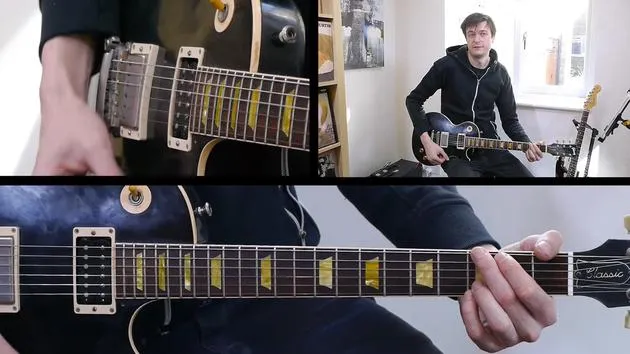
09. Improvisación rítmica y comping
9:55
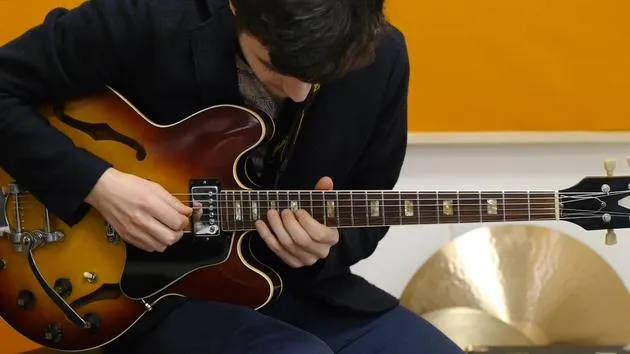
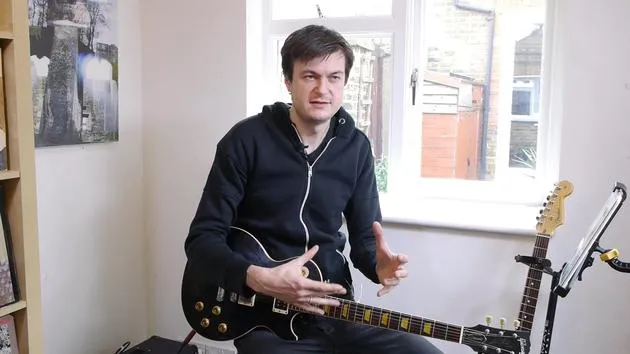
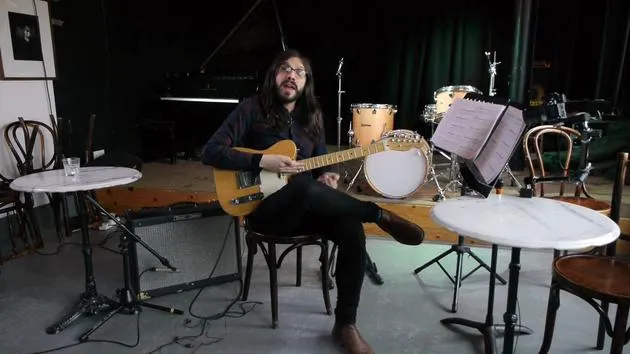
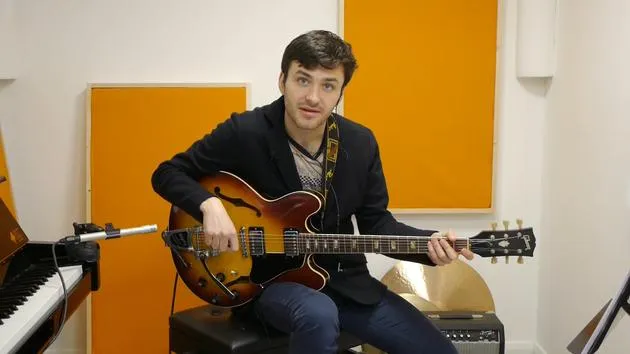
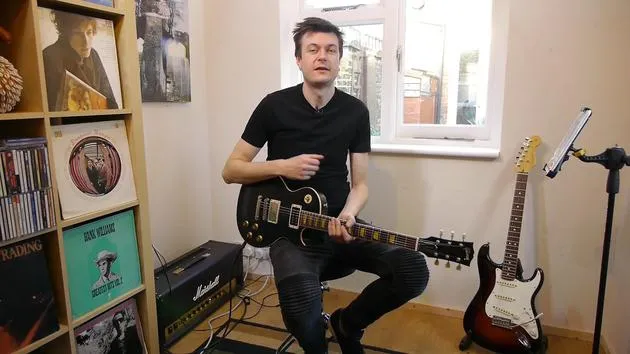
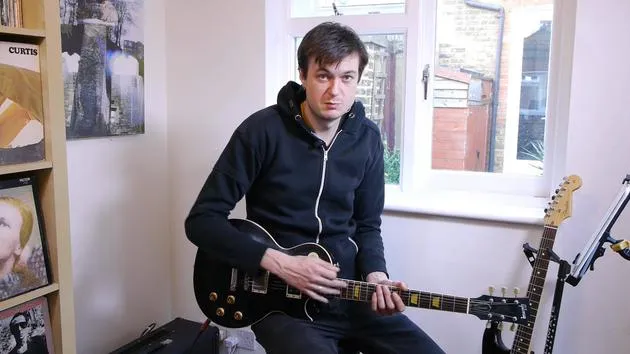
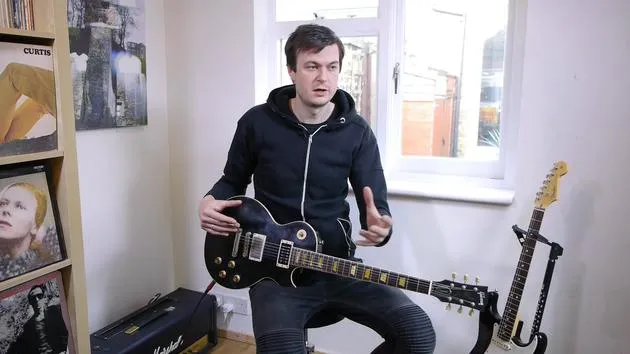
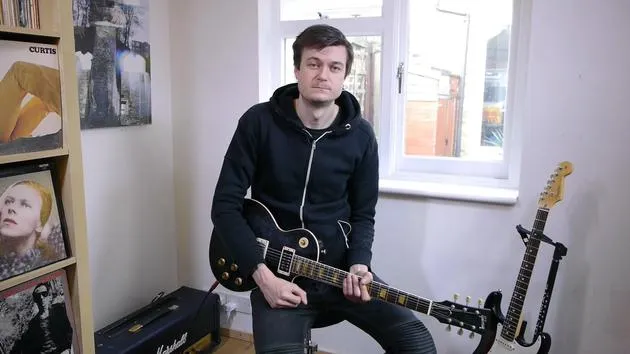
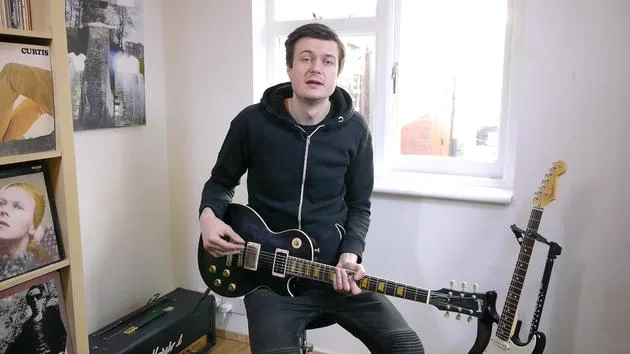
Transcripción de la lección
Jazz Guitar Lesson: Broadway in Ninth
Welcome to today's lesson on Broadway in Ninth, a jazz piece heavily influenced by the legendary American guitarist Wes Montgomery.
Wes Montgomery's Influence
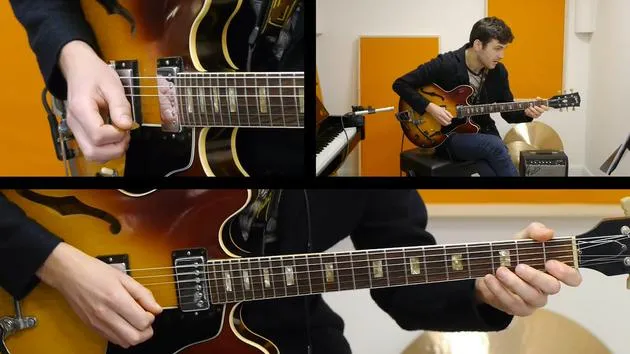
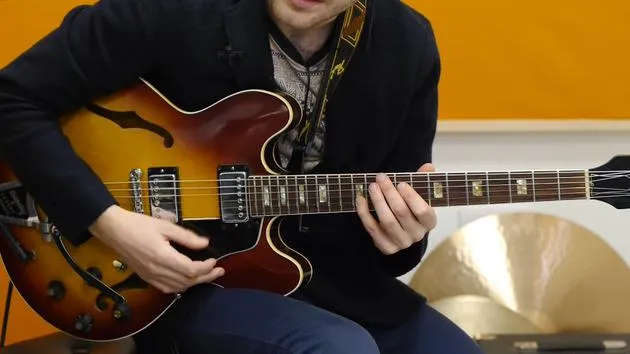
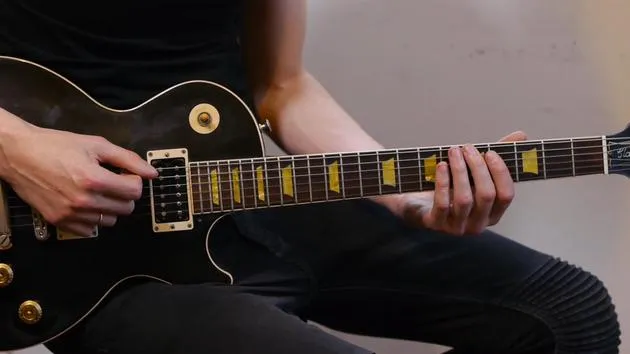
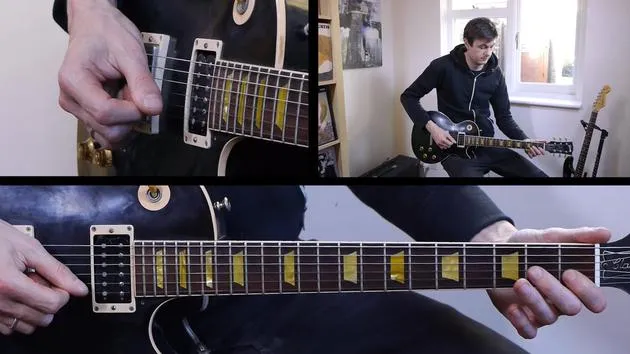
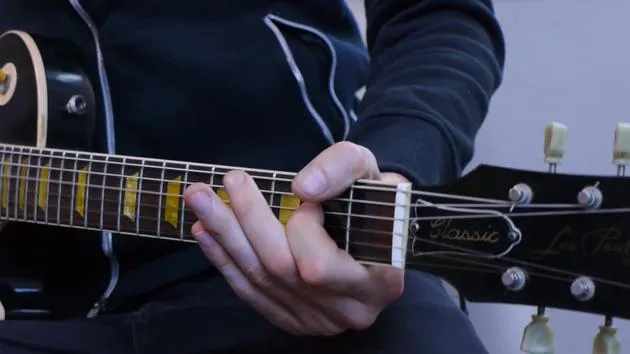
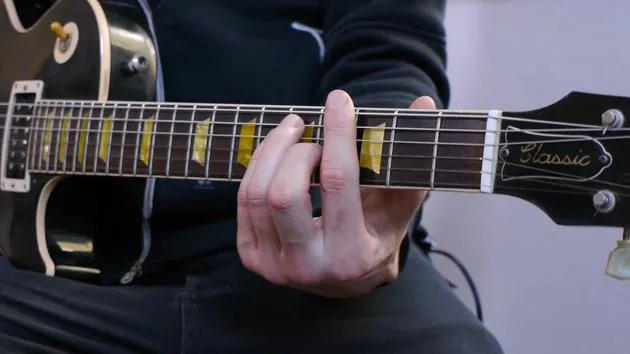
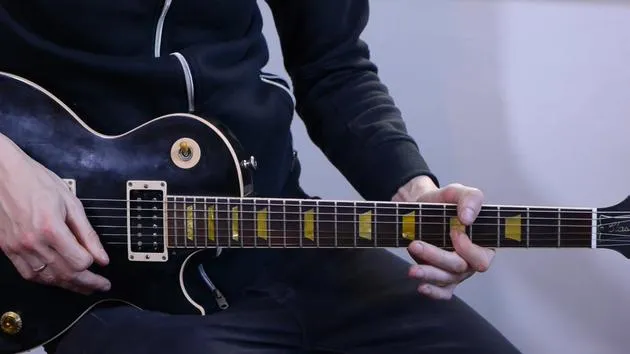
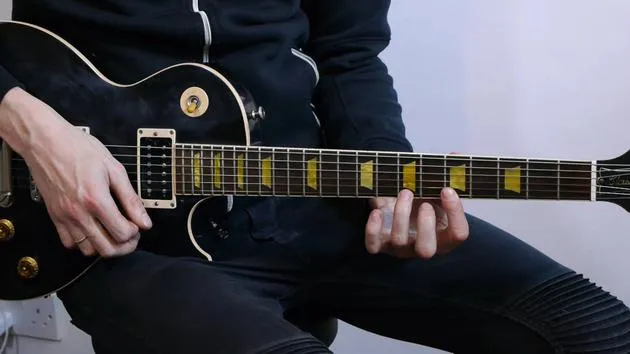
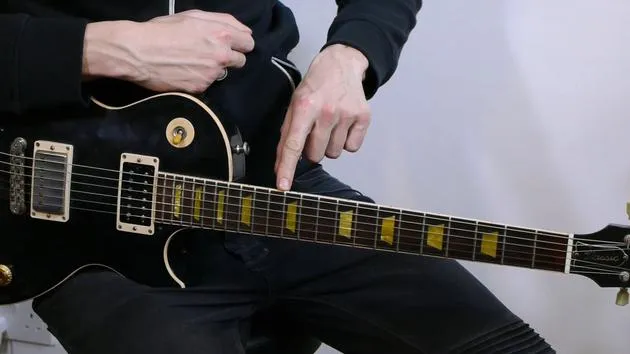
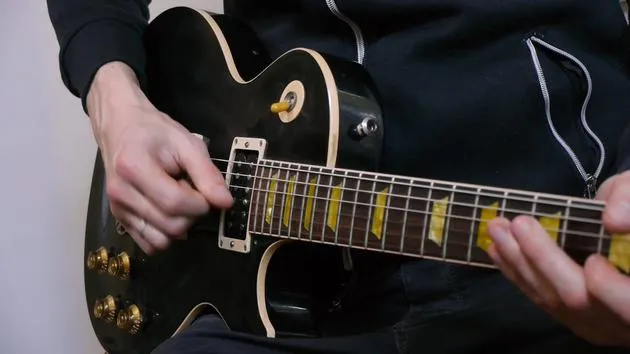
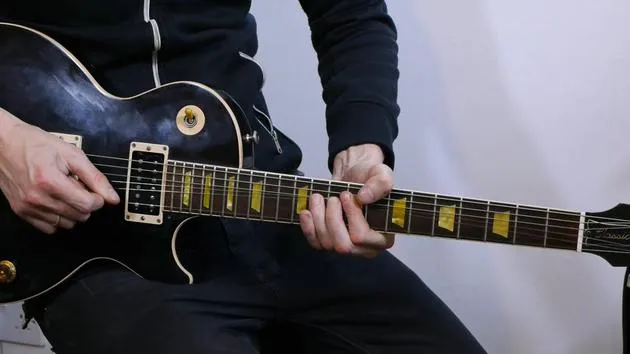
You can hear his inspiration in the octave runs throughout the piece. While Wes often used his thumb, I'm employing a hybrid technique using both my finger and plectrum to achieve that distinct octave sound.
- Wes's Technique: A virtuoso who performed with just his thumb.
- Personal Choice: I prefer the hybrid approach, especially in faster tempos where I find the thumb technique challenging.
The Sound of Block Chords
In addition to the octave sound, you'll notice the prominent use of block chords. This sound is famously associated with both Wes and Django Reinhardt, who was a significant influence on Wes, along with Charlie Christian.
Structure of the Piece
Interestingly, this piece is a 12-bar blues, something you might already be familiar with.
- Key: A minor blues
- Chords Used: B minor, E minor, and F#7
Modes You Can Use
When soloing, you can choose the following modes:
- On the B minor chord: B Dorian
- On the E minor chord: E Dorian
- On the F#7 chord: Options include:
- B blues scale ? always sounds great.
- B harmonic minor ? provides an intriguing sound.
Harmonic Minor Example
Take the F#7 chord:
- Notes: B, C#, D, E, F#, G, A#, B
This harmonic minor has a powerful pull that resolves the F#7 back to B minor, creating an effective tension and release within the minor key. It's important to remember that using the harmonic minor over a dominant chord enhances this effect.
Exploring Modal Playing
If you're uncertain about modal playing or harmonic minor, I encourage you to check out the technical exercises in this course for further information.
Soloing Techniques
When I play my solo over the B minor section, I'm blending the blues scale with the Dorian sound, especially when transitioning between B minor 7th and B minor 6th.
- For the E minor chord, apply the same logic but shift up a fourth (or five frets):
- E minor, E minor 6
- Back to B minor
- F#7
You have a variety of scale choices:
- Blues scale
- Modes
- Harmonic minor
Wes Montgomery's Signature Style
To really capture the Wes Montgomery style, especially in his famous octave pieces, focus on playing your blues scale and pentatonic scales using octaves.
Accompanying Techniques
In my accompanying piano solo, I utilize a delay pedal to expand the B minor sound. This rhythmic comping allows the piano player to solo freely without cluttering the sound.
Navigating Through the Piece
As you explore this piece, be aware of tricky passages, such as:
- A minor 11
- G minor 11
Simply move your patterns down two frets, and transition back to the head out.
Conclusion
This piece is a fantastic introduction to octaves and includes harmonic minor, blues, and Dorian sounds.
I encourage you to check out Incredible Jazz Guitar by Wes Montgomery as well as his collaboration with Wynton Kelly's trio, Smoking at the Half Note.
Further Recommendations
If you're interested in expanding your knowledge:
- Explore works by Charlie Christian and Django Reinhardt.
- Discover guitarists who followed Wes, such as Jim Hall, Tal Farlow, and Jimmy Rainey.
If you need more suggestions, don't hesitate to ask your teacher for recommendations on jazz guitarists from both America and Europe. Enjoy the groove, appreciate the piece, and see you next time!
44 lecciones
3h 49m de lecciones en vídeo estructuradas
Funciones de vídeo avanzadas
Ralentiza, repite un pasaje, sigue la partitura
Móvil, tablet y ordenador
Practica donde quieras
Garantía de satisfacción 100%
30 días de garantía de devolución







