



Mano derecha y turnaround
Con
Paddy Milner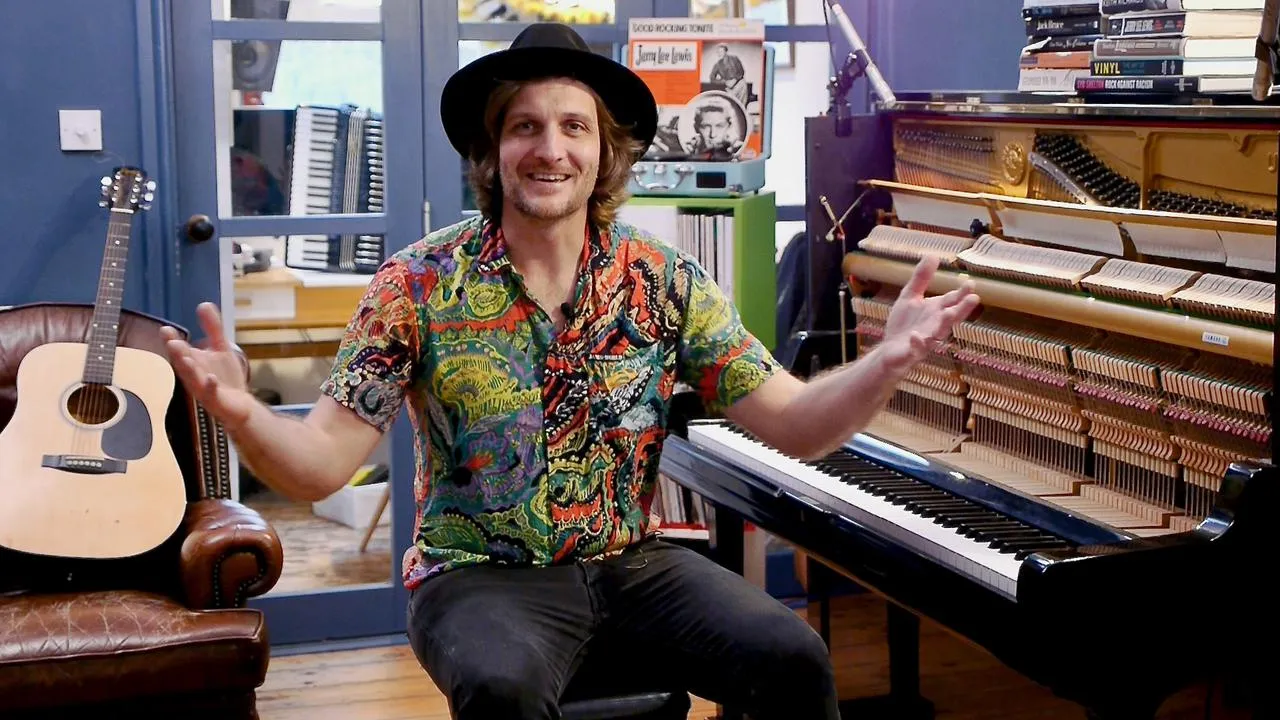
Qué incluye el curso
25 lecciones (2h 34m) · 1 gratis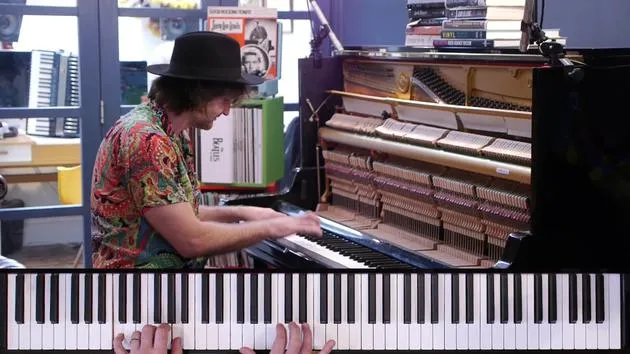
01. Cómo tocar la introducción
4:09
02. Melodía y mano derecha
9:26
03. Cómo tocar el solo
7:01
04. Mano derecha y turnaround
Estás aquí12:43
05. Otras ideas
5:42
06. Cómo tocar el final
1:38
07. Ampliar la parte de piano de Jerry Lee
6:16
08. Ampliar las ideas del solo de Jerry Lee
11:49
09. Usar las crushed notes
7:12
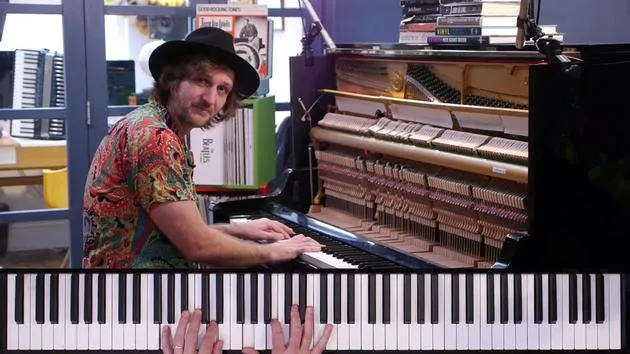
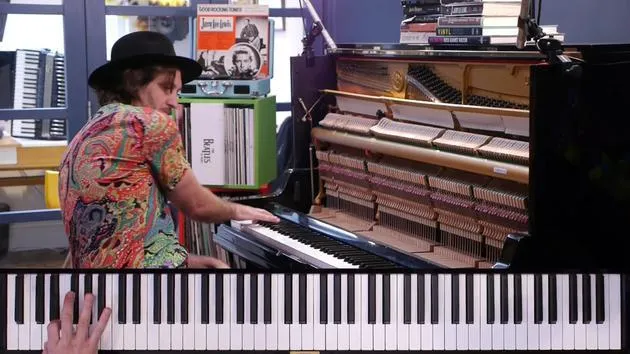
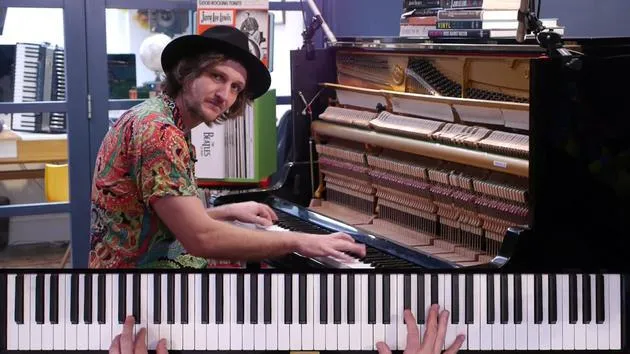
Transcripción de la lección
Analyzing the Right Hand Technique
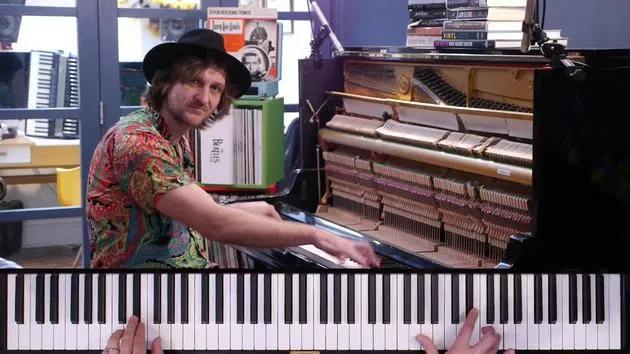
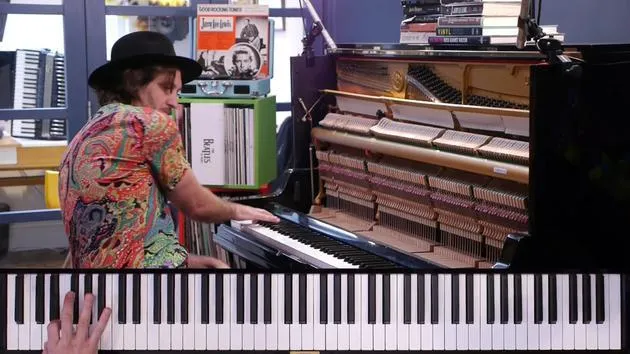
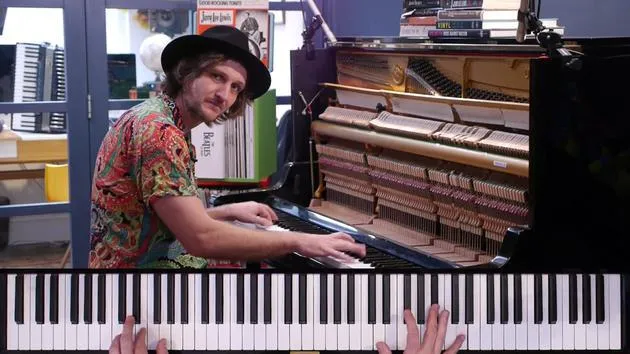
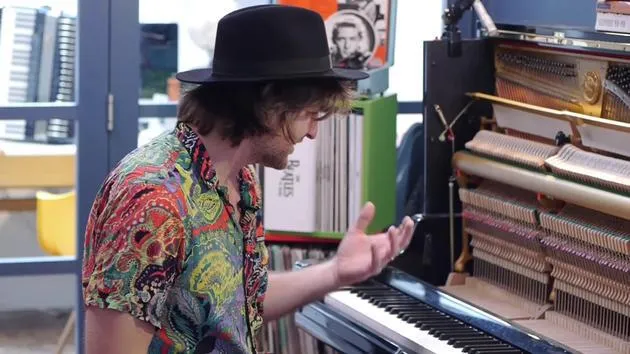
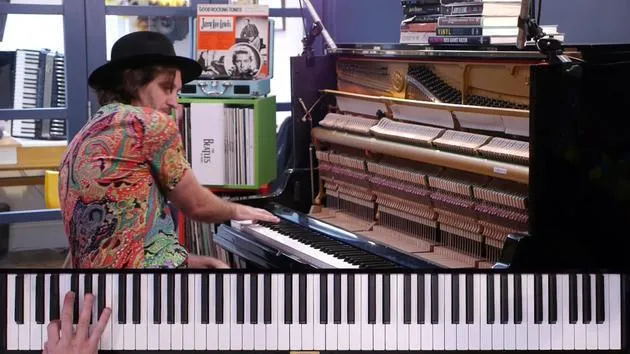
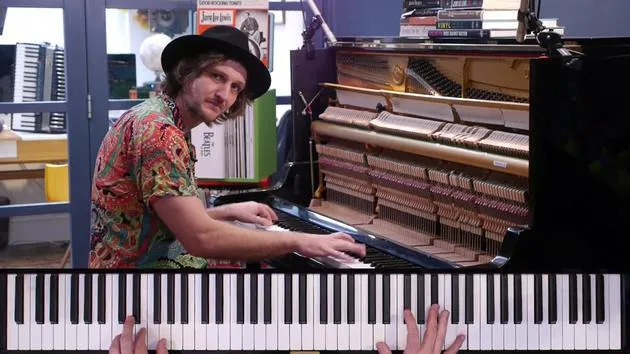
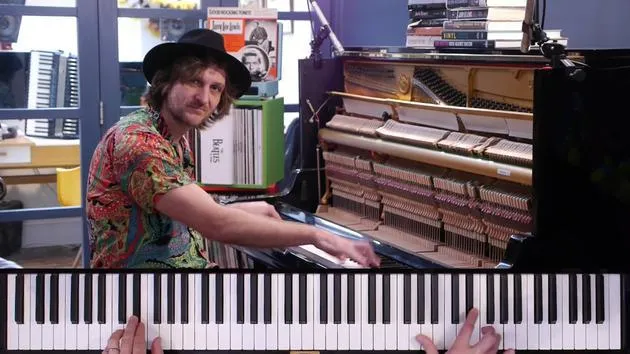
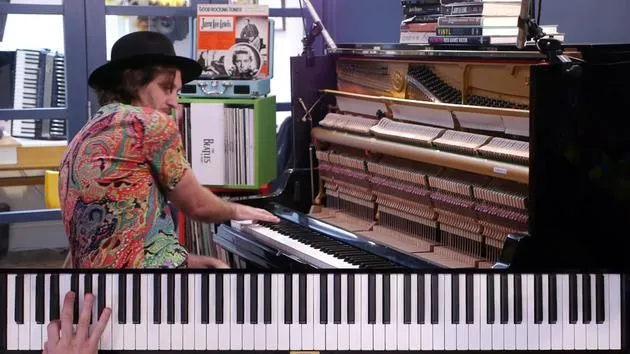
Let's go back and analyze the right hand technique in the solo.
Breaking It Down
At the start of the solo, he's essentially just repeating that note again, a very rock and roll thing to do! This might stem from a guitar player's habit of playing repeated notes, reminiscent of Chuck Berry, for example.
- Notes Played: G and C (G and E flat)
- Interval: Minor sixth
- Musical Influence: The clash between minor and major is very typical of blues, gospel, and American music.
Jerry Lee often returns to this theme. Sometimes, he may use an expanded variation, like the G and A, but in the recording, it sounds like it's literally just that interval. It results in a more open sound, played with genuine attitude.
Technique and Practice
Then he comes down and repeats the same thing an octave lower, possibly including a touch of that A. It can be tricky to discern, but for now, let's focus on playing that sixth interval as triplets.
Tips for Technique
- Keep the wrist loose: Avoid using your whole arm for the movement.
- Practice: Start at a slower tempo. Use a metronome to gradually speed up until you can match the record's tempo.
Even Jerry Lee might struggle to maintain that speed for a long duration, it's intense!
Glissando Technique
When transitioning to a glissando, follow this technique to avoid excessive wear on your fingers:
- Downward Gliss: Use your thumbnail.
- Upward Gliss: Use whichever finger you prefer; I often use my third finger.
With practice, you should be able to slide smoothly up and down the keys. However, exercise caution, many years ago, I found my practice sessions resulted in blood on the keys!
The Jerry Lee Rundown
After the glissando, he executes a rundown, another signature Jerry Lee move.
- Notes: E flat and G together.
- Ending Note: It's tricky on the recording; he may have unintentionally played a B. However, it doesn't significantly affect the intent of the phrase.
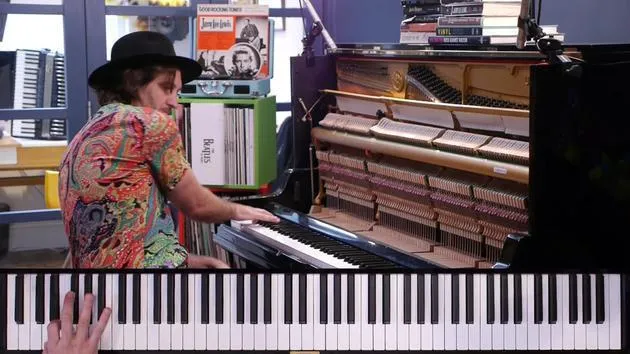
Hand Positions and Technique
- Different hand positions are involved throughout this section:
- Position 1: [Description]
- Position 2: [Description]
- Position 3: [Description]
Remember to start at a slow tempo and gradually increase the speed.
Boogie Woogie Influences
In the left hand, he incorporates a broken chord:
- Tracks and Variations: There are always different ways to interpret these chords, whether it sounds like a C at the bottom or an A in between.
When coming down from the four chord:
- Notes: Include a little ninth, which could also be played as a sixth, either choice won't alter the attitude of the song.
Moving to the Five
Now we reach the five chord, another of Jerry Lee's favorite figures:
- Execution: Play this with attitude! Really dig into the keys.
- Fingers Used: D with specific finger positioning.
At the end of this measure, he makes a minor variation by changing the G to the A, something Jerry Lee frequently employs.
The Turnaround
Now, we approach the turnaround, which is unmistakably Jerry Lee's signature style:
- Simple Rhythm: It features rhythmic interplay between the two hands, forming a recognizable pattern.
Once you've solidified this section, you'll return to the main feel that initiated the song.
Conclusion
So there you have it, the solo comprises several elements to weave together.
Key Takeaway
Remember, it's crucial to maintain a fluid flow throughout. Jerry Lee wasn't confined by different sections; he played as the music came to him in the moment. Aim to replicate that spontaneity and energy in your improvisation, making this a solid foundation for exploring your own ideas.
Now, let's delve into that next!
25 lecciones
2h 34m de lecciones en vídeo estructuradas
Funciones de vídeo avanzadas
Ralentiza, repite un pasaje, sigue la partitura
Móvil, tablet y ordenador
Practica donde quieras
Garantía de satisfacción 100%
30 días de garantía de devolución
Conoce a tu gurú
Conoce a tu gurú
Paddy Milner está reconocido como uno de los mejores pianistas de blues del mundo: actualmente es el teclista de confianza de Sir Tom Jones, tras varios años con el gran y ya desaparecido Jack Bruce, pero también es un magnífico compositor original y un cantante con personalidad propia. ¡Basta con leer los elogios de figuras como Dave Brubeck que aparecen más abajo! Su forma de tocar apareció en la banda sonora de la exitosa película de 2019 'Rocketman'.
Ha ganado dos veces el premio al Mejor teclista en los British Blues Awards, y mantiene una residencia de larga trayectoria como miembro fundador de la Ronnie Scott's Blues Explosion en el mundialmente famoso club Ronnie Scott's.
Su grupo actual LONDONOLA toca música británica de cosecha propia con una buena dosis de espíritu de Nueva Orleans, y su grupo colaborativo JAWBONE va de fuerza en fuerza tras la publicación de su álbum de debut homónimo.
- "Me encanta... hay un tipo que sabe tocar de verdad el piano" - Dave Brubeck
- "Lo recomiendo encarecidamente. ¡De algún modo las cosas empiezan a sentirse mucho mejor!" - Jack Bruce
- "El mejor pianista de blues de Europa..." - Blues Access, EE. UU.
- "Impresionante y original" - The Times
- "Deslumbrante" - The Independent
A lo largo de sus cursos, Paddy desglosa el auténtico shuffle de blues, el slow blues, el boogie-woogie, el rock 'n' roll y el piano de Nueva Orleans -incluidas tres canciones clásicas de boogie-woogie- para que aprendas estos estilos de uno de los mejores del oficio.







