



Primera sección de solo y turnaround
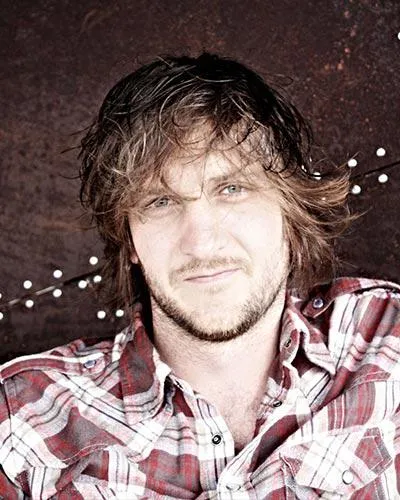
Con
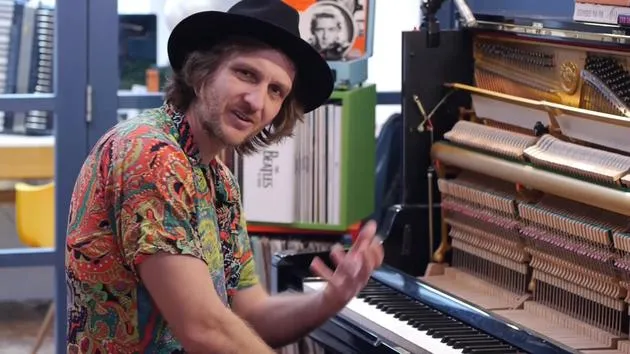
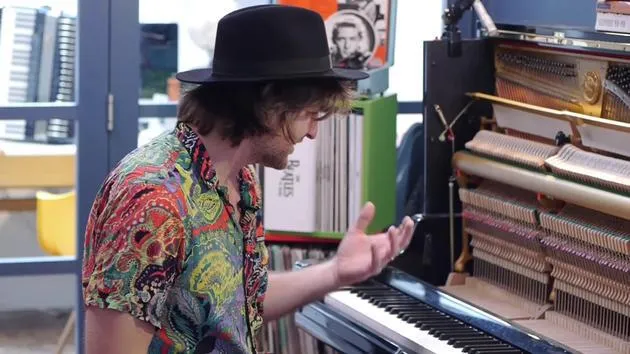
Paddy MilnerEl primer solo empieza con muchas notas repetidas, parecido a Whole Lot of Shakin y típico de los temas de Rock 'n' Roll
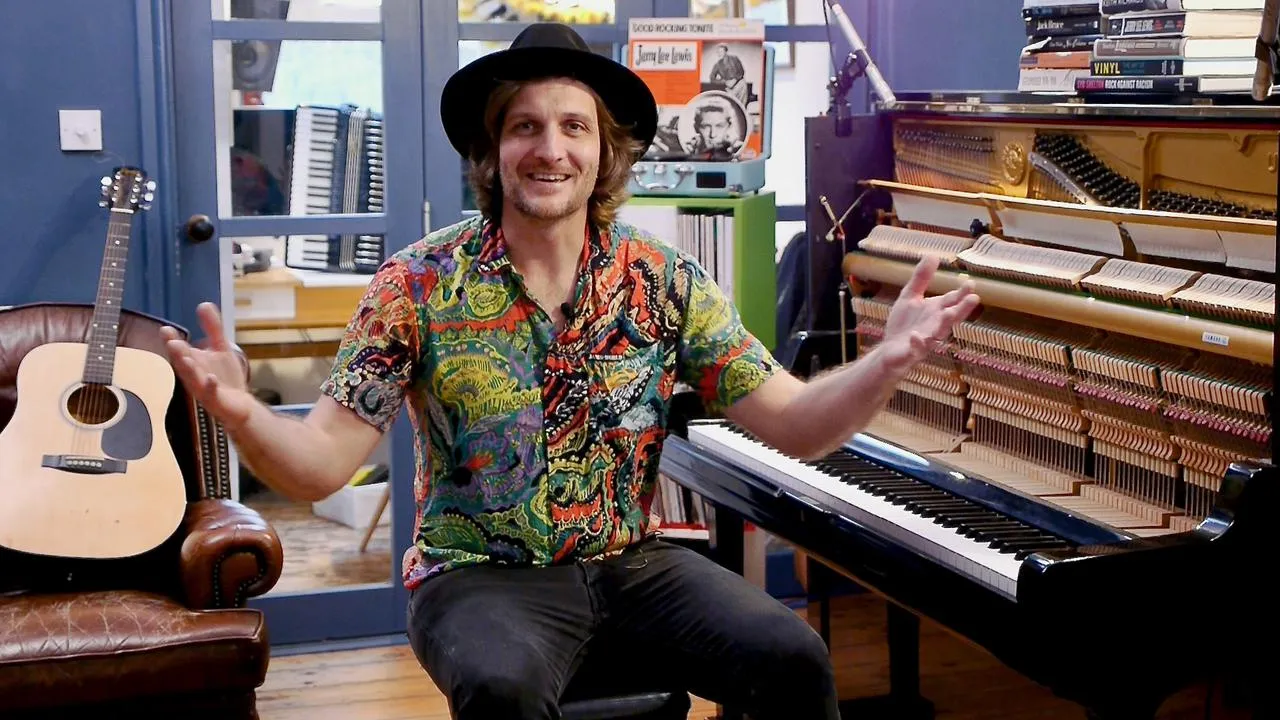
Qué incluye el curso
25 lecciones (2h 34m) · 1 gratis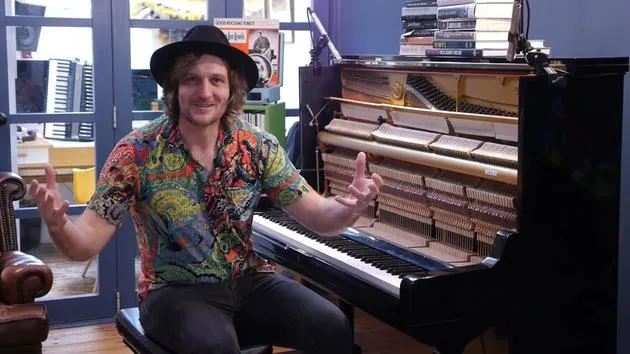
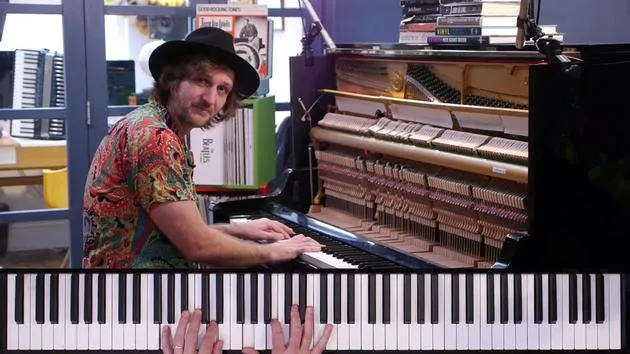
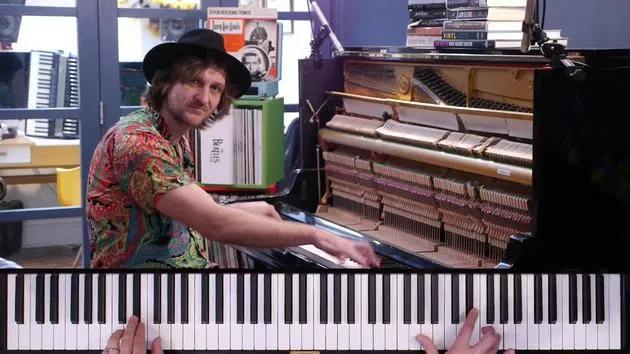
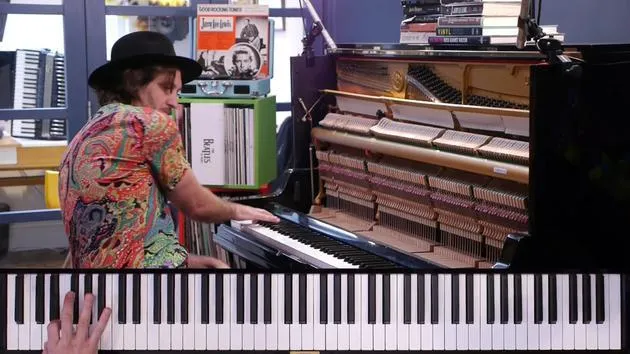
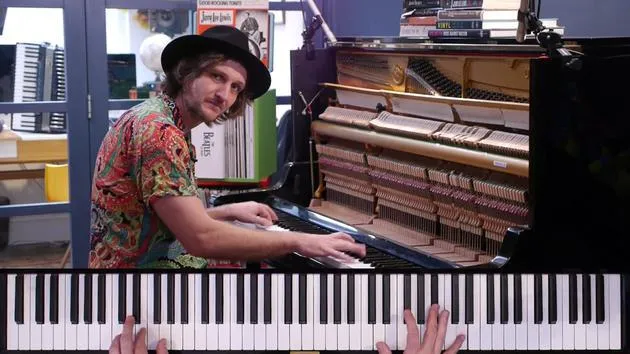
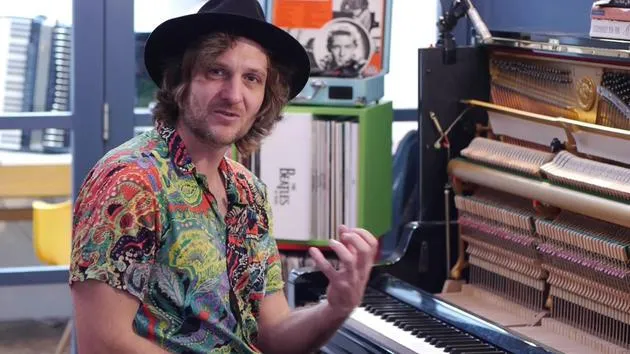
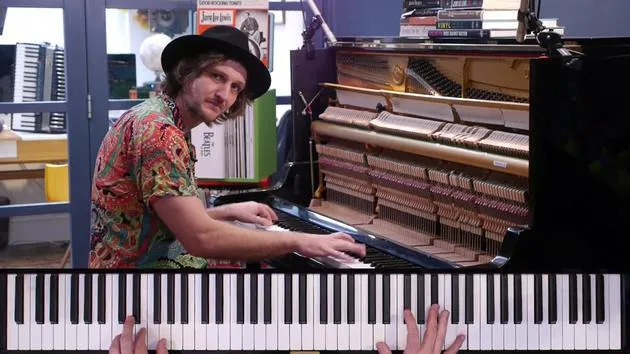
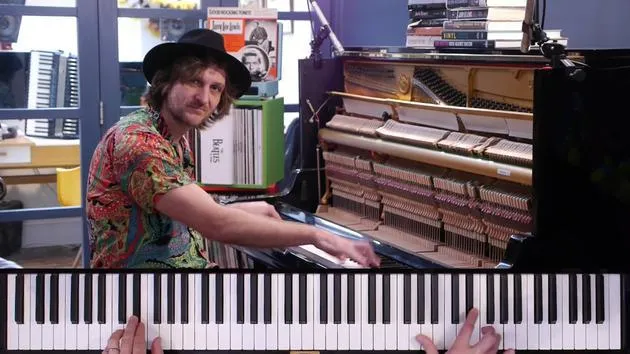
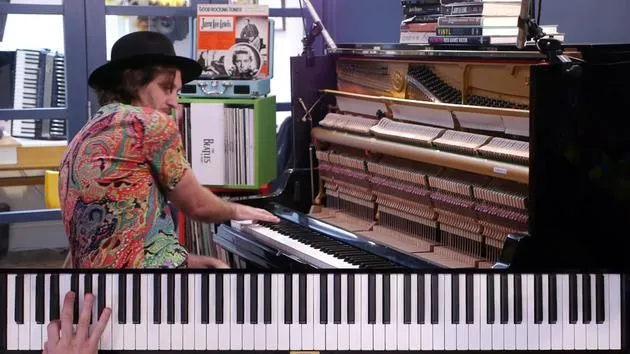
Transcripción de la lección
Music Lesson: Analyzing the First Solo Section
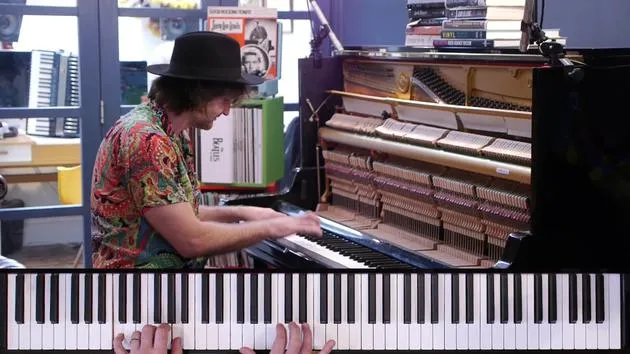
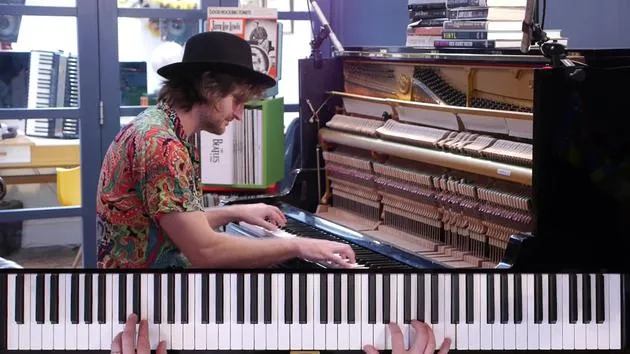
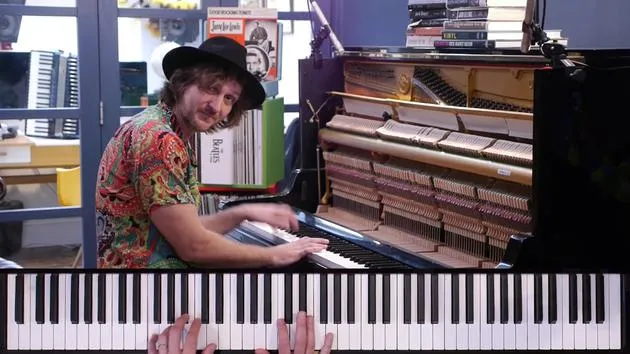
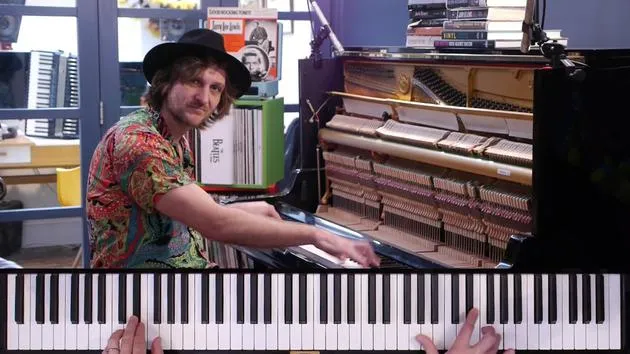
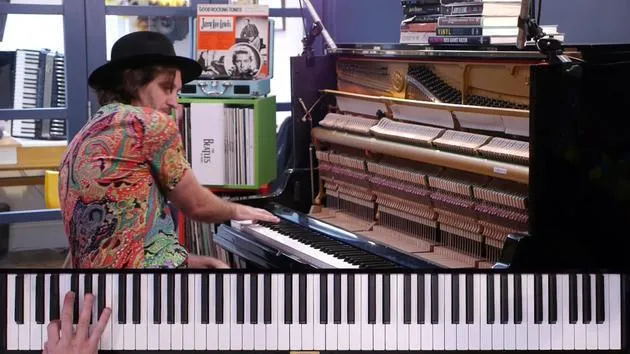
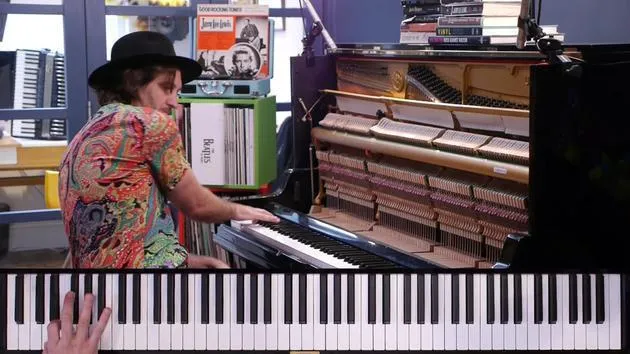
Okay, so the first solo section starts with a lot of repeated notes. Again, it's reminiscent of Whole Lot of Shakin' Goin' On, a characteristic element of rock and roll.
Solo Breakdown
-
Left Hand Technique:
He uses the same left hand that he does on Whole Lot of Shakin' Goin' On and applies it throughout the entire solo in the right hand. -
Solo Performance:
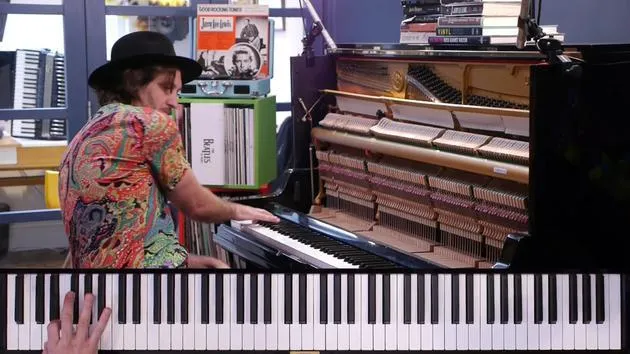
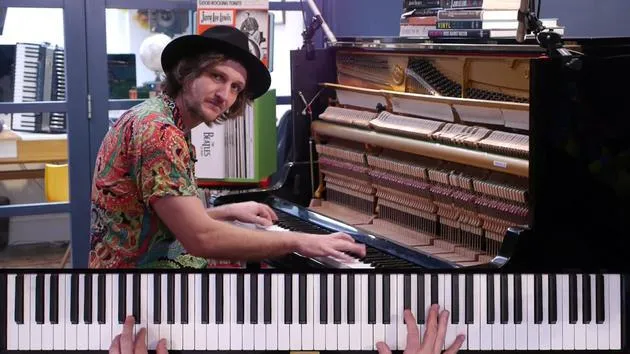
"I'll play the solo once so you can hear it. And then we'll break it down."
So from the five one, then we're back into the next verse.
Key Elements of the Solo
-
Repeated Notes:
What's he doing there? Well, he starts with these repeated notes on the 5th and the 7th. I think at the start he might have a little crushed note, who knows, maybe it was intended or maybe not. -
Interpretation:
"I think it's either he fumbled it or he intended it. I'm not sure. Either way, it doesn't matter."
The progression is: 2, 1, 2, 3. Nice loose wrist there. -
Rundown:
He does a rundown, which again might not have been intended. It sounds like...
"Starts with whether he actually intended to play. I don't know. But on the record, it sounds like it."
Chord and Riff Variations
-
Chord 4:
We hit the chord IV, which is a nice variation on the riff that Pinetop Smith introduced in his famous Pinetop's Boogie Woogie, which we have looked at in the blues courses as well. -
Original Riff:
The original Pinetop riff would have been built on a ninth chord, a seven-nine chord.
However, he puts in a little passing chord, a chromatic idea that makes it really hip.
Further Exploration
-
Typical Jerry Lee Glissandi:
He incorporates some of his classic repeated glissandi. Followed by a little pentatonic idea at the end. -
Classic Turnaround:
Then that very classic Jerry Lee turnaround at the end, this time obviously in the key of G.
"That's a good thing to develop, learning all these things in different keys."
Practice Recommendations
-
Key Variations:
"Make sure you learn that in G."
We've already learned it in Whole Lot of Shakin' in the key of C. Why not also learn it in B flat, E flat, or any other key, like D flat? -
Jam Session Preparedness:
After all, you never know what situation you might be in. You could be at a jam session, or someone might call a tune in an unexpected key. Often, guitar players might play sharp keys like E, A, D, or B, so you need to be prepared to play in all those keys.
Summary of Essential Techniques
To summarize:
- Repeated Notes: Work on getting these down.
- Loose Wrist: Important for fluidity.
- Rundown: Focus on the fingering, which can feel slightly awkward at first.
- Glissandi: Make sure these are strong and pronounced.
- Turnaround: Practice forming this in different keys.
Final Thoughts
Once you've integrated all the elements of the solo, try to put the entire thing together at a slow tempo. Start with the right hand on its own, ensuring there's no hesitation between each idea.
Gradually increase the tempo until you've got everything together and can play the whole solo fluidly.
Cool! Good luck with that, and let's look at the next solo section, which takes us into another verse. I think you'll find that really cool.
25 lecciones
2h 34m de lecciones en vídeo estructuradas
Funciones de vídeo avanzadas
Ralentiza, repite un pasaje, sigue la partitura
Móvil, tablet y ordenador
Practica donde quieras
Garantía de satisfacción 100%
30 días de garantía de devolución
Conoce a tu gurú
Conoce a tu gurú
Paddy Milner está reconocido como uno de los mejores pianistas de blues del mundo: actualmente es el teclista de confianza de Sir Tom Jones, tras varios años con el gran y ya desaparecido Jack Bruce, pero también es un magnífico compositor original y un cantante con personalidad propia. ¡Basta con leer los elogios de figuras como Dave Brubeck que aparecen más abajo! Su forma de tocar apareció en la banda sonora de la exitosa película de 2019 'Rocketman'.
Ha ganado dos veces el premio al Mejor teclista en los British Blues Awards, y mantiene una residencia de larga trayectoria como miembro fundador de la Ronnie Scott's Blues Explosion en el mundialmente famoso club Ronnie Scott's.
Su grupo actual LONDONOLA toca música británica de cosecha propia con una buena dosis de espíritu de Nueva Orleans, y su grupo colaborativo JAWBONE va de fuerza en fuerza tras la publicación de su álbum de debut homónimo.
- "Me encanta... hay un tipo que sabe tocar de verdad el piano" - Dave Brubeck
- "Lo recomiendo encarecidamente. ¡De algún modo las cosas empiezan a sentirse mucho mejor!" - Jack Bruce
- "El mejor pianista de blues de Europa..." - Blues Access, EE. UU.
- "Impresionante y original" - The Times
- "Deslumbrante" - The Independent
A lo largo de sus cursos, Paddy desglosa el auténtico shuffle de blues, el slow blues, el boogie-woogie, el rock 'n' roll y el piano de Nueva Orleans -incluidas tres canciones clásicas de boogie-woogie- para que aprendas estos estilos de uno de los mejores del oficio.







