



Extra: voicings abiertos
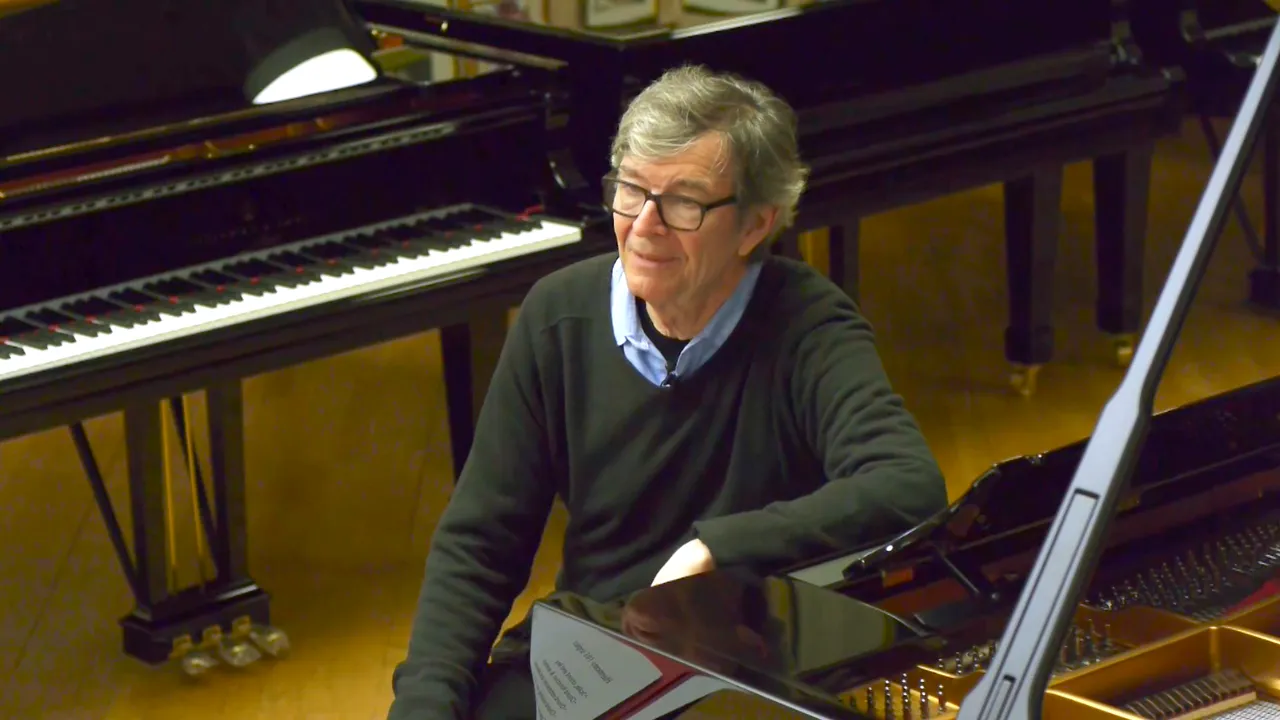
El "open voicing" es la forma en que las notas de los acordes se distribuyen en un rango más amplio que una octava. Darius explica cómo usar el voicing para que tu parte destaque como algo diferente, como una voz propia que aporta algo a la melodía, es decir, no igual que la melodía ni que la armonía subyacente.
Qué incluye el curso
11 lecciones (1h 48m) · 1 gratis
Transcripción de la lección
Open Voicings and Chord Extensions
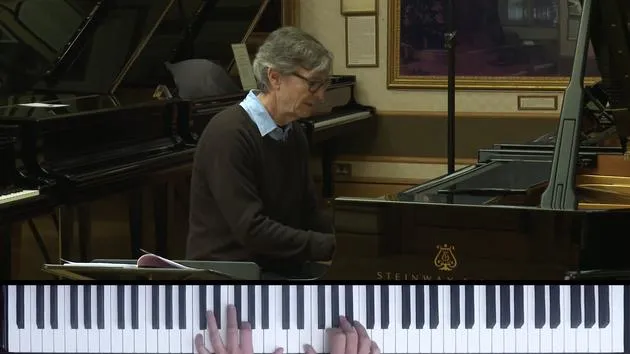
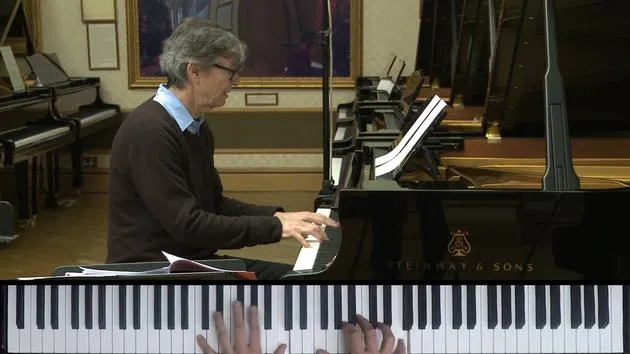
Open voicings involve a simple yet effective technique. Here's how it works:
- Take a close position chord.
- Move the first note above the root up to the top.
As a result, you create an interval larger than an octave, in fact, it's a tenth. This produces a nice, sonorous sound, with the tenth enclosing both the fifth and the seventh.
Chord Extensions
I've written it out for you in two keys. When chords have numbers in them, they indicate extensions. While these extensions are not always stylistically appropriate, they offer significant opportunities for enhancing the harmonic context of any melody.
Consider this: Melody notes may not always coincide with the notes in the chord. Thus, you are inherently hearing extensions.
Harmonizing Melody Notes
- Extensions can provide a means to harmonize melody notes that are present.
- They can also make harmonies more interesting and supportive.
Whether you're playing in a band situation, arranging for a horn section, or creating your own keyboard parts, understanding this concept is crucial. Your part should stand out as something distinct, adding a different voice that doesn't just duplicate the melody or the underlying harmony.
Musical Context
All styles of music effectively utilize this technique. For example, think of artists like Hendrix, James Brown, or Earth, Wind and Fire, each excels in this area. Any music with a strong blues foundation will inherently use a lot of chord extensions.
Thus, chord extensions are not merely an esoteric corner of the harmonic world reserved for jazz musicians; they are an everyday element of a musician's vocabulary.
11 lecciones
1h 48m de lecciones en vídeo estructuradas
Funciones de vídeo avanzadas
Ralentiza, repite un pasaje, sigue la partitura
Móvil, tablet y ordenador
Practica donde quieras
Garantía de satisfacción 100%
30 días de garantía de devolución
Conoce a tu gurú

Conoce a tu gurú
Darius Brubeck es un reconocido pianista de jazz y pedagogo. Ha publicado numerosos álbumes como líder, ha girado por todo el mundo con sus propias formaciones y ha colaborado con sus hermanos en Brubecks Play Brubeck.
Darius ha sido profesor visitante Fulbright en Rumanía y Turquía. Puso en marcha el primer título en jazz ofrecido por una universidad africana, en la University of KwaZulu-Natal de Sudáfrica, donde enseñó hasta 2005.
Darius colabora a menudo con Mike Rossi, saxofonista y profesor de música en la University of Cape Town. Entre los logros de Mike se cuentan numerosas grabaciones y apariciones en escenarios internacionales como líder, solista y acompañante junto a Tony Bennett, Dave Liebman, Winston Mankunku Ngozi, George Russell, Clark Terry y Alessio Menconi, entre otros.
Con Darius como guía, irás directo a lo esencial. En Harmony 101 desmitifica la armonía del jazz para que puedas empezar a aplicarla rápidamente, y en Mastering Odd Times desglosa cómo tocar e improvisar con confianza en compases irregulares.







