



On and On
Con
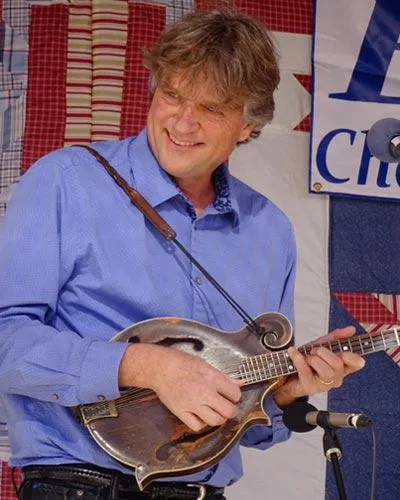
Tom BekenyTom Bekeny enseña "On and On", el estándar de bluegrass de Bill Monroe, mostrando cómo convertir la melodía desnuda en algo idiomático con fraseo de bluegrass e impulso hacia delante.
Qué incluye el curso
20 lecciones (1h 18m) · 1 gratis
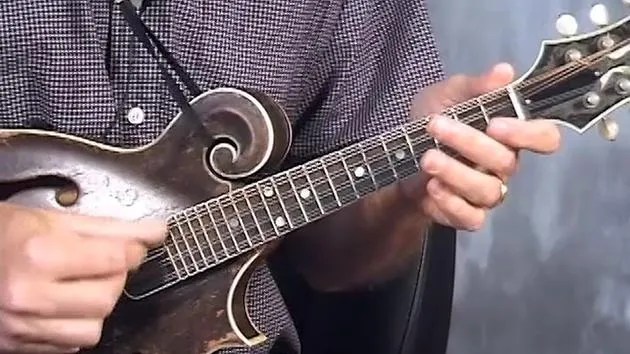
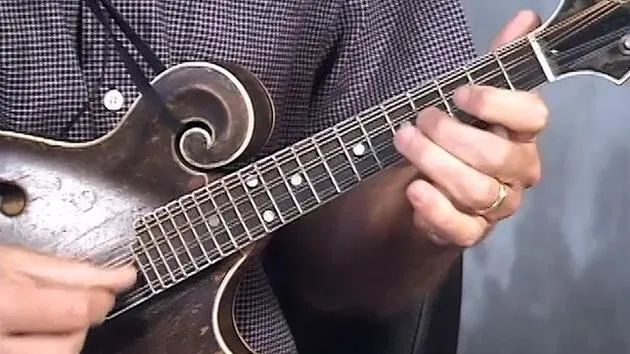
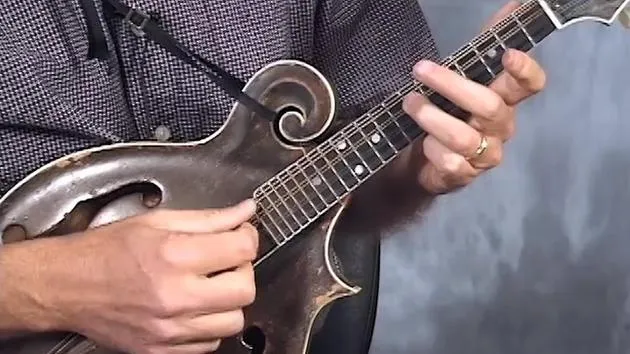
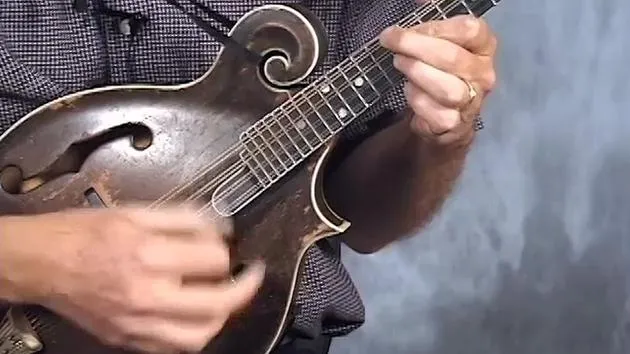
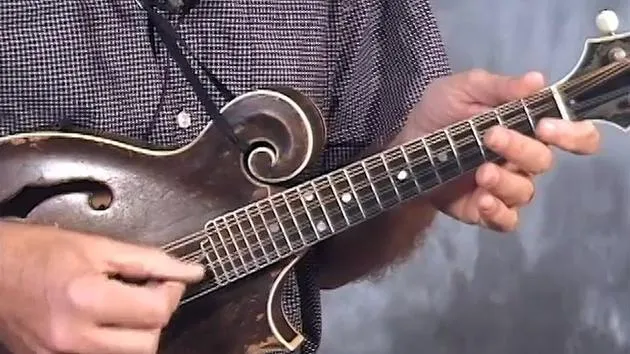
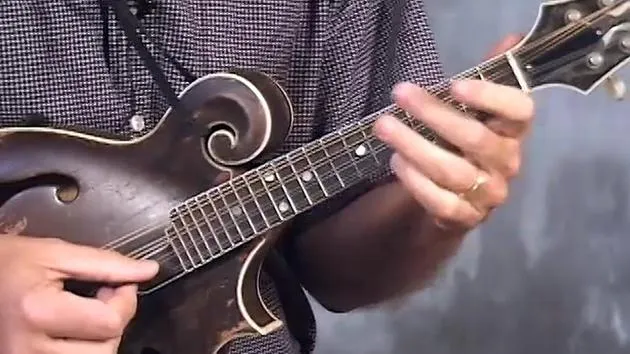
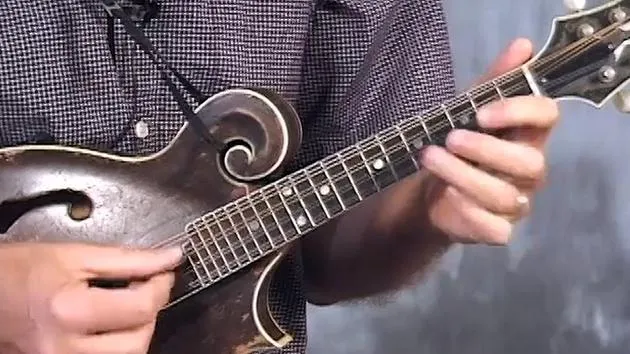
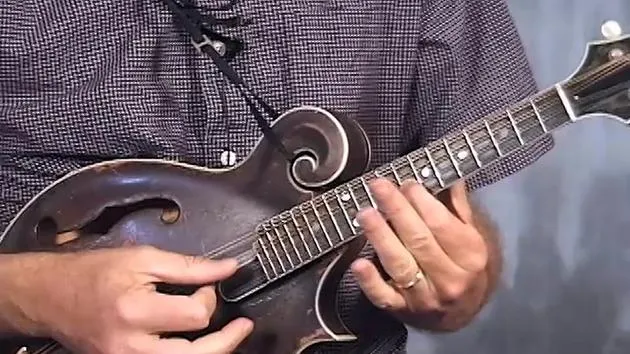
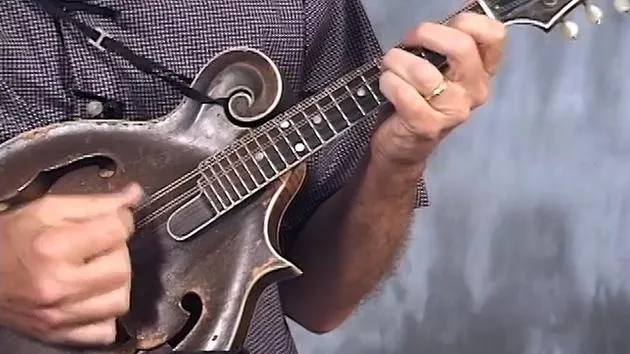
Transcripción de la lección
Understanding Bluegrass Standards: A Lesson on Bill Monroe's "On and On"
I want to show you a bluegrass standard. It's a song with words, written by Bill Monroe, who is credited with originating this music over 60 years ago. The music was actually named after his band, the Bluegrass Boys.
Introduction to the Song
- Bill Monroe and the Bluegrass Boys created this song.
- First, I'm going to play just the basic melody for you.
Basic Melody
- (Play basic melody)
That doesn't sound very "bluegrass-ish" the way I just played that. That's just the bare-bones melody. The reason it doesn't sound idiomatic to bluegrass is that a lot of elements are missing.
Elements of Bluegrass Music
Let me explain what makes it sound more bluegrass, and then I'll play a version that adds those elements in.
1. Vocal Focus
Traditional bluegrass is very much oriented toward vocal music. The interpretations of the solos, or breaks as they are called in bluegrass, are fairly close to the melodies sung. In this song, there are a lot of held notes.
- For example, the first note the singer would sing is held: "on and on."
- That first note, the D note, is often held.
2. Rhythm and Forward Motion
If I play that held note on the mandolin, it doesn't really go anywhere. It doesn't translate onto the instrument the intensity that the vocalist is putting into it.
- To keep the music going forward, you add notes to propel the rhythm.
- Even if it's just back and forth on the same note, this helps maintain the momentum.
3. Slides
Another thing that makes a solo sound more traditional bluegrass is the use of slides into notes.
- For example, these are the pickup notes sliding into the first melody note.
- This adds a unique character, making it sound less square than the verse version I played earlier.
4. Blues Notes
When we talk about blues notes, let's consider the key we are in: G major.
- A common blues note in G is sliding from the flatted third (B flat) instead of playing the third note directly.
- You can also slide into the fifth. The fifth note of the scale is D, and by sliding from one fret below, you get a flatted fifth.
5. Use of Flatted Sevenths
Another element that contributes to the bluesy sound is the flatted seventh.
- If I count to the seventh note in a G major scale and then flat that note, it creates a distinctive flavor.
- Including notes like these makes it sound bluesier and more in the pocket.
6. Influences on Bill Monroe
Bill Monroe, the man who developed this music, was deeply steeped in old-time mountain music.
- This tradition was carried over from the Anglo and Celtic roots by immigrants.
- His influences included old time fiddle music, church music, and the blues.
Monroe's mandolin playing blends these traditions, showcasing a unique hybrid string music that truly evolved into bluegrass in the early 40s.
7. Double Stops
Another characteristic of bluegrass is the use of double stops, playing a note and a harmony note above or below it.
Demonstration
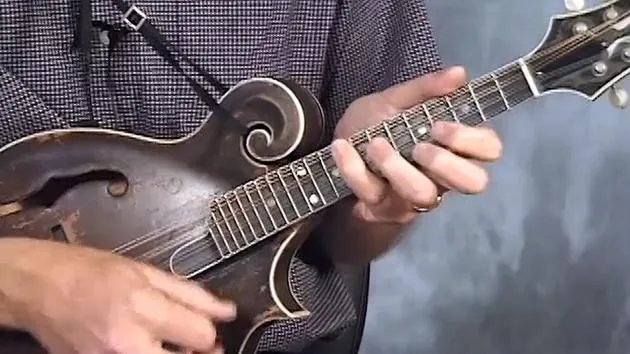
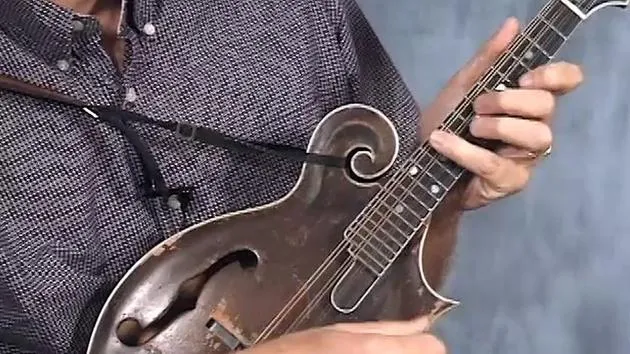
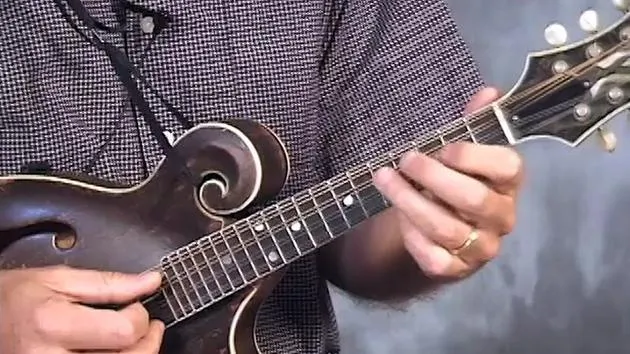
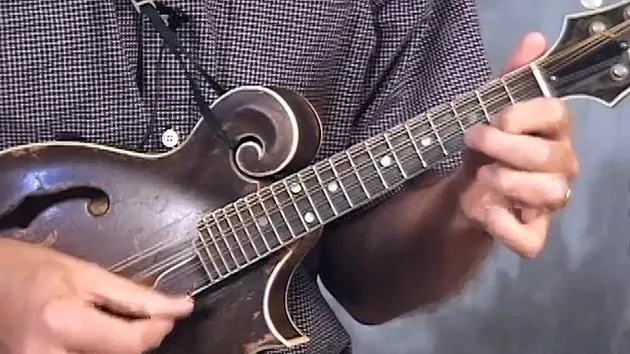
Now, let me play "On and On" for you, trying to incorporate some of these elements.
- (Play version incorporating elements)
That riff sounds slightly bluesier. The way I played it is going to be pretty close to the way I tabbed it out for you. You'll be able to grasp the essence of what I'm trying to convey by listening to this and checking out the tablature.
20 lecciones
1h 18m de lecciones en vídeo estructuradas
Funciones de vídeo avanzadas
Ralentiza, repite un pasaje, sigue la partitura
Móvil, tablet y ordenador
Practica donde quieras
Garantía de satisfacción 100%
30 días de garantía de devolución
Conoce a tu gurú
Conoce a tu gurú
Tom Bekeny es mandolinista, violinista de fiddle y experimentado profesor de mandolina que ha actuado y enseñado en Estados Unidos y en el extranjero durante más de 40 años, así que cuando desglosa cómo tocar, estás aprendiendo de alguien que ha pasado toda una vida tanto sobre el escenario como en el aula.
Fue el mandolinista de bandas de la zona de la bahía de San Francisco como Done Gone, Tenbrooks y una versión temprana de la Grant Street String Band con Laurie Lewis. Ha aparecido con Peter Rowan, los Rowan Brothers, David Grisman, George Cole, la vocalista Lua Hadar y Jerry Garcia. Tom ha tocado la mandolina con la muy aclamada Kathy Kallick Band durante casi 20 años y ha ocupado el puesto de fiddle en High Country, la banda de bluegrass tradicional por excelencia de California, desde 1988. Ha grabado con muchos de estos grupos y apareció en el número de verano de 2009 de Mandolin Magazine.
Tom también toca en la enormemente popular banda de "jam" de bluegrass tradicional Bangers and Grass, junto a luminarias del bluegrass de la Costa Oeste como Jim Nunally, Steve Pottier, Bill Evans y Chad Manning.
Más allá del bluegrass, Tom toca mandolina de jazz con su trío The Missing Man Quartet (MM4), que interpreta jazz directo con arreglos originales que toman material del mundo del jazz y de los estándares del Great American Songbook. En 2013 publicó un proyecto de CD en solitario ("Jazzolin"), en el que toca la mandolina y el fiddle acompañado de batería y bajo.







