



Patrones de púa
Con
Tom Bekeny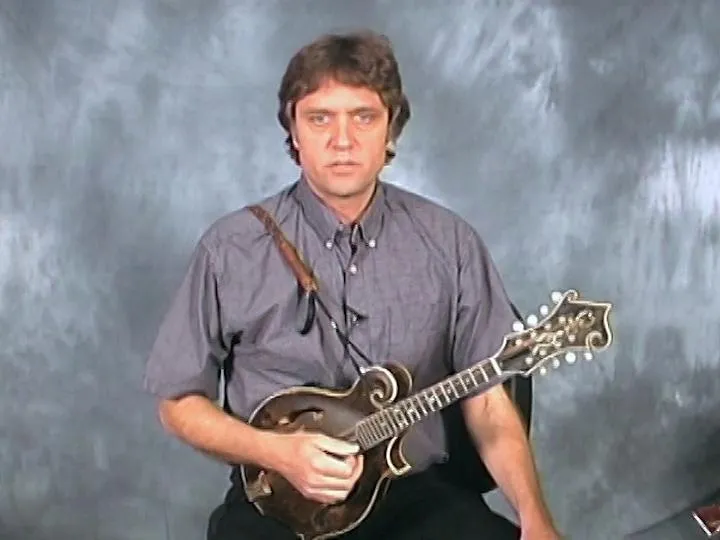
Qué incluye el curso
20 lecciones (1h 18m) · 1 gratis
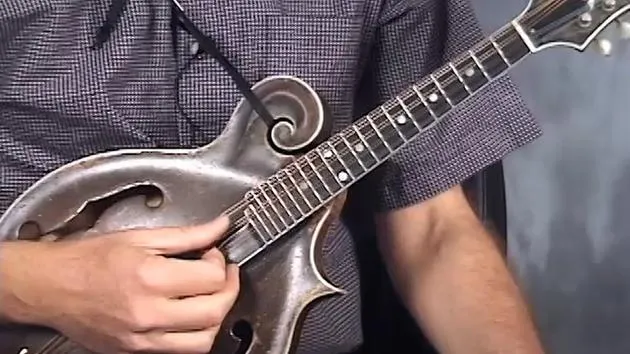
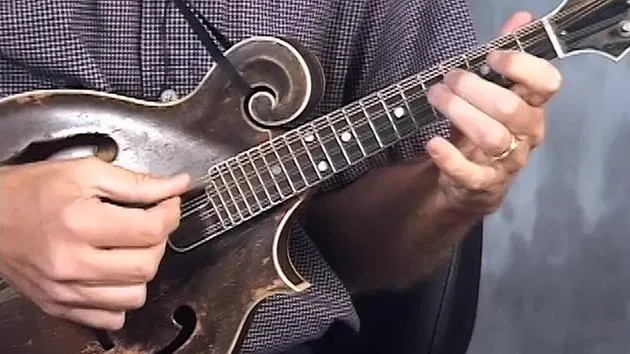
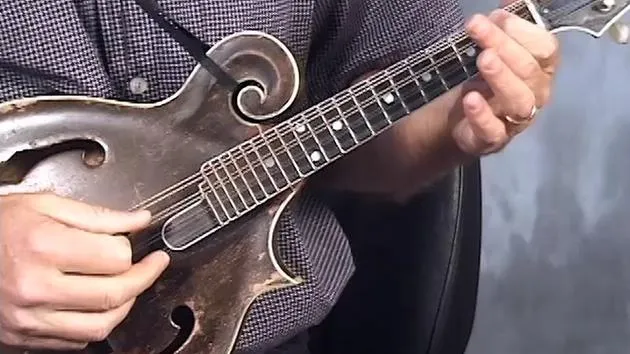
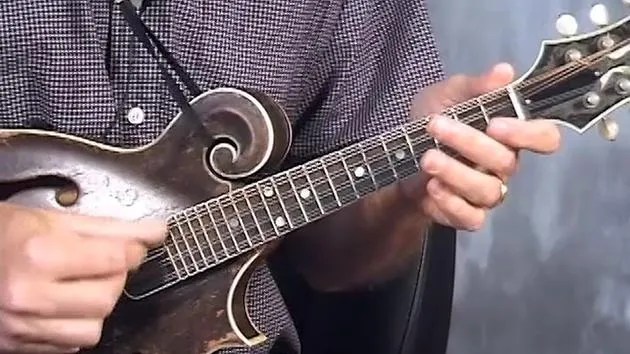
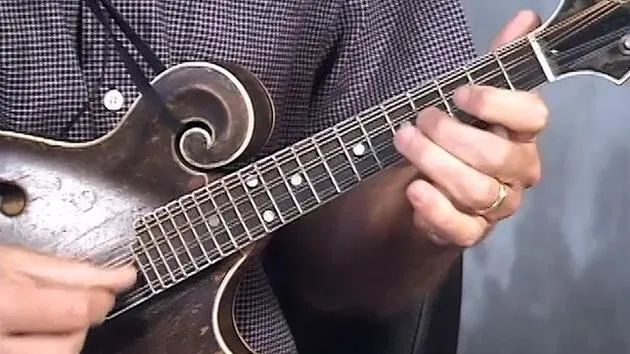
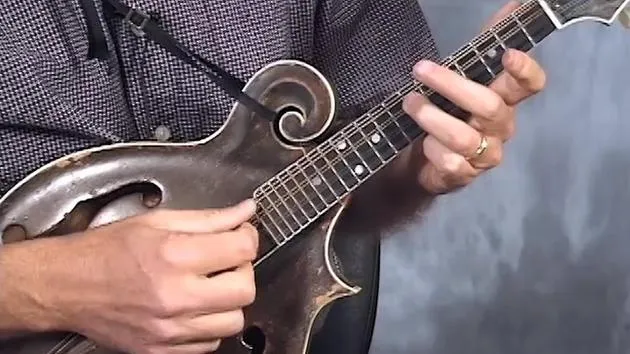
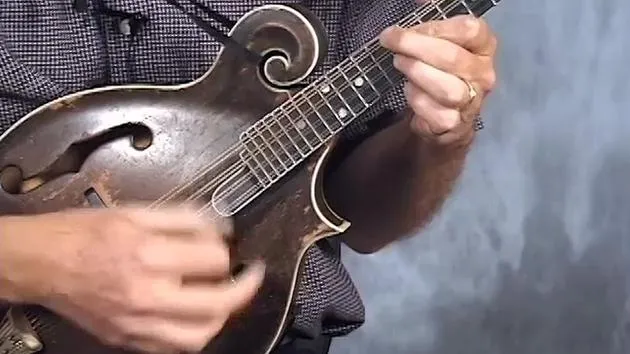
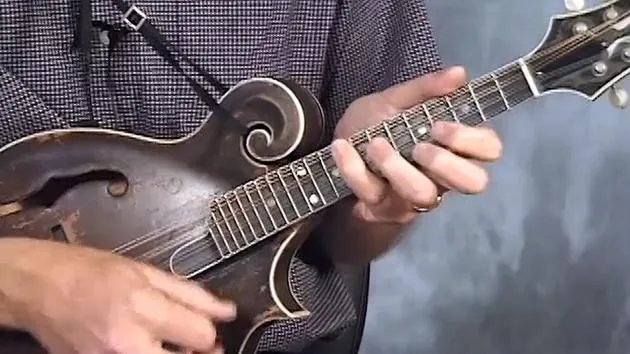
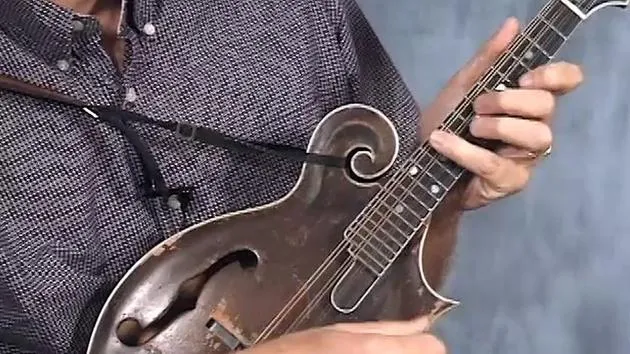
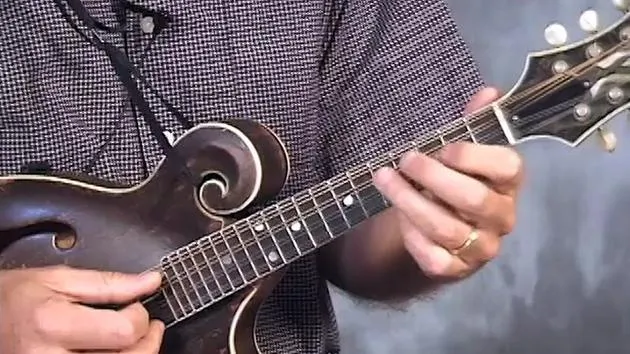
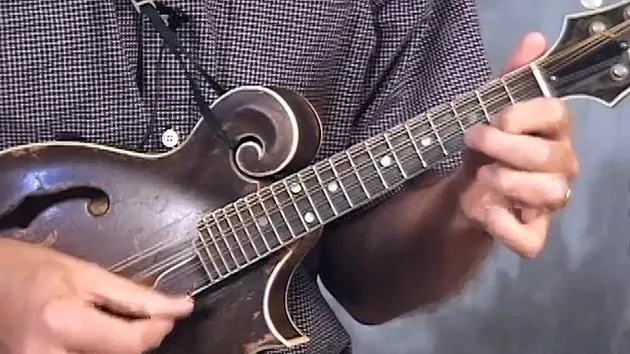
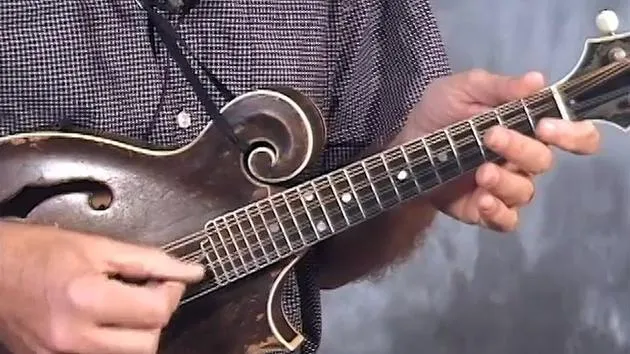
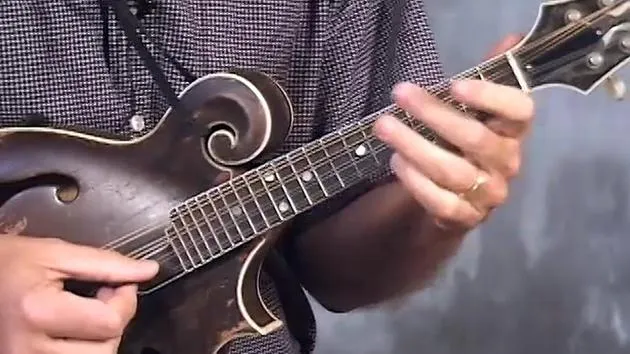
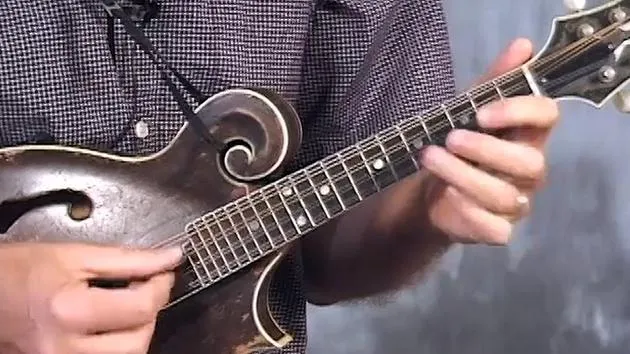
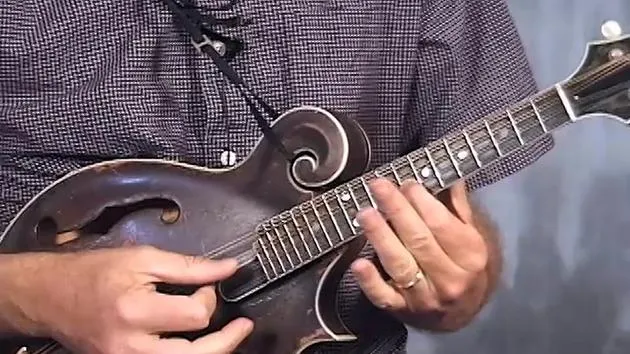
Transcripción de la lección
Music Lesson: Understanding Pick Alternation and Syncopation
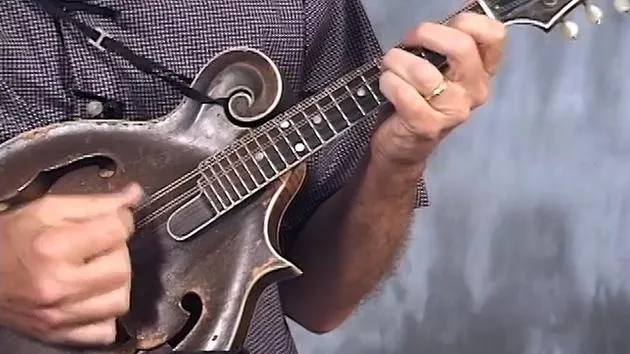
Okay, I was just talking to you about the alternation of your pick. When you're playing an even flow of notes of even rhythmic value, like fast 8th or 16th notes, you alternate:
- Down, up, down, up, down, up
Always starting on the downstroke.
Syncopation in Music
However, when the music is syncopated, you don't adhere to that strict pattern. Without getting too much into music theory, what remains the same is that you're using a downstroke on the strong part of the beat.
So, for example, with eighth notes:
- 1 and 2 and 3 and 4
I'll always be hitting a downstroke on the strong part of the beat. Even when something's syncopated, if we're in the strong part of the beat, we're going to be hitting down.
I won't get more into that. I think you'll be able to sort of get the feel for this by just doing it and hearing it.
Syncopated Patterns
There are a couple of syncopated patterns I want to show you, and then we'll apply them to a basic fiddle tune or traditional instrumental.
Pattern 1: Open A String
Here's one pattern, and again, we're departing from the strict down-up alternation. I'll just show you this on the open A string:
- Down, down, up
- Down, down, up
- Down, down, up
- Down, up, down
- Down, down, up
- Down, down, up
- Down, down, down
- Down, down
I can't say it as fast as I can play it, so I'll just play it without saying it.
Pattern Practice
Now, do it slower:
- Down, down, up, down, down, up
For those of you who've heard traditional fiddle music, old-timey fiddle, or bluegrass fiddle, that may sound familiar. A real common pattern from fiddle music is called a shuffle. If I had a fiddle here, I could show you, and it would probably sound more familiar to you.
Key Takeaway
The point is, we're not doing strict alternation of the pick. We're hitting two downstrokes in a row:
- Down, down, up, down, down, up, down, down, up
Now, you can reverse that pattern, and you have this sound. I'll call out the directions:
- Down, up, down, down, up, down, down, up, down, down, up, down
Sped up, it sounds like this...
20 lecciones
1h 18m de lecciones en vídeo estructuradas
Funciones de vídeo avanzadas
Ralentiza, repite un pasaje, sigue la partitura
Móvil, tablet y ordenador
Practica donde quieras
Garantía de satisfacción 100%
30 días de garantía de devolución
Conoce a tu gurú
Conoce a tu gurú
Tom Bekeny es mandolinista, violinista de fiddle y experimentado profesor de mandolina que ha actuado y enseñado en Estados Unidos y en el extranjero durante más de 40 años, así que cuando desglosa cómo tocar, estás aprendiendo de alguien que ha pasado toda una vida tanto sobre el escenario como en el aula.
Fue el mandolinista de bandas de la zona de la bahía de San Francisco como Done Gone, Tenbrooks y una versión temprana de la Grant Street String Band con Laurie Lewis. Ha aparecido con Peter Rowan, los Rowan Brothers, David Grisman, George Cole, la vocalista Lua Hadar y Jerry Garcia. Tom ha tocado la mandolina con la muy aclamada Kathy Kallick Band durante casi 20 años y ha ocupado el puesto de fiddle en High Country, la banda de bluegrass tradicional por excelencia de California, desde 1988. Ha grabado con muchos de estos grupos y apareció en el número de verano de 2009 de Mandolin Magazine.
Tom también toca en la enormemente popular banda de "jam" de bluegrass tradicional Bangers and Grass, junto a luminarias del bluegrass de la Costa Oeste como Jim Nunally, Steve Pottier, Bill Evans y Chad Manning.
Más allá del bluegrass, Tom toca mandolina de jazz con su trío The Missing Man Quartet (MM4), que interpreta jazz directo con arreglos originales que toman material del mundo del jazz y de los estándares del Great American Songbook. En 2013 publicó un proyecto de CD en solitario ("Jazzolin"), en el que toca la mandolina y el fiddle acompañado de batería y bajo.







