



Desarrollar Bile 'Em Cabbage Down - dobles cuerdas
Con
Tom Bekeny
Qué incluye el curso
20 lecciones (1h 18m) · 1 gratis
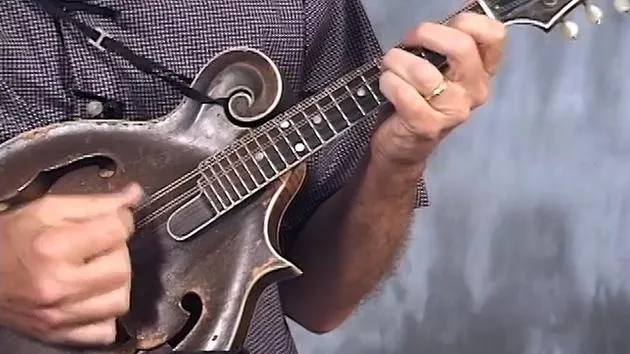
Transcripción de la lección
Music Lesson: Exploring "Biolum Cabbage Down" with Double Stops
We're going to work further with the tune Biolum Cabbage Down.
Objectives:
- Focus on right-hand picking technique
- Introduce the concept of double stops
What is a Double Stop?
In classical music, a double stop is when you "stop" a string with your finger, stopping two strings simultaneously.
- In other words, you play two notes, usually adjacent notes.
- For our purposes, any two notes played together, typically on adjacent strings, will be called a double stop.
Demonstration of "Biolum Cabbage Down" with Double Stops
Let me show you this version of Biolum Cabbage Down using double stops. It's a good starting point, as it's more interesting to sound two notes together.
- The second note of the double stop is a harmony note.
- Typically, when playing double stops:
- One note is a melody note
- The other is a harmony note
The tune with double stops sounds like this (a little slower):
Refer to the tablature, and see if you can pick up some of this just from listening to this DVD.
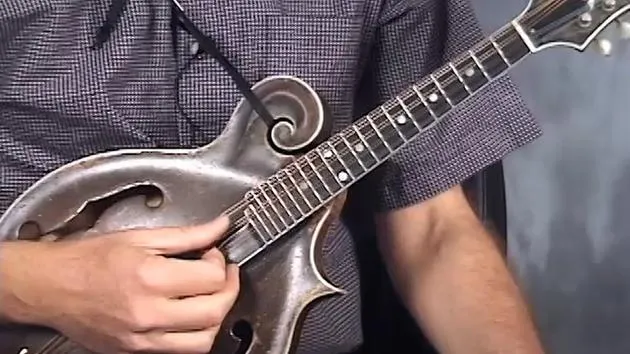
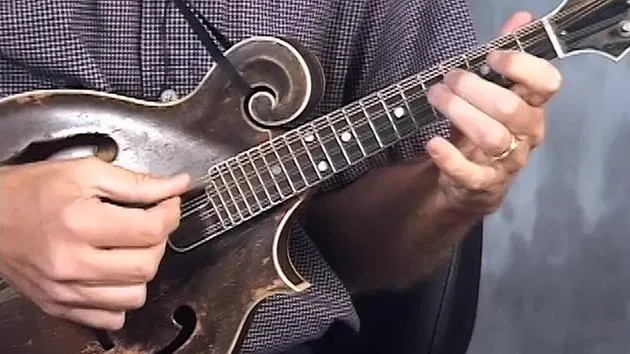
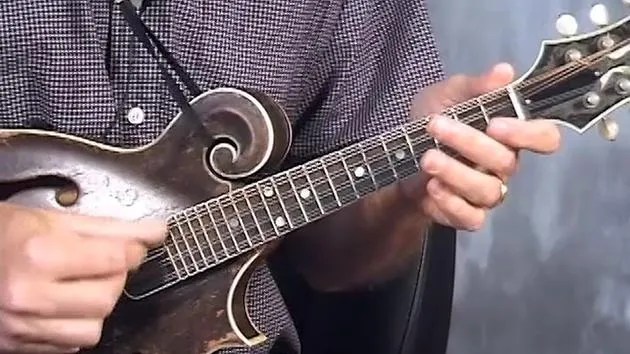
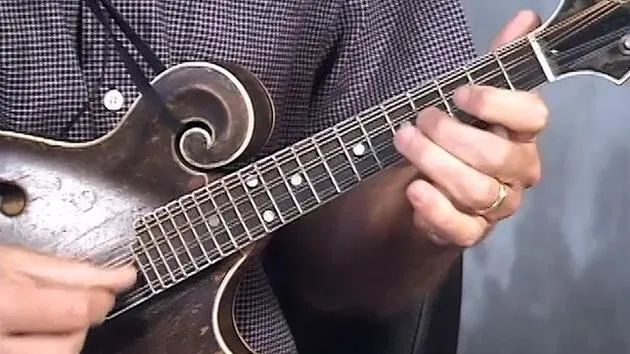
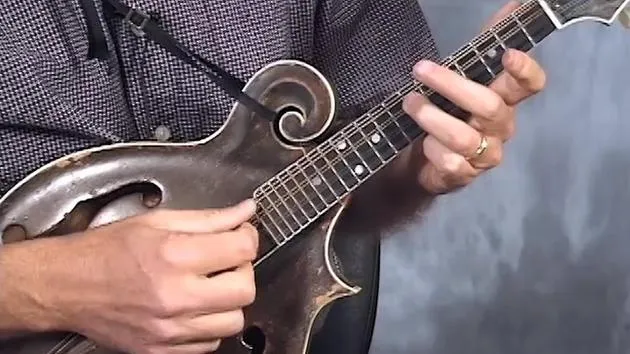
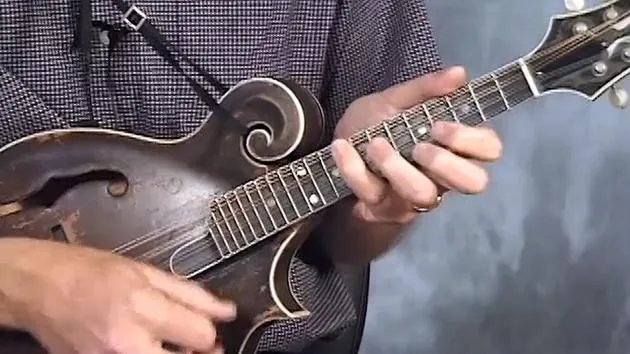
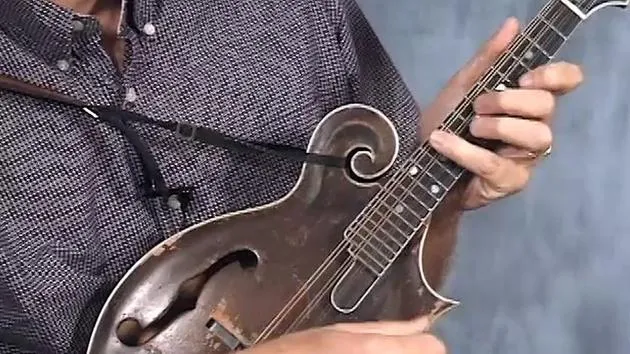
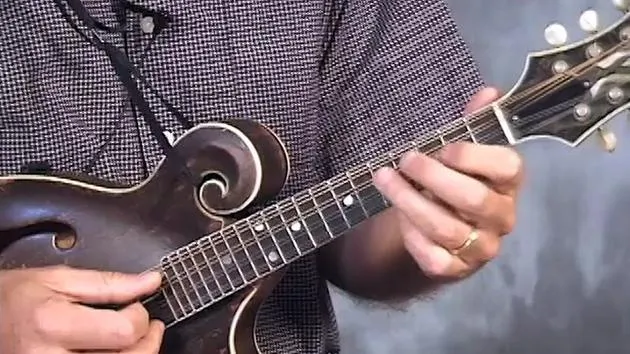
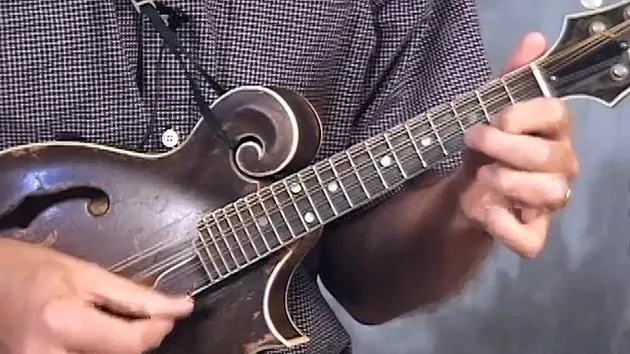
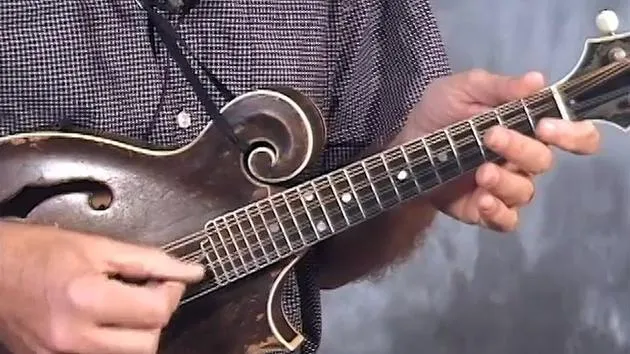
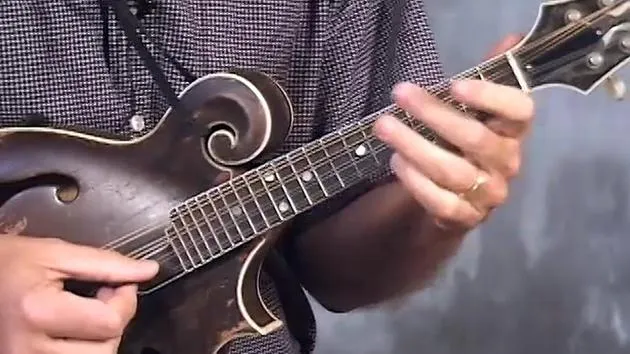
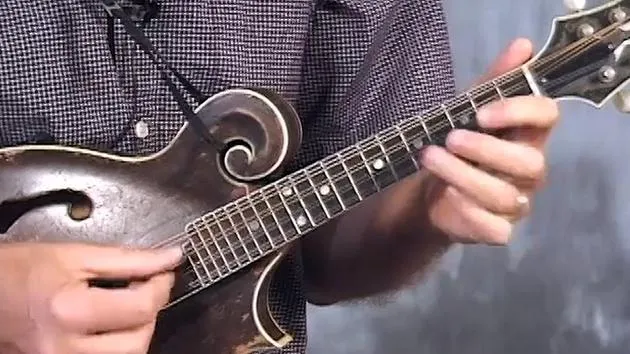
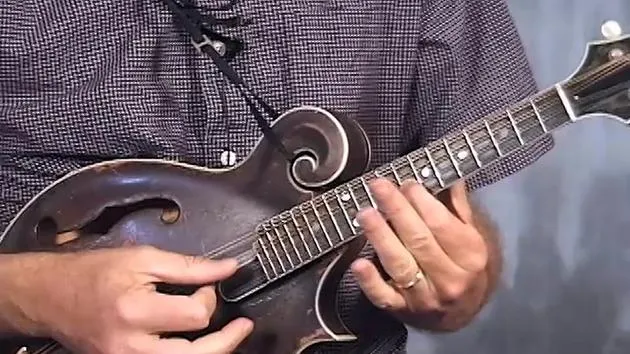
Finger Positions and Shapes
-
First Position:
- Fourth fret with middle finger
- Open E (first double stop)
-
Second Position:
- Fifth fret on the A string with ring finger
- Index fingers fretting on the second fret of E
-
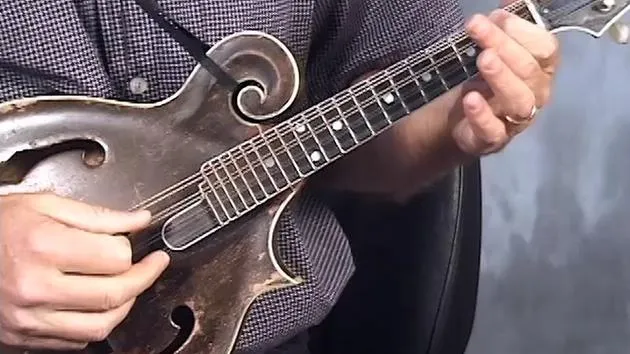
Third Shape:
- Second fret with index finger and open E as the harmony note.
-
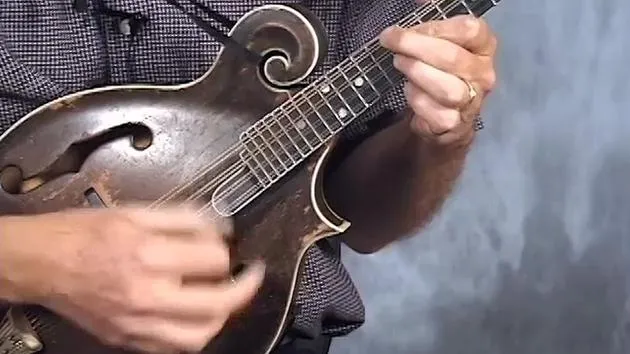
Fourth Position:
- Hitting two A notes:
- Open A
- A note on the D string (ring finger at the seventh fret)
- Hitting two A notes:
Technique Tips
- Keep your wrist loose:
- Playing tightly makes it hard to swipe across the strings properly.
Variations
You can play the same sequence but end with the last note an octave lower:
- Instead of playing the C# and E above, play them lower.
Right-Hand Technique
- Use the same rhythm with your right hand without bracing, almost like playing chords.
- This will enhance your playing as you sound better when it's sped up.
Setting the Tempo
One more thing about playing an instrumental:
A common tradition in old-time fiddle and bluegrass music is a particular way to set the tempo for the song. A typical way to kick this tune off might be:
"To set the tempo for the band, play a sequence called eight potatoes."
- This involves two measures of four beats each, hitting a double stop of a unison.
- For the first beat of each measure, slide up.
I will also have this written out in tablature for you, so you get the idea.
That's the idea for this lesson! Enjoy practicing!
20 lecciones
1h 18m de lecciones en vídeo estructuradas
Funciones de vídeo avanzadas
Ralentiza, repite un pasaje, sigue la partitura
Móvil, tablet y ordenador
Practica donde quieras
Garantía de satisfacción 100%
30 días de garantía de devolución
Conoce a tu gurú
Conoce a tu gurú
Tom Bekeny es mandolinista, violinista de fiddle y experimentado profesor de mandolina que ha actuado y enseñado en Estados Unidos y en el extranjero durante más de 40 años, así que cuando desglosa cómo tocar, estás aprendiendo de alguien que ha pasado toda una vida tanto sobre el escenario como en el aula.
Fue el mandolinista de bandas de la zona de la bahía de San Francisco como Done Gone, Tenbrooks y una versión temprana de la Grant Street String Band con Laurie Lewis. Ha aparecido con Peter Rowan, los Rowan Brothers, David Grisman, George Cole, la vocalista Lua Hadar y Jerry Garcia. Tom ha tocado la mandolina con la muy aclamada Kathy Kallick Band durante casi 20 años y ha ocupado el puesto de fiddle en High Country, la banda de bluegrass tradicional por excelencia de California, desde 1988. Ha grabado con muchos de estos grupos y apareció en el número de verano de 2009 de Mandolin Magazine.
Tom también toca en la enormemente popular banda de "jam" de bluegrass tradicional Bangers and Grass, junto a luminarias del bluegrass de la Costa Oeste como Jim Nunally, Steve Pottier, Bill Evans y Chad Manning.
Más allá del bluegrass, Tom toca mandolina de jazz con su trío The Missing Man Quartet (MM4), que interpreta jazz directo con arreglos originales que toman material del mundo del jazz y de los estándares del Great American Songbook. En 2013 publicó un proyecto de CD en solitario ("Jazzolin"), en el que toca la mandolina y el fiddle acompañado de batería y bajo.







