



Primera nota, escala y técnica de púa
Con
Tom Bekeny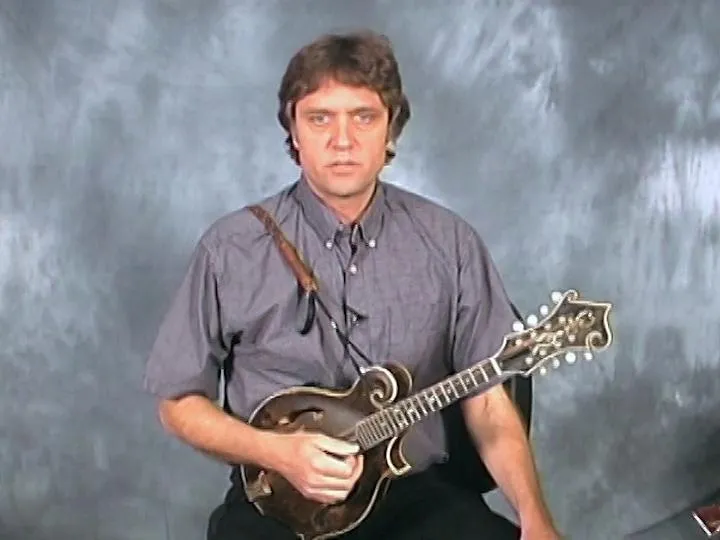
Qué incluye el curso
20 lecciones (1h 18m) · 1 gratis
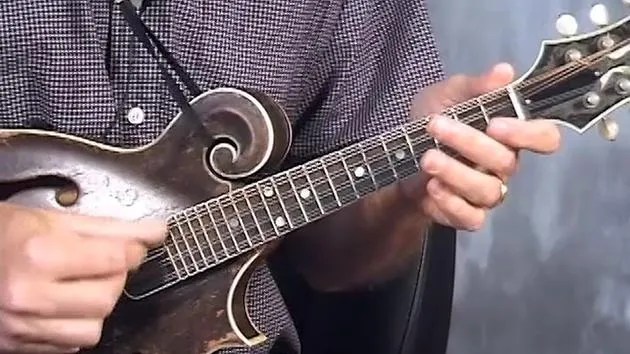
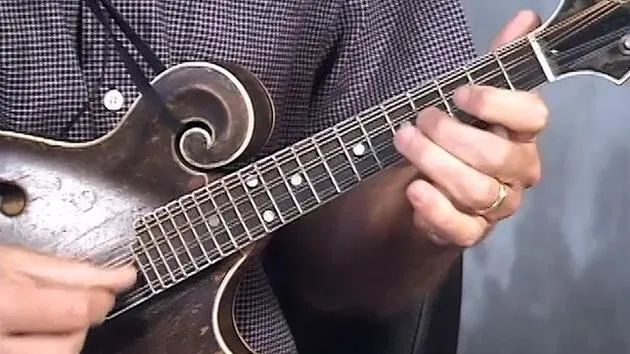
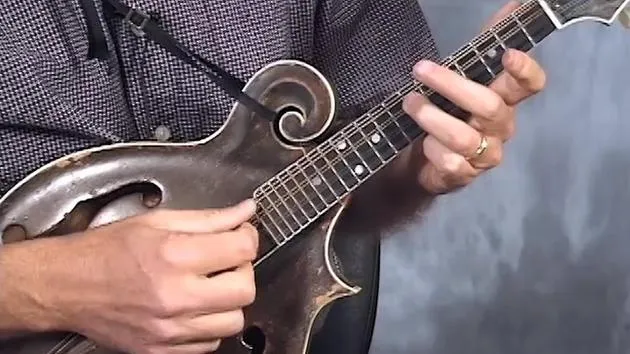
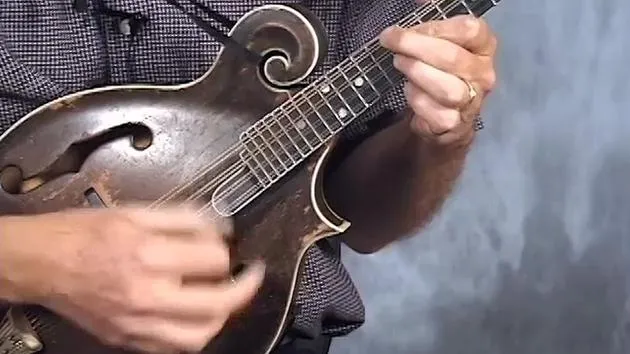
Transcripción de la lección
Right Hand Technique and Pick Usage
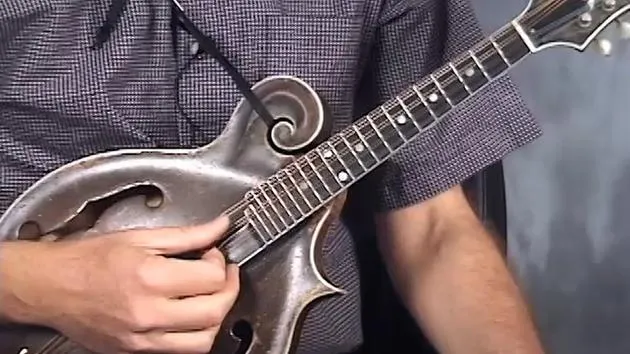
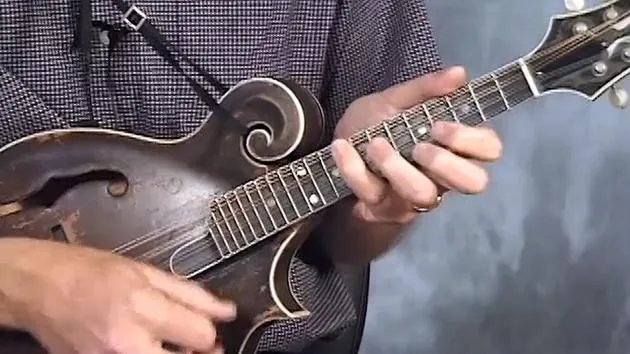
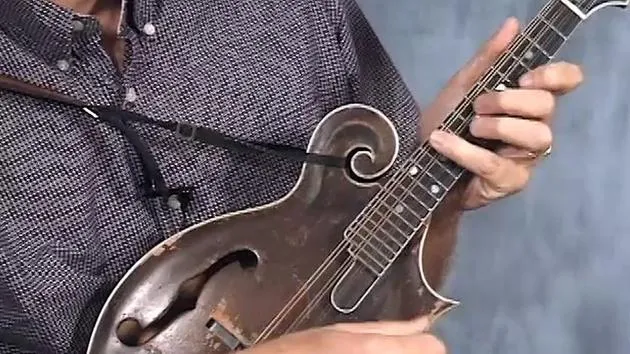
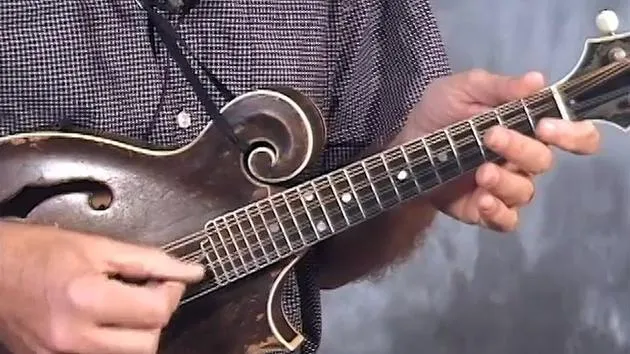
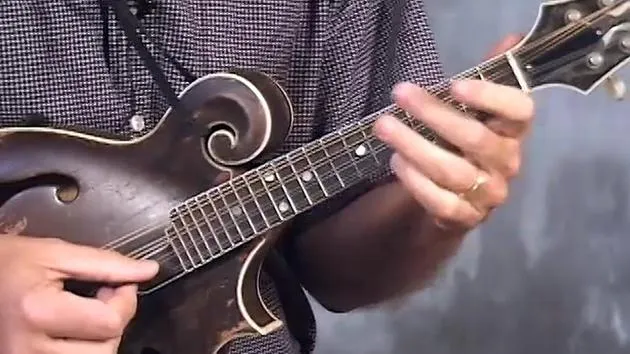
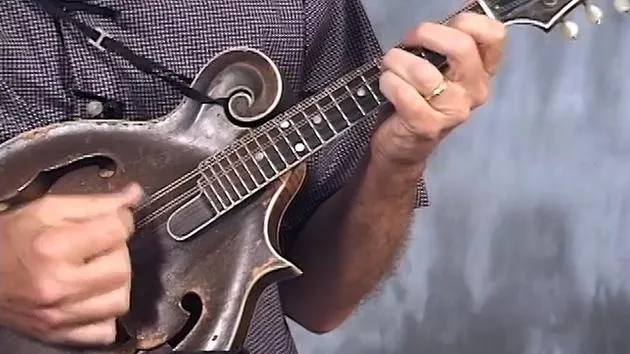
Okay, so let's focus a little bit on your right hand and the use of the pick. One of the basic things that you should learn is to alternate the pick directions:
- Down, up, down, up, down, up.
When you have a series of faster notes, either eighth notes or sixteenth notes, it continues:
- Down, up, down, up, down, up, down, up.
Understanding Major Scales
For this purpose, and for the purpose of getting to know the fingerboard a little bit, it's probably good to just learn a few of the major scales in the common bluegrass keys. The common keys in bluegrass, at least in traditional bluegrass, though I think this is changing now, are:
- A
- B flat
- B
- C
- D
- E
- F
I'll just show you an A major scale, and you'll find tablature for the other keys I just mentioned.
Scales: Open vs. Closed Position
For each of the scales, I'll show you one where you're using some open notes (in other words, unfretted notes) and scales where you're mostly trying to play and get that same note but fretted (closed position versus open).
A Major Scale
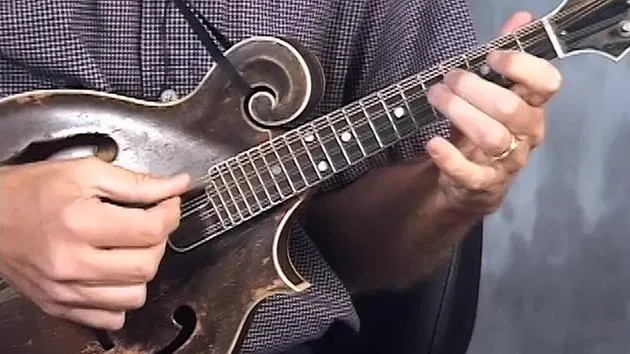
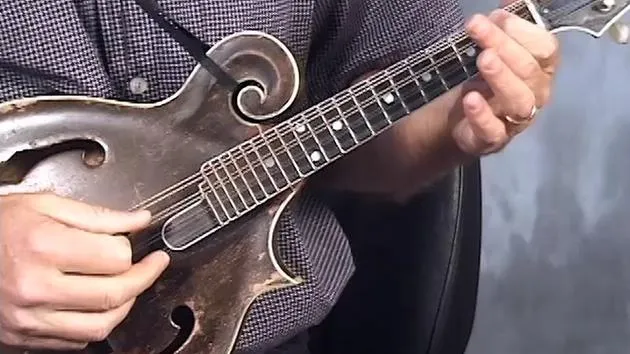
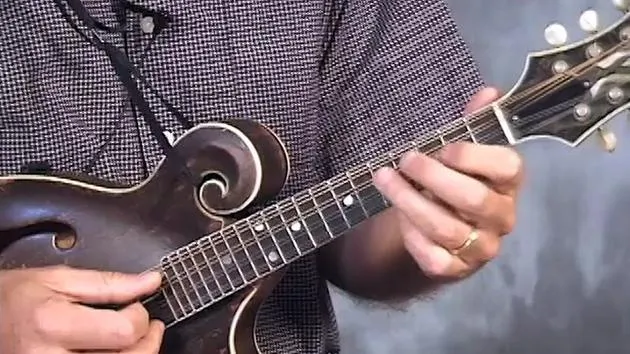
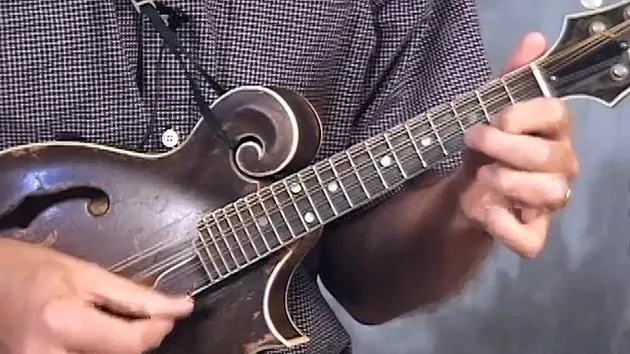
Here's an A major scale, alternating the pick:
- Alternating the pick: Down, up, down, up.
- We will go up a couple of octaves and then back down.
The first version uses open notes:
- Open, down, up, and maintaining that.
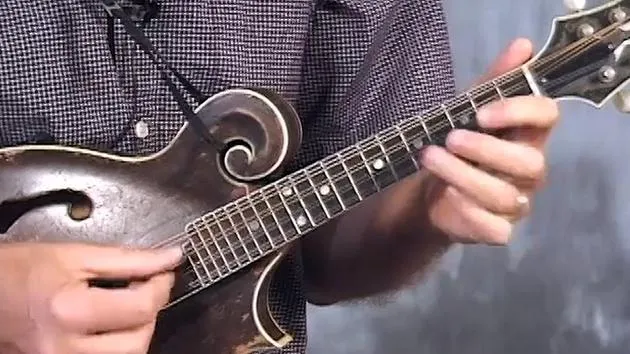
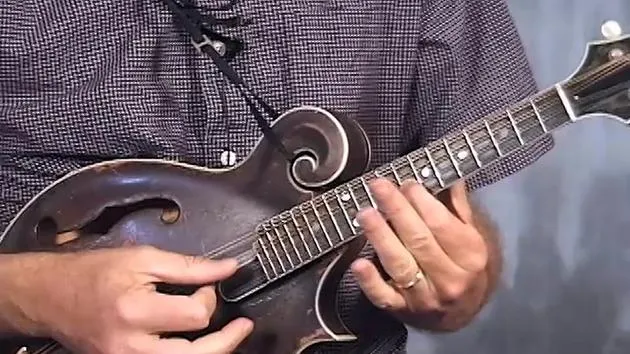
Then we'll move to the closed position.
Another reason it's good to practice the closed position is that it allows you to play in any key. You can change keys and keep the same positions.
Importance of the Pinky
Additionally, practicing in closed position exercises your pinky, which is the fourth finger and the weakest finger, making it the hardest to develop.
So, here it is in closed position, with the pinky catching the notes that were played open in the previous version of this A major scale.
20 lecciones
1h 18m de lecciones en vídeo estructuradas
Funciones de vídeo avanzadas
Ralentiza, repite un pasaje, sigue la partitura
Móvil, tablet y ordenador
Practica donde quieras
Garantía de satisfacción 100%
30 días de garantía de devolución
Conoce a tu gurú
Conoce a tu gurú
Tom Bekeny es mandolinista, violinista de fiddle y experimentado profesor de mandolina que ha actuado y enseñado en Estados Unidos y en el extranjero durante más de 40 años, así que cuando desglosa cómo tocar, estás aprendiendo de alguien que ha pasado toda una vida tanto sobre el escenario como en el aula.
Fue el mandolinista de bandas de la zona de la bahía de San Francisco como Done Gone, Tenbrooks y una versión temprana de la Grant Street String Band con Laurie Lewis. Ha aparecido con Peter Rowan, los Rowan Brothers, David Grisman, George Cole, la vocalista Lua Hadar y Jerry Garcia. Tom ha tocado la mandolina con la muy aclamada Kathy Kallick Band durante casi 20 años y ha ocupado el puesto de fiddle en High Country, la banda de bluegrass tradicional por excelencia de California, desde 1988. Ha grabado con muchos de estos grupos y apareció en el número de verano de 2009 de Mandolin Magazine.
Tom también toca en la enormemente popular banda de "jam" de bluegrass tradicional Bangers and Grass, junto a luminarias del bluegrass de la Costa Oeste como Jim Nunally, Steve Pottier, Bill Evans y Chad Manning.
Más allá del bluegrass, Tom toca mandolina de jazz con su trío The Missing Man Quartet (MM4), que interpreta jazz directo con arreglos originales que toman material del mundo del jazz y de los estándares del Great American Songbook. En 2013 publicó un proyecto de CD en solitario ("Jazzolin"), en el que toca la mandolina y el fiddle acompañado de batería y bajo.







