



Busse und Projekteinstellungen verstehen

Lesson time: (3min 19sec)
Goetz erklärt alles, was du über die Verwendung von Bussen in deiner DAW wissen musst. Sieh zu, wie er sein Projekt in Pro Tools einrichtet.
Course preview
This lesson is part of the course Kommerzielle Popmusik mischen
Watch a preview of the full course below.
Lesson transcript:
Understanding the Master Bus
So just quickly, maybe not everybody knows what the master bus is. It's basically just what all the sounds are routed to, the mix bus. This is the last channel before it gets recorded. Everything that's on the master bus will affect your entire mix.
Routing to the Mix Bus
As you can see, I've routed every single channel here to go to the mix bus. This setup results in all channels being sent to our mix or master bus, which then goes to our Outputs 1 and 2 on Pro Tools.
Technical Considerations
One more technical aspect to consider:
- Sample Rate: When you do your mix, you have to decide on the sample rate.
- Bit Depth: This is crucial too.
Recommended Settings
- Standard Settings: It all ends up in 44.1 kHz, which is the CD quality sample rate of 16-bit.
- Higher Sample Rates: The equipment we have can work at much higher sample rates, which makes it sound considerably better. It's always best to go for the highest sample rate.
Even if the material you've been sent is in 48 kHz or 44.1 kHz, consider upsampling it when you load it in. If your system is powerful enough, run it in 96 kHz because it's going to sound a lot better.
Once the mix is finished, even if you go back down to a lower sample rate, you will notice a significant difference.
Bit Depth Recommendations
- General Bit Depth: The bit depth usually goes back down to 16-bit.
- Most Systems: Most systems now work at least in 24-bit.
- Pro Tools and Logic: Both work in 32-bit float. You can set this in Settings > Session Setup. Look for 32-bit float to use the best possible settings.
You can always reduce it back down later, but you will hear a difference if you do that. So, always go for the best.
Creating a Mix Template
I would suggest that you make your own mix template. Here's how:
- Identify Your Favorites: Determine what your favorite effects are and what you always use.
- Create a Template: Some people like to route all their different groups of instruments to different buses, especially in Logic.
Creating a template will save you a lot of time when mixing because you only have to set it up once rather than having to create new channels each time.
About the instructor
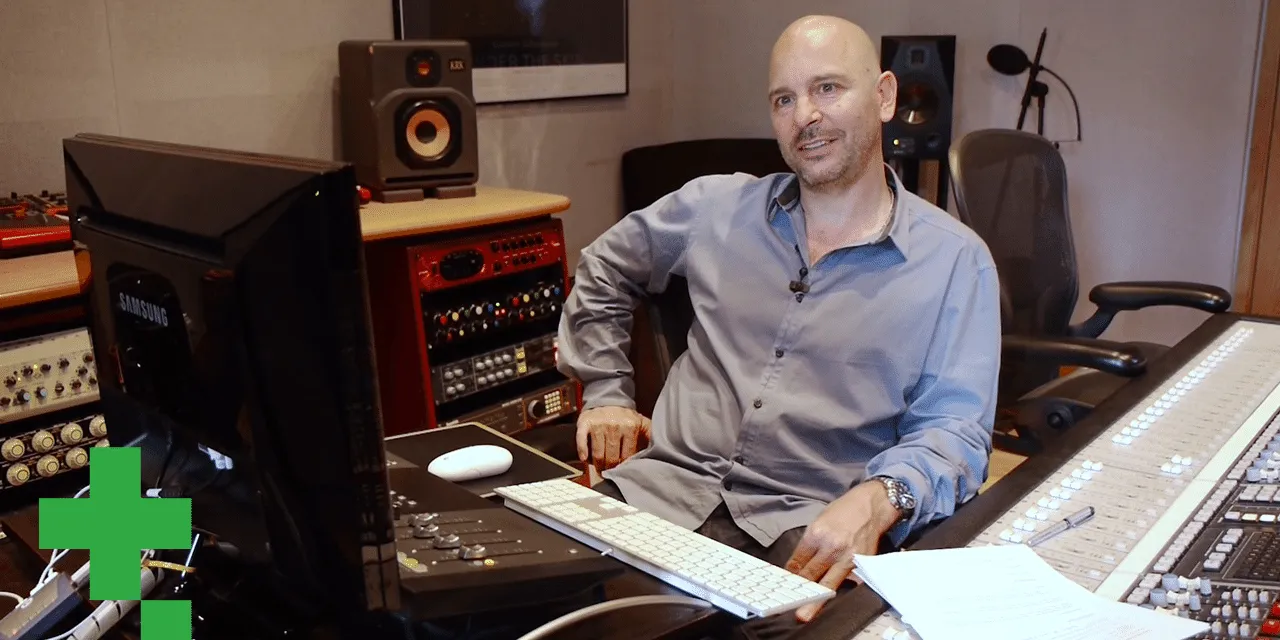
Anfang der Neunzigerjahre absolvierte Goetz Botzenhardt eine Ausbildung in den Swanyard Recording Studios, wo er Spitzenproduzenten wie Flood, Alan Moulder und Tom Lord-Alge assistierte und sich beim Aufnehmen und Mischen der Dance- und Acid-Jazz-Bands der 90er – Incognito, Galliano, Soul II Soul und vielen anderen – die Sporen verdiente.Bei Swanyard lernte er Rollo Armstrong kennen, und die beiden bildeten rasch eine kreative Partnerschaft, aus der viele große Dance-Platten und Remixe hervorgingen und, kurz darauf, die Aufnahme und das Mischen der ersten beiden gefeierten Faithless-Alben sowie von Didos Multi-Platin-Album 'No Angel'.Genreübergreifend nahm und mischte er das Debütalbum der Sugababes, 'One Touch', einschließlich ihres ersten Hits 'Overload', und hat für The Cardigans, Bjork, The Cinematic Orchestra, Craig David, die Pet Shop Boys und Hikaru Utada gemischt, eine der erfolgreichsten Künstlerinnen Japans.In jüngerer Zeit hat er sich auf Film und Fernsehen ausgeweitet, arbeitete intensiv mit den Komponisten Christian Henson, Martin Phipps und Anne Nikitin zusammen und mischte Daniel Pembertons Golden-Globe-nominierte Filmmusik zu 'Steve Jobs' unter der Regie von Danny Boyle. Abseits des Films produzierte er Tanita Tikarams 'Closer to the People', mischte Tracks für Sigala, Ella Eyre, Breton, Planet Funk und Tito Jackson und mischte 2016 Peabo Brysons Album mit Jimmy Jam und Terry Lewis. Eine vollständige Liste seiner Arbeiten findet sich auf seinen Diskografie- und Filmografie-Seiten unter goetz-botzenhardt.com.Goetz arbeitet in seinem eigenen Studio und Mischraum, aufgebaut um eine SSL-E4044-Konsole, ein Adam-5.1-Surround-Monitoring, ein 48-kanaliges Pro-Tools-HDX-System und ausgewähltes Outboard-Equipment. In seinen Kursen holt er dich in diesen Raum, um zu zeigen, wie er in zwei sehr unterschiedlichen Welten mischt: in Mixing for Film & TV Score, wie er orchestrale und hybride Filmmusiken im Dienst des Bildes ausbalanciert und formt; und in Mixing Commercial Pop Music, wie er druckvolle, radiotaugliche Pop-Mixe von der Mehrspur an aufbaut. read more