



Letzte Mixing-Schritte und Projektübergabe

Lesson time: (13min 38sec)
Goetz behandelt die letzten Schritte eines Mixes - die Ohren über Nacht ausruhen, mit Limiting Lautheit ohne Verzerrung erreichen und wie du dem Kunden die Dateien vor dem Mastering übergibst.
Course preview
This lesson is part of the course Kommerzielle Popmusik mischen
Watch a preview of the full course below.
Lesson transcript:
Final Mixing Tips and Client Communication
Okay, so here's the last chapter. Once you feel happy with your mix and think it's done, it's not actually quite done yet. There's one crucial aspect: your client has to approve your mix.
Step Back for Objectivity
After spending all day mixing, you might believe your mix is pretty good, but you may have lost some objectivity. Here are a few suggestions to refresh your ears:
- Leave the Mix Overnight: If possible, go home and listen to it in the morning with fresh ears. You'll be amazed at what you can hear that might have stuck out when you were fatigued.
- If You Must Send It Immediately: Send off the mix if you have to do it on the same day, but try to follow the previous suggestion when you can.
Achieving Volume and Quality
It's important that your mix is nice and loud, so maximize limiting without introducing distortion. Aim for:
- A fine balance with your limiter.
- The use of both WAV and MP3 formats when sending to the client:
- WAV: Full bandwidth for detailed listening.
- MP3: Convenient for clients who are on the go.
Communicating with the Client
When sending your mix:
- Don't just present it and say, "Here it is."
- Instead, say, "This is the first draft of the mix I've done. Please have a listen and come back to me with comments."
- Make sure to copy in the right people: usually the manager or record company who pays the bill.
Save Your Work
Before you leave, ensure all your settings are saved. When you come back, you should be able to pick up where you left off without any loss of settings. A good practice:
- Document Your Settings: Use your iPhone to take pictures of settings and email them to yourself or save them in a separate folder in the session.
Working with Feedback
When working on a mixing desk without recall:
- Avoid Changing the Mix Before Feedback: If the client says, "Your mix sounds amazing, but can we just change one thing?" and you've already modified it, that can be problematic.
The first mix I send out is usually labeled as Reference Mix One, signaling to the client that everything is still open for discussion.
Handling Client Feedback
Client feedback can sometimes be vague. Here's how to navigate it:
- Constructive Requests: Good examples include, "Can we turn the hi-hat down a dB?" or "Can we elevate this guitar riff at 1 minute 20 to 2 decibels?"
- Vague Feedback: Comments like "I prefer the demo" or "It's just a bit more blue/green" can be tricky. In such cases:
- Consider having a discussion over the phone or inviting them in for a final mix.
Always ensure that you're addressing their feelings about the mix, even if the feedback seems unfocused.
The Final Touch: Mastering
Every mixer has preferred mastering engineers. I personally trust:
- Tim Young at Metropolis - my favorite for mastering.
Ensure your mastering engineer:
- Doesn't Radically Change Your Mix: Communicate the desired sound to avoid unpleasant surprises later on.
Conclusion
Once all is said and done, remember that it's crucial for your client to be 100% happy with the mix. They will be living with it for a long time, while you will likely move on to different projects.
Thank you for listening to this course; I hope you found it informative! Keep all these tips in mind, and good luck with your mixing career. I hope you can become an awesome mixer!
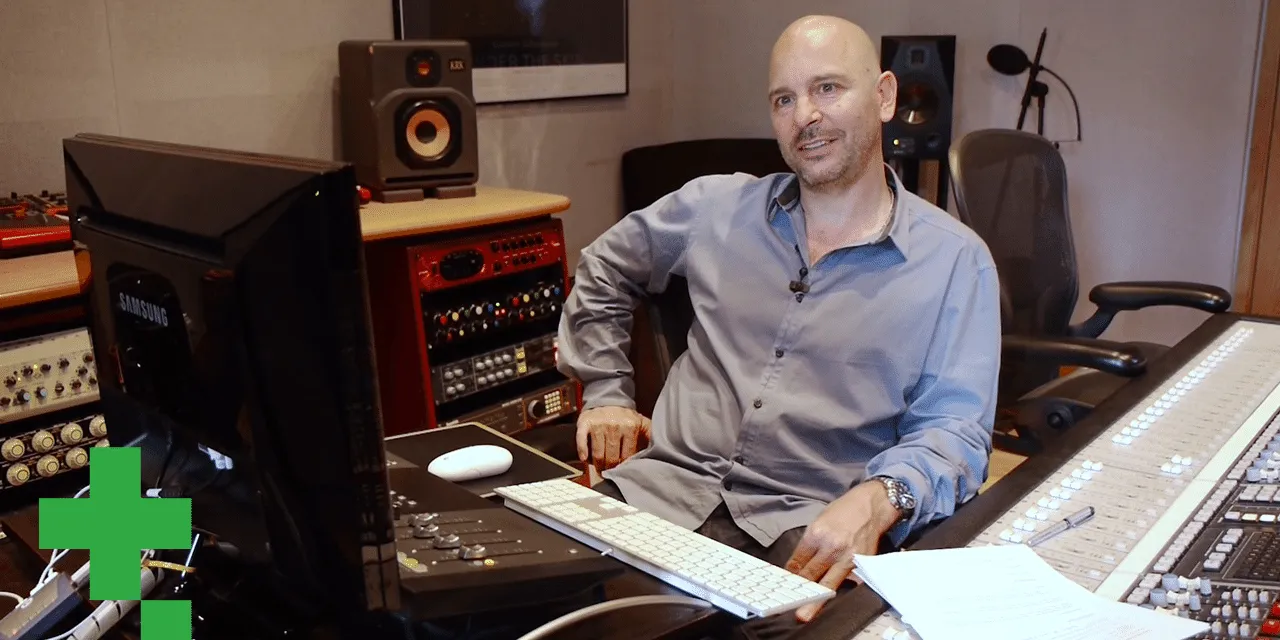
About the instructor
Anfang der Neunzigerjahre absolvierte Goetz Botzenhardt eine Ausbildung in den Swanyard Recording Studios, wo er Spitzenproduzenten wie Flood, Alan Moulder und Tom Lord-Alge assistierte und sich beim Aufnehmen und Mischen der Dance- und Acid-Jazz-Bands der 90er – Incognito, Galliano, Soul II Soul und vielen anderen – die Sporen verdiente.Bei Swanyard lernte er Rollo Armstrong kennen, und die beiden bildeten rasch eine kreative Partnerschaft, aus der viele große Dance-Platten und Remixe hervorgingen und, kurz darauf, die Aufnahme und das Mischen der ersten beiden gefeierten Faithless-Alben sowie von Didos Multi-Platin-Album 'No Angel'.Genreübergreifend nahm und mischte er das Debütalbum der Sugababes, 'One Touch', einschließlich ihres ersten Hits 'Overload', und hat für The Cardigans, Bjork, The Cinematic Orchestra, Craig David, die Pet Shop Boys und Hikaru Utada gemischt, eine der erfolgreichsten Künstlerinnen Japans.In jüngerer Zeit hat er sich auf Film und Fernsehen ausgeweitet, arbeitete intensiv mit den Komponisten Christian Henson, Martin Phipps und Anne Nikitin zusammen und mischte Daniel Pembertons Golden-Globe-nominierte Filmmusik zu 'Steve Jobs' unter der Regie von Danny Boyle. Abseits des Films produzierte er Tanita Tikarams 'Closer to the People', mischte Tracks für Sigala, Ella Eyre, Breton, Planet Funk und Tito Jackson und mischte 2016 Peabo Brysons Album mit Jimmy Jam und Terry Lewis. Eine vollständige Liste seiner Arbeiten findet sich auf seinen Diskografie- und Filmografie-Seiten unter goetz-botzenhardt.com.Goetz arbeitet in seinem eigenen Studio und Mischraum, aufgebaut um eine SSL-E4044-Konsole, ein Adam-5.1-Surround-Monitoring, ein 48-kanaliges Pro-Tools-HDX-System und ausgewähltes Outboard-Equipment. In seinen Kursen holt er dich in diesen Raum, um zu zeigen, wie er in zwei sehr unterschiedlichen Welten mischt: in Mixing for Film & TV Score, wie er orchestrale und hybride Filmmusiken im Dienst des Bildes ausbalanciert und formt; und in Mixing Commercial Pop Music, wie er druckvolle, radiotaugliche Pop-Mixe von der Mehrspur an aufbaut. read more