



Kreativ werden

Lesson time: (4min 29sec)
Wenn dein Mix in guter Form ist, teilt Goetz Botzenhardt kreative Kniffe: ganze Abschnitte filtern, einen Part in ein großes Reverb werfen oder das Schlagzeug einen Takt vor dem letzten Refrain herausnehmen.
Course preview
This lesson is part of the course Kommerzielle Popmusik mischen
Watch a preview of the full course below.
Lesson transcript:
Mixing Techniques for Creativity
So, we've basically got a pretty good mix up and running. If you followed all these steps, your mix should sound pretty awesome by now.
Getting Creative
This is the point where you might think, "Oh, I'm pretty happy with this mix," but you can also get creative. Here are a few ideas:
- Filter Bits: Try bits of filtering, or filter whole sections.
- Reverb Effects: You can cut out a section and put it in a big reverb.
- Drum Cuts: Consider cutting out the drums a bar before the last chorus comes in.
At this stage, the sky's the limit as to what you can try!
If you don't like it, you can always revert back to what you had before. If the clients don't like it, the same thing applies. But they might love it! It's always worth giving it a try.
Adding Interesting Touches
The more creative you are and the more things you try, the more interesting your mix will become.
For example, in this mix here, I added:
- A bit of extra reverb.
- A backwards effect before the vocals come in.
- Phasing in the second verse.
Demonstration with a Synthetic Bass Track
Now, let's look at another example using a more synthetic bass track.
I'm going to play this section here:
- The chorus finishes.
- We have a little instrumental break.
- The second verse comes in.
Filtering for Interest
I thought this could be a little bit more interesting, so here's what I did:
- Use a Filter: I took my Sound Toys filter.
- Apply Resonance: I added a nice bit of resonance on the mix bus.
- Write Automation: I wrote a little automation to see how that sounds.
After some adjustments, I decided to make it a bit more extreme:
- I switched to a four-pole filter.
- I automated the bypass.
Final Thoughts
This was a little demonstration of how to create a bit of extra interest in a section that could use a little help from the "nice mixer man."
And there we go!
About the instructor
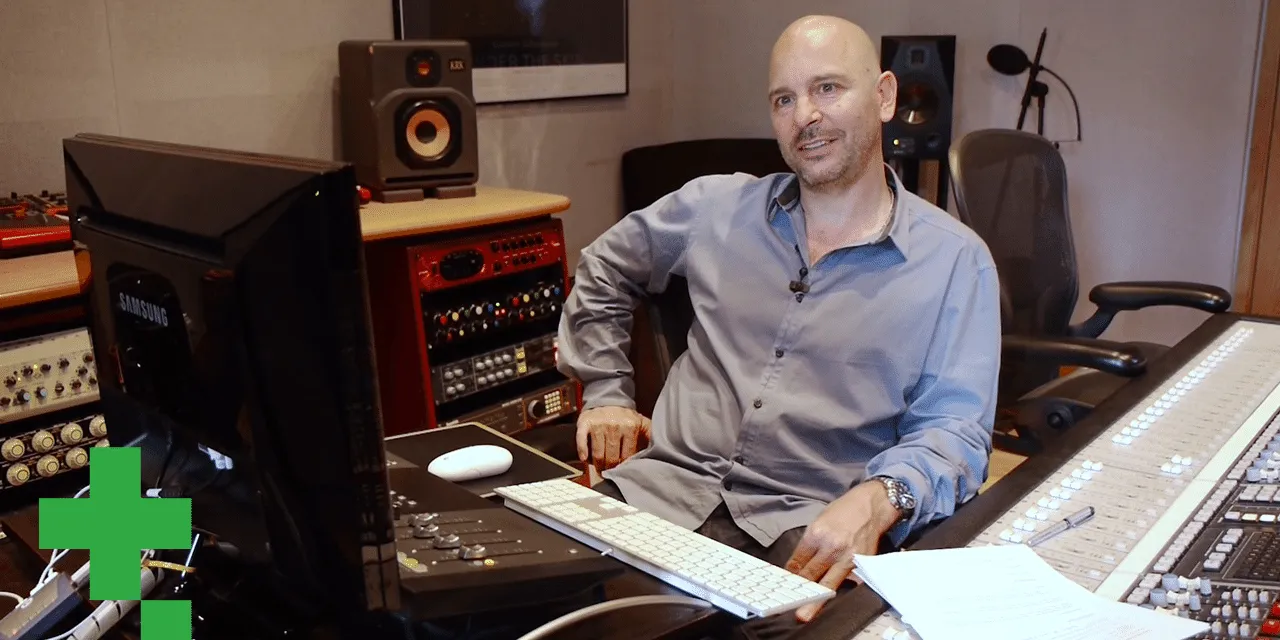
Anfang der Neunzigerjahre absolvierte Goetz Botzenhardt eine Ausbildung in den Swanyard Recording Studios, wo er Spitzenproduzenten wie Flood, Alan Moulder und Tom Lord-Alge assistierte und sich beim Aufnehmen und Mischen der Dance- und Acid-Jazz-Bands der 90er – Incognito, Galliano, Soul II Soul und vielen anderen – die Sporen verdiente.Bei Swanyard lernte er Rollo Armstrong kennen, und die beiden bildeten rasch eine kreative Partnerschaft, aus der viele große Dance-Platten und Remixe hervorgingen und, kurz darauf, die Aufnahme und das Mischen der ersten beiden gefeierten Faithless-Alben sowie von Didos Multi-Platin-Album 'No Angel'.Genreübergreifend nahm und mischte er das Debütalbum der Sugababes, 'One Touch', einschließlich ihres ersten Hits 'Overload', und hat für The Cardigans, Bjork, The Cinematic Orchestra, Craig David, die Pet Shop Boys und Hikaru Utada gemischt, eine der erfolgreichsten Künstlerinnen Japans.In jüngerer Zeit hat er sich auf Film und Fernsehen ausgeweitet, arbeitete intensiv mit den Komponisten Christian Henson, Martin Phipps und Anne Nikitin zusammen und mischte Daniel Pembertons Golden-Globe-nominierte Filmmusik zu 'Steve Jobs' unter der Regie von Danny Boyle. Abseits des Films produzierte er Tanita Tikarams 'Closer to the People', mischte Tracks für Sigala, Ella Eyre, Breton, Planet Funk und Tito Jackson und mischte 2016 Peabo Brysons Album mit Jimmy Jam und Terry Lewis. Eine vollständige Liste seiner Arbeiten findet sich auf seinen Diskografie- und Filmografie-Seiten unter goetz-botzenhardt.com.Goetz arbeitet in seinem eigenen Studio und Mischraum, aufgebaut um eine SSL-E4044-Konsole, ein Adam-5.1-Surround-Monitoring, ein 48-kanaliges Pro-Tools-HDX-System und ausgewähltes Outboard-Equipment. In seinen Kursen holt er dich in diesen Raum, um zu zeigen, wie er in zwei sehr unterschiedlichen Welten mischt: in Mixing for Film & TV Score, wie er orchestrale und hybride Filmmusiken im Dienst des Bildes ausbalanciert und formt; und in Mixing Commercial Pop Music, wie er druckvolle, radiotaugliche Pop-Mixe von der Mehrspur an aufbaut. read more