



Vorbereitung, bevor es ans Mixen geht
Goetz Botzenhardt erläutert, was du klären solltest, bevor du mit dem Mixen beginnst, und warum du den Mix als kreativen und nicht nur als technischen Prozess betrachten solltest.
Das steckt im Kurs
23 Lektionen (2h 35m) · 1 gratis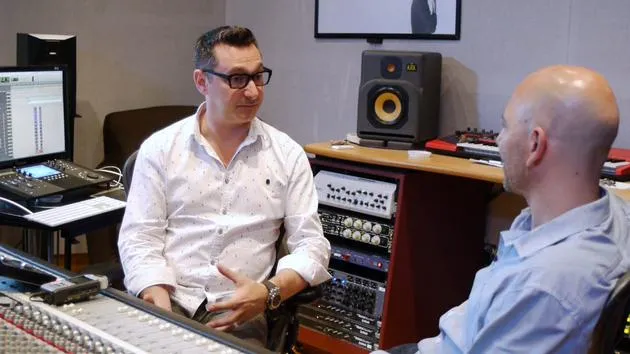
01. Interview mit Goetz Botzenhardt
Gratis-Lektion20:19
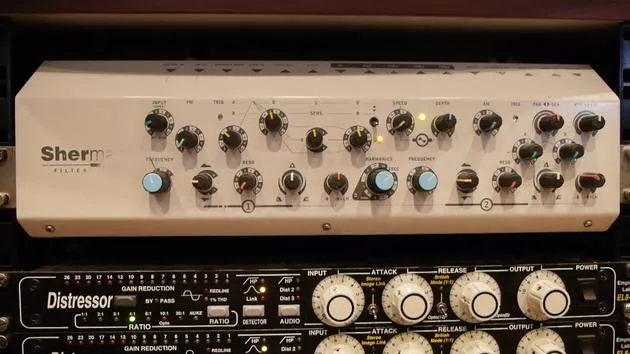
02. Goetz’ Studio-Setup
14:02
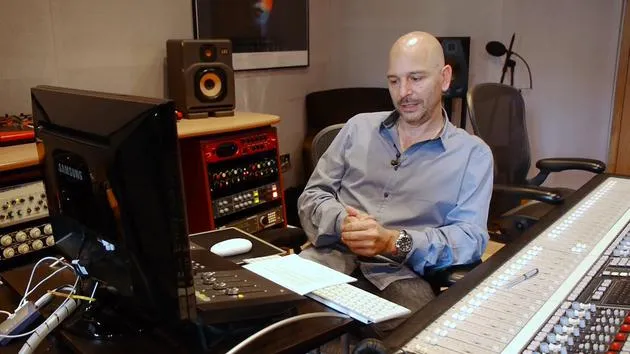
03. Vorbereitung, bevor es ans Mixen geht
Du bist hier7:29
04. Eine Mix-Vorlage erstellen und nutzen, um schnell loszulegen
7:37
05. Busse und Projekteinstellungen verstehen
3:19
06. AUFGABE NR. 1: ERSTELLE EINE MIX-SESSION
0:41
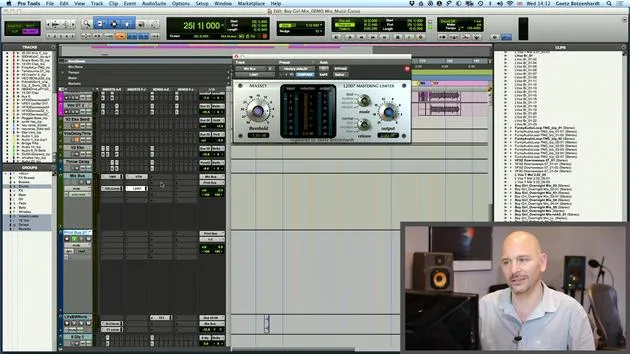
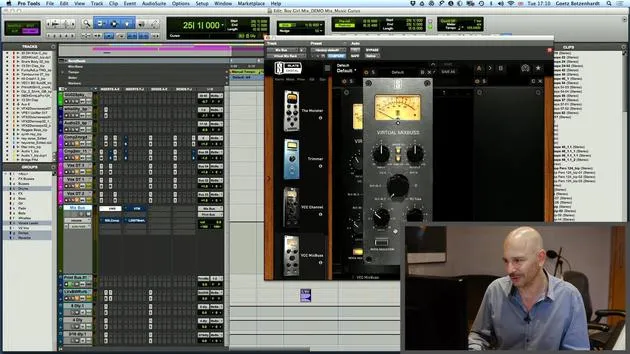
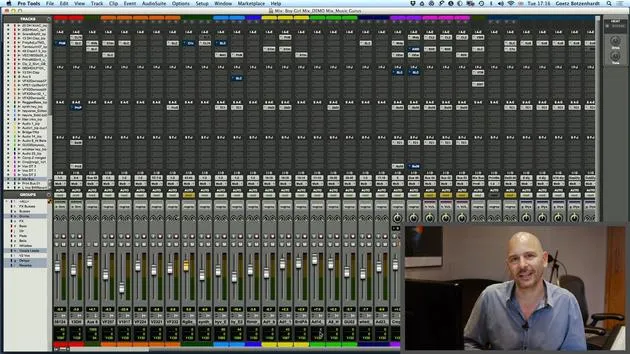
Transkript der Lektion
Mixing Course: Preparation and Process
Introduction
Okay, so, hello again. This is the main part of our mixing course.
I just want to say a few words before we start, which for me is really important.
As much as mixing is a technical process, and there's really a lot of detail that has to be worked on, never forget that it's a very creative thing as well.
- Instead of just inching towards the finish line with your mix, try the overarching thing: create a great sound.
- Throw some mad sounds in there, don't be scared!
- You can always rein it back in later.
What gets you noticed really is if you make something unique. If you come up with something crazy that no one's heard before, then you're much more likely to be played on the radio.
Now, having said that, if you work on somebody else's record, don't forget to be respectful to the artist. For instance, if it's a female solo artist, the most essential thing is her voice, make it shine!
Step-by-Step Mixing Process
Now, I'm going to go through the mixing process step by step.
1. Preparation
Listening to the Demo:
- One really important thing is to listen to the demo or the rough mix.
- Whether you're the producer yourself or someone else is producing, there will already be a version of the song that people have heard, friends of the artist, the manager, or the A&R person.
- This version is likely a good one, so analyze what works about it.
Communicating with the Artist:
- Have a conversation with the artist:
- "Here's our rough mix. What do you like about it? What areas do you think we can improve on?"
- This dialogue helps establish a benchmark and offers rough ideas of where they want to go with it.
Staying True to the Original:
- Ensure your mix isn't worse than what's already there.
- You'd be surprised how many times people produce mixes that lead to the label saying, "Oh no, I prefer the demo!"
2. Genre Benchmarking
Another thing I do before I start mixing is determine the genre of the song.
- I create a playlist on Tidal or iTunes with songs of a similar genre that I like the sound of.
- This helps establish a benchmark to strive for, aim to make our mix at least as good as theirs, if not better.
Client Input:
- I also ask the client or artist if they have any other songs they like.
- "Do you have a little playlist for me?" This is really helpful.
3. The Sketch of the Mix
Once I've sorted those things in my head, I do a little sketch of the mix.
For example, if a song sounds like an Amy Winehouse track, it should probably sound quite retro.
- Think about what reverbs am I going to use.
- Use things that were around at that time: plate reverb, spring reverbs, and stay away from modern stuff.
- Analyze what makes those records work.
4. Analyzing Raw Material
Now, we move to the second part of preparation: the raw material you've been sent.
- Ideally, you get a download link with nicely labeled files, vocals already comped, and no crazy noises or clicks.
- Unfortunately, that's not always the case. Sometimes clients send multiple takes or don't label things properly.
Clarification with Clients:
- Investigate what you've got and if there are problems, go back to the clients.
- Ask them to print or label things again.
- If you're confused about various vocal takes, reach out and clarify.
5. Finalizing Preparation
Don't be afraid to go back to the client if there's any grey area.
- There's no point starting the mix if you're unclear about what you're working with.
- If there's a problem, go back to the client, and don't start until everything is clarified.
Conclusion of Preparation
This was the first step of preparation.
Now, we're moving on to Preparation Part Two.
While it might seem a bit boring that you're still not ready to start, I want to explain something technical.
Good mixing involves ample preparation. The more creative preparation we've discussed is absolutely vital.
Remember, if you have prepared your mix well, it's going to be really easy to make it sound good!
If you don't follow these steps, you're going to encounter a whole load of problems later on, which is what we want to avoid.
23 Lektionen
2 Std. 35 Min. strukturierte Videolektionen
Erweiterte Videofunktionen
Verlangsamen, Passagen loopen, mitlesen
Handy, Tablet & Desktop
Üben, wo du willst
100 % Zufriedenheitsgarantie
30 Tage Geld-zurück-Garantie
Lern deinen Guru kennen
Lern deinen Guru kennen
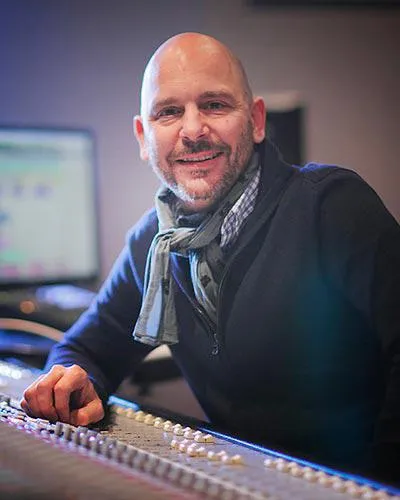
Anfang der Neunzigerjahre absolvierte Goetz Botzenhardt eine Ausbildung in den Swanyard Recording Studios, wo er Spitzenproduzenten wie Flood, Alan Moulder und Tom Lord-Alge assistierte und sich beim Aufnehmen und Mischen der Dance- und Acid-Jazz-Bands der 90er – Incognito, Galliano, Soul II Soul und vielen anderen – die Sporen verdiente.
Bei Swanyard lernte er Rollo Armstrong kennen, und die beiden bildeten rasch eine kreative Partnerschaft, aus der viele große Dance-Platten und Remixe hervorgingen und, kurz darauf, die Aufnahme und das Mischen der ersten beiden gefeierten Faithless-Alben sowie von Didos Multi-Platin-Album 'No Angel'.
Genreübergreifend nahm und mischte er das Debütalbum der Sugababes, 'One Touch', einschließlich ihres ersten Hits 'Overload', und hat für The Cardigans, Bjork, The Cinematic Orchestra, Craig David, die Pet Shop Boys und Hikaru Utada gemischt, eine der erfolgreichsten Künstlerinnen Japans.
In jüngerer Zeit hat er sich auf Film und Fernsehen ausgeweitet, arbeitete intensiv mit den Komponisten Christian Henson, Martin Phipps und Anne Nikitin zusammen und mischte Daniel Pembertons Golden-Globe-nominierte Filmmusik zu 'Steve Jobs' unter der Regie von Danny Boyle. Abseits des Films produzierte er Tanita Tikarams 'Closer to the People', mischte Tracks für Sigala, Ella Eyre, Breton, Planet Funk und Tito Jackson und mischte 2016 Peabo Brysons Album mit Jimmy Jam und Terry Lewis. Eine vollständige Liste seiner Arbeiten findet sich auf seinen Diskografie- und Filmografie-Seiten unter goetz-botzenhardt.com.
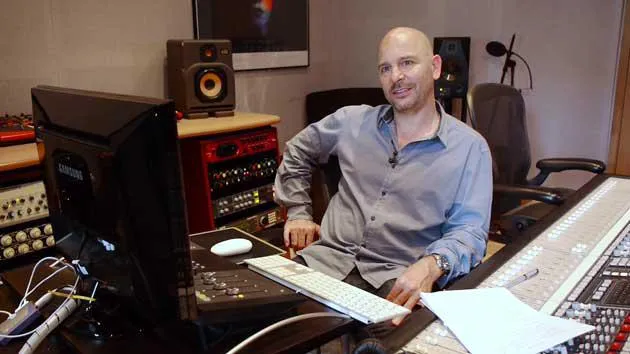
Goetz arbeitet in seinem eigenen Studio und Mischraum, aufgebaut um eine SSL-E4044-Konsole, ein Adam-5.1-Surround-Monitoring, ein 48-kanaliges Pro-Tools-HDX-System und ausgewähltes Outboard-Equipment. In seinen Kursen holt er dich in diesen Raum, um zu zeigen, wie er in zwei sehr unterschiedlichen Welten mischt: in Mixing for Film & TV Score, wie er orchestrale und hybride Filmmusiken im Dienst des Bildes ausbalanciert und formt; und in Mixing Commercial Pop Music, wie er druckvolle, radiotaugliche Pop-Mixe von der Mehrspur an aufbaut.







