



Die große Zusammenfassung!
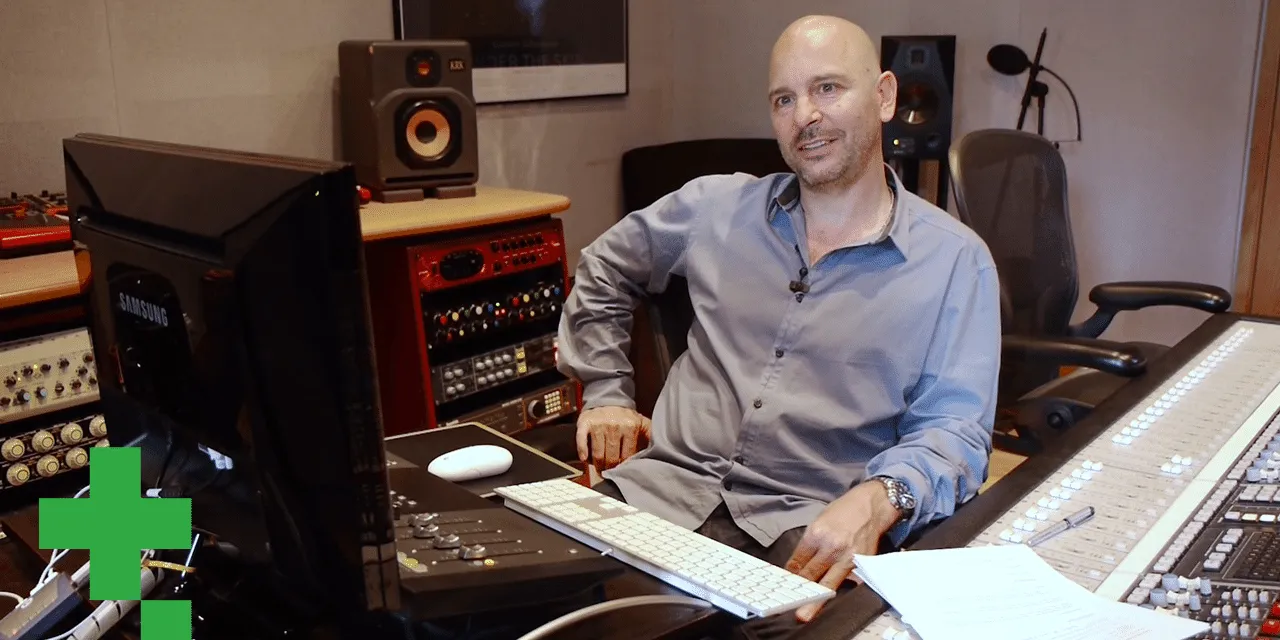
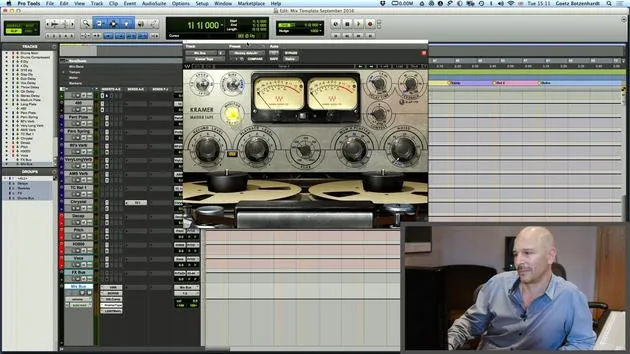
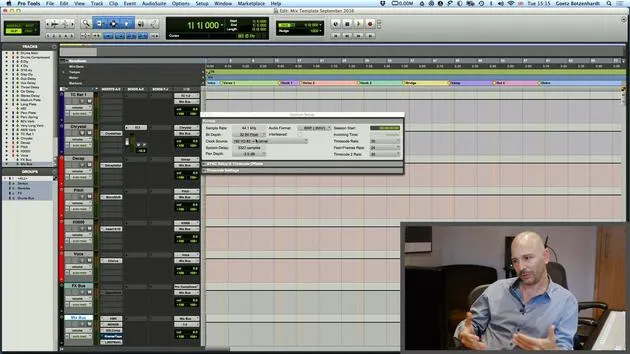
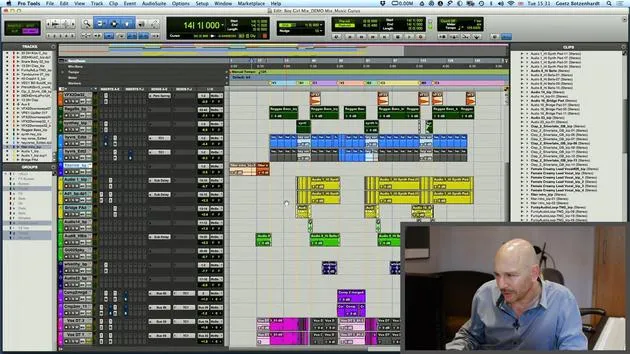
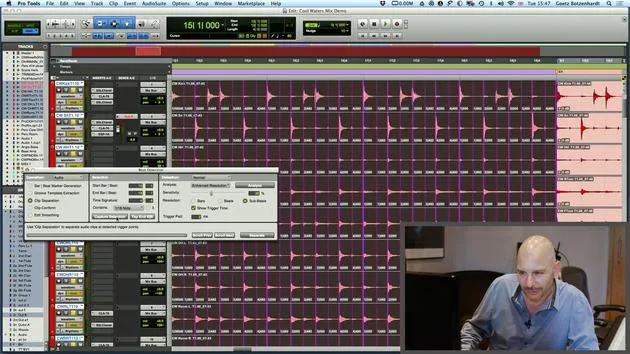
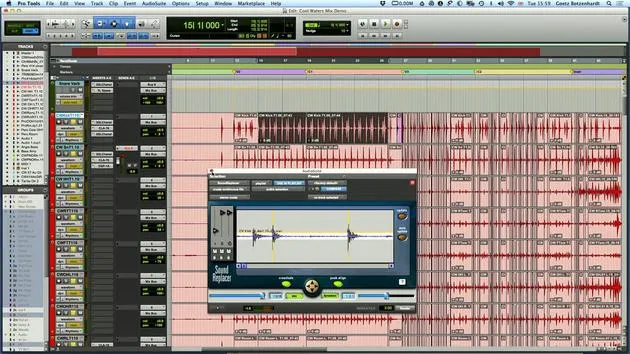
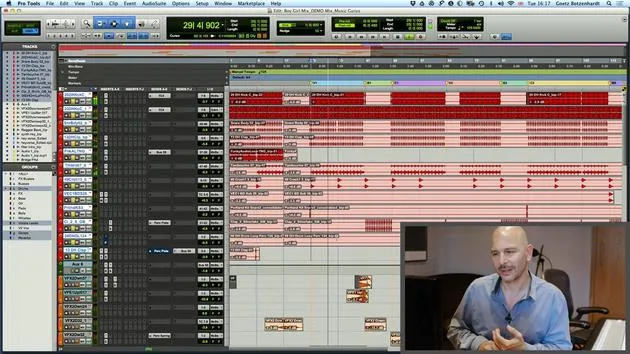
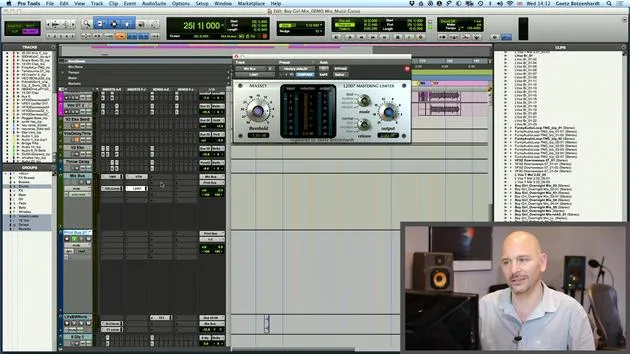
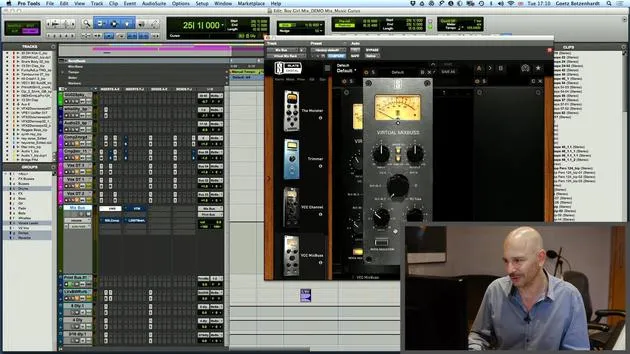
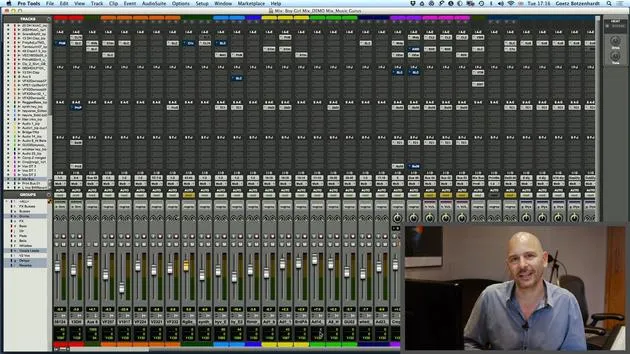
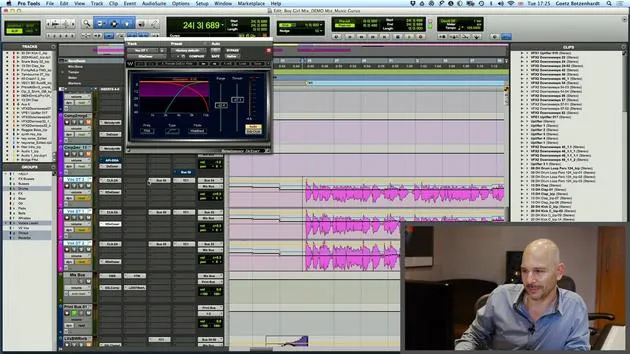
Goetz fasst den bisherigen Mix zusammen: die Session vorbereiten und gruppieren, Schlagzeug und Bass ausbalancieren, die Lead-Parts und den Gesang hinzufügen, dann Dynamik und Effekte.
Das steckt im Kurs
23 Lektionen (2h 35m) · 1 gratis
Transkript der Lektion
Music Mixing Lesson Recap
Overview of Steps
-
Listen to the Rough Mix
- Spend time contemplating how you want your mix to sound and where you want to go with it.
-
Preparation
- Have a good template ready.
- Load everything in and sort it in groups.
- Color code elements for a clear visual presentation on your screen to avoid confusion.
- Given that you may receive up to 100 tracks, organizing them into departments will help manage the overwhelming volume.
-
Timing and Tuning
- Ensure everything is in time and in tune before starting the mix.
Mixing Process
Starting With the Drums
- Begin with the drums to establish a balanced foundation.
- Check your mix on different speakers to ensure it translates well across formats, including mono.
Bass and Rhythm Instruments
- Work on bass and other rhythm instruments; make effective pannings.
- Utilize EQ and compression for a polished sound.
- Focus on creating a strong groove that captivates the listener.
Adding Lead Instruments
- Introduce your lead instruments, strings, pads, and additional elements after establishing the groove.
Vocal Integration
- The vocal track usually requires extra attention:
- Needs compressing and meticulous detail work.
Dynamics and Excitement
- Post vocal addition, focus on adjusting the dynamics.
- Ensure that the track maintains excitement and builds effectively.
Final Touches
- Once the mix sounds great, ask yourself:
- What can I do to make it truly outstanding?
- Consider adding creative touches, such as:
- Filtering in specific sections
- Backwards reverb
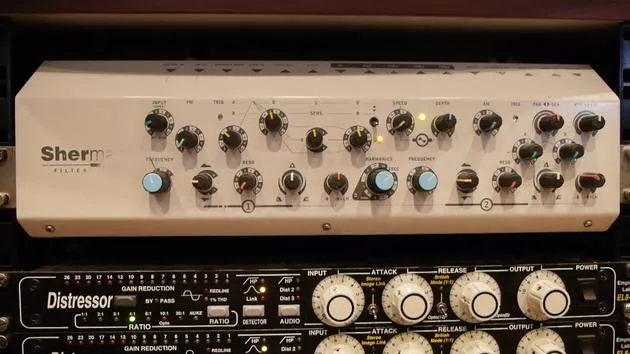
- Phasing effects
Conclusion
- After incorporating these finishing touches, your mix will be ready.
- Be prepared for the last steps, which include understanding how to present your finished mix back to clients, an essential aspect of the mixing process.
23 Lektionen
2 Std. 35 Min. strukturierte Videolektionen
Erweiterte Videofunktionen
Verlangsamen, Passagen loopen, mitlesen
Handy, Tablet & Desktop
Üben, wo du willst
100 % Zufriedenheitsgarantie
30 Tage Geld-zurück-Garantie
Lern deinen Guru kennen
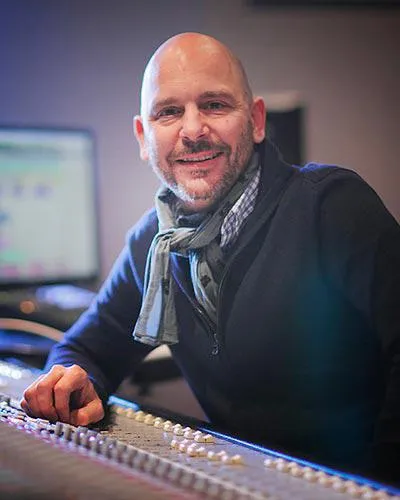
Lern deinen Guru kennen
Anfang der Neunzigerjahre absolvierte Goetz Botzenhardt eine Ausbildung in den Swanyard Recording Studios, wo er Spitzenproduzenten wie Flood, Alan Moulder und Tom Lord-Alge assistierte und sich beim Aufnehmen und Mischen der Dance- und Acid-Jazz-Bands der 90er – Incognito, Galliano, Soul II Soul und vielen anderen – die Sporen verdiente.
Bei Swanyard lernte er Rollo Armstrong kennen, und die beiden bildeten rasch eine kreative Partnerschaft, aus der viele große Dance-Platten und Remixe hervorgingen und, kurz darauf, die Aufnahme und das Mischen der ersten beiden gefeierten Faithless-Alben sowie von Didos Multi-Platin-Album 'No Angel'.
Genreübergreifend nahm und mischte er das Debütalbum der Sugababes, 'One Touch', einschließlich ihres ersten Hits 'Overload', und hat für The Cardigans, Bjork, The Cinematic Orchestra, Craig David, die Pet Shop Boys und Hikaru Utada gemischt, eine der erfolgreichsten Künstlerinnen Japans.
In jüngerer Zeit hat er sich auf Film und Fernsehen ausgeweitet, arbeitete intensiv mit den Komponisten Christian Henson, Martin Phipps und Anne Nikitin zusammen und mischte Daniel Pembertons Golden-Globe-nominierte Filmmusik zu 'Steve Jobs' unter der Regie von Danny Boyle. Abseits des Films produzierte er Tanita Tikarams 'Closer to the People', mischte Tracks für Sigala, Ella Eyre, Breton, Planet Funk und Tito Jackson und mischte 2016 Peabo Brysons Album mit Jimmy Jam und Terry Lewis. Eine vollständige Liste seiner Arbeiten findet sich auf seinen Diskografie- und Filmografie-Seiten unter goetz-botzenhardt.com.
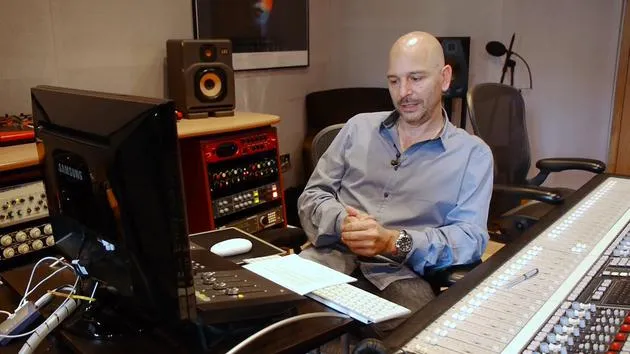
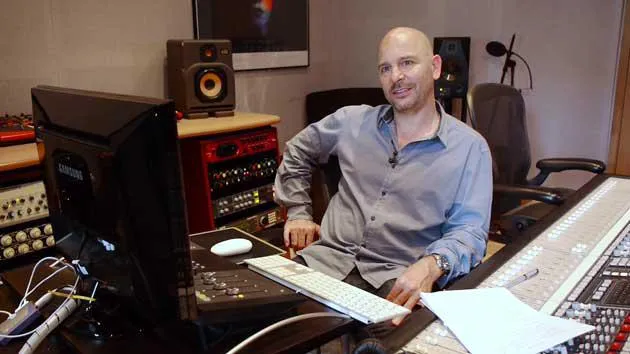
Goetz arbeitet in seinem eigenen Studio und Mischraum, aufgebaut um eine SSL-E4044-Konsole, ein Adam-5.1-Surround-Monitoring, ein 48-kanaliges Pro-Tools-HDX-System und ausgewähltes Outboard-Equipment. In seinen Kursen holt er dich in diesen Raum, um zu zeigen, wie er in zwei sehr unterschiedlichen Welten mischt: in Mixing for Film & TV Score, wie er orchestrale und hybride Filmmusiken im Dienst des Bildes ausbalanciert und formt; und in Mixing Commercial Pop Music, wie er druckvolle, radiotaugliche Pop-Mixe von der Mehrspur an aufbaut.







