



Deinen Mix printen

Lesson time: (4min 58sec)
In dieser letzten Lektion zeigt dir Goetz, wie du deinen Mix in Pro Tools fertigstellst und printest, bevor du ihn an einen Kunden lieferst.
Course preview
This lesson is part of the course Kommerzielle Popmusik mischen
Watch a preview of the full course below.
Lesson transcript:
Finalizing Your Mix and Preparing for Mastering
I just want to add a tiny little chapter. Basically, I was talking about getting the mix accepted and going back in with fresh ears to listen to it again. So, that's why I'm in today, in a new fresh shirt, the next day.
Accepting the Mix
Let's say the mix is accepted now and everybody's happy. There's one last thing you have to do: print the mix and send it off to mastering.
- I usually set myself up a print bus, where I take the output from the mix bus and route it to the print bus. Then, I just hit record.
Important Note on Limiting
One thing that is actually quite important, this is really crucial, is that when you send the mix off to clients to listen to, you can put a nice bit of limiting on it that is loud. However, you don't want to have that on your mix when it goes to mastering. Under no circumstances!
- That's what the mastering engineer is going to do; that's their job. They do this all day long and are probably a bit better at it than we are. So, take the limiter off, this is really crucial, before printing your mix.
Printing Variations
Once you've printed the master mix, it's also a good idea to:
- Print a mix with the lead vocal up a few decibels (like 2 dB),
- Print an instrumental mix (a mix without the lead vocal, which can be used for TV playback), and
- Print your stems.
Clients often want to do remixes of the track and will ask for the stems. Instead of having to load up the session later and interrupt your busy life, just do it now. Get it done and save them on your drive. If someone asks for them, you'll have them ready to send.
Quick Recap of What to Print
- Stems
- Instrumental Mix
- TV Backing Track
- Lead Vocal Up Mix
- Master Mix
- Possibly an Acapella (because that's another thing people ask for)
Preparing to Print Your Master Mix
I'm now going to quickly show you how to print your master mix and what you need to be aware of.
-
I usually put the song name in here so it prints to the file automatically.
- For example, let's name it "Boy and Girl Master Mix."
-
One last thing we need to do before recording is check our levels quickly.
- Play the song at a point where it's reasonably loud and try to leave between 3 and 6 dB of headroom for mastering.
- Mastering engineers like a bit of headroom to work with.
Checking Levels
- There's no point in sending a file that's already hitting the end stops; it just makes the mastering job harder.
- In Pro Tools, if you hold command and click on the decibel display, it gives you a little peak meter.
What I do is:
- Play the track and see what that reads. Let's say it reads 2.1 dB, that's probably a bit high.
- I'll bring the level down on my mix bus by another 3 to 3.5 dB and play it again.
Hitting Record
Once that's set to a nice level, all we need to do now is hit record and record the file.
And Bob's your uncle!
Once you've printed all these mixes, that's your job done. You're finished. Congratulations!
About the instructor
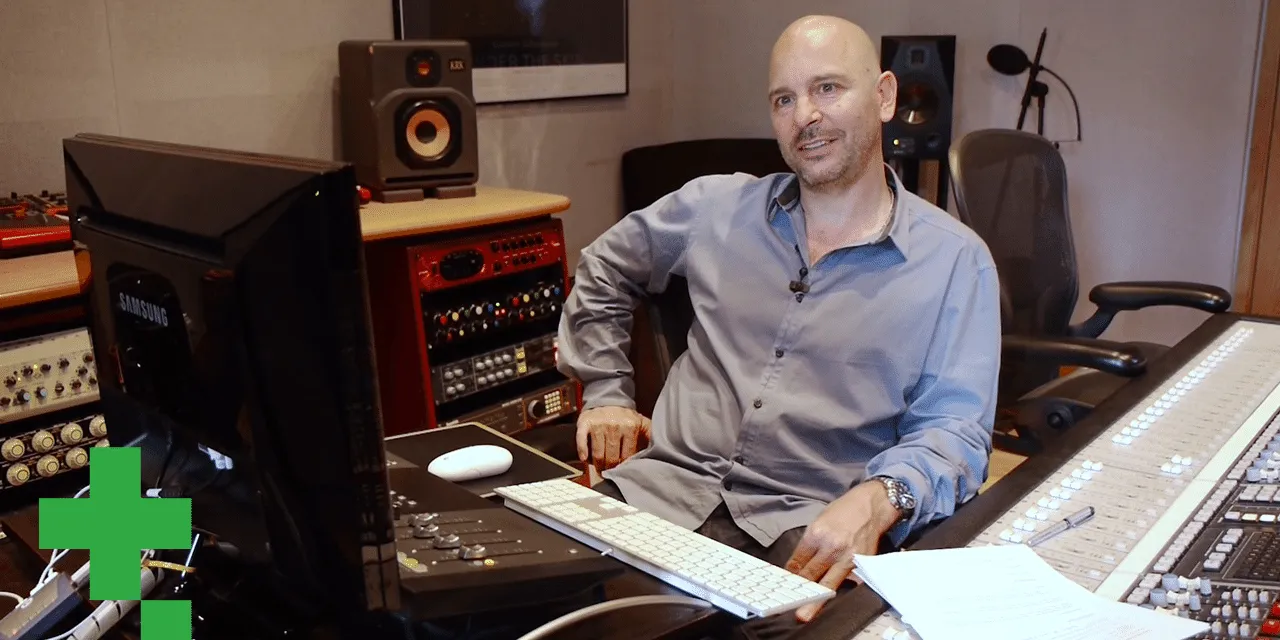
Anfang der Neunzigerjahre absolvierte Goetz Botzenhardt eine Ausbildung in den Swanyard Recording Studios, wo er Spitzenproduzenten wie Flood, Alan Moulder und Tom Lord-Alge assistierte und sich beim Aufnehmen und Mischen der Dance- und Acid-Jazz-Bands der 90er – Incognito, Galliano, Soul II Soul und vielen anderen – die Sporen verdiente.Bei Swanyard lernte er Rollo Armstrong kennen, und die beiden bildeten rasch eine kreative Partnerschaft, aus der viele große Dance-Platten und Remixe hervorgingen und, kurz darauf, die Aufnahme und das Mischen der ersten beiden gefeierten Faithless-Alben sowie von Didos Multi-Platin-Album 'No Angel'.Genreübergreifend nahm und mischte er das Debütalbum der Sugababes, 'One Touch', einschließlich ihres ersten Hits 'Overload', und hat für The Cardigans, Bjork, The Cinematic Orchestra, Craig David, die Pet Shop Boys und Hikaru Utada gemischt, eine der erfolgreichsten Künstlerinnen Japans.In jüngerer Zeit hat er sich auf Film und Fernsehen ausgeweitet, arbeitete intensiv mit den Komponisten Christian Henson, Martin Phipps und Anne Nikitin zusammen und mischte Daniel Pembertons Golden-Globe-nominierte Filmmusik zu 'Steve Jobs' unter der Regie von Danny Boyle. Abseits des Films produzierte er Tanita Tikarams 'Closer to the People', mischte Tracks für Sigala, Ella Eyre, Breton, Planet Funk und Tito Jackson und mischte 2016 Peabo Brysons Album mit Jimmy Jam und Terry Lewis. Eine vollständige Liste seiner Arbeiten findet sich auf seinen Diskografie- und Filmografie-Seiten unter goetz-botzenhardt.com.Goetz arbeitet in seinem eigenen Studio und Mischraum, aufgebaut um eine SSL-E4044-Konsole, ein Adam-5.1-Surround-Monitoring, ein 48-kanaliges Pro-Tools-HDX-System und ausgewähltes Outboard-Equipment. In seinen Kursen holt er dich in diesen Raum, um zu zeigen, wie er in zwei sehr unterschiedlichen Welten mischt: in Mixing for Film & TV Score, wie er orchestrale und hybride Filmmusiken im Dienst des Bildes ausbalanciert und formt; und in Mixing Commercial Pop Music, wie er druckvolle, radiotaugliche Pop-Mixe von der Mehrspur an aufbaut. read more