



Composing your solo
James Barratt discusses things to consider when coming up with an authentic sounding solo.
What's in the course
43 lessons (3h 55m) · 1 free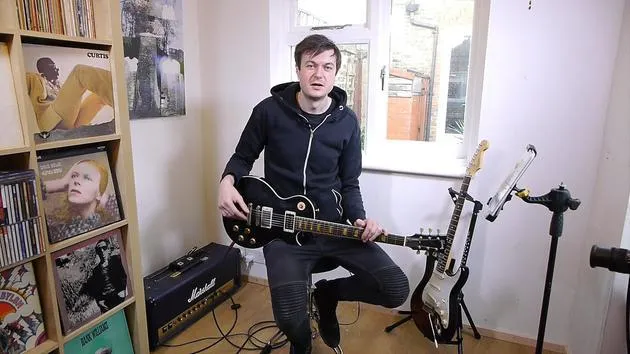
01. Intro to Approaches to improvisation
1:00
02. Embelleshing a melody
5:36
03. Challenge: Submit your melody
0:26
04. 7th chords
6:38
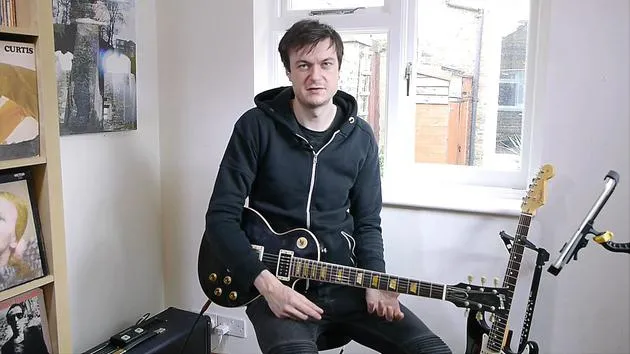
05. Composing your solo
You are here8:53
06. Advanced strumming and embellishments
5:40
07. Comping on different music styles
8:36
08. Further extensions and sus chords
4:19
09. Mixing Rhythmic and Melodic comping
4:24
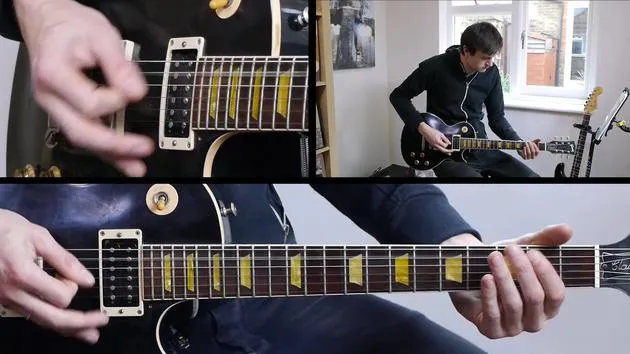
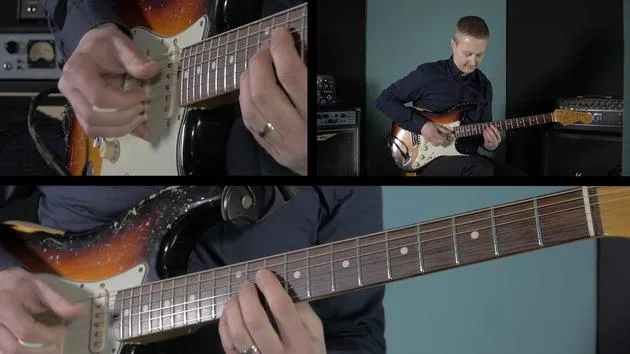
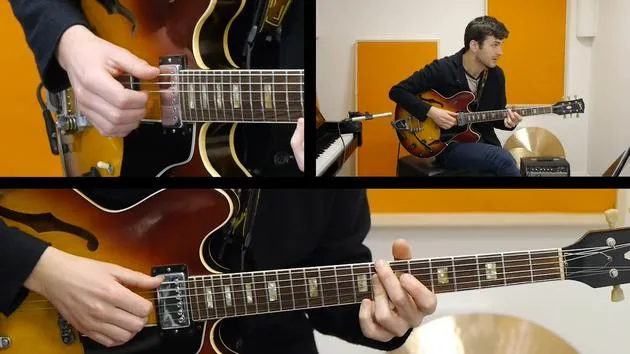
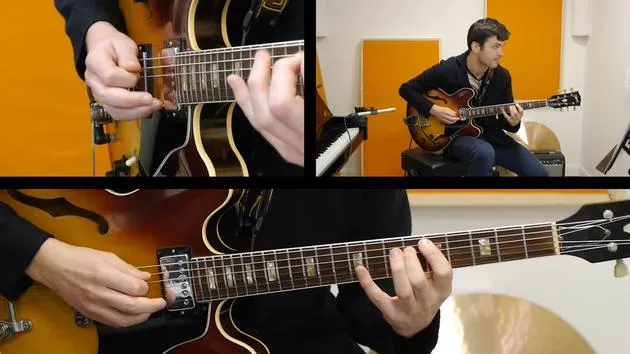

Lesson transcript
Composing Your First Solo: A Helpful Checklist
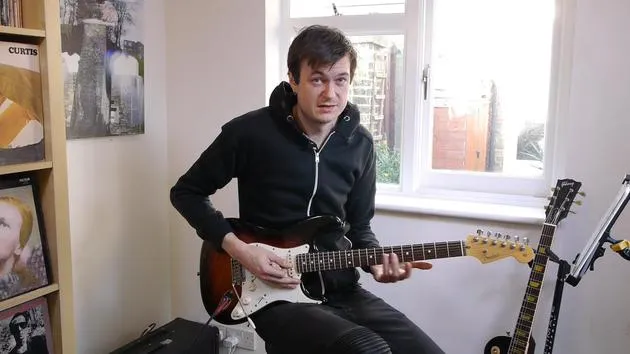
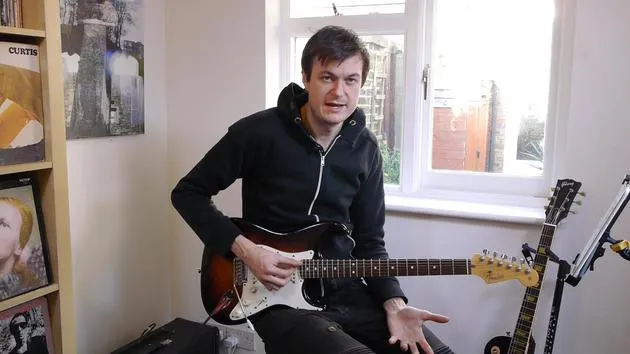
Okay, so I'd just like to talk to you a little bit about ways to approach composing a solo for the first time. Think of this as a checklist of things to bear in mind, consider, and experiment with that can help you come up with a really authentic-sounding, stylistic solo.
1. Listen to the Space
First of all, the most important thing is to sit back, put the guitar down, and listen to the space that you've got to fill with your solo.
- What's going on in there?
- What is the drummer doing?
- What rhythms are involved?
- What are the chord changes?
If you've reached this point in a song, you're probably familiar with many of the chords you're playing over and the song's key. However, if you're unsure, it's crucial to know:
- What key is it?
- What scales should I consider using for my improvisation?
2. Structure Your Solo
Next, think about how you'd like your solo to be structured. Consider:
- How much time do you have?
- 4 bars?
- 16 bars?
- 32 bars?
This will dictate how aggressively you can start your solo. It's easy to fall into the trap of going all out right away with flashy licks, only to realize that you have more bars to fill.
- Aim for a build:
- Start your solo from an initial point and build to a grand finish before transitioning to the next section (a bridge, breakdown, or drum solo).
3. Transition Smoothly
Consider:
- Starting Point: If your last chord was low on the neck, transitioning to the top may be jarring unless it's intentional.
- Ending Point: Where will you need to be at the solo's conclusion? This is key for creating a smooth transition into the next section.
4. Know Your Chords
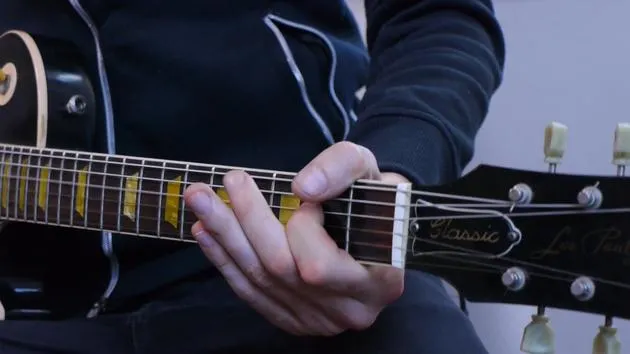
Understanding the chords you're playing over is absolutely essential. You should be able to stop yourself at any point within your solo and identify the chord you're playing over, such as:
- C minor 9
- D7
This knowledge allows you to target either unusual extensions or solid notes to begin and end your phrases.
5. Accent Unusual Extensions
For the more unusual extensions (like ninths and elevenths):
- Accentuate them! If they're featured in the underlying harmony, highlighting these notes can create a pleasing sound for the ear. For example, if you have a C minor 9 chord, make a note to accent the D note.
6. Embrace Space
Another important concept is the need not to fill every space.
- Your favorite solos often feature an element of space, they're not just a constant barrage of notes.
- Think about the musical context. In funk, soul, or classic rock, having some space enhances the musical experience.
7. Reuse Ideas
You don't need new ideas all the time.
- Steal rhythmic or melodic phrases from earlier sections of the song.
- Vary them slightly and hint at themes already established.
Repetition is key; it makes your solo feel cohesive and familiar, allowing listeners to engage with your music more effectively.
8. Example from "Mind the Gap"
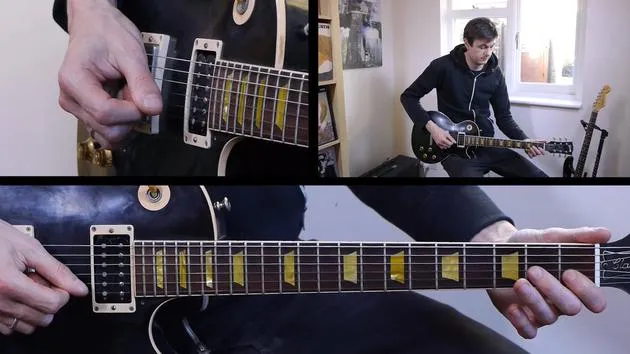
An example to illustrate these points comes from the solo I did for "Mind the Gap" for my grade 8 performance.
- In bar 5 of my solo, I played a G minor 9 chord followed by a C minor 9 chord.
- I approached this section compositionally.
I wanted to highlight the ninth interval, creating a phrase that outlines all the notes in the G minor 9 chord, and then I used the same rhythm for the C minor 9 chord that followed.
Despite the different chords, the rhythmic phrases remained similar, allowing listeners to enjoy a cohesive sonic experience.
Conclusion
In summary, these concepts can help you as a writer or improviser in composing your solos. Remember, you don't have to fill every bar with new content. Take the pressure off yourself and focus on what feels good and sounds right for the music.
Good luck with composing your own solos!
43 lessons
3h 55m of structured video lessons
Advanced video features
Slow down, loop a passage, follow along
Mobile, tablet & desktop
Practise wherever you are
100% satisfaction guarantee
30-day money-back guarantee







