


Alternate picking
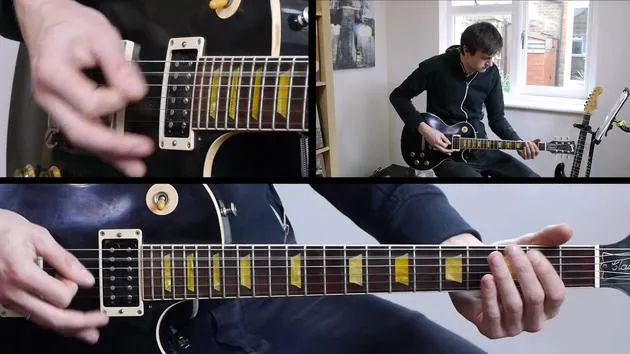
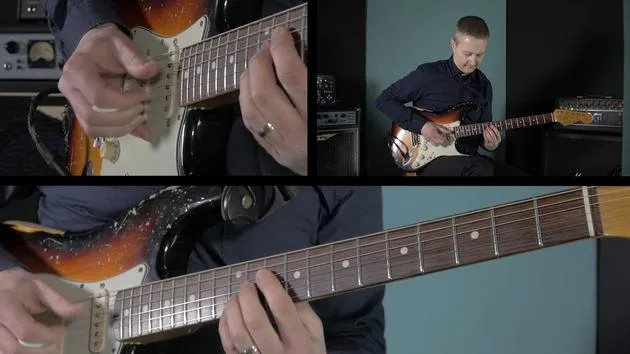
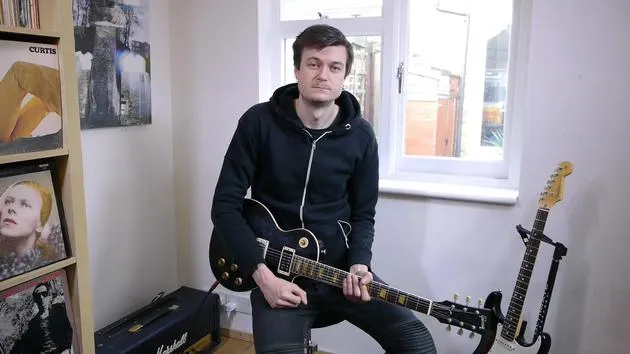
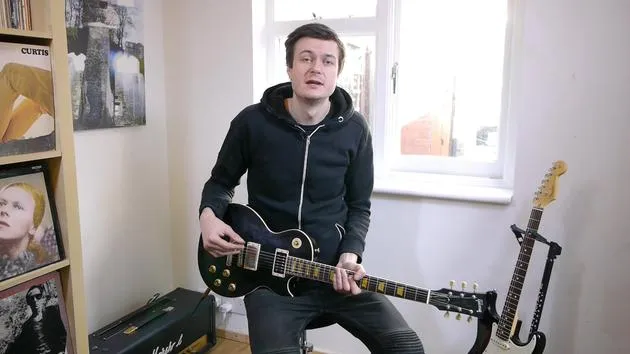
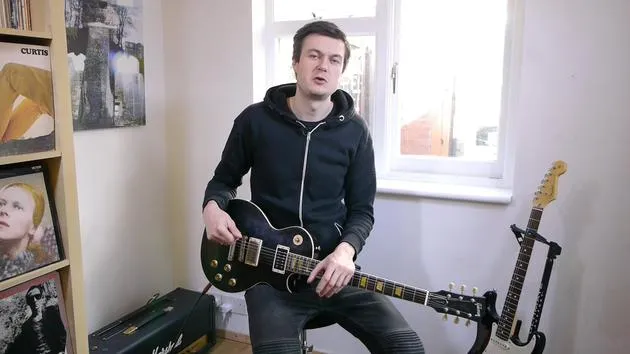
James Barratt explains alternate picking - strict alternating down and up strokes to sync your hands - using the C major scale as the exercise.

What's in the course
43 lessons (3h 55m) · 1 free
01. Intro to Approaches to improvisation
1:00
02. Embelleshing a melody
5:36
03. Challenge: Submit your melody
0:26
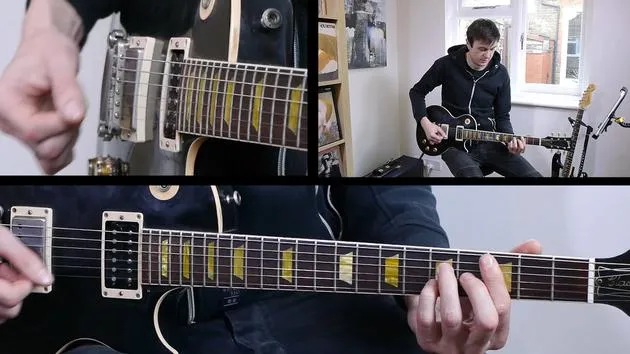
04. 7th chords
6:38
05. Composing your solo
8:53
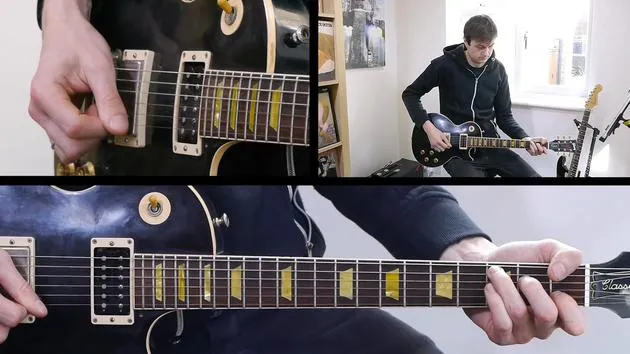
06. Advanced strumming and embellishments
5:40
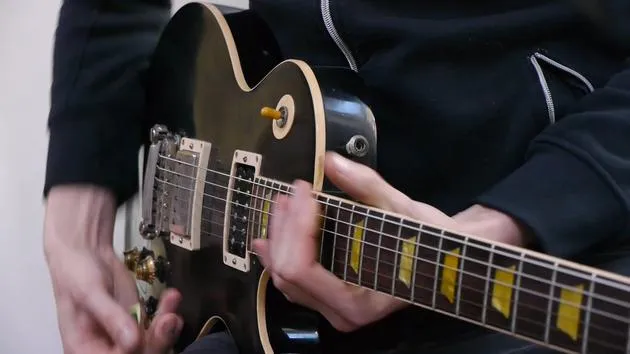
07. Comping on different music styles
8:36
08. Further extensions and sus chords
4:19
09. Mixing Rhythmic and Melodic comping
4:24

Lesson transcript
Alternate Picking Lesson
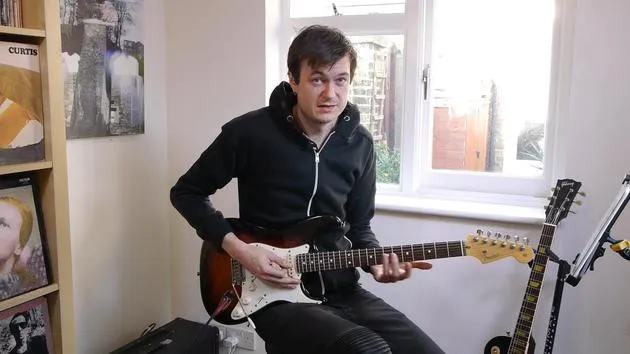
Okay, so let's start getting these hands working together. Now we're going to talk about alternate picking.
Scale Selection
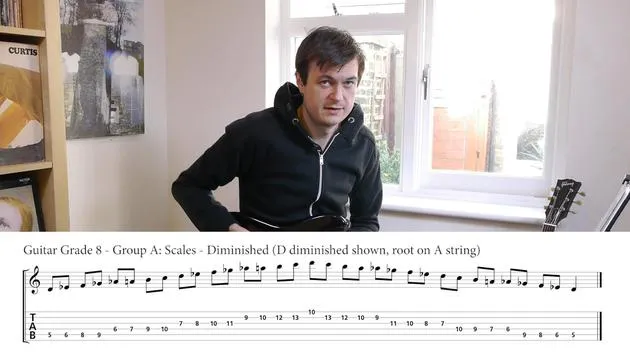
If you've got the grade books, you'll have access to lots of scales. It doesn't really matter which one you pick, but these are all great exercises to help the synchronization between your hands. Also, it's something that you can use to develop your alternate picking technique as well.
Today's Focus: C Major Scale
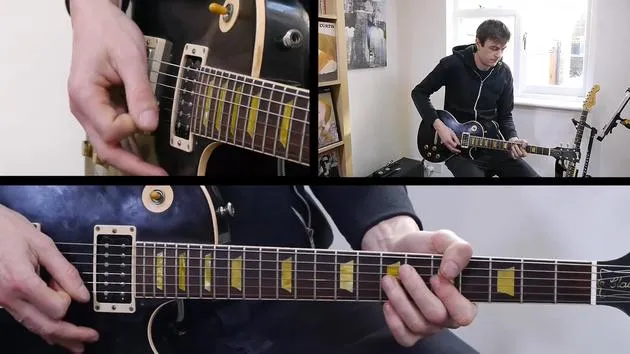
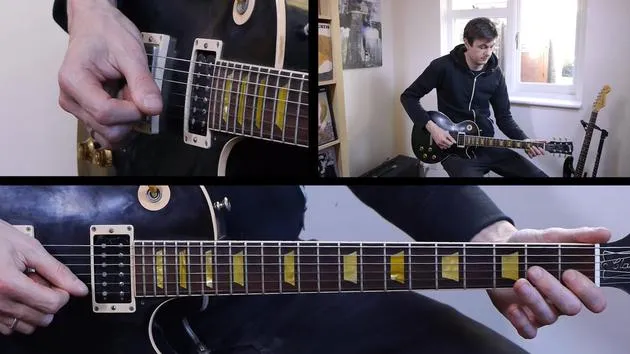
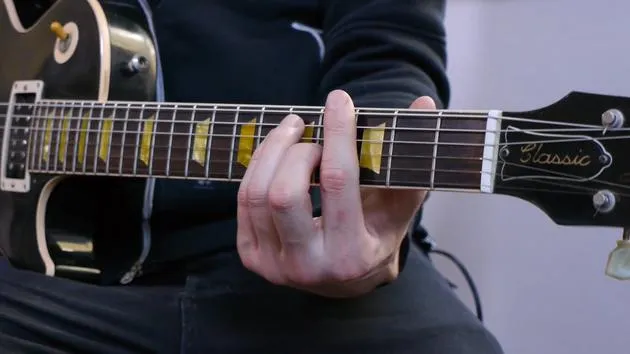
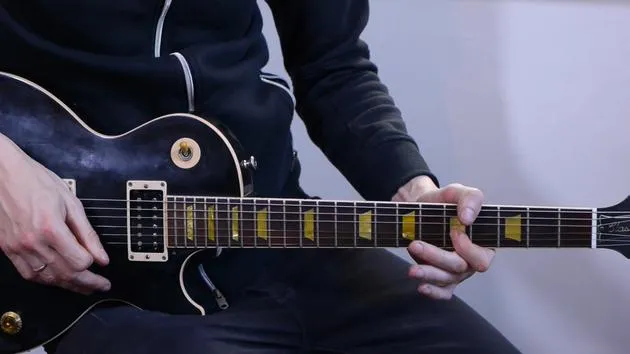
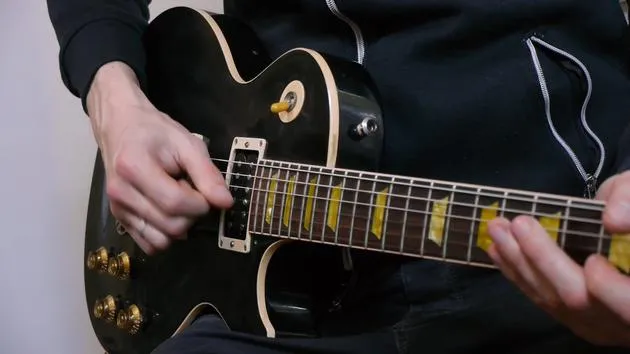
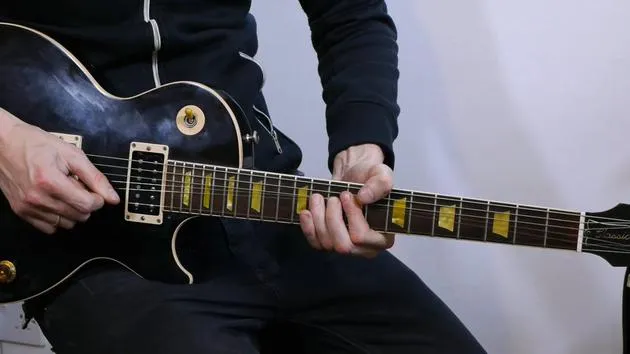
What we're going to use today is the C major scale. This will be in the technical exercises, as I said. We're going to practice this alternate picking:
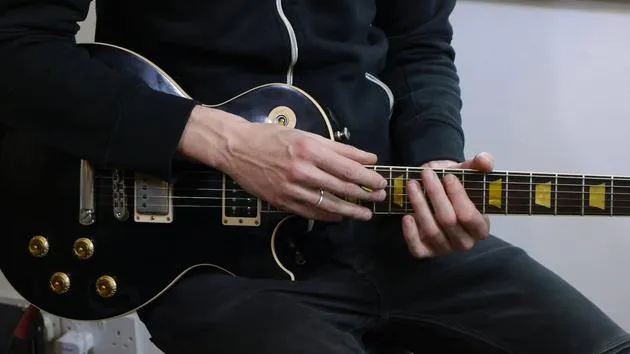
- Place your right hand on the bridge, as we discussed.
- Begin with a downstroke on the C note (the first note).
- Every note that follows will alternate direction:
- Down, up, down, up, down, up...
This is alternate picking!
Practice Together
Okay, let's have a go at it. Nice and slowly.
Count in: 2, 3, 4:
Picking pattern: Down, up, down, up, down, up, down, up.
Try with Other Scales
You can try this with any of your scales. The C major is quite good because there are different numbers of notes on each string. This means it's a little bit of a challenge for your right hand to get used to.
Important Note: My downstrokes and upstrokes don't involve different hand techniques. I'm not rotating my wrist with extreme rotations or anything like that.
- Downstroke: Down
- Upstroke: Up
Additional Practice
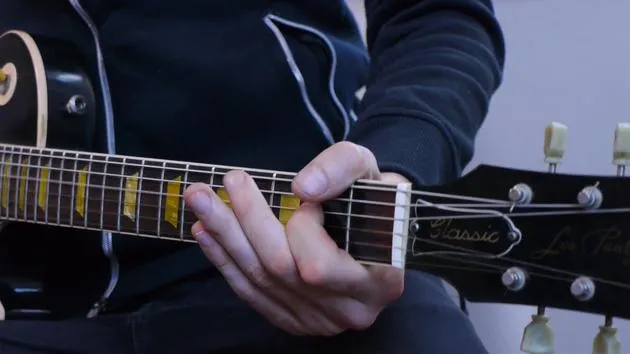
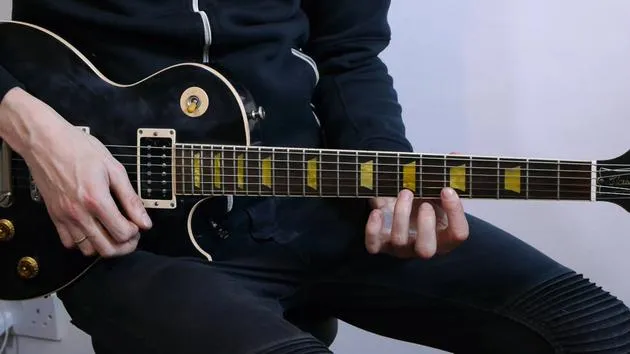
You can practice this with various scales or just pick a few notes on a couple of strings and practice across a pair of strings. For example:
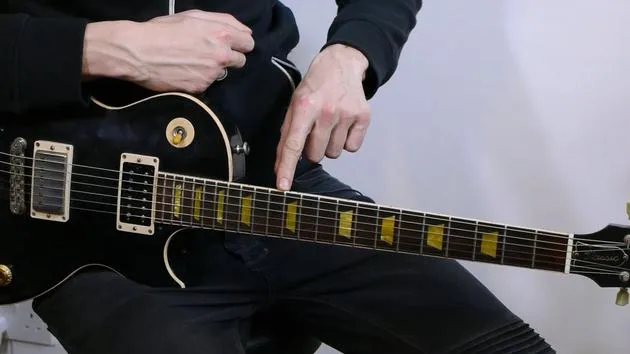
- Go to the third fret on the D string:
- Play 3, 5, and then do the same on the next string:
- Play 3, 5.
Just repeat back and forth between those:
Pattern: Down, up, down, up.
Tips for Effective Practice
This is something you can practice with a metronome. Gradually build up the speed, and just make sure that at all times you're feeling in control of what your right hand is doing.
Listening to Your Progress
I think it's important to say, though it sounds silly, make sure you're listening to the quality of the sound that's coming out.
It's easy to concentrate so hard that you forget to listen to what's actually happening. If you find that happening, what can be really useful is:
- Record yourself on your phone or laptop (audio or video).
- Listen to it back while you're not actually concentrating on playing.
Then ask yourself:
- How did that sound?
- What could I do to improve it?
And then try it again!
It's a really good thing to do. Happy practicing!
43 lessons
3h 55m of structured video lessons
Advanced video features
Slow down, loop a passage, follow along
Mobile, tablet & desktop
Practise wherever you are
100% satisfaction guarantee
30-day money-back guarantee