



Rob Luft on how to practice exercises
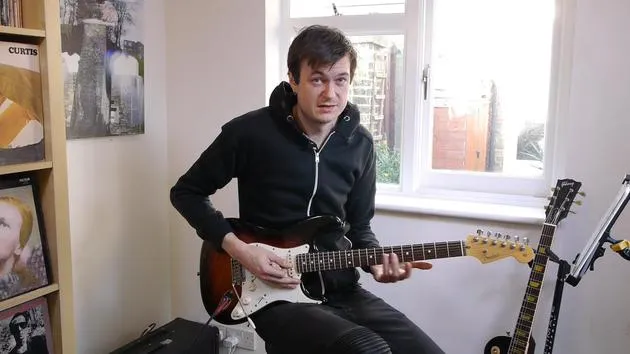
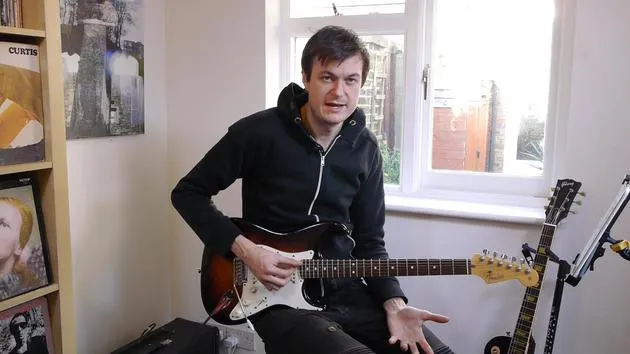
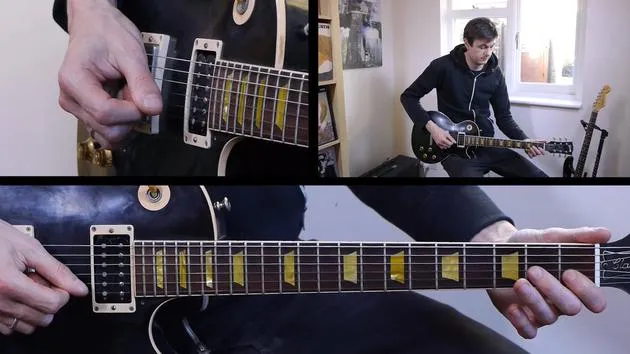
Rob Luft shares how he practises technique: play exercises slowly and accurately with a metronome from around 60 bpm, and the faster tempos look after themselves.
What's in the course
43 lessons (3h 55m) · 1 free
01. Intro to Approaches to improvisation
1:00
02. Embelleshing a melody
5:36
03. Challenge: Submit your melody
0:26
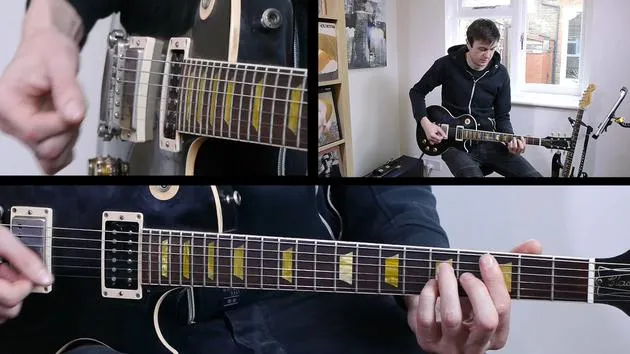
04. 7th chords
6:38
05. Composing your solo
8:53
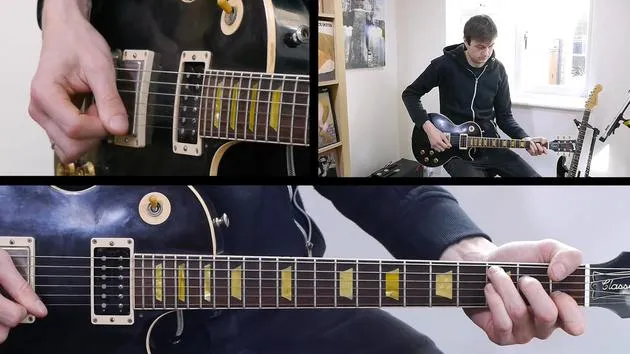
06. Advanced strumming and embellishments
5:40
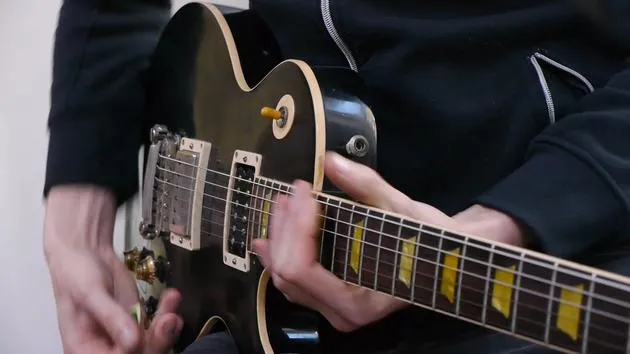
07. Comping on different music styles
8:36
08. Further extensions and sus chords
4:19
09. Mixing Rhythmic and Melodic comping
4:24

Lesson transcript
The Importance of Slow Practice in Music
One thing I've always thought about practicing is this:
If you practice at a slower tempo using a metronome, and really nail it with accuracy, you will develop the ability to play faster tempos without hesitation.
Key Takeaway:
Practice things slowly and accurately, and the faster tempos will take care of themselves.
Example: C Major Scale
Let's take the C Major Scale, C Ionian, the simplest scale on an instrument like the piano. Here's how to practice it:
-
Set Your Metronome:
- Use an app on your phone.
- Start at a slow tempo, 60 beats per minute.
-
Practice the Scale:
- Try playing the C Major Scale with:
- Two strokes per note.
- Three notes per stroke.
- Four notes per stroke.
- Double it up.
- Five notes per stroke, etc.
- Try playing the C Major Scale with:
If you take care of these slower tempos and work on things at the base tempo, when it comes to playing fast, these elements will take care of themselves.
Relating to Your Progress
In relation to the grades and songs in this course, I must emphasize:
If you work on these pieces at a slower tempo, the faster tempos found in records and recordings will become so much easier for you.
If I were at an earlier stage in my development and looked at a piece such as Dark Matter, I would work on each phrase extremely slowly and methodically.
With a metronome, this approach now allows me, at my current stage of development, to just look at a piece and play it straight away.
Final Thoughts
This method is incredibly helpful. When you're a professional guitarist faced with new music all the time, developing this skill is crucial.
So, remember:
- Take it slow.
- Enjoy yourselves.
- Develop at your own pace!
43 lessons
3h 55m of structured video lessons
Advanced video features
Slow down, loop a passage, follow along
Mobile, tablet & desktop
Practise wherever you are
100% satisfaction guarantee
30-day money-back guarantee







