



Rhythmic improv & comping
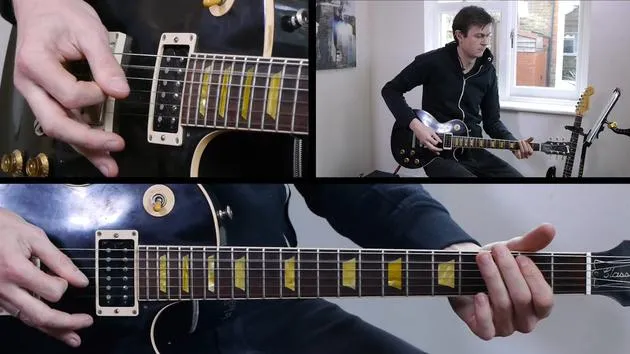
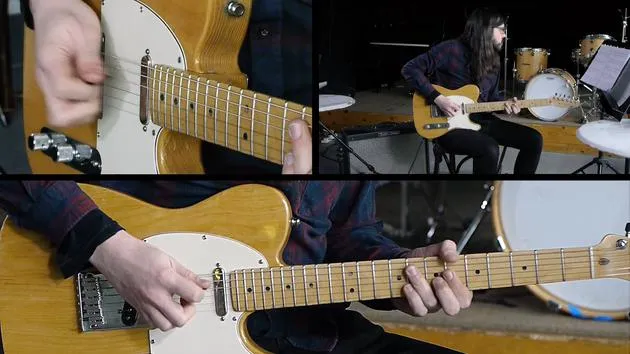
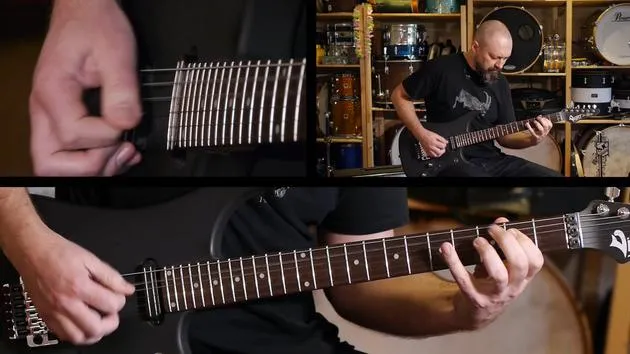
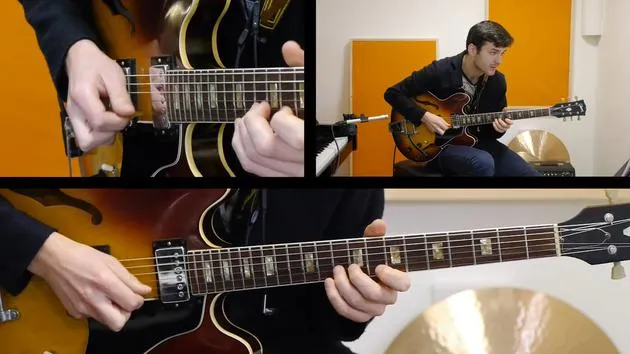
James Barratt introduces comping - rhythmic improvisation for backing a band or soloist - building strum patterns and subdivisions from a single G major chord.

What's in the course
46 lessons (3h 57m) · 1 free
01. Intro to Approaches to Improv
1:00
02. Embelleshing a melody
5:36
03. Challenge: Submit your melody
0:26
04. 7th chords
6:38
05. Composing your solo
8:53
06. Further extensions and sus chords
4:19
07. Comping in two different musical styles
8:36
08. Mixing Rhythmic and Melodic comping
4:24
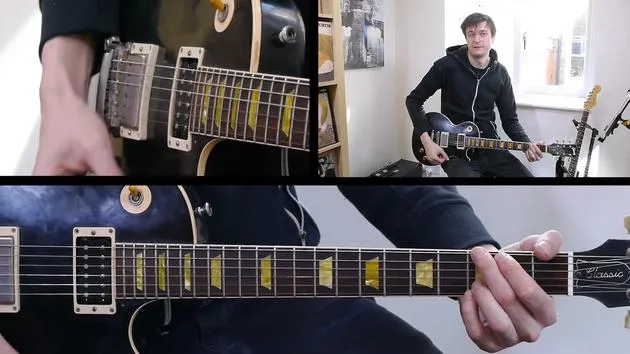
09. Rhythmic improv & comping
You are here9:55
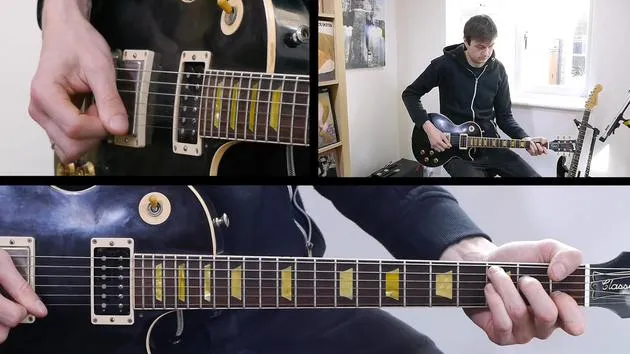
10. Advanced strumming and embellishments
5:40


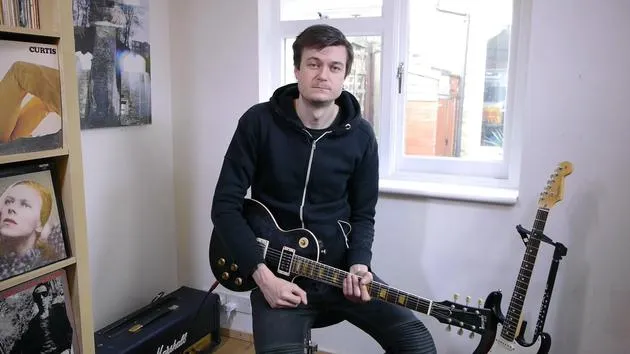
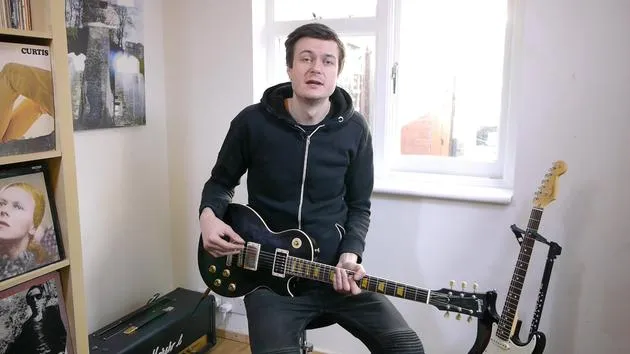
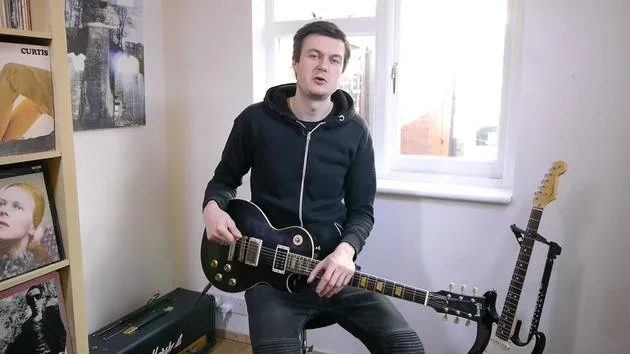
Lesson transcript
Rhythmic Based Improvisation (Comping)
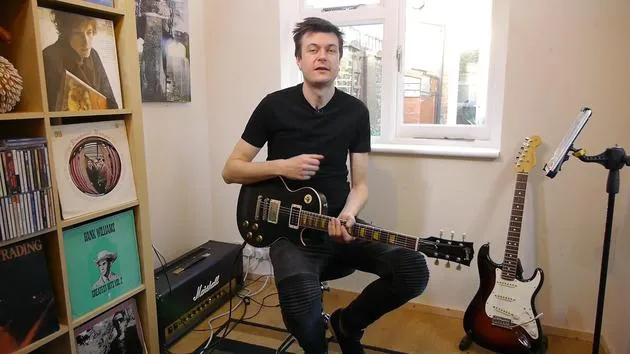
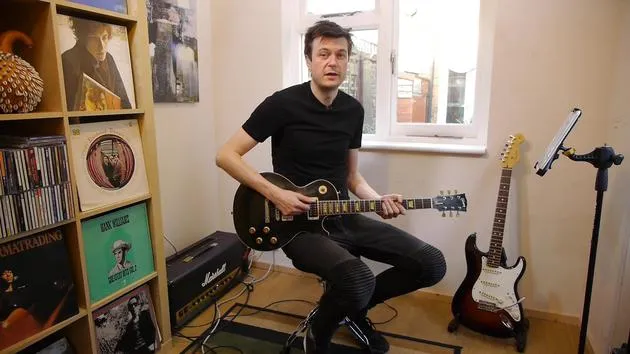
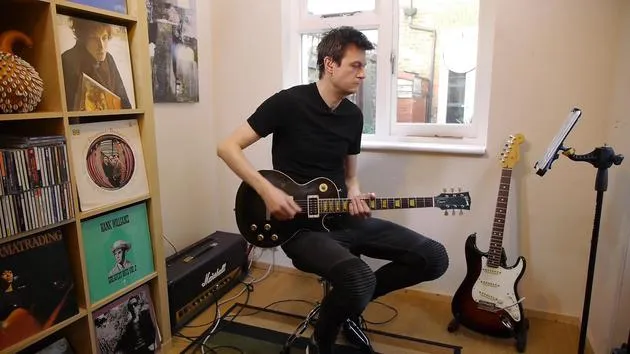
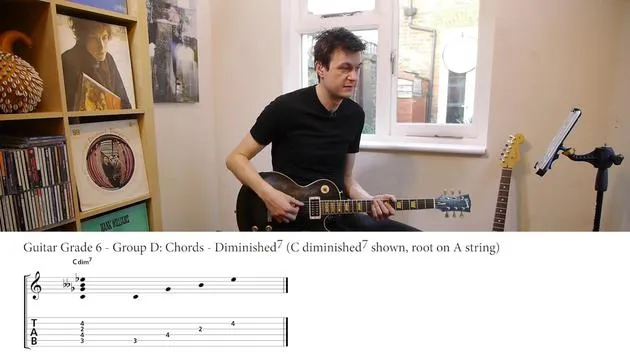
Okay, so what I'd like to talk to you about now is rhythmic based improvisation, or comping as it's known. This is probably something you'll do more often than even lead-based improvisation. It's an absolutely essential skill, being able to keep solid time and come up with interesting and stylistic rhythm parts to accompany a band, a song, or another soloist potentially.
Basics of Strum Patterns
We're going to start at the very, very beginning and just discuss some strum pattern ideas.
Introducing a G Major Chord
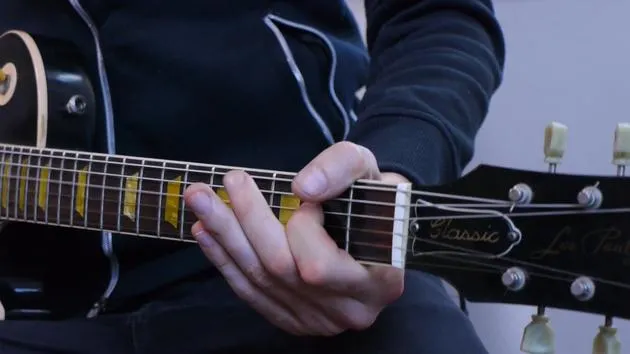
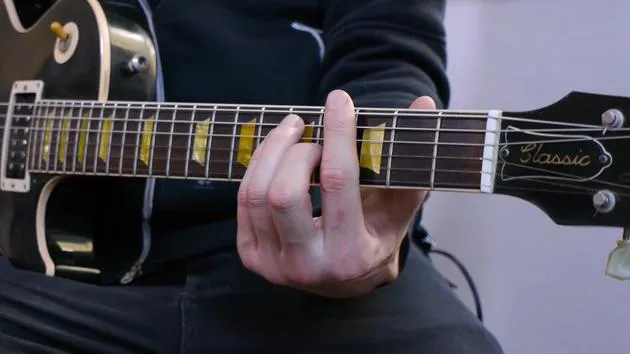
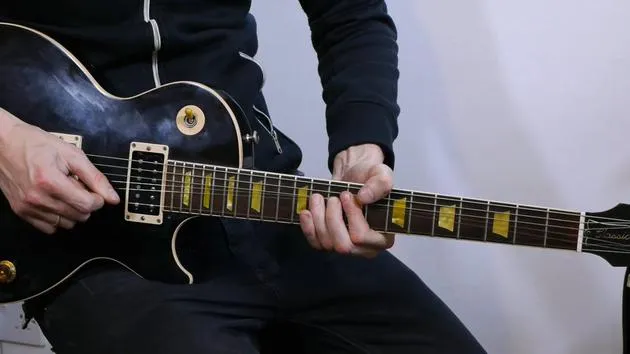
- Let's take a static chord here: a G major chord.
- Hopefully, you're all familiar with that great chord.
Now, we're going to look at some ways of coming up with strum patterns.
Rhythmic Subdivisions
What we need to be aware of are different rhythmic subdivisions.
I'm just going to demonstrate the most common ones for you:
-
Crotchet (Quarter Note):
- Count: 1, 2, 3, 4.
- Play on every beat of the bar with a downstroke.
-
Eighth Notes (Quavers):
- Count: 1 and 2 and 3 and 4.
-
Semiquavers (16th Notes):
- Count: 1 E and A, 2 E and A, 3 E and A, 4 E and A.
- Example: 1 E and A, 2 E and A, 3 E and A, 4 E and A.
These are the three really common subdivisions that you want to be really confident playing.
Practice with a Metronome
Start off playing crotchets, and then whenever you feel like you're in the zone, go into semiquavers. You can then transition back to eighths, back to crotchets, and back to semiquavers.
- Tip: Doing it on a scratchy sound can help hear how you're nailing the rhythm. Practicing with a click is beneficial.
Combining Rhythms for Strum Patterns
Let's take a look at combining some of those rhythms to come up with some strum patterns.
Sample Chord Progression
We're going to use a simple chord progression available on the PDF from the website:
- C major chord
- A minor
- F major (can be played as a half bar for beginners)
- G major
Eighth Note Based Strum Ideas
Let's start with some eighth note-based strum ideas:
- Count: 1, 2, 3, 4.
This is a really common eighth-note based strum pattern.
Important Note: Maintain movement of the right hand.
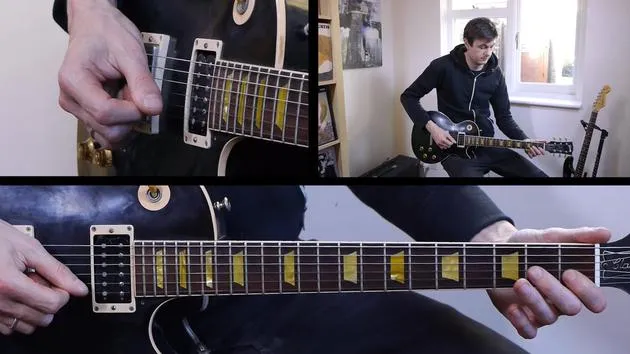
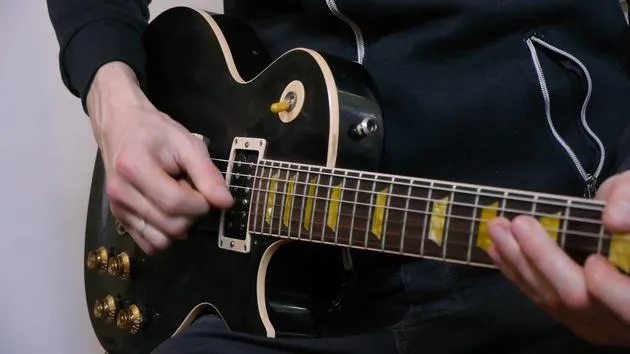
- Although I'm not playing every single eighth note (1 and 2 and 3), my right hand looks as if it is. This technique is called ghosting.
- Ghosting allows my right hand to be in a consistent motion, creating a more musical sound.
Variations and Dynamics
There are a few other ways you can strum this type of pattern. Experiment with variations of ghosting. If ghosting is new to you, try it on a single chord first before moving to a progression.
Considering Dynamics
It's crucial to think about dynamics with your right hand.
- Notice that my strumming wasn't hitting all the strings evenly.
- Consistently hitting all the strings at the same dynamic makes it sound flat and uninteresting.
Example: Demonstrating this, I will hit all the strings evenly:
- Count: 2, 3, 4.
If I vary how hard I hit the strings, the sound improves significantly:
- Count: 3, 4.
Ghosting with 16th Notes
Let's take that one step further and look at ghosting with 16th note rhythms.
Try playing again on the G chord:
- Count: 2, 3.
This creates more dynamic patterns.
Understanding Right Hand Motion
When you have passages of eighth notes in a 16th note pattern, play those eighth notes as downstrokes.
- Maintain a 16th note pace to keep a consistent right-hand motion.
Let's give it another try with different chords to illustrate how musical these sounds can be:
- Example: 2, 3.
This can create a very musical, authentic sound reminiscent of many singer-songwriter tracks.
Final Thoughts
Maintaining dynamics is essential, especially with a 16th-note pattern.
- Avoid hitting the strings evenly; this can create a flat sound.
Experiment with the examples available in the PDF. If you'd like to record yourself creating your own strum patterns, please do send them in.
It would be great to hear them, and we can provide feedback!
46 lessons
3h 57m of structured video lessons
Advanced video features
Slow down, loop a passage, follow along
Mobile, tablet & desktop
Practise wherever you are
100% satisfaction guarantee
30-day money-back guarantee







