



Group C: Arpeggios
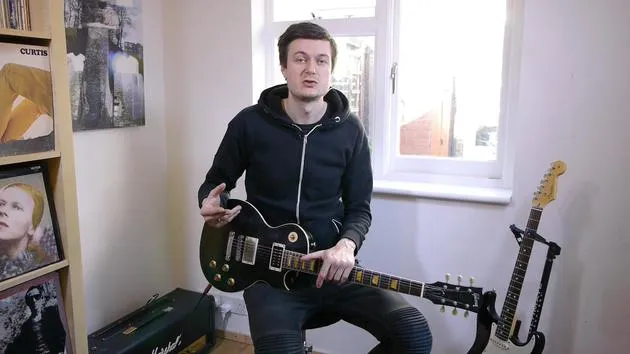
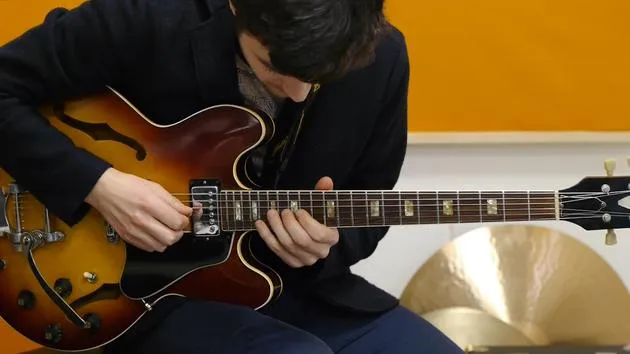
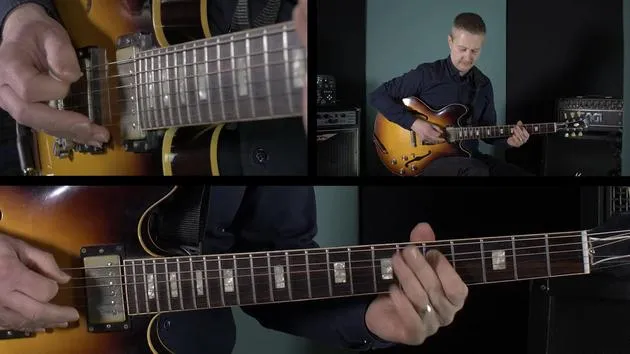
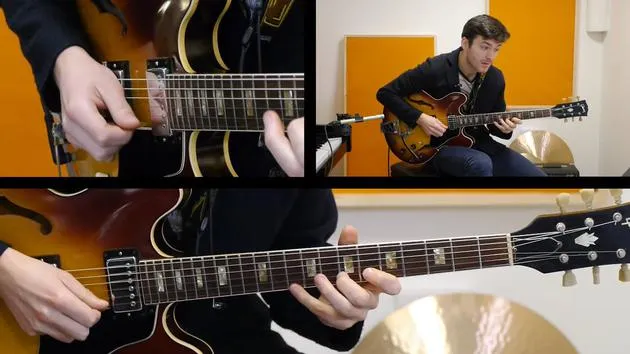
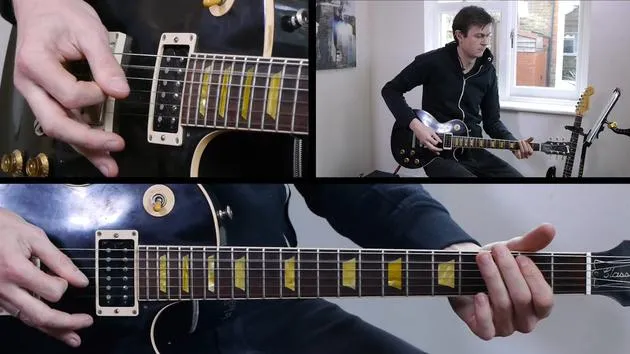
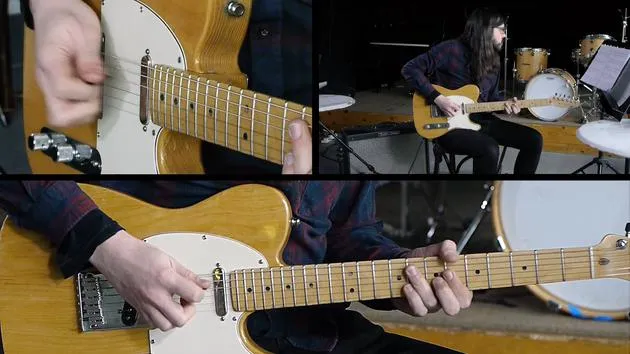
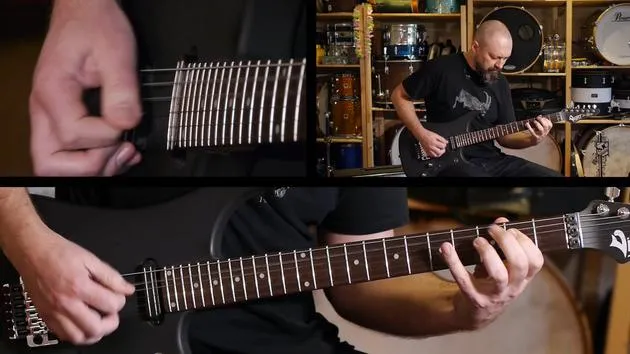
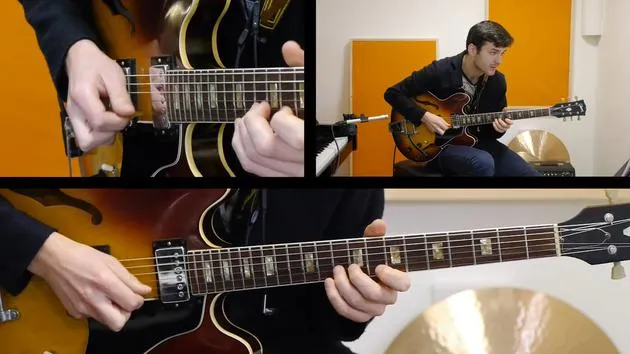
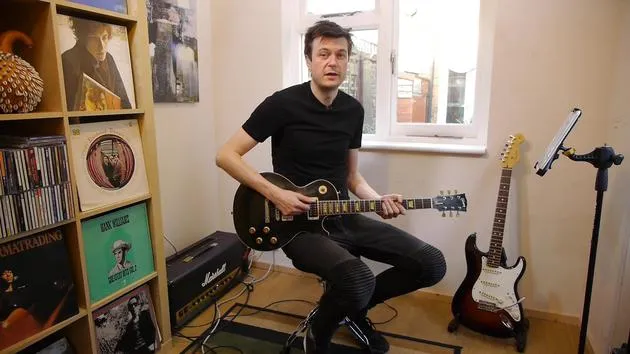
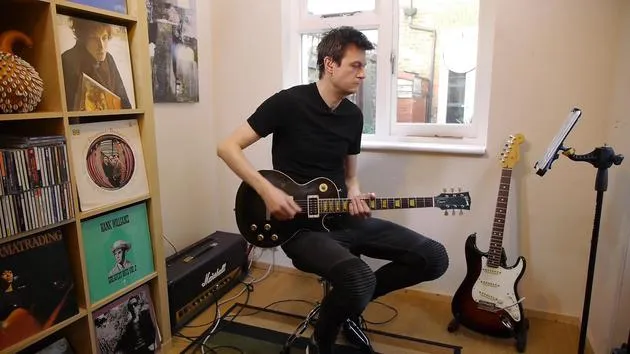
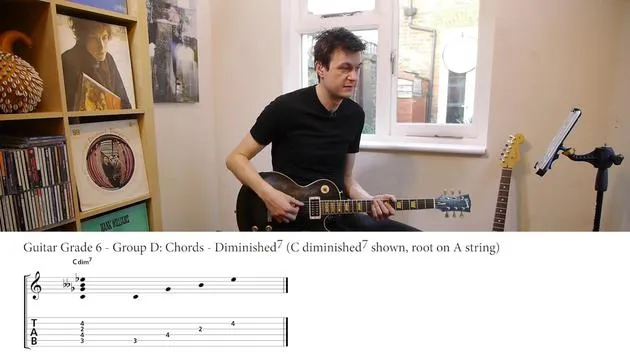
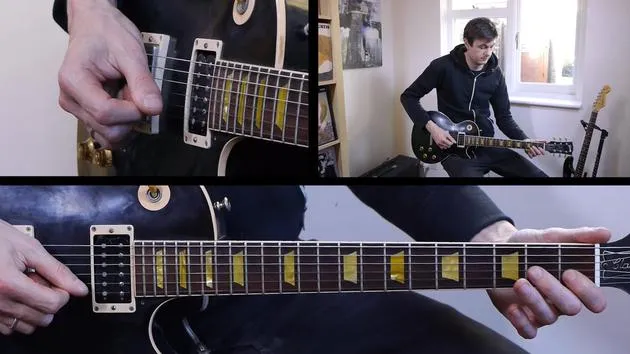
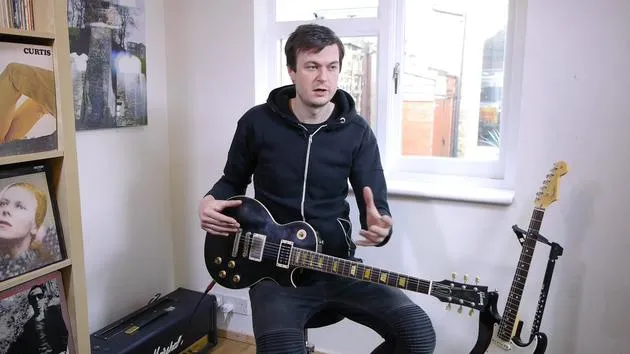
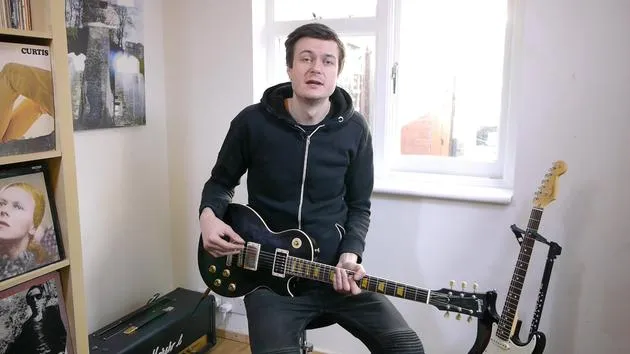
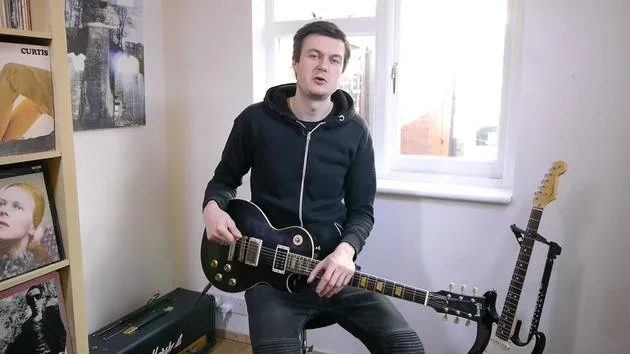
James Barratt walks through Group C of the Grade 6 technical exercises - two-octave major seven, minor seven and dominant seven arpeggios.

What's in the course
46 lessons (3h 57m) · 1 free
01. Intro to Approaches to Improv
1:00
02. Embelleshing a melody
5:36
03. Challenge: Submit your melody
0:26
04. 7th chords
6:38
05. Composing your solo
8:53
06. Further extensions and sus chords
4:19
07. Comping in two different musical styles
8:36
08. Mixing Rhythmic and Melodic comping
4:24
09. Rhythmic improv & comping
9:55
10. Advanced strumming and embellishments
5:40


Lesson transcript
Group C: Arpeggios
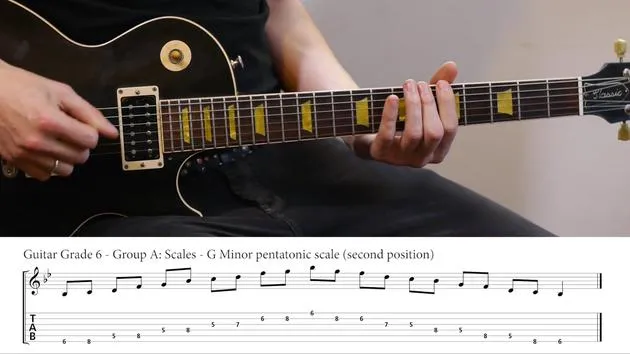
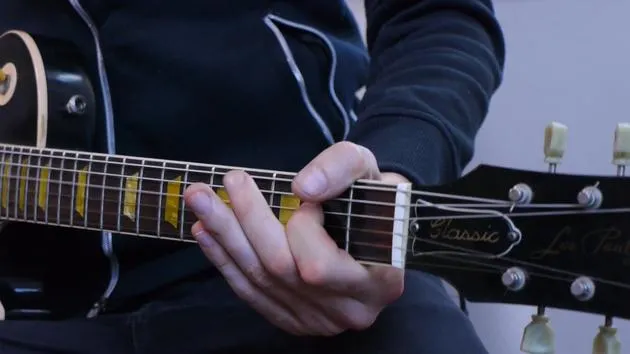
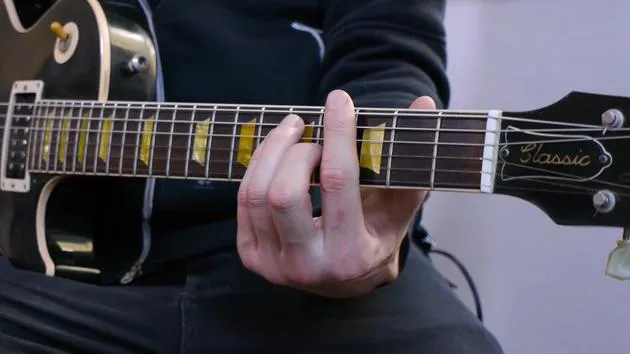
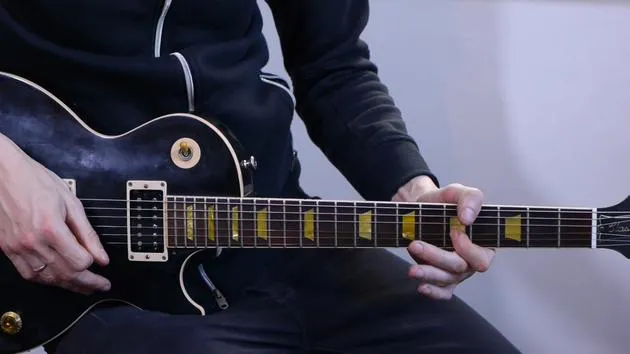
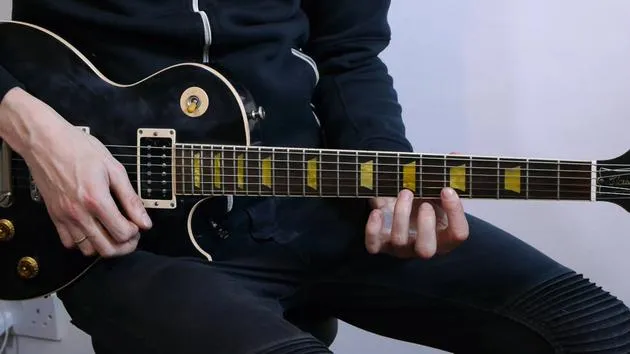
In this section, we will focus on arpeggios across two octaves, specifically the different types of seventh arpeggios:
- Major Seven
- Minor Seven
- Dominant Seven
Major Seven Arpeggios
Let's start with the major seven arpeggios.
-
A Major Arpeggio
- Root note on the E string:
1, 2, 3, 4.
- Root note on the E string:
-
C Major Seven Arpeggio
- Root note on the A string:
1, 2, 3, 4.
- Root note on the A string:
Minor Seven Arpeggios
Next, we'll cover the minor seven arpeggios.
-
C Minor 7 Arpeggio
- As shown in the book:
1, 2, 3, 4.
- As shown in the book:
-
G Minor 7 Arpeggio
- Root note on the E string:
1, 2, 3, 4.
- Root note on the E string:
Dominant Seven Arpeggios
Finally, let's move on to the dominant seven arpeggios.
-
D Dominant 7 Arpeggio
- Here we go:
1, 2, 3, 4.
- Here we go:
-
A Dominant 7 Arpeggio
- Root note on the E string:
1, 2, 3, 4.
- Root note on the E string:
Feel free to practice these arpeggios, and remember to focus on the transitions between them!
46 lessons
3h 57m of structured video lessons
Advanced video features
Slow down, loop a passage, follow along
Mobile, tablet & desktop
Practise wherever you are
100% satisfaction guarantee
30-day money-back guarantee







