



Practice Tips

With
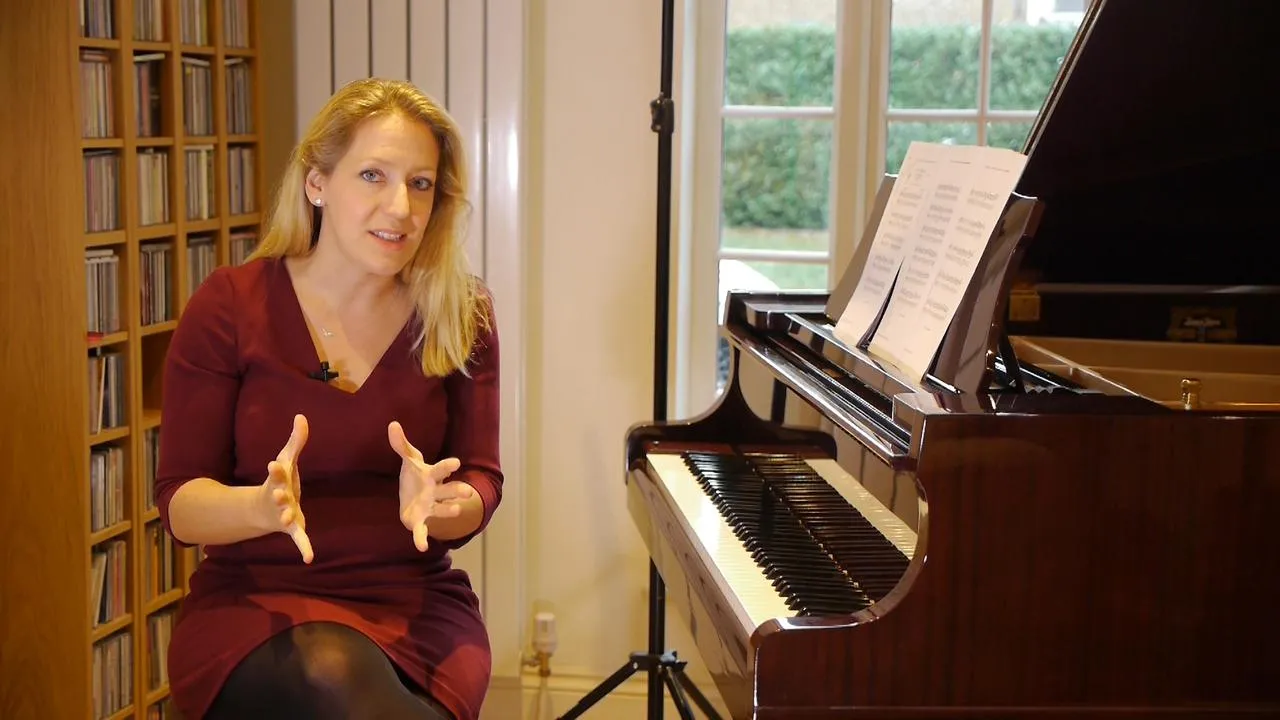
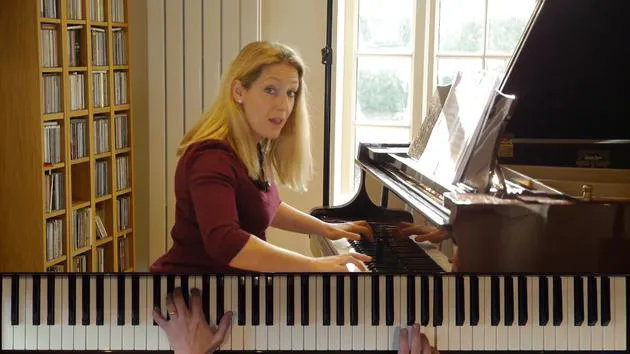
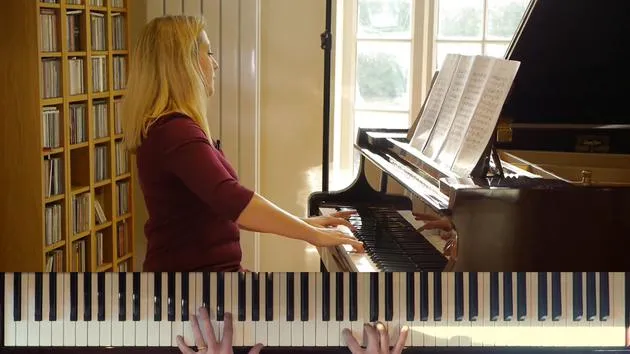
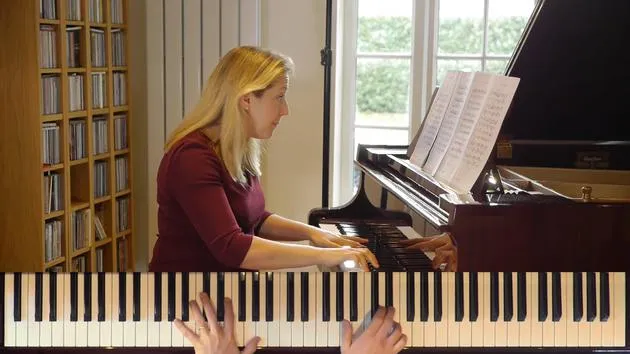
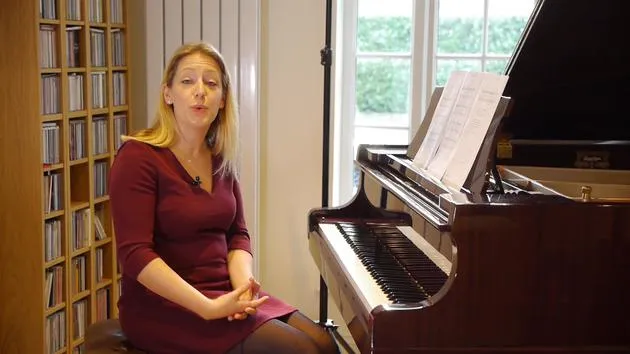
Annabel ThwaiteAnnabel Thwaite shares a practical, three-stage approach to practising any piece - from first read-through to focused, small-chunk technical work.
What's in the course
21 lessons (0h 57m) · 1 free
Lesson transcript
Practicing for a Performance
There are several ways that you can practice for a performance, and I guess the easiest way is to break it down into three steps or stages.
Stage 1: Initial Engagement
-
Choosing a Piece:
- Look at it for the first time and examine the whole structure.
- Listen to a recording or view a performance of it.
-
Methodical Review:
- Go through the piece, focusing on fingering.
- Note which passages are challenging.
-
Break It Down:
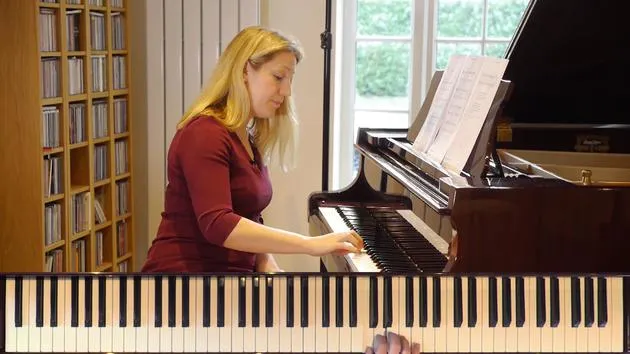
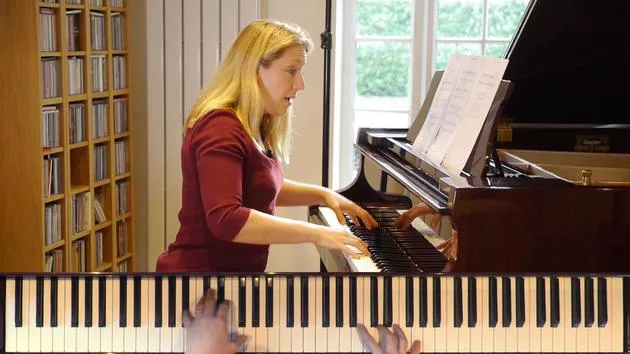
- Examine the piece by looking at the left hand, right hand, and the entire structure.
Stage 2: Detailed Technical Work
When you get to the real nitty-gritty work, keep these points in mind:
-
Self-Teaching:
- Remember, you are the best teacher for yourself.
- Identify problems like a doctor would, and find solutions.
-
Block Random Practice:
- Follow the saying "less is more."
- Focus on small snippets (e.g., two bars) for 2 minutes to target specific issues.
-
Techniques for Improvement:
-
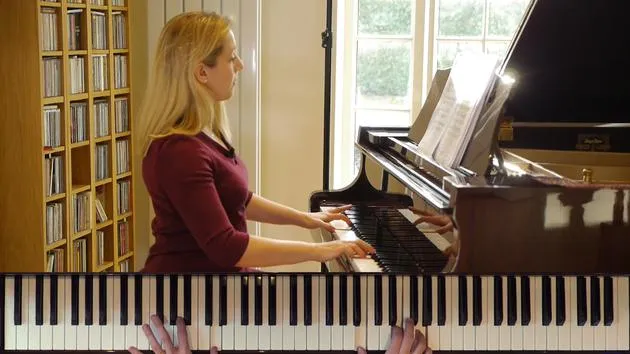
Slow Practice:
- It's not just about slowing down; it's about your brain registering what's happening.
- For example, when practicing Bach's "Jesu, Joy of Man's Desiring," slow it down and focus on finger placement, hand position, and harmonies.
-
Reverse Techniques:
- Try playing staccato where legato is required to enhance finger agility and flow.
-
-
Posture Awareness:
- Maintain good posture; avoid raising shoulders or curling towards the piano.
- Be aware of unnecessary tension in your body which can hinder fast or loud playing.
Stage 3: Performance Practice
-
Integration:
- By this point, it feels like the piece is all in your fingers.
-
Practice Performing:
- Use your pets, neighbors, family, or an imaginary audience for practice.
- A mobile phone or recording device can serve as a good substitute audience. Record, listen back, and assess your performance for clarity and pacing.
-
Self-Awareness During Performance:
- Just like in driving, anticipate trouble areas (e.g., "black spots" of traffic).
- Avoiding a passage isn't the goal; instead, anticipate it and work on it.
Conclusion: The Why Behind Your Practice
Always revisit why you chose that piece:
-
Musical Engagement:
- You should love the sound and mood of the piece.
-
Concentration:
- Avoid going through the motions; keep your brain engaged.
Final Advice
- Practice in smaller increments but more often.
- Enjoy the process of your practice!
21 lessons
0h 57m of structured video lessons
Advanced video features
Slow down, loop a passage, follow along
Mobile, tablet & desktop
Practise wherever you are
100% satisfaction guarantee
30-day money-back guarantee
Meet your guru
Meet your guru
Recognised as one of Britain's most versatile and charismatic pianists, Annabel Thwaite enjoys a diverse career as a soloist, chamber musician, recording artist, educator and examiner, and has won all the major accompanying prizes, including the prestigious Kathleen Ferrier, Gold Medal, and Richard Tauber Piano Prizes. She has collaborated with renowned artists such as Roberto Alagna, Bryn Terfel, David Kempster and "Only Men Aloud!"
Annabel has recorded for Universal records with the "Scottish Tenor", whose album was nominated for a Classical Brit Award and is regularly played on Classic FM. Twice the accompanist for the Festival of Welsh Male choirs, her performances at the Royal Albert Hall were recorded by Sain and have been aired on S4C. She is also a film session pianist, having recorded at Abbey Road the music for the film "Awake", the BBC Jane Austen series "Emma", "The Secret Diaries of Miss Anne Lister" and, most recently, she has appeared on both Blue Peter and "The Rob Brydon Show".
"...no doubt helped by the obviously brilliant piano accompaniments from Annabel Thwaite...highly enjoyable."
In her MusicGurus courses - Learn Christmas Classics on Piano, Learn Classical Favourites on Piano, and Growing Chamber Groups and Small Ensembles - Annabel shares the musicianship behind that versatile career. You will learn how to bring well-loved Christmas and classical pieces to life at the piano, develop your touch and phrasing, and, drawing on her award-winning experience as an accompanist, discover how to listen, lead and play together when making music with other musicians in chamber groups and small ensembles.







