



DJing with digital : how I manage my files
With
DJ Deep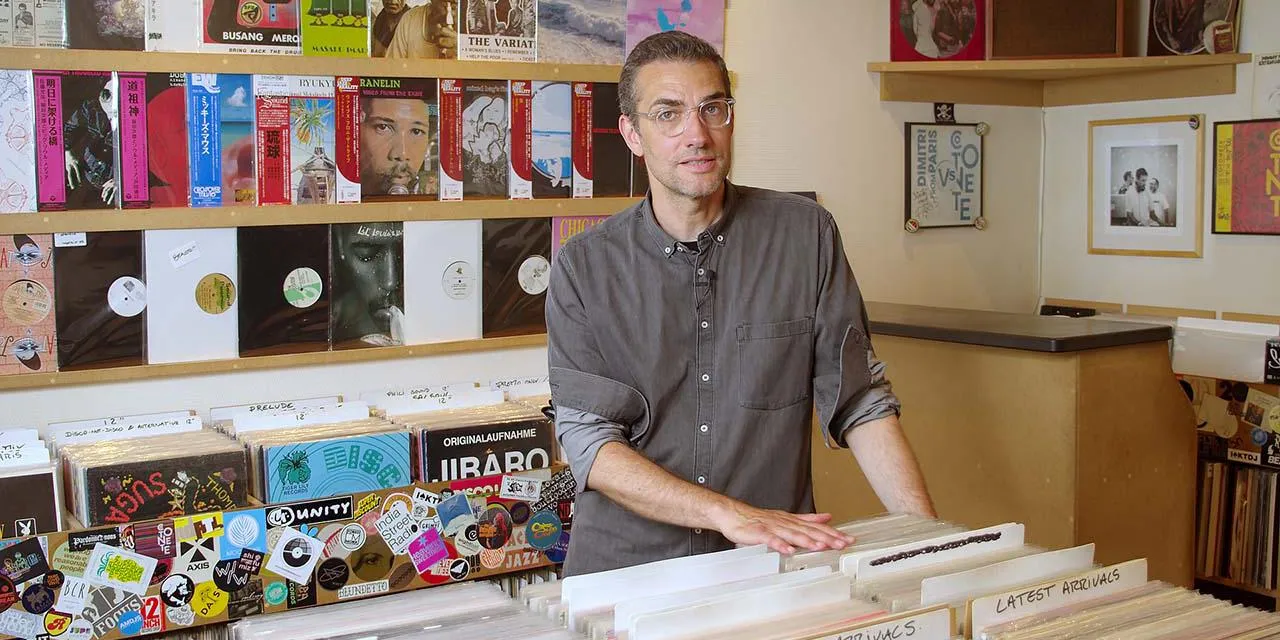
What's in the course
21 lessons (1h 33m) · 1 free
01. Welcome to the course
1:31
02. Getting inspiration from mentors
Free lesson3:29
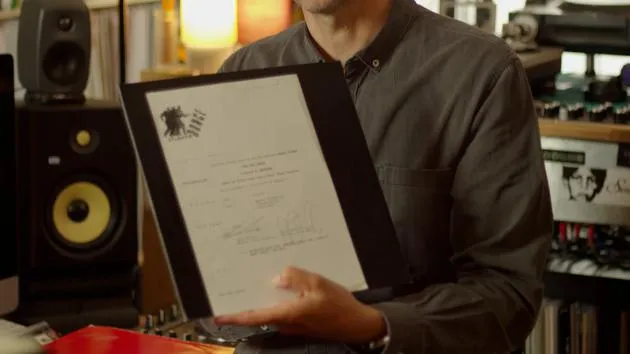
03. The essential listens from New York, Chicago and Detroit
4:26
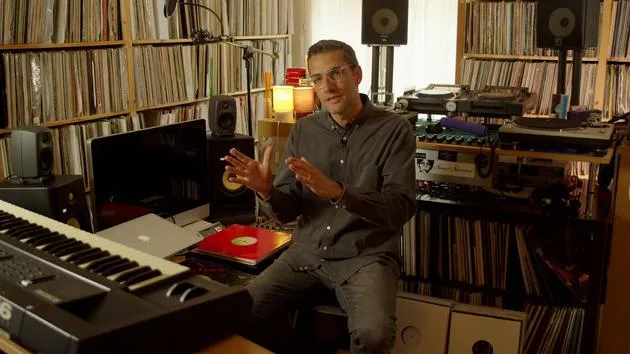
04. Be curious, understand the styles and the machines
5:56
05. Walk your own path, define your own sound
3:26
06. My career & how I found my style
5:59
07. My definition of a DJ
6:03
Lesson transcript
Organizing Digital Music Files: A DJ's Approach
Now I'd like to talk about how I organize my folders and my music digitally.
Overview of My Process
I am not a pioneer instructor, nor the most organized person on the planet. I am also very emotional about music. However, I handle a vast number of files. My music file to DJ is stored on a five terabyte hard drive, which is quite heavy. Thus, I have to find ways to navigate through my collection efficiently.
Simple Techniques to Organize Music
- Use Visuals: One straightforward method I employ is utilizing the track covers. As an old school DJ and a vinyl DJ, I need to see the music I am playing. Importing the artwork of the files is immensely helpful.
- Benefits: This allows me to easily identify music selections through their visuals. The colors of the artwork, red, blue, green, are simple for me to remember, helping me connect the colors to the tracks.
My Folder Organization
I am not suggesting this is the best way of organizing music, but this method has worked for me.
-
Folder Creation:
- After purchases, I create a folder in Rekordbox named with the date of the recording, such as "14th July 2021."
- Within this folder, I import all the music I bought.
-
Classifying Music:
- Depending on the purpose of the tracks (e.g., my radio show or DJ gig), I categorize them with colors in Rekordbox, similar to Traktor.
- Color Codes:
- House: Blue
- Techno: Red
- Color Codes:
- Depending on the purpose of the tracks (e.g., my radio show or DJ gig), I categorize them with colors in Rekordbox, similar to Traktor.
-
Further Organization:
- I create new folders based on genre and the date. For instance:
- A "House 14th of July" folder
- A "Techno 14th of July" folder
- An "Open Library 14th of July" folder for radio shows.
- I create new folders based on genre and the date. For instance:
-
Event-Specific Folders:
- If I have a gig at Rex Club on the 15th of July, I create a "Rex Club" folder specifically for that event to import and classify my music.
Effectiveness of My Method
These simple tips and techniques may seem basic, but they are effective. By seeing my markers and styles visually, I streamline my music organization. This approach works well whether I am using Pioneer CDJ players or Traktor.
File Types and Storage
Most of the music I record consists of web files or AIFF files, which are sizable. This is why I utilize a large hard drive.
Key Takeaways
- I aim to make my digital files resemble the way vinyl records look. Knowing the start point, markers, and life of each track helps me navigate my collection.
- I always try to include artwork for the music, and I assign colors to tracks for quick identification of styles.
If I ever find myself panicking in a club needing a house record quickly, I just look for the blue dot, indicating a house track. This visual aid provides a significant advantage in emergency situations.
Structuring with Dates
In summary, organizing my folders with a chronological date-based system allows me to efficiently manage my extensive collection.
- Benefits of Chronological Order:
- Easier navigation through numerous files.
- When recalling tracks played at venues like Rex Club, I can simply refer to folders named by date, for instance, "July Rex 2019", to find what I need.
Final Search Tips
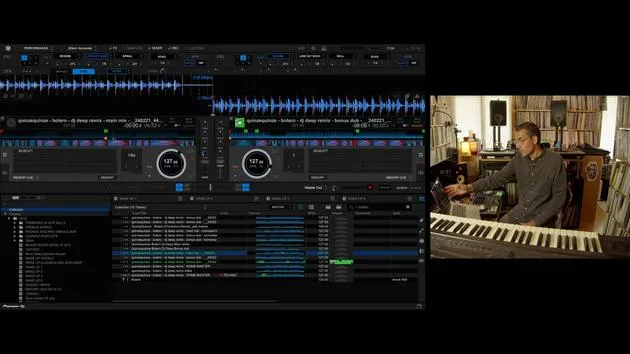
When searching for a specific file, I utilize the "Collection" feature in Rekordbox. This allows me to search my entire drive. For instance, if I am looking for a Kenny Larkin track, I can quickly find all related jams in one convenient location.
21 lessons
1h 33m of structured video lessons
Advanced video features
Slow down, loop a passage, follow along
Mobile, tablet & desktop
Practise wherever you are
100% satisfaction guarantee
30-day money-back guarantee
Meet your guru
Meet your guru
DJ Deep is a French house and techno producer and DJ, and the man behind the Deeply Rooted label (formerly Deeply Rooted House). Across more than 20 years he has been one of dance music's great curators - and that ear for what makes a record really work is exactly what makes him a guide worth learning from.
'I see my job as being a big filter,' he says, rather underplaying the role the Frenchman has had in the development of house music. 'As a vinyl junkie, I am in the record stores chasing jams almost every day. Sharing what I think are the greatest records of the moment or the most timeless personal classics is something that has motivated me throughout the years.'
Cyril Etienne emerged from the Paris scene to make a real impact on the world stage. He started out playing for Laurent Garnier at parties such as Oz and Zoo at club Palace, then became a regular at the Rex Club and established his unique sense of taste with his 'A Deep Groove' shows on pirate station Radio FG and later Radio Nova. He quickly graduated to playing worldwide, always taking with him a sense of history informed by a love of Chicago, New York and Detroit. Blurring the lines between house and techno, he also joins the dots between classic and contemporary cuts with his own sense of storytelling - not only as a DJ and producer, but also a label boss and party curator.
Since 2003 he has headed up his own forward-looking Deeply Rooted label, synonymous with classy, true-to-its-roots house and techno from new and established greats like Kerri Chandler, Ben Klock, Francois X, Ben Sims and Roman Poncet, as well as rising French star and Concrete Paris regular Marina Trench. His own Raw Cuts series bridges the heartfelt emotion of house and the direct impact of techno. Beyond his own label he has released on Rekids, Kaoz Theory and Tresor, and as a remixer has reworked the likes of Carl Craig, St Germain, DJ Honesty, Scan 7, Borderland (Juan Atkins) and Point G, always bringing his uniquely warm atmospheres to whatever he turns out.
He also makes music under various other aliases: Rebeval, with rawer-sounding material on L.I.E.S.; Sergie Rezza, a collaborative project and label of the same name alongside Roman Poncet that explores more experimental, ambient-laced house and techno in both EP and LP format; Fang, for contemporary house; and Adventice, for driving, classically-rooted techno, with outings on Tresor and live shows at the likes of Berlin Atonal.
His more eclectic side comes out in his Open Library radio shows on Worldwide FM - two-hour windows of jazz, soul, dub, funk and ambient that make for very special, immersive soundtracks. Whatever he is playing or producing, DJ Deep always has something worth hearing. In Find Your Own Path in House & Techno, he shares how he selects, arranges and shapes tracks so that, instead of chasing trends, you can build a sound and a taste that are unmistakably your own.







